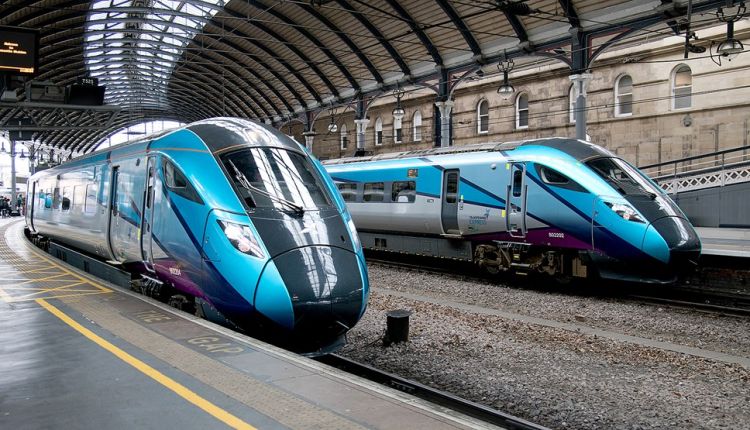
The trial centers on a TransPennine Express 'Nova 1' train, a five-carriage intercity Class 802 unit. This initiative involves a collaborative effort between Angel Trains, TransPennine Express, Turntide Technologies, and Hitachi Rail.
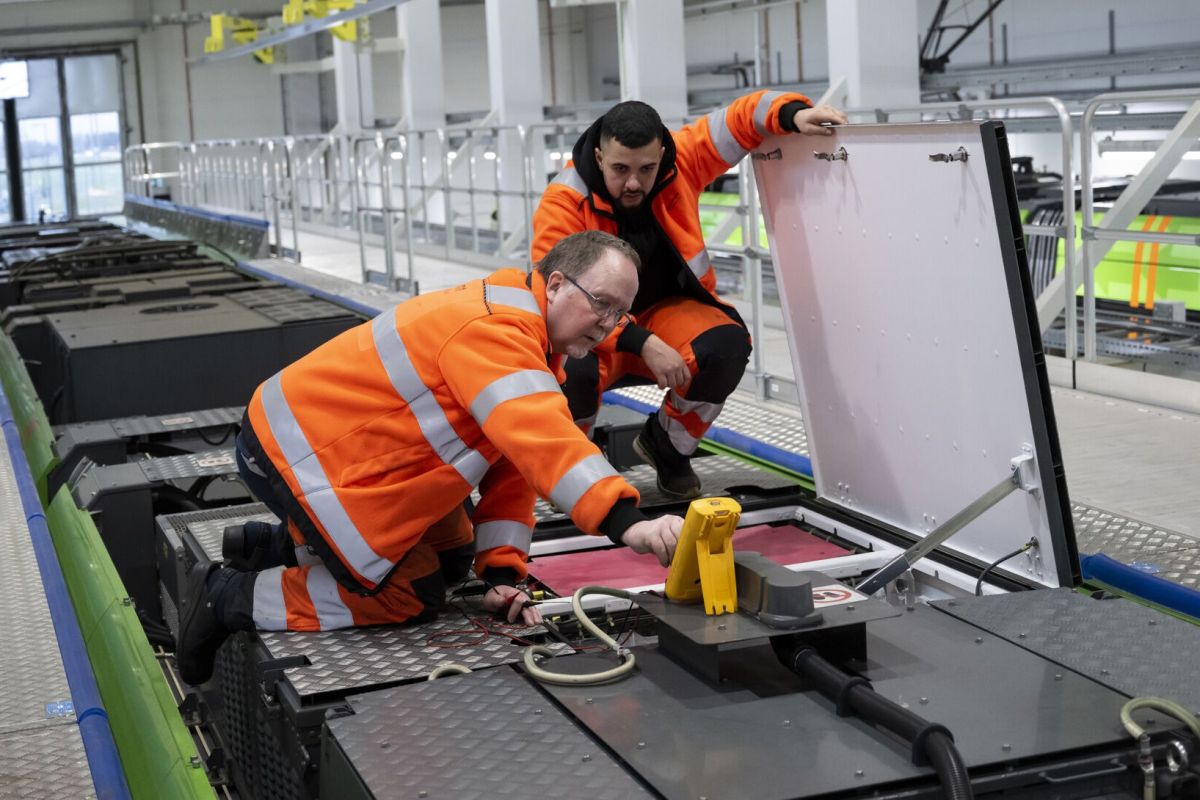
A battery generating over 700kw of peak power has been retrofitted onto the train. This battery, developed using the North East supply chain, promises to deliver the same performance as the replaced diesel engine while maintaining the train’s high-speed capabilities.
The installation of this battery is expected to reduce emissions and fuel costs by up to 30%. It stores enough electricity to power more than 75 houses for a day, demonstrating its substantial energy and power density. The trial aims to evaluate how effectively the train can operate in zero-emission battery mode when entering, alighting, and leaving non-electrified stations, potentially improving air quality and reducing noise pollution.
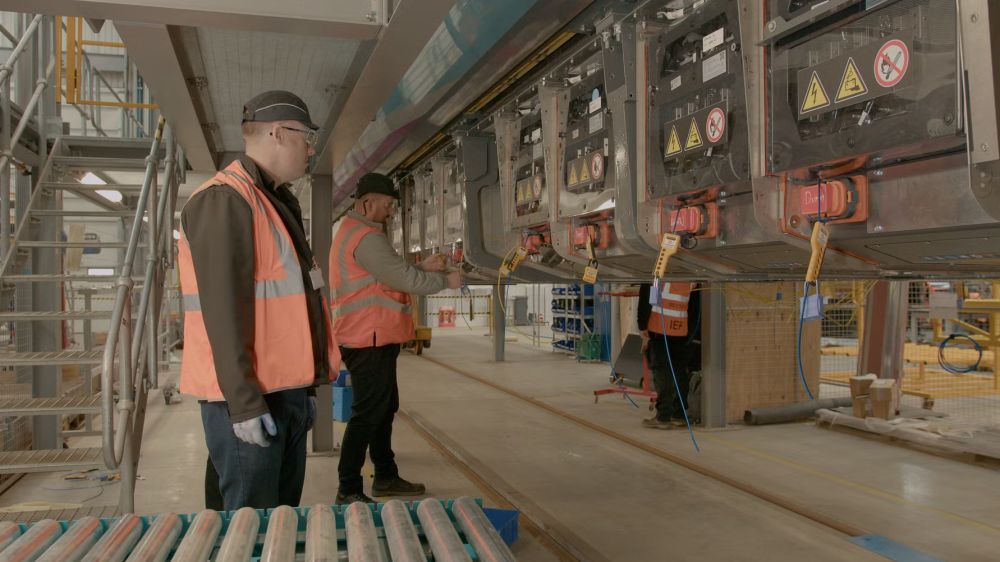
The battery was manufactured by Turntide Technologies in Sunderland, highlighting the role of the North East’s burgeoning battery sector. After its production, the battery was shipped to Japan for testing by Hitachi’s experts, who have prior experience in delivering passenger battery trains.
This trial is anticipated to provide crucial real-world data to support the feasibility of fully battery-electric intercity trains. These trains could run up to 100km in battery mode, offering a solution for the non-electrified segments of intercity routes and potentially reducing the need for costly infrastructure like overhead wires in tunnels and complex junctions.
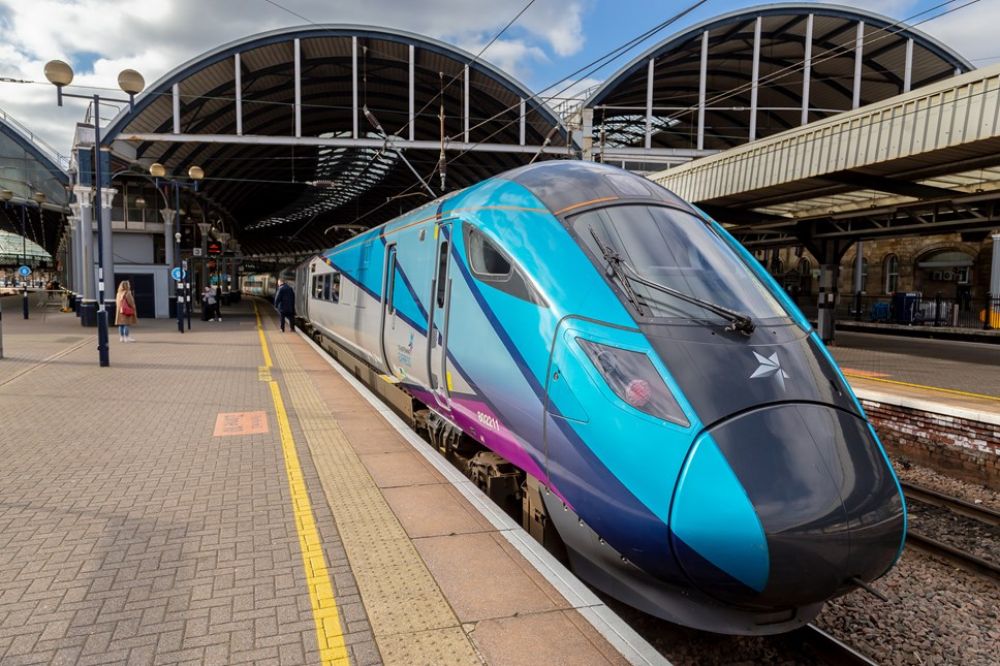
As part of this project, Angel Trains, the owner of the Class 802 units, has invested in this innovative Hitachi Rail product. This investment aims to support skilled jobs and technological advancements in the UK rail industry. Additionally, the collaboration highlights the potential for the rail sector to contribute to the growth of the domestic battery industry.
The trial will run on TransPennine routes this summer, with results expected to inform future implementations of battery technology across the rail network.