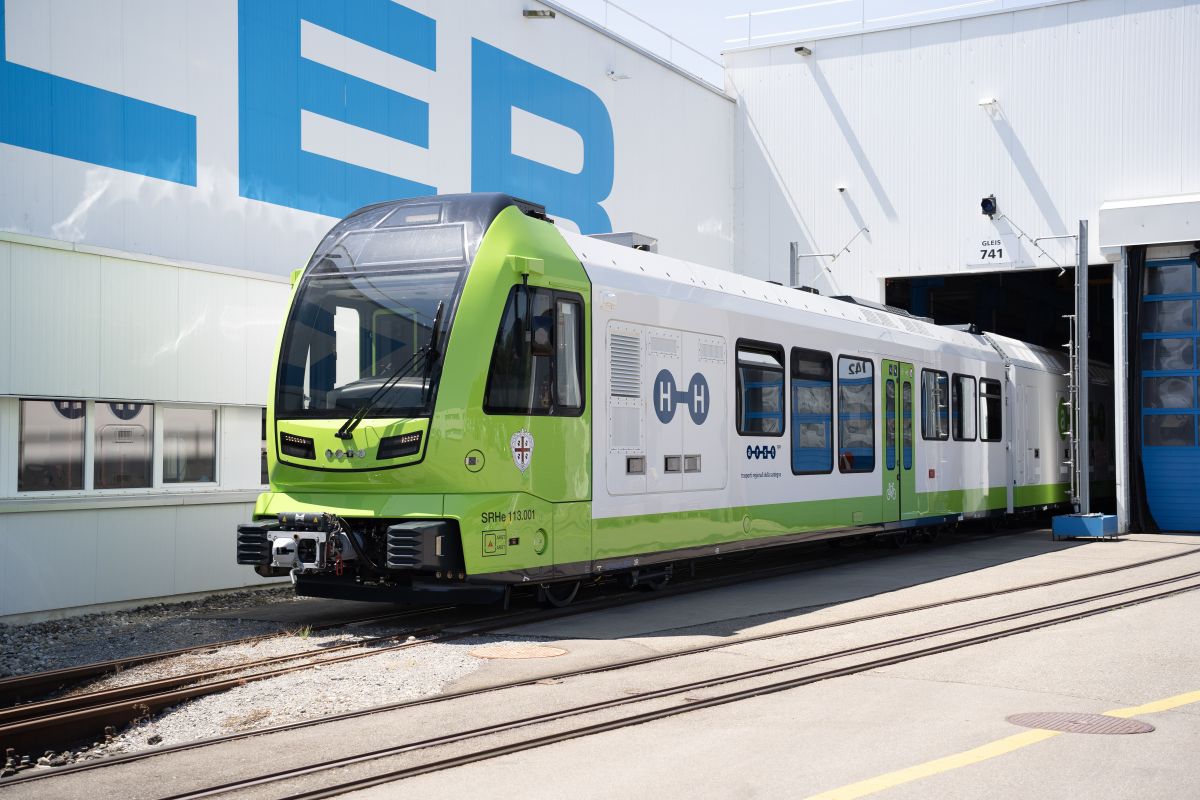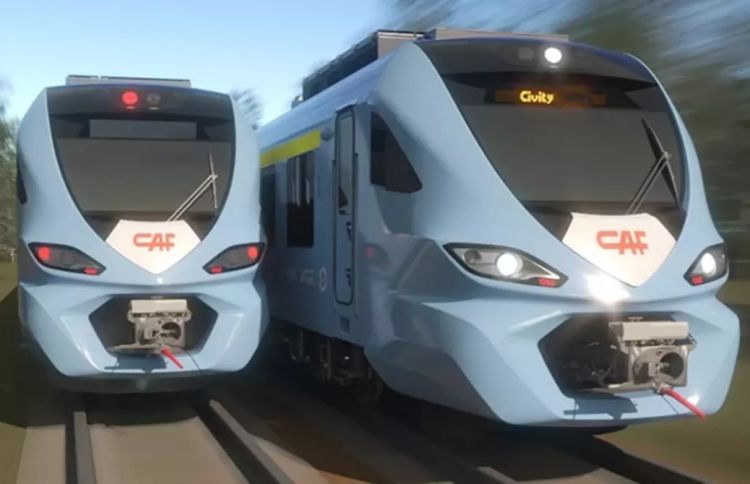
Following a European tender process, the Belgian national railway company SNCB (NMBS) has selected CAF as the preferred bidder for its AM30 three and four-car units renewal project. The decision, approved unanimously by SNCB’s Board of Directors, moves the procurement forward toward finalizing a framework agreement with CAF for manufacturing and supplying the new trains.
The framework agreement under consideration covers trains offering up to 170,000 passenger seats, with an initial commitment involving trains providing approximately 54,000 seats. This initial portion of the contract is valued at around EUR 1.7 billion.

SNCB issued a statement addressing recent public discussions and clarifying certain legal points concerning its selection procedures. The operator emphasized adherence to EU procurement rules, specifically noting the impossibility of including selection criteria that favor local production or local economic reinvestment. SNCB stated clearly that criteria promoting local manufacturing or employment advantages are prohibited under EU law and court rulings due to their discriminatory nature toward bidders from other EU member states.
The decision to select CAF was based strictly on predefined evaluation criteria outlined in SNCB’s tender specifications, prioritizing overall best value for money rather than focusing solely on the lowest price. According to SNCB, the evaluation considered both cost and quality aspects. Consequently, the selected offer from CAF, despite not being the cheapest, earned the highest overall evaluation points when combining price and quality.

SNCB’s evaluation resulted in three closely matched bids, each considered regular in terms of quality and price. The railway operator indicated that the small differences between offers illustrate robust competition throughout the tender process. The railway company also pointed out that a higher quality evaluation, even with a small margin, could substantially impact the smoothness of contract implementation. SNCB informed all bidders of the evaluation outcomes, detailing the respective strengths and weaknesses of each proposal.