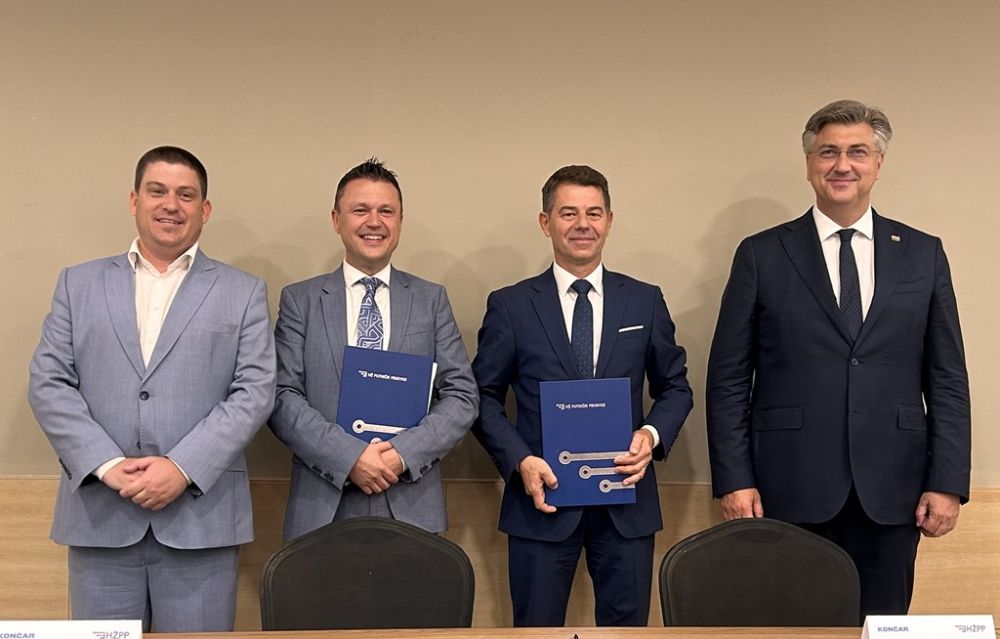
On July 23, 2024, an agreement was signed between HŽ-PP and Končar for the purchase of six electric and diesel trains (DEMUs)to enhance connectivity between Split and Zagreb. This project, valued at €57.3 million and financed through a loan from the European Investment Bank (EIB), is part of the broader "Revitalization of the Railway System of the Republic of Croatia" initiative. The loan agreement with the EIB was established in February 2024 and also includes the construction of the Technical-Logistical Center in Zagreb and the renovation and construction of local and regional railway lines, stations, and stops.
The new trains will improve the frequency and quality of connections between Split and Zagreb, providing better local and regional connectivity and enhancing mobility for citizens. These trains will replace the tilting trains that have been operating on this route since 2004. The first train is expected to be operational within two years, with subsequent trains entering service monthly until the end of 2026, achieving a fully renewed fleet for this route.
The 429 km railway line between Zagreb and Split is electrified up to Oštarije, after which it is non-electrified. The new trains will operate using both electric and diesel power, designed to handle the challenging mountainous sections of the route. They will reach maximum speeds of 160 km/h and allow for the coupling of multiple trains to increase capacity.
The production of these high-tech trains involves numerous Croatian companies, including those from the Dalmatia region. Currently, there are 61 new trains in operation, with 33 of these added in the last few years. By the end of the next year, the total number of new trains will reach 70, more than half of the entire fleet.
Split, being Croatia's second-largest city and a crucial tourist hub, relies heavily on efficient rail connections to Zagreb. This project aims to increase passenger numbers and improve the energy efficiency of the transport system while reducing noise and greenhouse gas emissions.
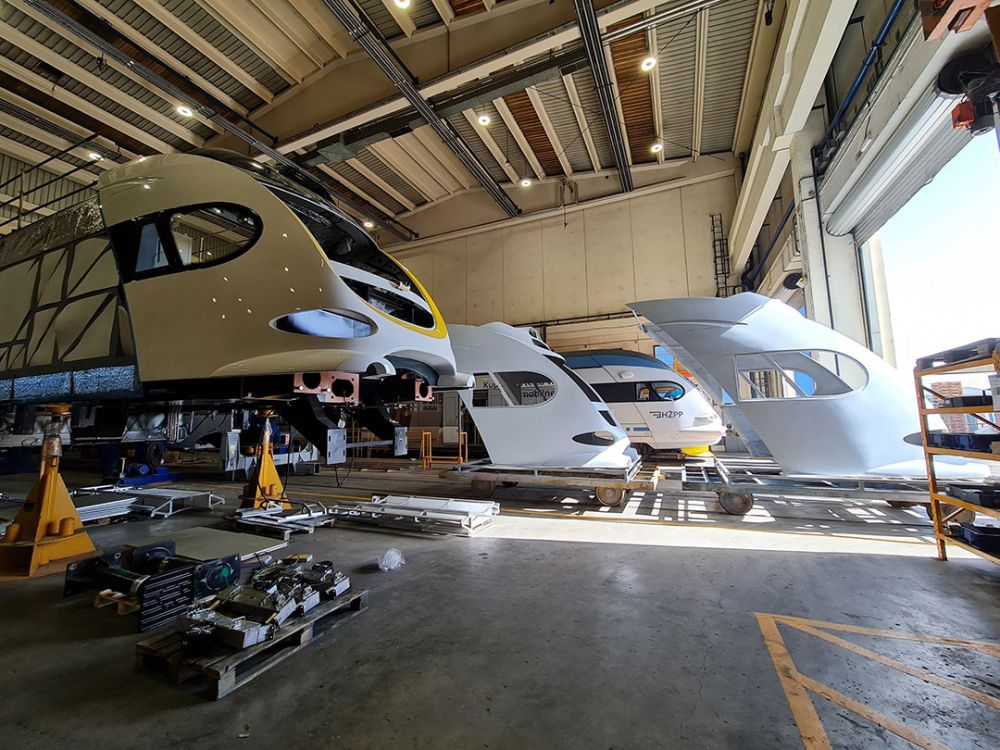
The new trains will feature low-floor configurations with three doors on each side, ramps for wheelchair access, bicycle spaces, and toilets, including one accessible for wheelchair users. The passenger areas will be under video surveillance and equipped with monitors displaying video content, visual and audio station announcements, and free Wi-Fi access. Modern passenger information systems, power outlets, and self-service food and drink machines will also be provided.
The trains will have a seating capacity of 150 (12 in first class and 138 in second class).