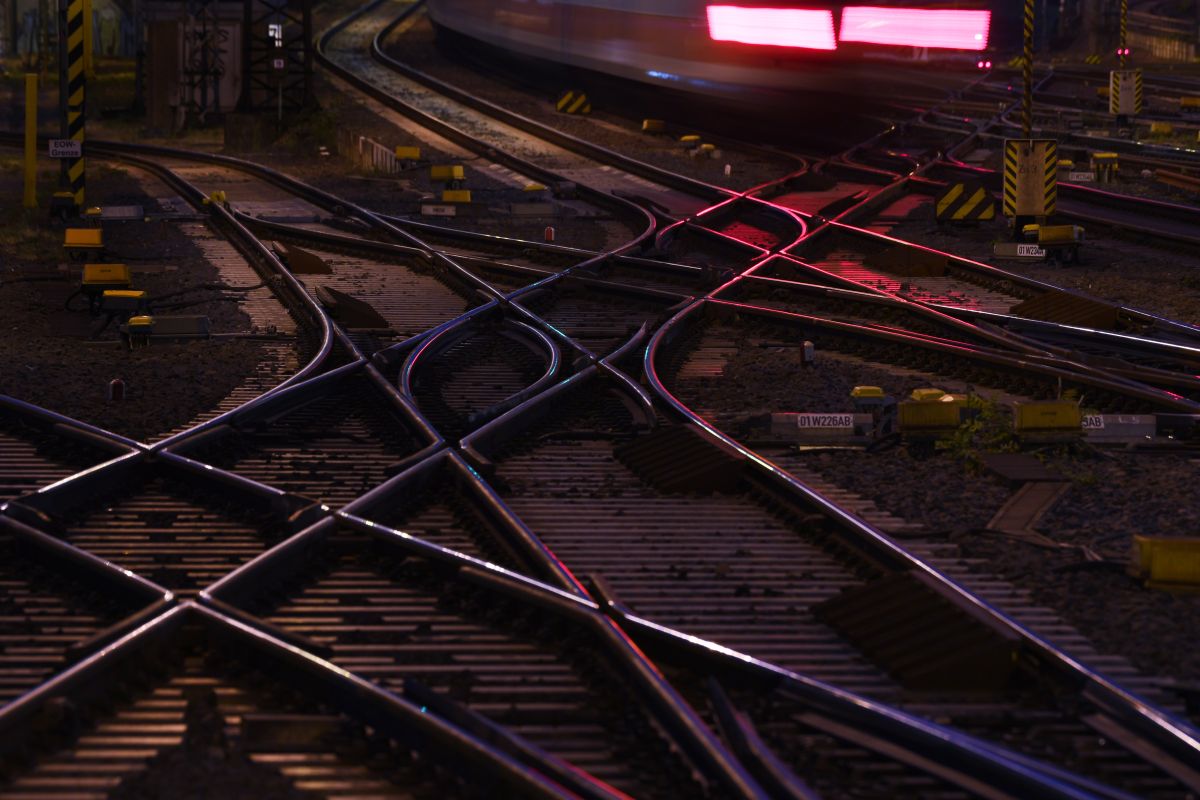
Fires at two locations between Langenfeld and Leverkusen on Friday damaged several signalling cables and forced the railway between Cologne and Düsseldorf to close. Passenger services were diverted or delayed while Deutsche Bahn specialists worked continuously to repair the infrastructure.
The route reopened on Saturday evening. Deutsche Bahn said trains were subsequently able to operate without restrictions, according to reports by WDR, part of Germany’s ARD network, and ZDFheute.
A group calling itself Kommando Angry Birds published an online statement claiming responsibility for what it described as sabotage of the railway north of Leverkusen. The statement said incendiary devices had been placed in cable ducts at two locations.
Cologne police and prosecutors are investigating whether the statement is authentic and whether the fires may be connected to other offences. The police State Security unit took over the investigation after a political motive could not be ruled out.
Germany’s domestic intelligence authorities classify Kommando Angry Birds within the left-wing extremist spectrum. According to WDR, the North Rhine-Westphalia intelligence service considers it less a clearly defined organisation than a decentralised campaign under which individuals can carry out attacks.
The name has previously appeared in claims concerning attacks on railway infrastructure. These include a January 2025 fire targeting a freight railway cable near Düsseldorf and an attack on the heavily used Düsseldorf–Duisburg corridor later that year.
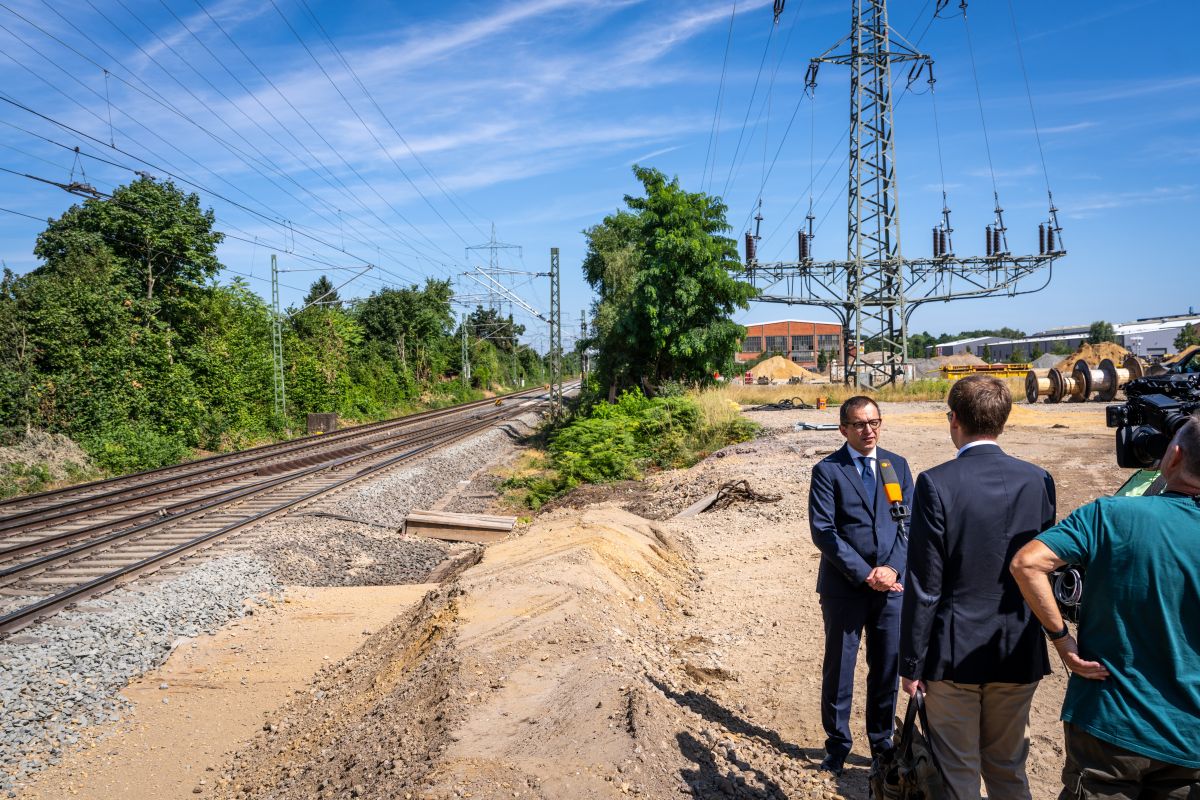
North Rhine-Westphalia Interior Minister Herbert Reul told WDR that authorities could be relatively certain of the group’s involvement in at least one of the two incidents. Speaking to ZDF, he said the available evidence pointed towards a left-wing extremist act, although the formal investigation remains ongoing.
The incident has also renewed discussion over the protection of railway infrastructure. Reul called for stronger investigative capabilities online and a review of where additional surveillance of critical infrastructure may be necessary.
Infrastructure security specialist Manuel Atug told WDR that fully protecting tens of thousands of kilometres of railway was not possible. He argued that Deutsche Bahn should therefore also strengthen emergency management and its ability to limit disruption after attacks.