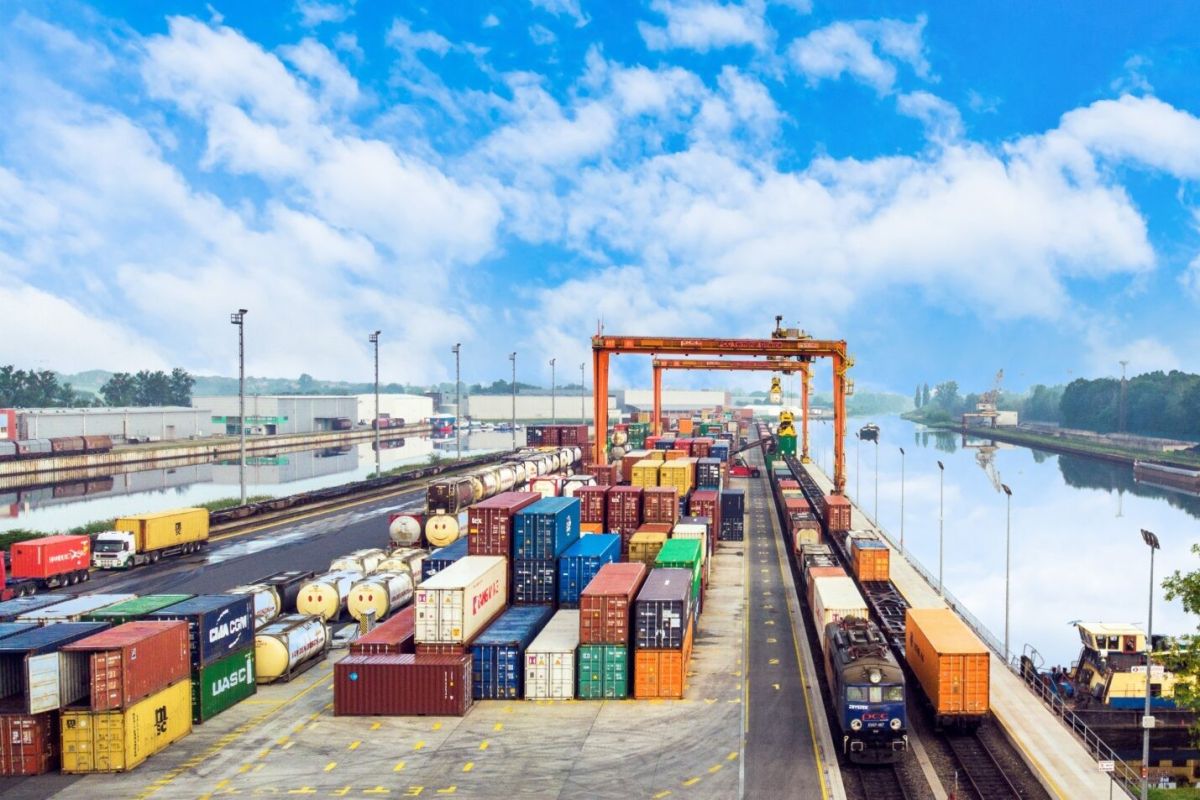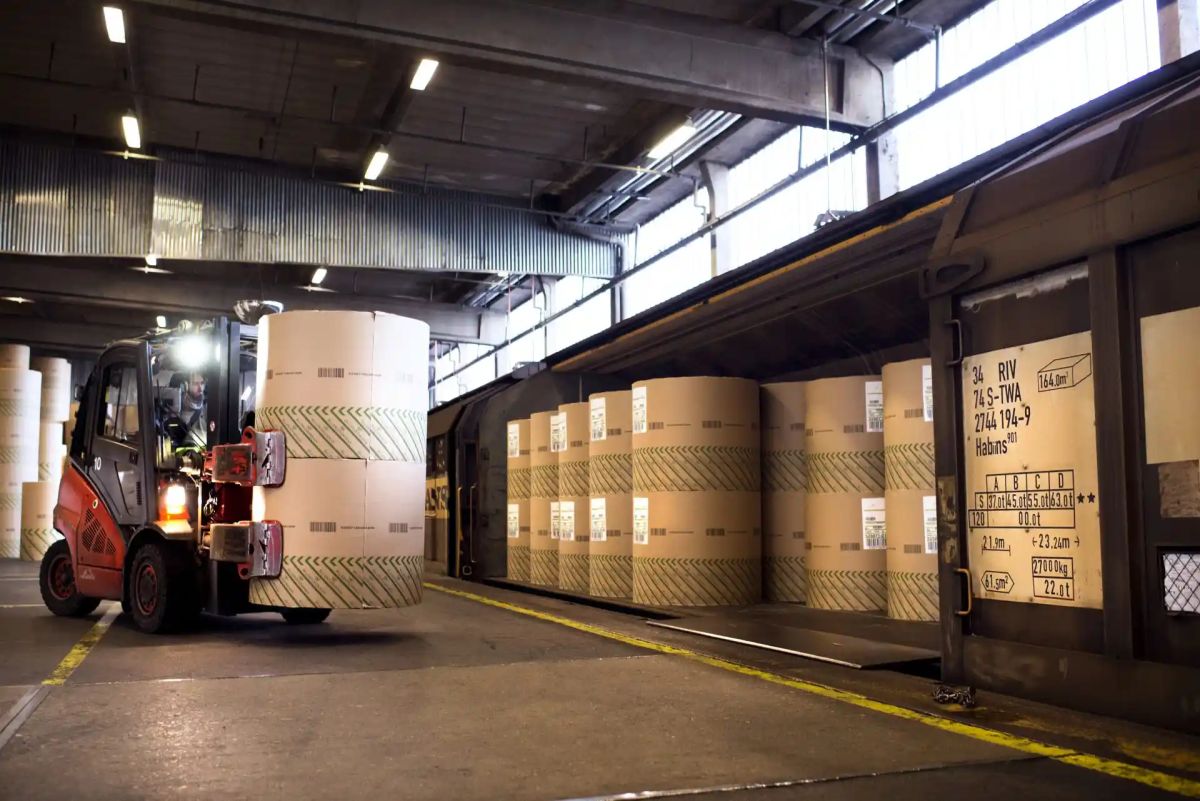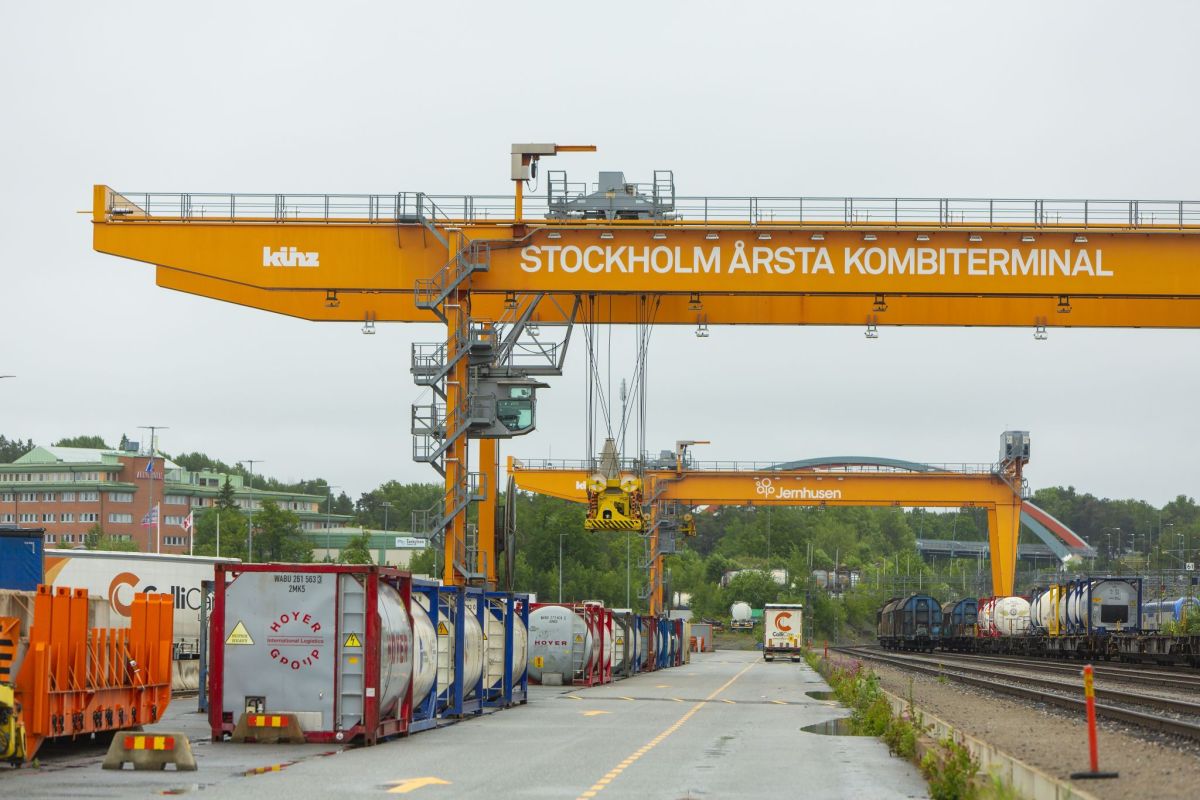
European combined transport recorded an unexpectedly weak start to 2026, as infrastructure problems on the rail network continued to affect intermodal freight performance.
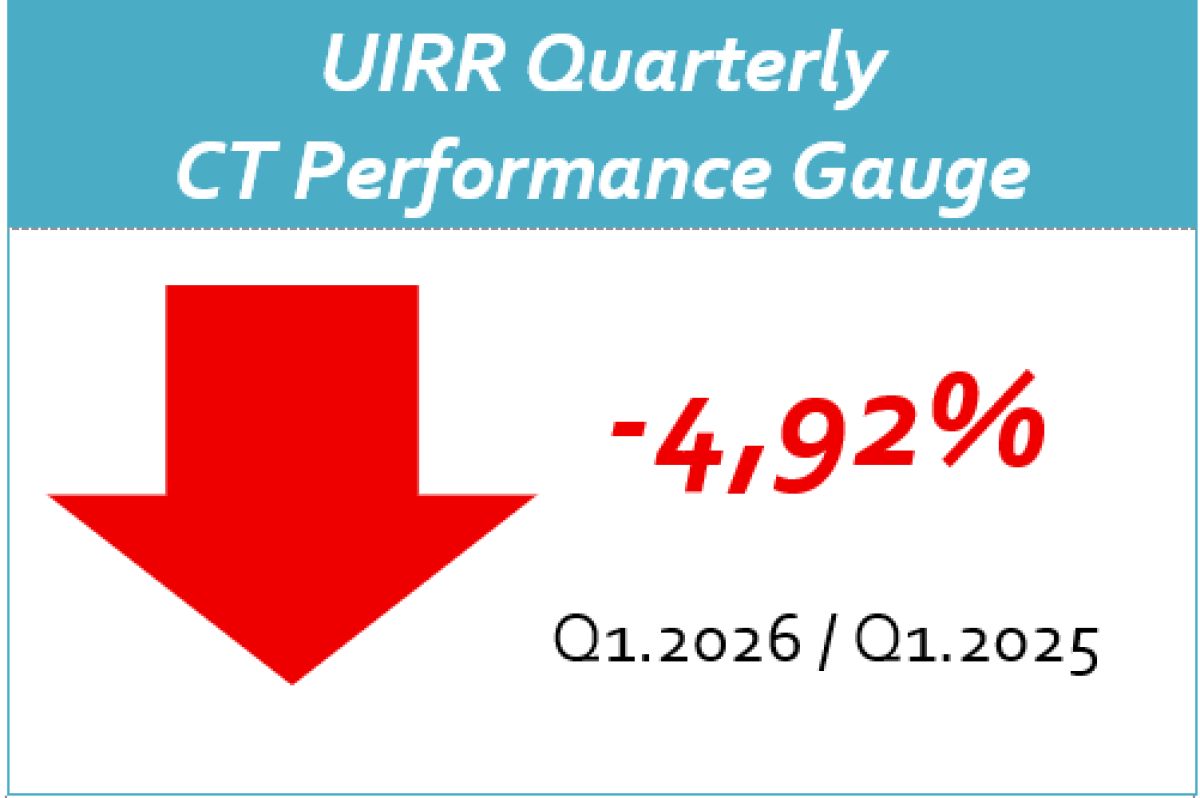
According to UIRR’s Quarterly Combined Transport Performance Gauge, the number of consignments transported in European combined transport fell by 4.9% in the first quarter of 2026 compared with the same period of 2025. The association described the contraction as both unexpected and significant.
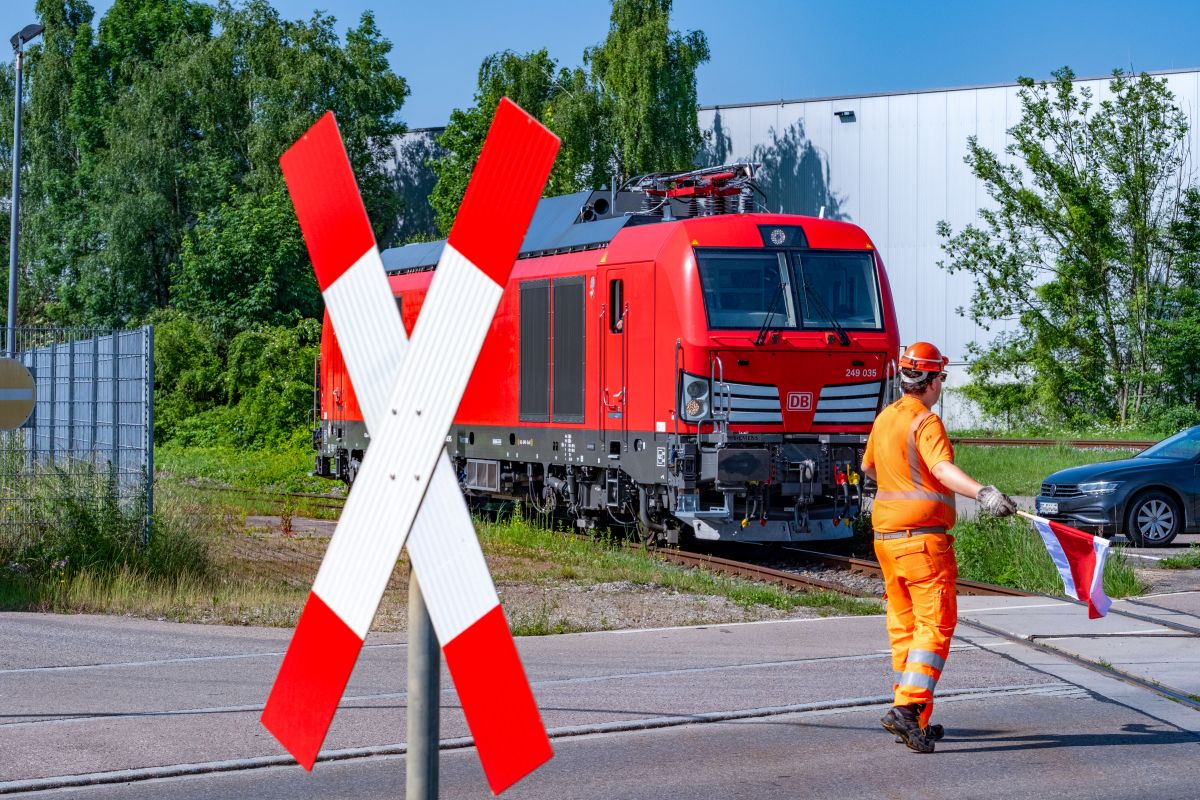
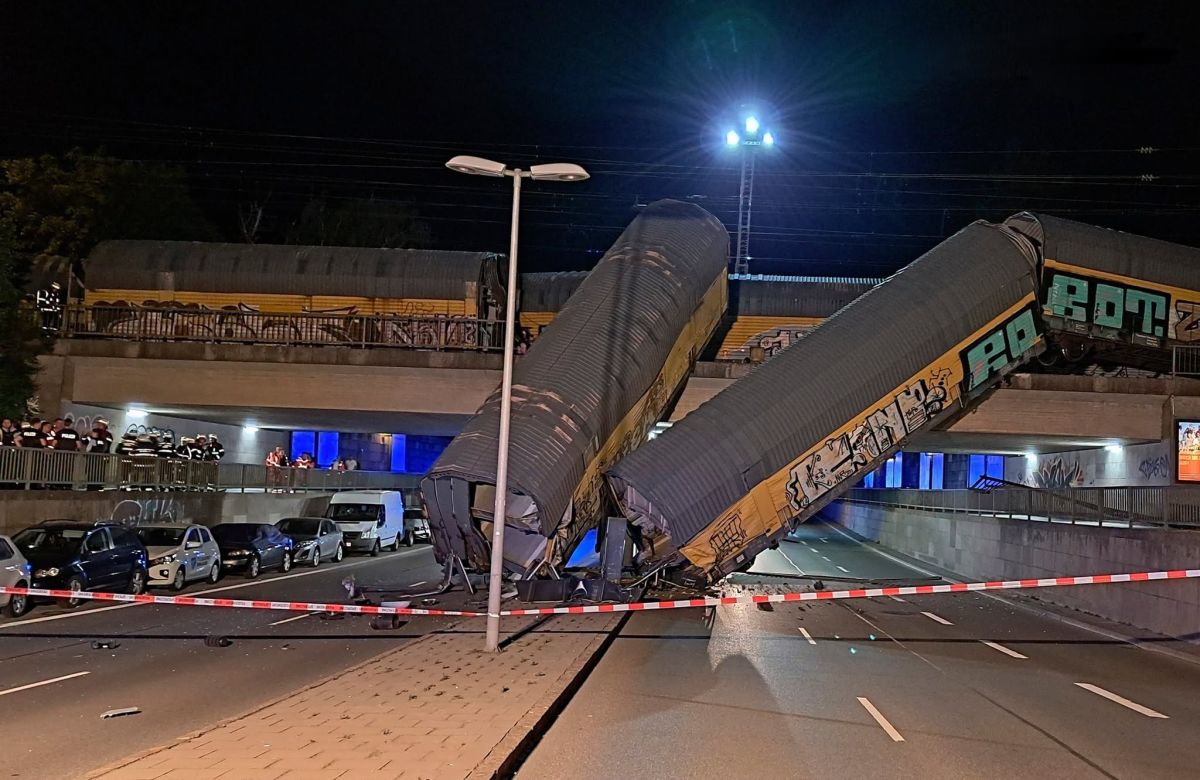
UIRR said the volume losses seen in 2025, mainly in Germany, continued into the first months of 2026. A key factor was what the association called “infrastructure chaos”, with intermodal freight trains not receiving sufficient diversion options around fully closed railway sections in Germany and other European countries.
The association also pointed to the high cost of diversion routes, which were sometimes several hundred kilometres longer and technically less suitable for freight trains. According to UIRR, these additional operating costs were not compensated.
The weak European economy added further pressure. Lower demand freed up road haulage capacity, making a reverse modal shift to trucking easier for shippers.
At the same time, UIRR noted that combined transport is less exposed to the energy crisis than diesel-dependent road haulage, because it is largely powered by electricity. However, state aid measures supporting trucking, together with continuing rail infrastructure constraints, limited the ability of combined transport to attract more long-distance freight from road.
The first quarter also included several policy and market events relevant to the sector. UIRR highlighted a military mobility event organised by LTG in Vilnius, where the role of intermodal rail freight in military logistics was discussed. It also pointed to the Amazon Expo in Brussels, presented as a sign of the online marketplace’s commitment to combined transport, and a European Parliament event on combined transport for island nations.
Business sentiment in the European combined transport sector has turned slightly negative for the next 12 months. UIRR said the main concerns are worsening rail infrastructure conditions, weak economic growth and difficulties in the maritime supply chain.
The report also shows that the sector remains active despite the downturn. In Spain, 399 new intermodal wagons were placed into service, including 80-foot and 90-foot wagons for containers and T4000 wagons for semi-trailers. UIRR also noted growing interest in transporting semi-trailers by rail between Ukraine and Europe, driven by driver shortages and war-related uncertainties.
In policy terms, UIRR welcomed changes to the TEN-T Regulation, saying that main lines and terminals should be upgraded to technical parameters needed for all forms of intermodal rail freight. The association also noted that the revision of the Combined Transport Directive remains politically relevant after the European Parliament rejected the withdrawal of the proposal.
Outside Europe, the report described North American intermodal freight as almost flat in Q1 2026. Total North American rail freight volume reached 8.24 million units, up 1.8% year-on-year, while intermodal shipping was 0.1% lower due to domestic inventory adjustments.
The report also included several personnel changes in the sector. André Böttcher was appointed Head of Sales/Marketing and Purchasing at DUSS. Michail Stahlhut, former Hupac CEO and UIRR Board Member, became CEO of Rail Innovators Group. Dirk Steffes was appointed Managing Director of Kombiverkehr KG, sharing leadership with Heiko Krebs.