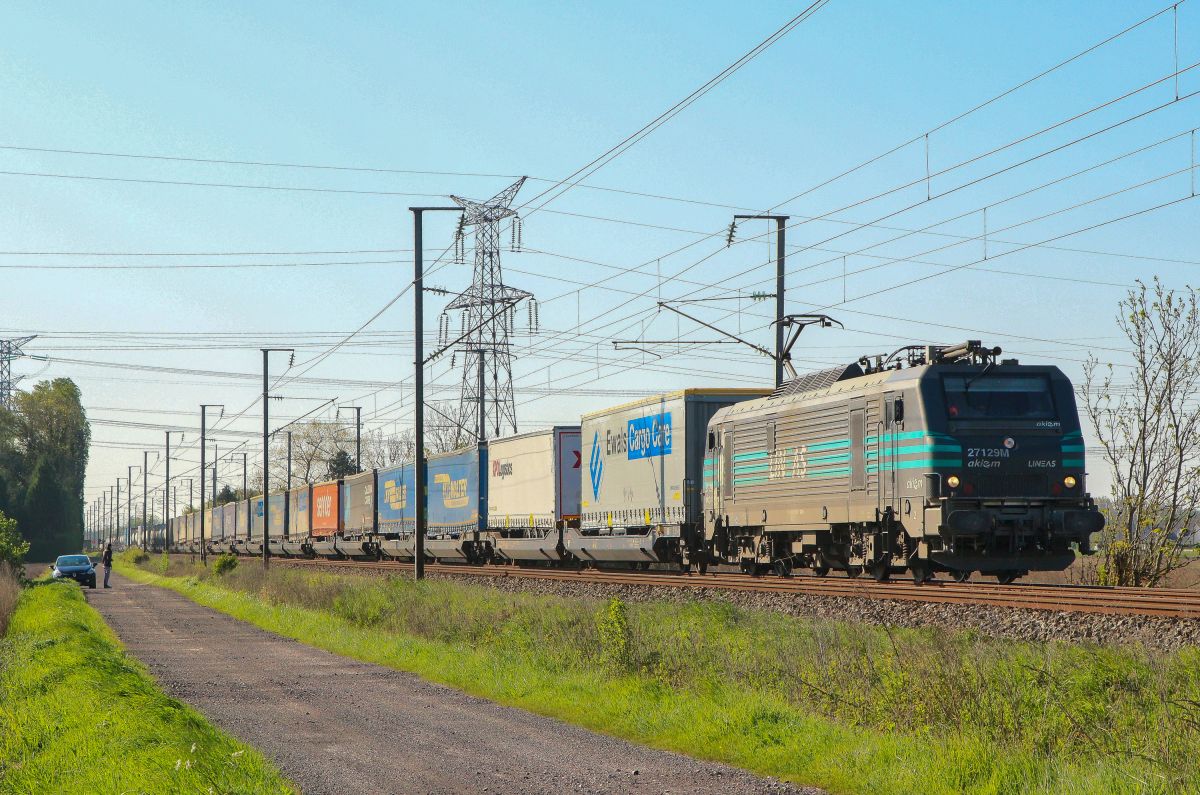
Rail freight transport performance in Hungary fell by 11% in 2025, measured in freight tonne-kilometres, according to HUNGRAIL's latest Rail Freight Cost Index.
HUNGRAIL reported that specific rail freight transport costs increased by 11.8% year-on-year in 2025 despite cost-cutting measures, organisational restructuring and workforce reductions across the sector. In the fourth quarter alone, costs per gross tonne-kilometre were 5% higher than a year earlier.
The association attributed the increase primarily to higher energy prices, rising track access charges, increased operating and shunting costs, and growing labour expenses. According to HUNGRAIL, reductions in corporate overheads were insufficient to offset these cost increases.
Demand conditions also weakened during the year. Hungary's foreign trade volumes declined, while transport-intensive sectors including construction and heavy industry recorded lower output, reducing demand for freight transport services.
While costs increased sharply, rail freight rates rose by an average of only 2% in 2025 compared with 2024. HUNGRAIL noted that, against average service-sector inflation of 6.7%, this represented a real-term decline of 4.7%. During the fourth quarter, freight rates decreased by 1.4% in nominal terms.
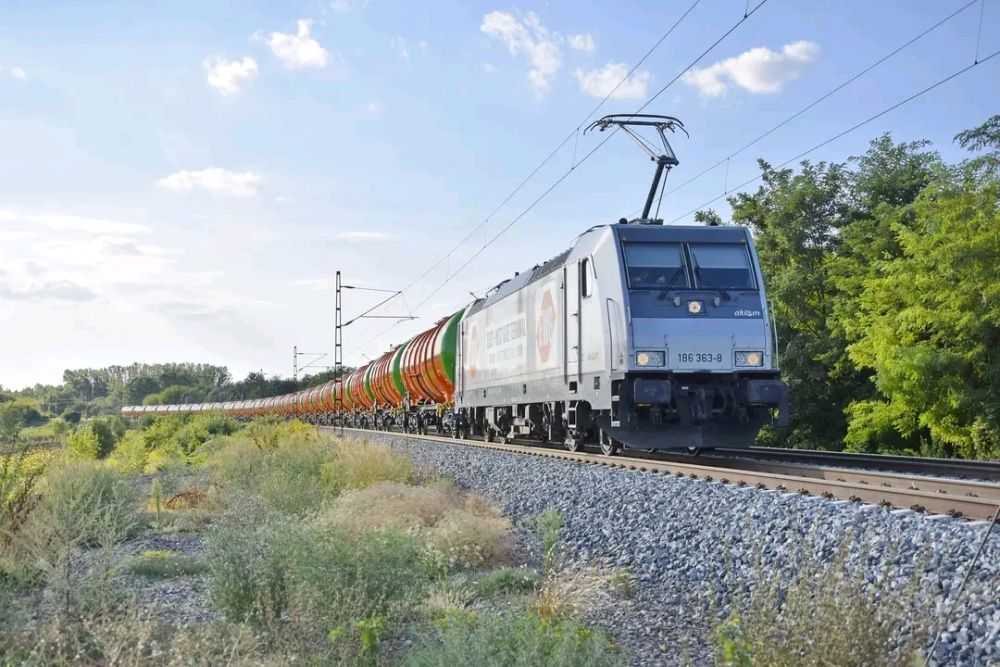
According to the index, rail freight operators would have required a further 9.8% increase in rates during 2025 to fully compensate for rising costs. HUNGRAIL said competition from road transport and weaker demand limited operators' ability to pass higher costs on to customers.
The association warned that declining order volumes and deteriorating profitability are creating challenges for rail freight operators and the wider logistics sector. It called for government measures to improve the economic sustainability of rail freight transport.
HUNGRAIL identified several policy measures included in its VÁGTA programme, including the reintroduction of support for single-wagonload traffic, a review of track access charges, the introduction of combined transport subsidies and incentives to reactivate industrial sidings and last-mile rail connections. According to the association, fewer than half of Hungary's 944 sidings are currently active in rail logistics.
The organisation also called for the extension of regulated fuel pricing mechanisms to rail operators, reductions in system usage fees and changes to the recovery of costs associated with Hungary's mandatory renewable energy support scheme. HUNGRAIL estimates that these charges add HUF 3-5bn (EUR 7.5-12.5m) annually to freight operators' costs.
Looking ahead, HUNGRAIL said rising energy prices and global logistics uncertainty could place additional pressure on the sector during 2026, further affecting demand and profitability.