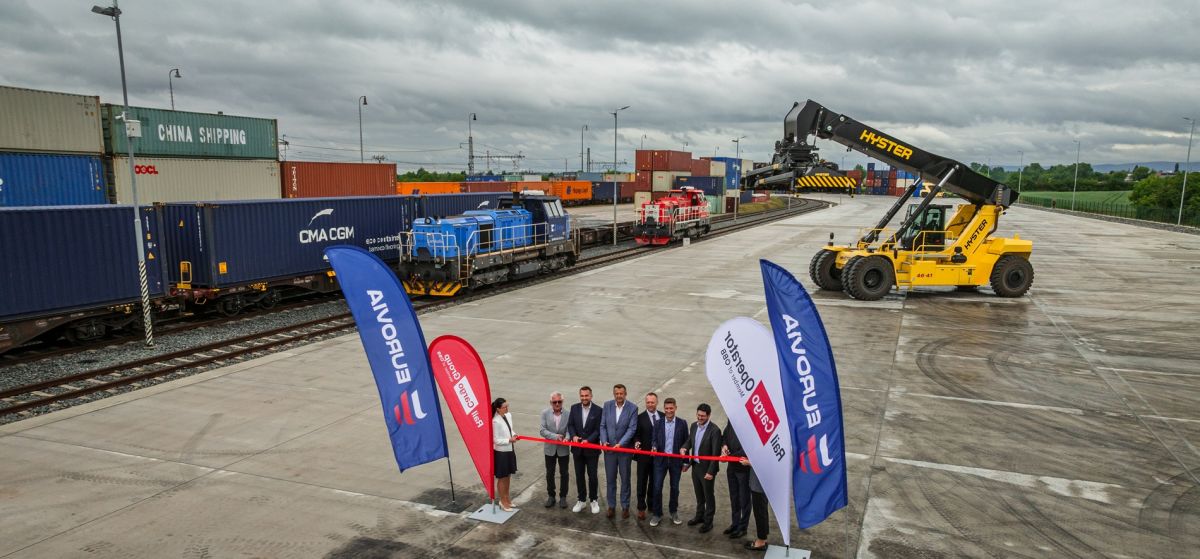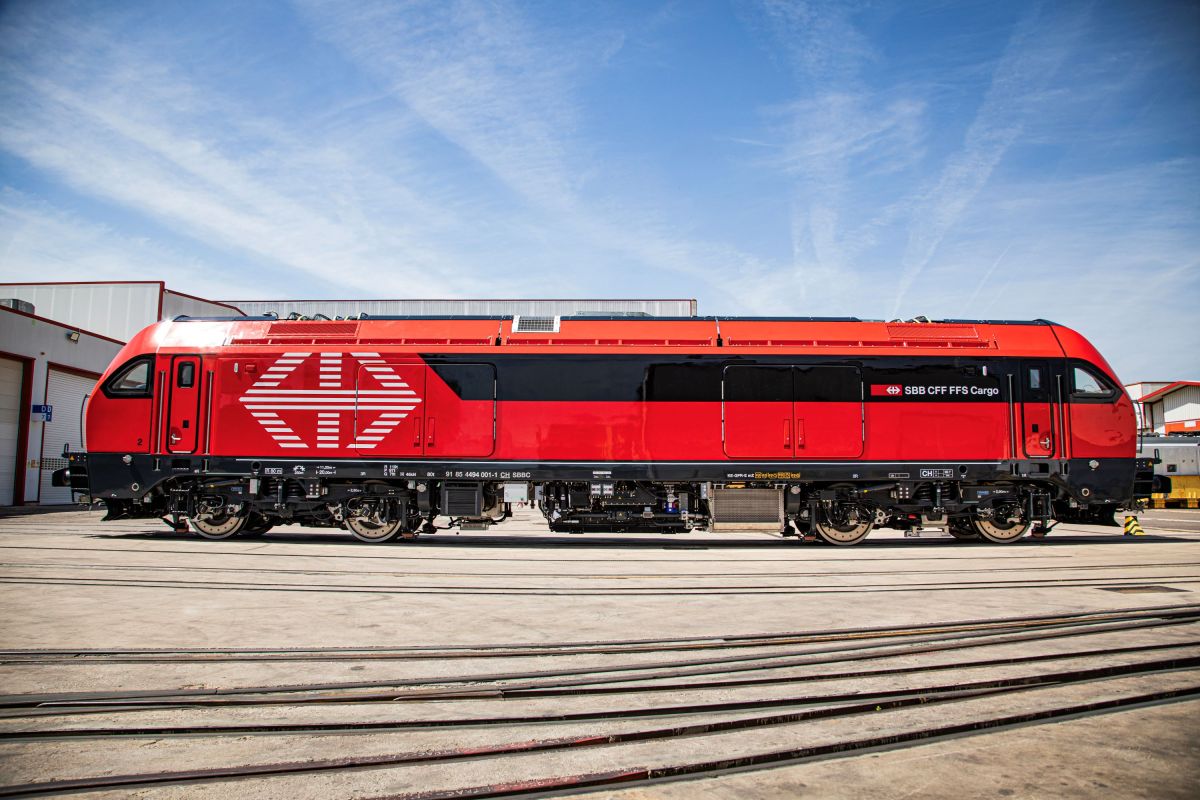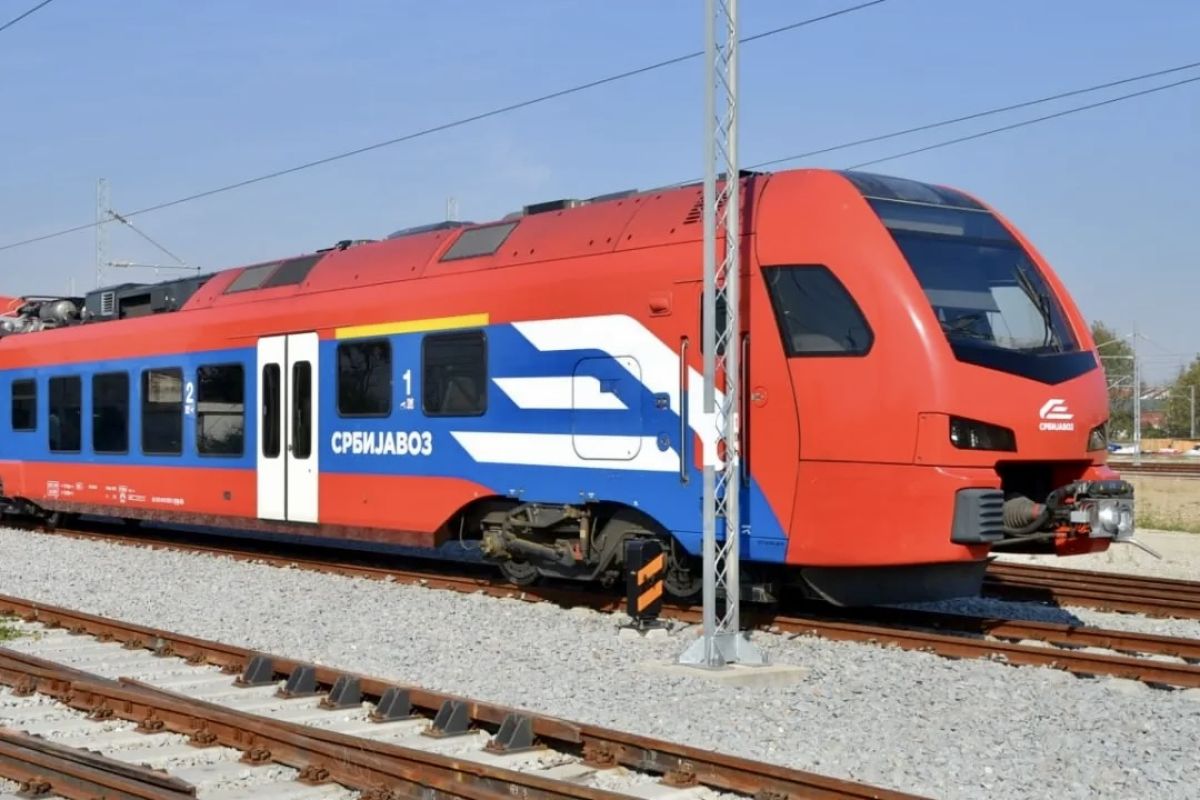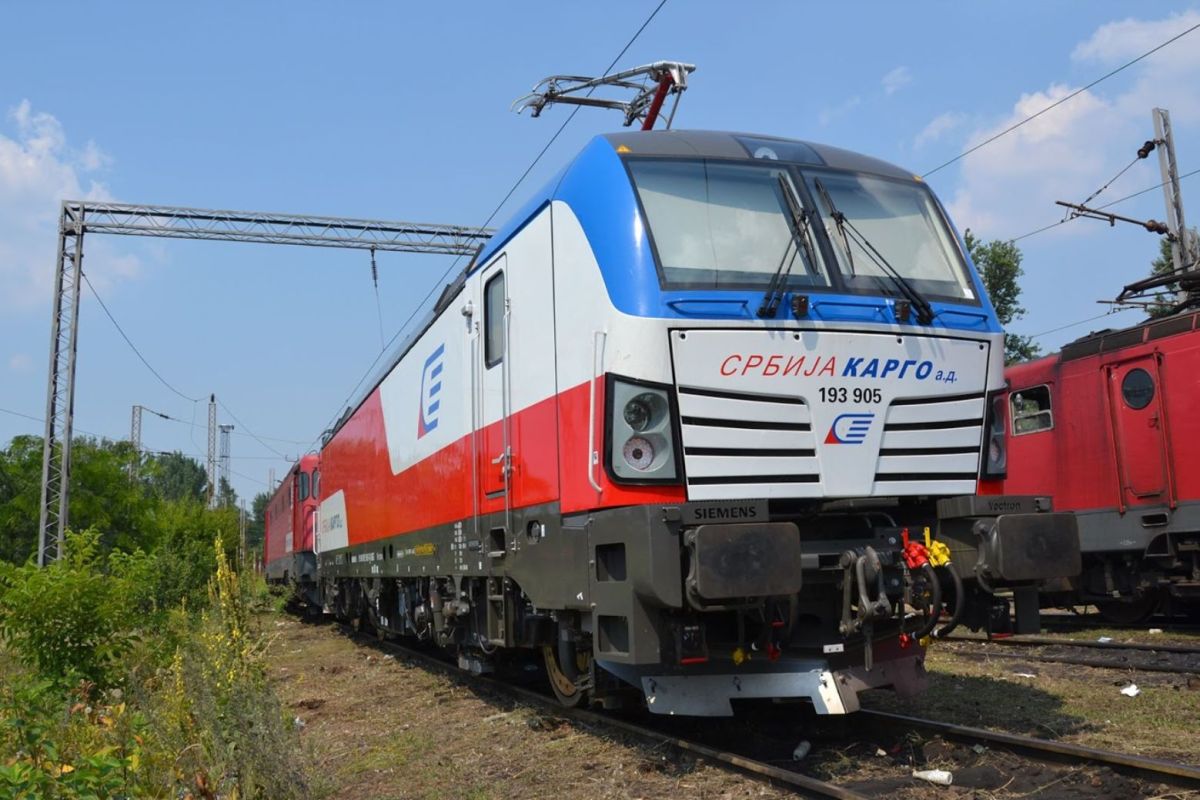
Srbija Kargo, Rail Cargo Hungaria, and Železnice Republike Severne Makedonije Transport have signed a Memorandum of Understanding (MoU) to synchronise rail freight services between Central Europe and the Balkans.
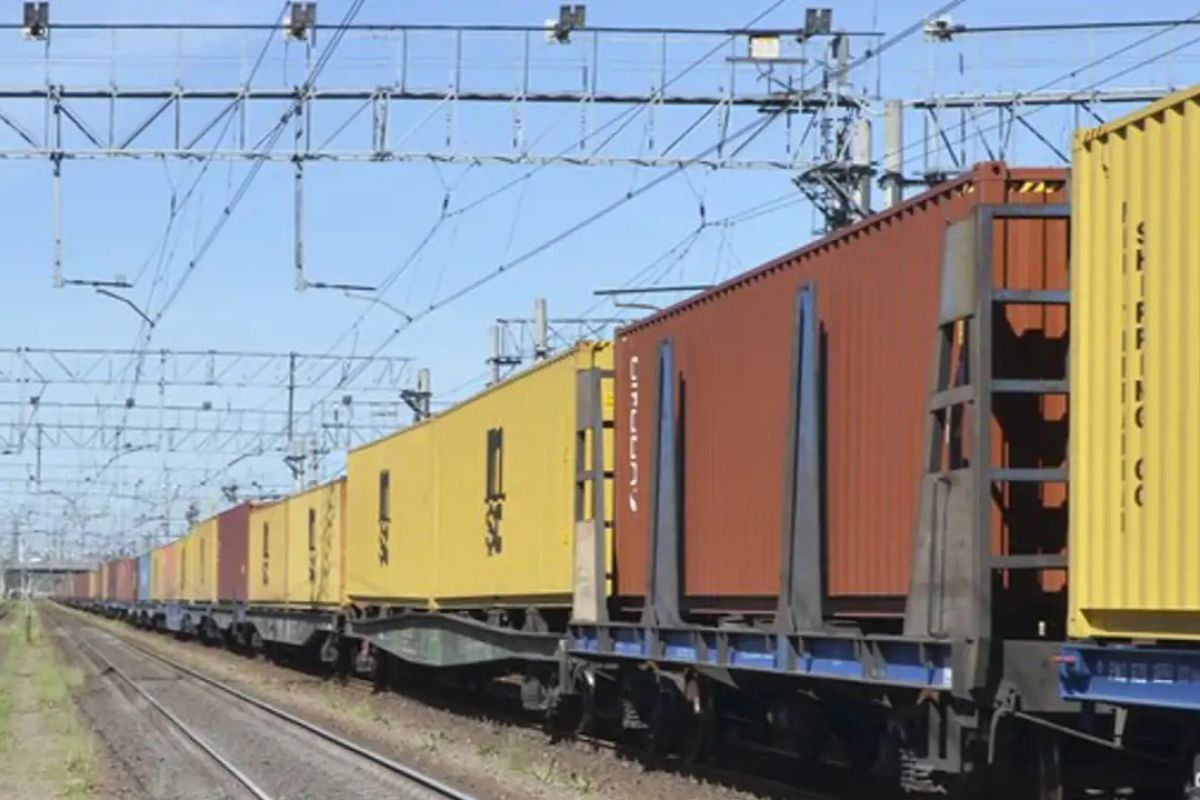
The agreement prioritises the development of the Budapest–Belgrade high-capacity line as a primary corridor for two main traffic flows: China–Europe transit and intermodal maritime cargo moving between European ports and inland terminals.
Operational and technical integration
The trilateral cooperation outlines a shift toward interoperable digital solutions to reduce transit times and operational costs. Key technical commitments include:
- Border Procedures: Streamlining customs and frontier transitions to eliminate administrative bottlenecks.
- Digitalisation: Implementing electronic waybills and real-time tracking systems across the three networks.
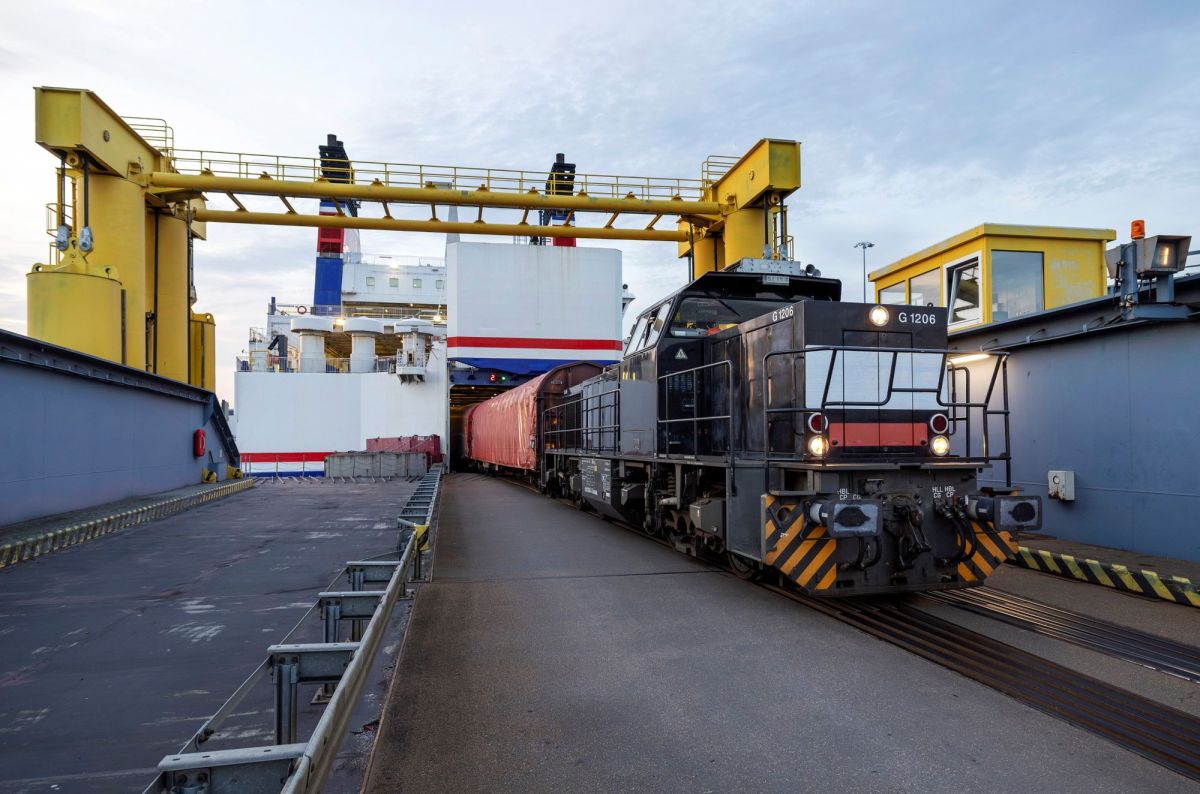
- Intermodality: Focused expansion of container and semi-trailer transport to capture market share from road haulage.
- Infrastructure Coordination: Aligning service levels and maintenance schedules to ensure predictable timetables for international operators.
Strategic corridor development
The MoU positions the Western Balkans as a critical link for the TEN-T extensions and the "Land-Sea Express" route from the Port of Piraeus. By integrating rail transport routes between the Western Balkans and Central Europe, the signatories aim to improve the economic competitiveness of the region's logistics sector.
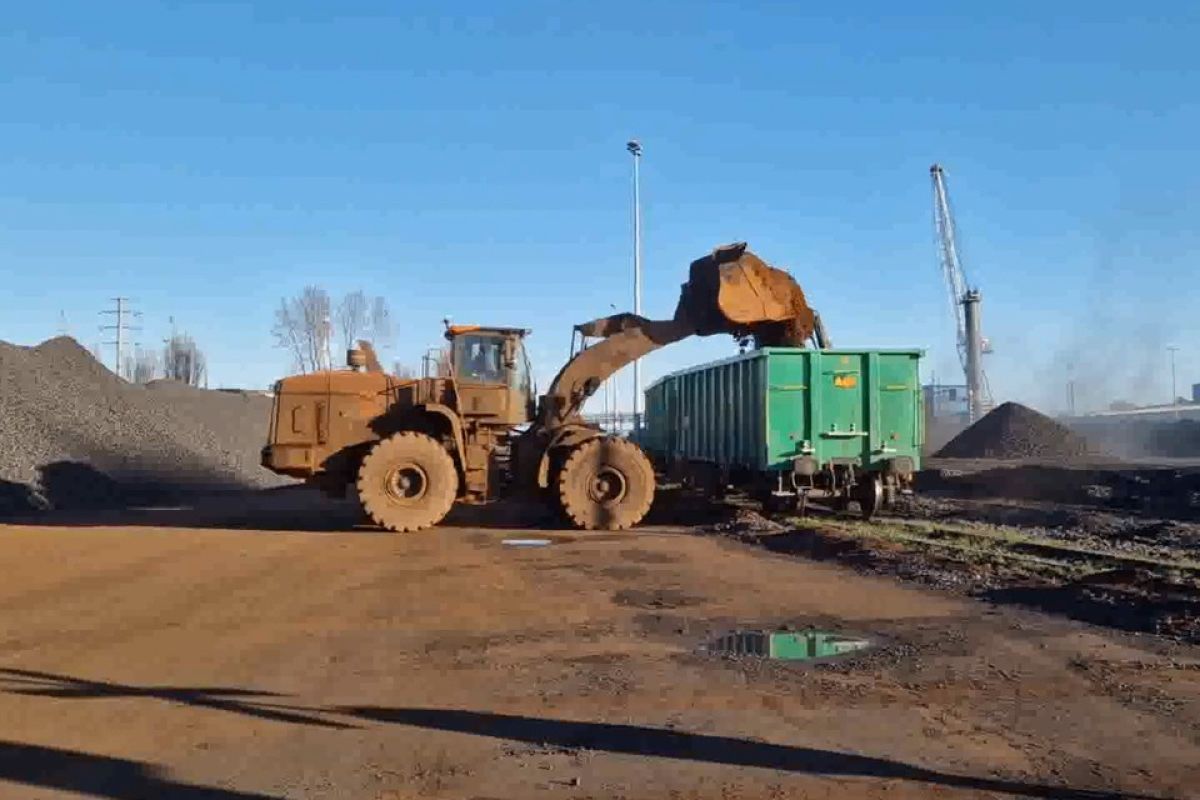
The partnership also covers the exchange of professional expertise and joint representation before international railway organisations. Beyond immediate commercial gains, the agreement emphasizes the reduction of environmental impact by shifting heavy bulk and transit goods from the regional road network to electrified rail corridors.
Future activities under the memorandum will include joint marketing to promote the region's logistics potential and coordinated applications for European and regional infrastructure funding to modernise rolling stock and terminal facilities.