DB Cargo Romania has expanded its operations over the past two decades to become one of the largest private rail freight operators in the country, with a focus on international traffic linking Central Europe with Southeast Europe and the Black Sea region. The company operates as part of DB Cargo’s Southeast Europe structure.
DB Cargo Romania is the second-largest private rail freight undertaking in Romania by market share. Its activities include long-distance traction, shunting, industrial siding services, and rail connections to terminals and ports.
Management structure and continuity
DB Cargo Romania has been led since December 2008 by Eduard Iancu, who serves as chief executive officer and chairman of the board. Since 2021, Iancu has also held responsibility for DB Cargo’s Southeast European activities at group level.
During this period, DB Cargo Romania increased its share of the Romanian rail freight market from a marginal position to over 12%, based on company figures. Fleet size and staffing levels were expanded in parallel as operations moved beyond domestic services toward cross-border traffic.
Integration into DB Cargo’s Southeast Europe network
DB Cargo Romania is part of DB Cargo’s Southeast Europe cluster, which covers operations in Romania, Bulgaria, Serbia, Greece, Moldova and Turkey. The cluster records approximately three million train-kilometres per year and annual revenue of around EUR 100m.
Key operational nodes include Curtici on the Hungarian border, Giurgiulesti in Moldova, the port of Constanța, and Bulgarian gateways such as Ruse, Varna and Burgas. These locations support transit flows between Western and Central Europe, the Balkans and maritime routes via the Black Sea.
Fleet composition and traffic profile
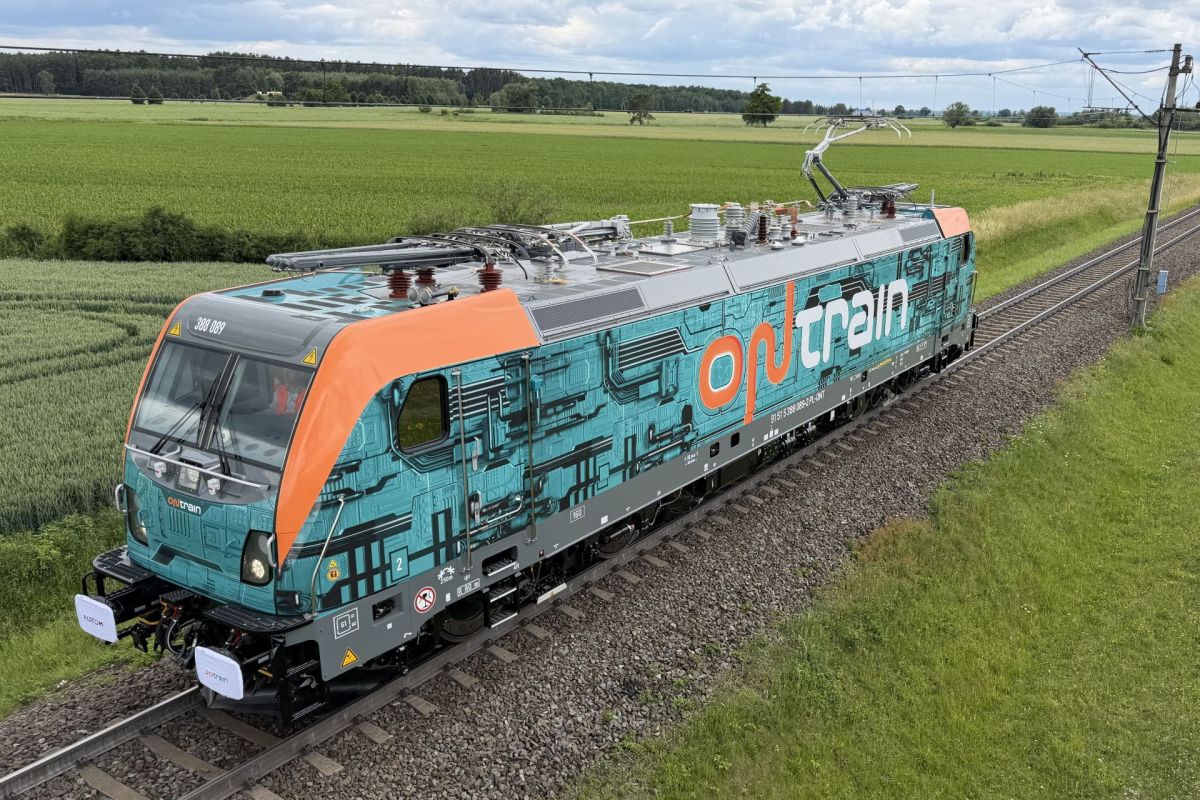
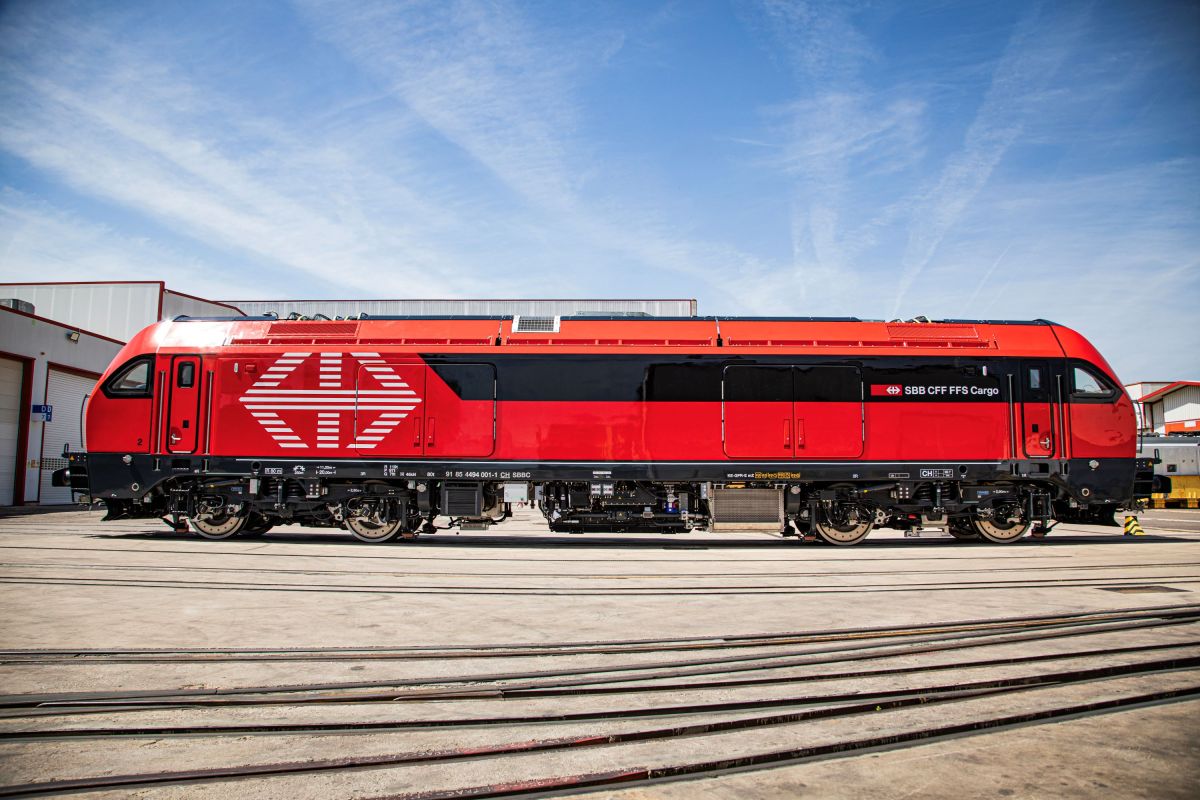
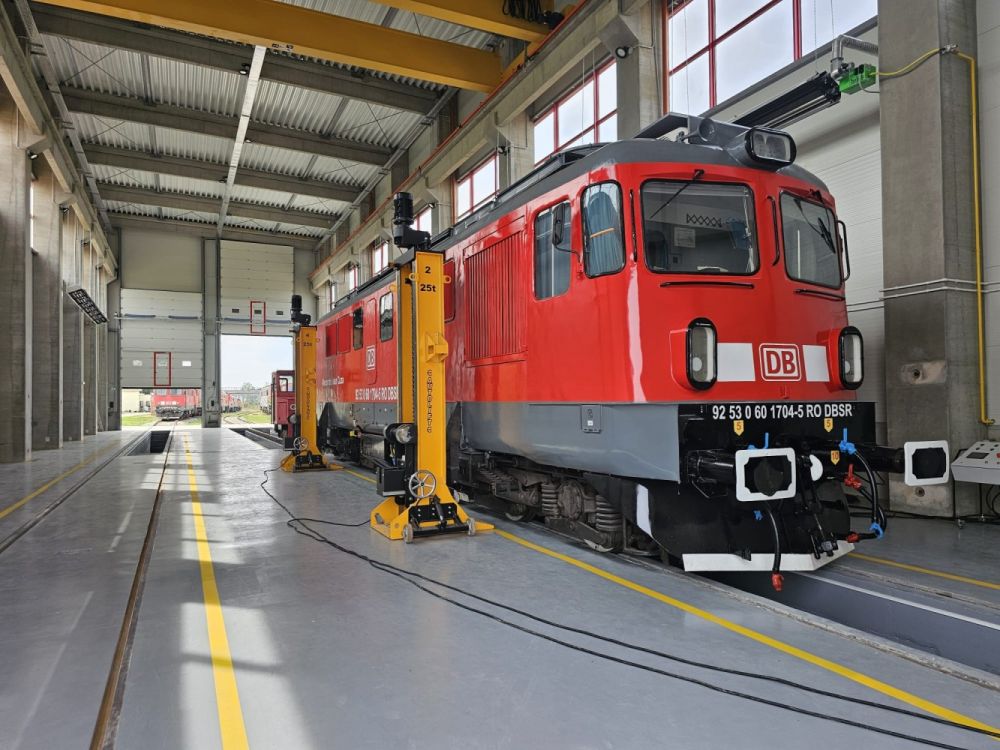
The Romanian operation runs a mixed locomotive fleet, combining electric locomotives for international mainline traffic with diesel and hydraulic locomotives used for shunting and industrial services. The wagon fleet covers bulk, conventional and intermodal traffic.
Cargo segments handled include agricultural products, construction materials, metals, chemicals, automotive traffic and intermodal units. A significant share of volumes is linked to port-related traffic and cross-border movements rather than purely domestic flows.
Role in grain and transit movements
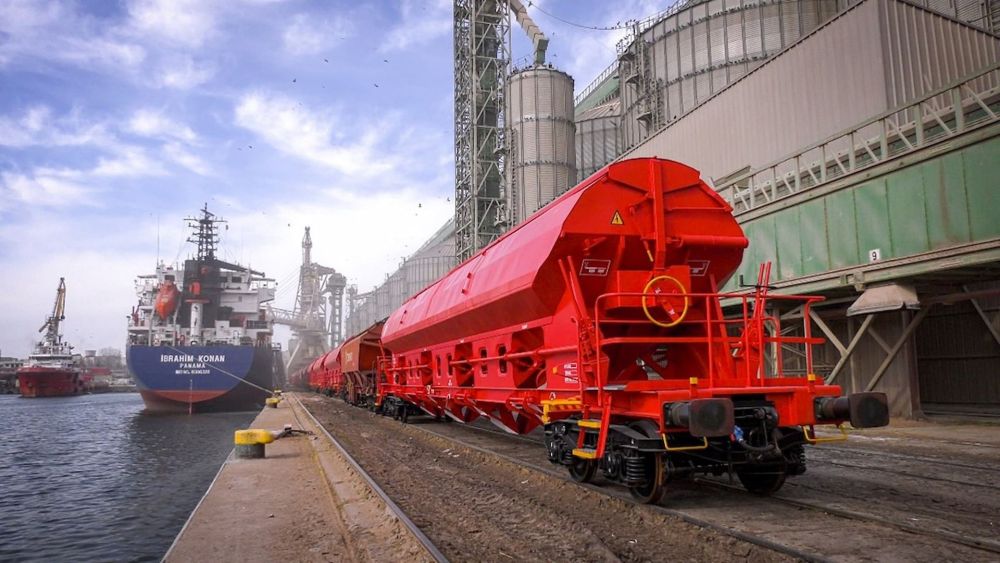
Romania’s position as a major agricultural producer and Black Sea export hub has increased the importance of rail freight in grain logistics. DB Cargo Romania operates grain wagon fleets and provides services linked to the port of Constanța, as well as cross-border traffic towards Moldova and Ukraine.
In 2022, more than eight million tonnes of Ukrainian grain were transported via Romania, according to sector data, as alternative export corridors were developed following disruptions to Black Sea shipping. Rail operators active in Romania, including DB Cargo Romania, were involved in these transit flows.
Corridor focus and operational priorities
DB Cargo Romania’s operations are concentrated on international corridors, including routes aligned with the Rhine–Danube TEN-T corridor. The company has indicated priorities including fleet renewal, interoperability and the development of intermodal services, in line with DB Cargo’s wider European network strategy.
The Romanian subsidiary functions primarily as a corridor operator within a regional structure, with traffic volumes and service patterns shaped by cross-border demand and port-related flows rather than domestic-only rail freight.