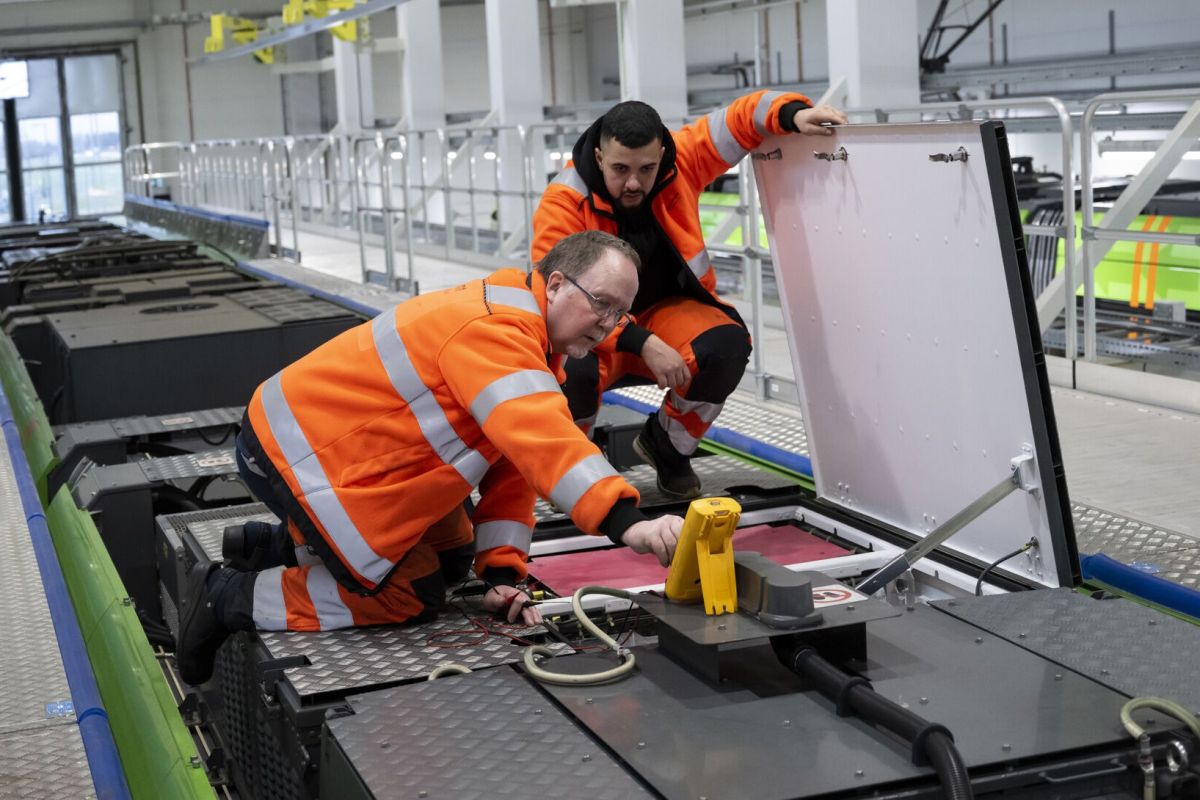
According to data tracked since 2018, comparable emissions had dropped by approximately 20 percent by the end of 2024. The reduction was attributed to operational streamlining and changes in traffic structure. The majority of SSAB’s annual volume of approximately 1.5 million tonnes of steel is moved by rail across Finland. This includes raw material from the Raahe mill and finished steel from the Hämeenlinna facility towards ports.
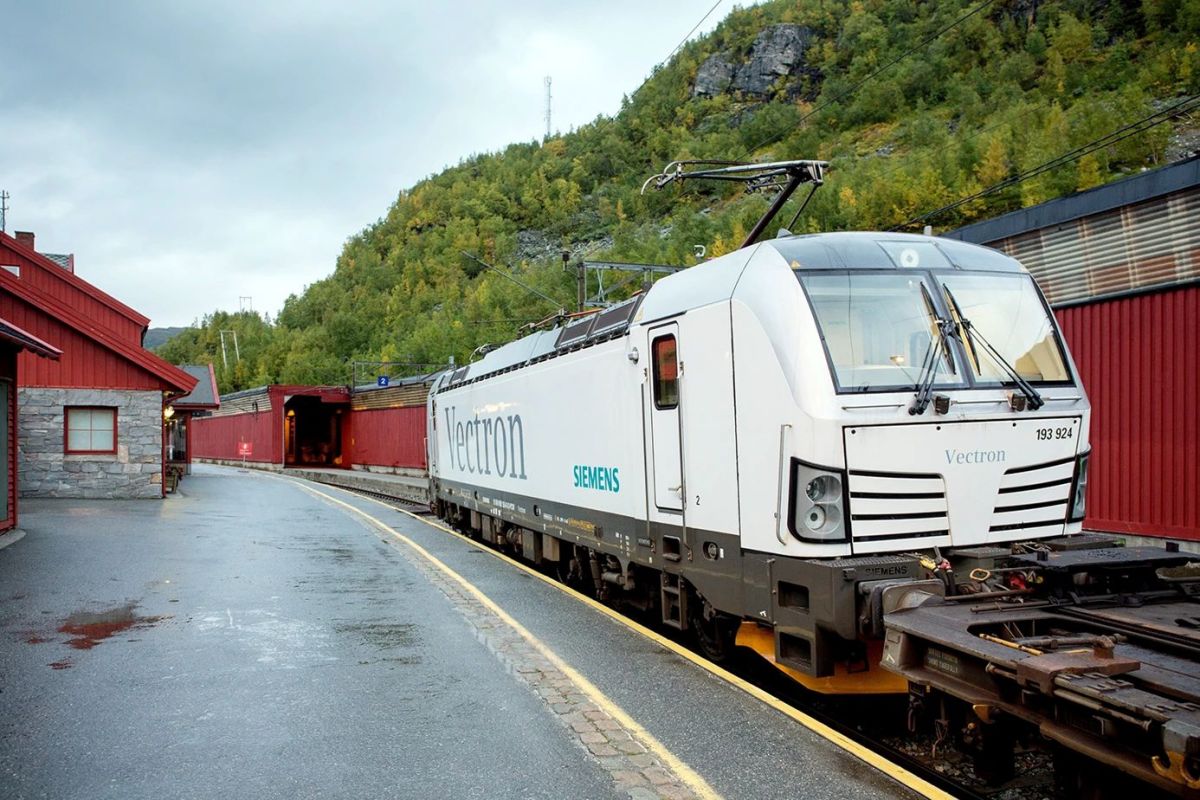
One of the most visible changes to the transport setup has been the introduction of electric traction on the Hanko line, operational since February 2025. Previously operated with diesel locomotives, the corridor had been responsible for a large share of rail transport emissions due to high volume. The electrification project reduced traction emissions from that segment by about 60 percent.
In addition to the infrastructure upgrade, VR Logistics has rolled out Dr19 diesel locomotives for shunting operations at SSAB’s Hämeenlinna and Raahe sites. The new locomotives replaced older units and are used primarily for internal factory rail movements, including operations inside enclosed facilities. The fleet change reduced energy consumption and emissions, and the number of locomotives required for selected duties has been halved.
The combined effect of electrification, locomotive renewal, and operational changes has led to an overall reduction in energy consumption of over 70 percent compared to the original baseline.
Customer forecasting and wagon utilization central to emission reduction
The two companies focused on train loading rates and timetabling as part of their logistics cooperation. The freight model includes transport of coils, steel plates, and recycled material. A major part of the optimization involved planning wagons and traction resources to keep occupancy rates high and the number of train-kilometres to a minimum.
An emphasis was also placed on regular updates from the customer side, with SSAB providing projected loading data to adjust rail capacity and schedules. The approach aims to lower energy consumption per tonne transported.
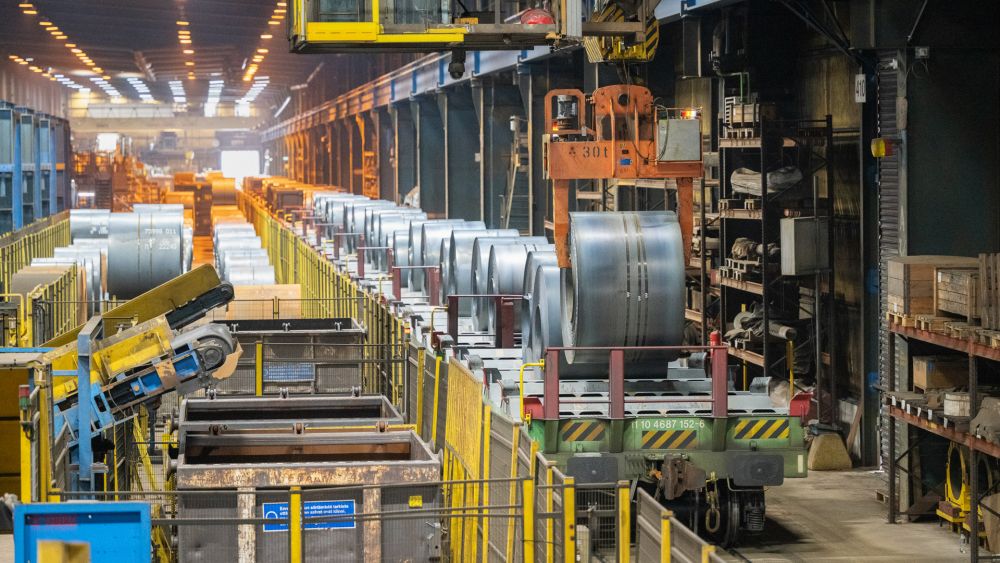
Tailored equipment introduced for coil transport
A further area of joint work has been product-specific adaptations. Narrow web coils — cut longitudinally from standard coils and considered less stable in transport — led to the development of support frames for the rail wagons used. According to VR Logistics, these adaptations improved cargo security.
New equipment concepts for transporting other types of steel products are under review, and cooperation on these areas is continuing.
Production still carbon-intensive, but low-carbon transition underway
The rail-related emission reductions form part of SSAB’s broader emissions policy, but the company acknowledges that the steelmaking process itself remains a major source of CO₂.
At present, the Raahe mill is Finland’s largest point source of emissions. SSAB has already invested in low-carbon production at its Swedish sites, with an electric arc furnace at Oxelösund scheduled for late 2026 and a new minimill at Luleå planned for 2028. Raahe is expected to follow.
The company aims to transition to low-carbon steel production methods including SSAB Zero™ and SSAB Fossil-free Steel™, with electric rail transport cited as part of the distribution strategy.
Financial scope of production transition
SSAB has publicly committed to large-scale investment in this transformation. Although the Finnish-specific figures are not provided, SSAB’s overall capital expenditure related to the low-carbon transition has been valued at several billion euros across all facilities. The project timeline runs through 2030.
Electrified rail corridors and low-emission traction systems remain part of the logistics structure supporting this transition. The companies continue to coordinate efforts on emissions, with VR Logistics providing traction and shunting services based on infrastructure availability and cargo flows.