Správa železnic (SŽ) is overhauling the way it procures construction works, technology, services and materials, in a move that could significantly change access to the Czech rail market for contractors and suppliers.
For companies active in rail infrastructure, the message is straightforward: fewer oversized bundled contracts, easier qualification, more specialist packages and stronger use of digital procurement tools.
From large packages to more open competition
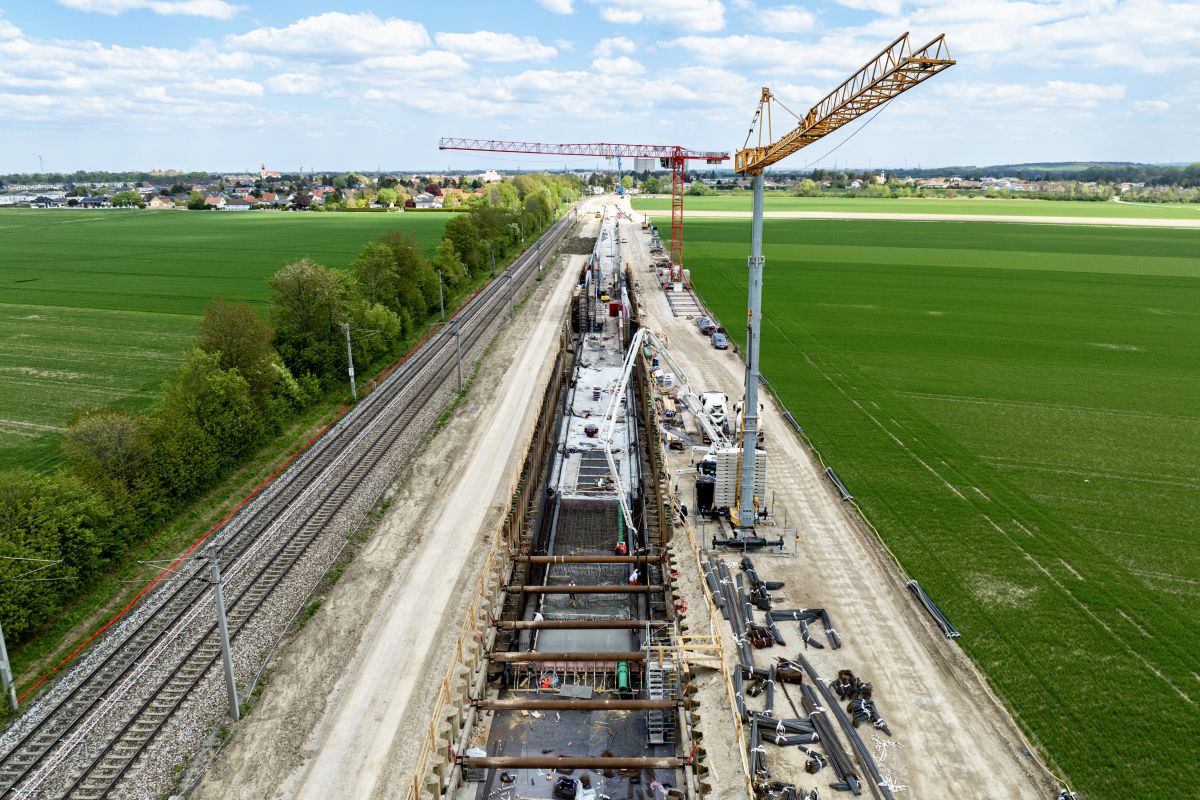
At the core of the reform is a shift away from large all-in contracts towards tendering by trade. In practice, this means more projects are expected to be split into separate packages covering areas such as infrastructure works, traction and power supply, signalling, telecoms, ETCS or GSM-R.
For suppliers, this is one of the most important changes. Instead of entering projects only through a general contractor, more specialist firms should be able to bid directly.
SŽ says the model will still keep a unified project structure, with one design basis, one site, one closure plan and central coordination. But commercially, the market should become more open.
Qualification rules are being eased
SŽ is also lowering entry barriers in qualification. For major construction contracts, reference periods are being extended, required reference values reduced and experience thresholds eased.
Among the headline changes:
- longer time window for eligible references
- lower aggregate value of references
- lower requirements for site managers
- shorter required experience on reference projects
- fewer specialist positions subject to formal qualification
The authority is also considering accepting selected road construction references, allowing smaller projects to be combined and reducing some specialist competence requirements.
For foreign and new entrants, other changes matter as well: Czech language is no longer required at qualification stage, foreign documents for specialists will be easier to use, and bid security caps are lower.
Overall, the direction is clear: wider access without formally lowering safety standards.
ISKD becomes a key access point
For below-threshold contracts, the ISKD supplier qualification system is becoming increasingly important.
SŽ presents it as a permanent pre-qualification gateway for lower-value contracts, not a closed club. Registration is valid for three years, suppliers do not need to prove qualification repeatedly in every tender and registered firms are invited automatically to relevant procedures.
That makes ISKD especially important for firms targeting recurring regional works, smaller renewals, maintenance or mid-sized specialist contracts.
For many suppliers, the practical conclusion is simple: if you want to work for SŽ, register early rather than waiting for a specific opportunity.
E-ZAK is still the main procurement channel
All tender procedures continue to run through the E-ZAK electronic platform, which remains the main place where suppliers will find notices, documentation, clarifications, invitations and award decisions.
For contractors, that means two things:
- monitor E-ZAK closely
- keep company data, contact details and tender documents ready
In a market that is becoming more segmented and more active, missing a tender window may simply mean missing the contract.
What this means for suppliers
For RAILMARKET readers, the new setup changes not only the rules, but also the strategy for how to approach SŽ.
Companies should first identify where they fit best: infrastructure, traction, signalling, telecoms, materials, design, certification-driven products, maintenance or consortia for larger projects.
They should also review their references now, especially if the new rules could allow them to qualify under eased conditions. Firms supplying products or systems should prepare for updated certification processes, while larger contractors should also expect growing emphasis on BIM, common data environments and more digital project coordination.
The bottom line
Správa železnic is not just adjusting tender documents. It is redesigning the procurement model to attract more suppliers, expand competition and give specialist companies a larger role.
For the market, that creates opportunity — but only for firms that prepare in advance. The companies most likely to benefit will be those that understand the new structure early, get into the right systems and position themselves before the next wave of tenders is launched.