The Association of European Rail Rolling Stock Lessors (AERRL) has outlined its strategic focus and leadership continuity following the recent General Assembly in Madrid.
Leadership stability for strategic continuity
Fabien Rochefort (Akiem) has been re-elected as Chair of AERRL, alongside Vice-Chairs Bart Lam (Beacon Rail Capital Europe) and Torsten Lehnert (Railpool), and board members Volker Simmering (Northrail) and Carmen Garcia Cristobal (Renfe Alquiler). This continuity is intended to ensure stability during the association's ongoing developmental phase.
Decarbonization as a priority
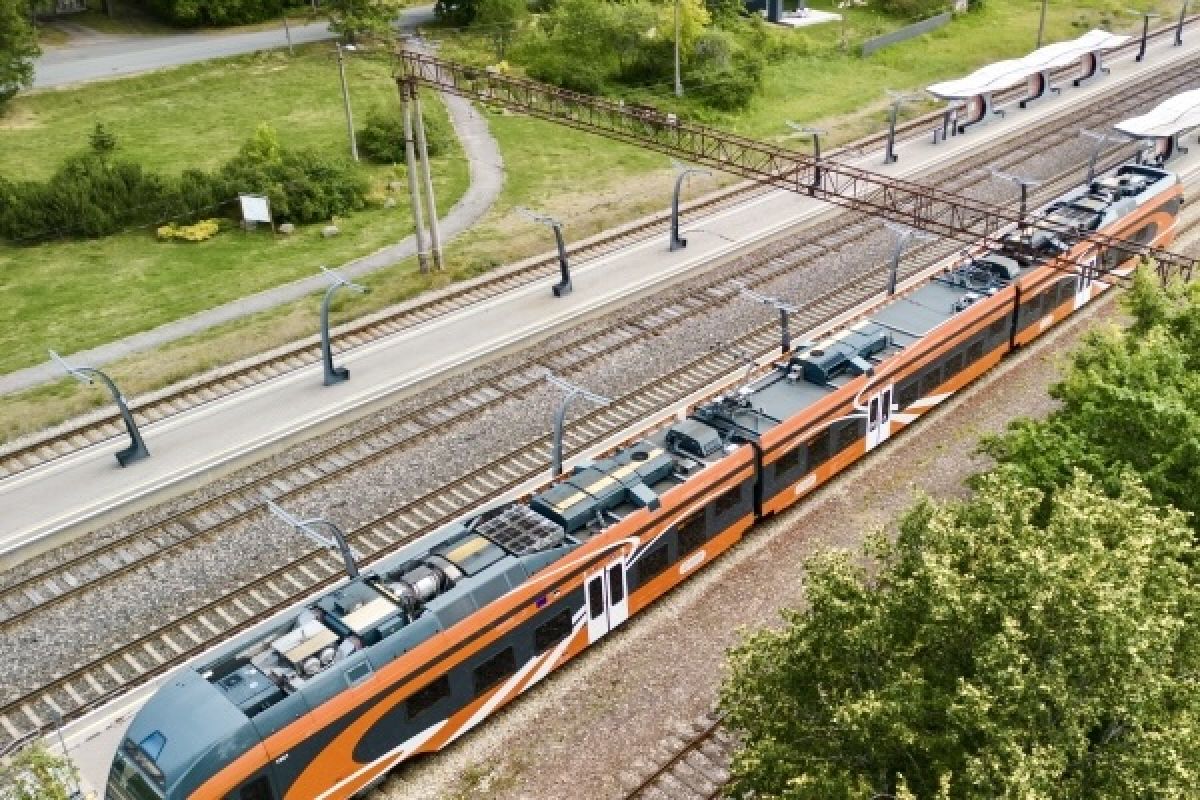
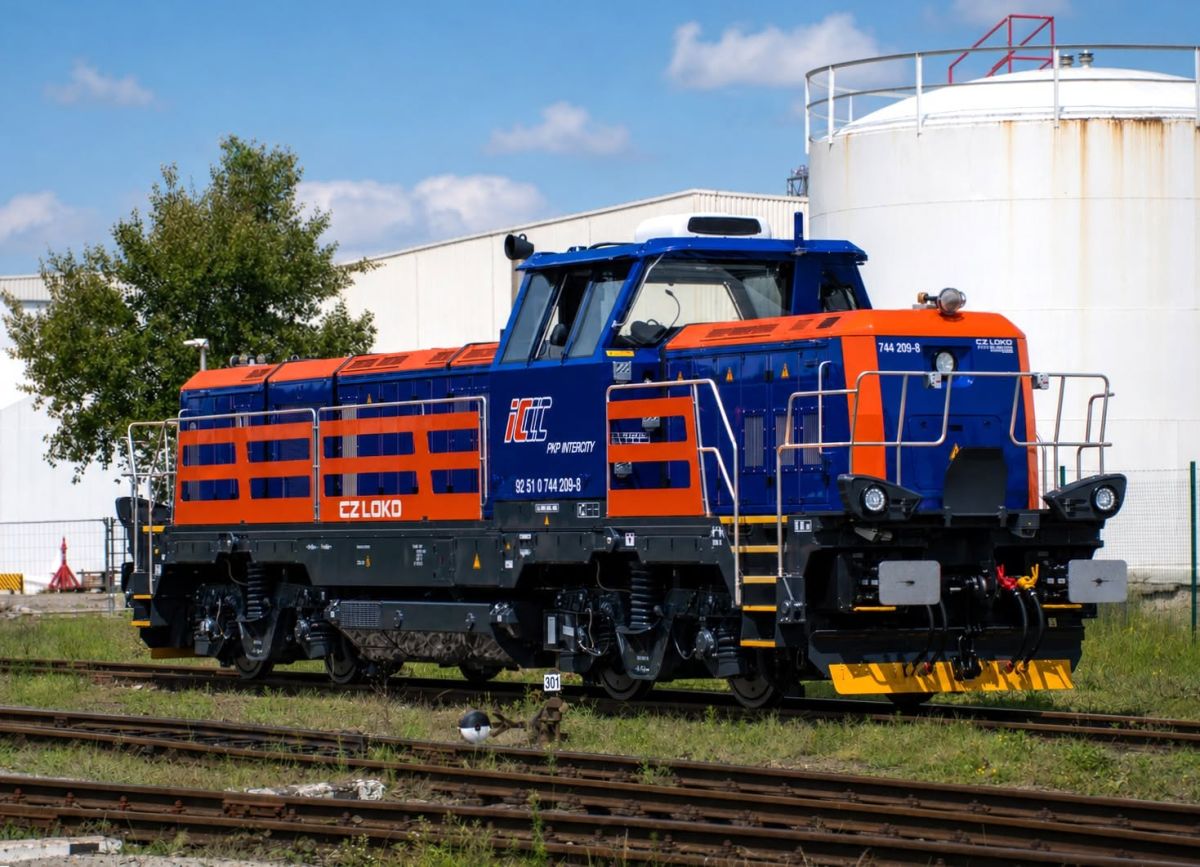
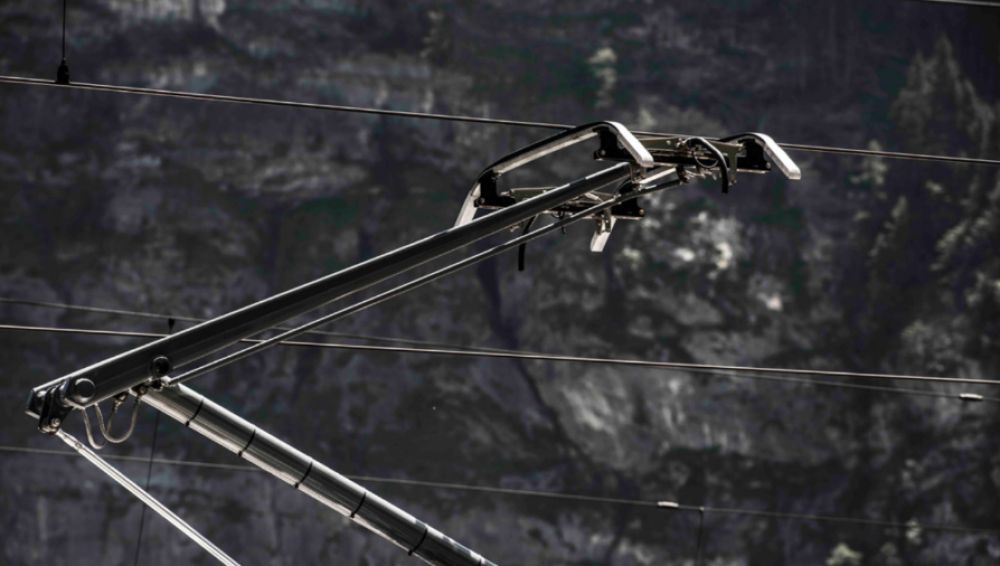
AERRL emphasized the role of rail transport in reducing CO2 emissions, aligning with European climate goals. Rail, recognized as one of the most CO2-efficient modes of transport, is positioned as a key component in achieving net-zero targets. Current lessor investments include modern propulsion technologies, such as hydrogenated vegetable oil (HVO) for short-term CO2 reductions and hybrid systems combining battery and electric power for non-electrified routes. Electrification remains central, with 80% of newly leased locomotives being electric.
Hydrogen and renewable fuels are also identified as complementary solutions. However, barriers such as cost, production capacity, and technological limitations present ongoing challenges. The association supports further research into these technologies to accelerate their implementation.
Advancing ERTMS deployment and digitalization
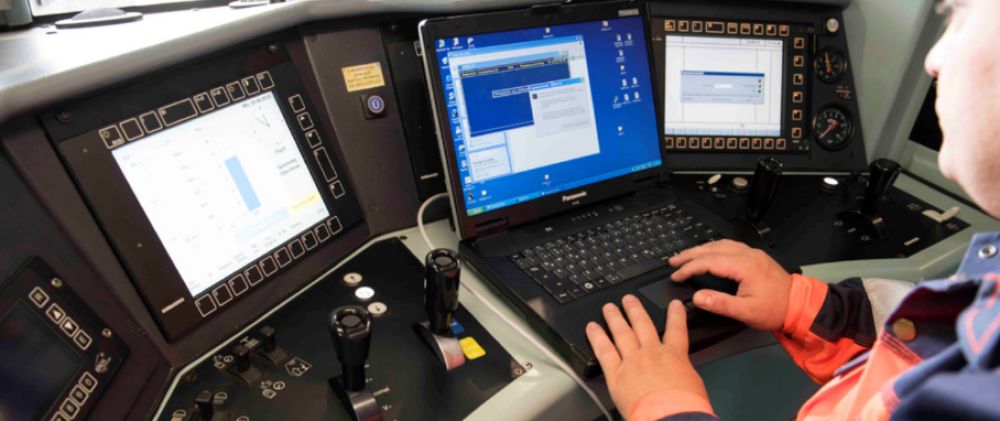
The deployment of the European Rail Traffic Management System (ERTMS) remains a cornerstone of AERRL's strategy. While 14% of the revised CNC network and 18% of European locomotives are equipped with ERTMS, the system is still fragmented due to uncoordinated implementation. AERRL advocates for the harmonized deployment of ERTMS BL3.4 as a unified standard and integration with the Future Railway Mobile Communication System (FRMCS). Lessors emphasize backward compatibility to avoid limiting the use of existing locomotives.
Investments in rolling stock and maintenance
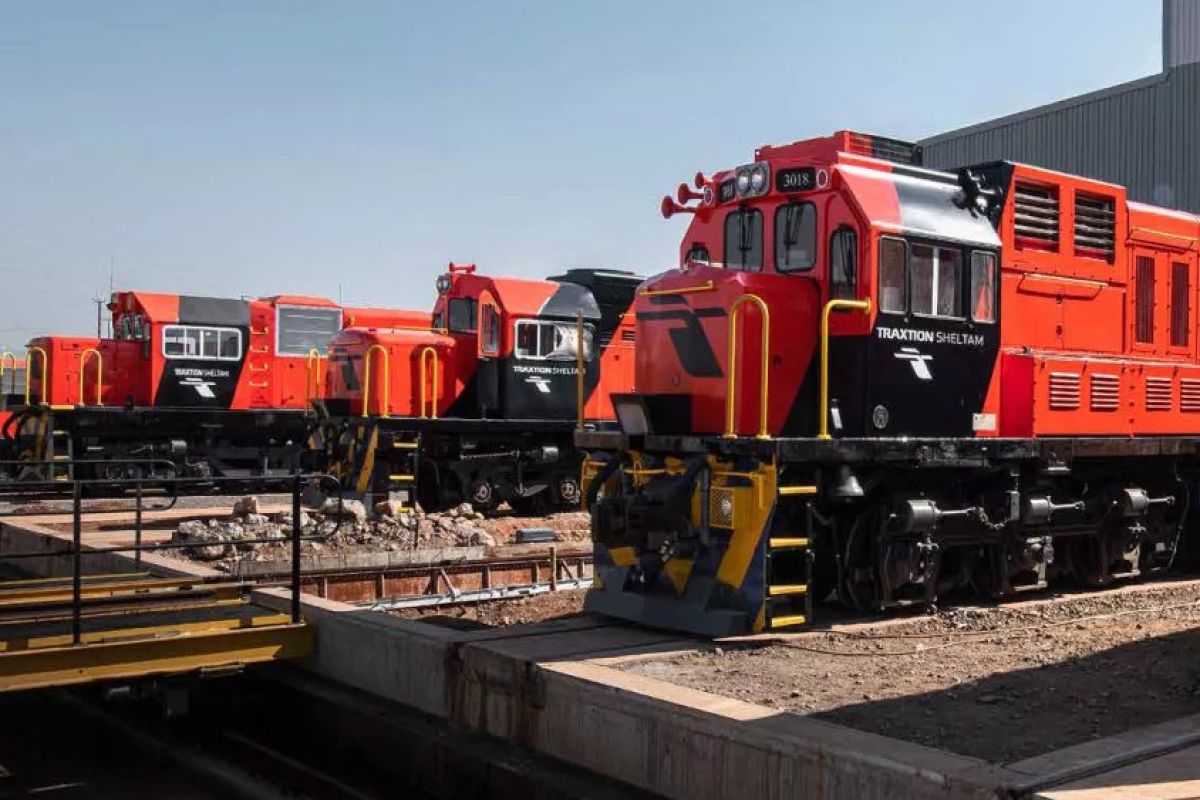
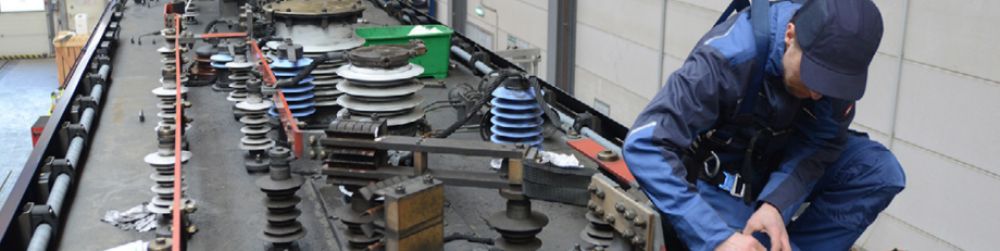
AERRL highlighted its members' significant contributions to the European railway sector, with approximately €800 million invested annually in locomotive procurement, expected to reach €1 billion by 2027. Additionally, €600 million is allocated yearly for maintenance, underscoring the financial commitment of lessors. As of the end of 2023, lessors own 3,650 locomotives, with 800 new units ordered.
Regulatory advocacy and harmonization
AERRL continues to push for a harmonized regulatory framework across the EU. This includes advocating for uniform European regulations on energy metering and billing, as discrepancies in national implementations lead to higher costs and inefficiencies. The association also calls for clear definitions of roles among railway stakeholders, particularly for rolling stock keepers.
Addressing skills shortages and language barriers
Recognizing the importance of skilled labor, AERRL supports initiatives such as the STAFFER project and the ERA Academy to enhance workforce training and development. Furthermore, it backs efforts to reduce language barriers in cross-border operations by creating a shared inventory of railway terminology and feeding AI translation tools.
Advocacy for infrastructure investment and public funding guidelines
AERRL stresses that public funds should prioritize infrastructure improvements, such as reducing track access charges, over subsidies for new rolling stock. The association warns that improperly designed subsidies could disrupt the leasing market, advocating instead for funding to focus on retrofitting existing rolling stock with ERTMS, FRMCS, and Digital Automatic Couplers (DAC).
Call for greater recognition of lessors
As key investors and stakeholders in the European railway sector, lessors play a critical role in enabling cross-border operations. AERRL is urging the European Commission to include rolling stock lessors in technical and policy discussions, ensuring their contributions are fully recognized in regulatory frameworks.
Through collaboration with EU institutions and industry stakeholders, the association aims to support the development of a competitive and sustainable rail transport system.