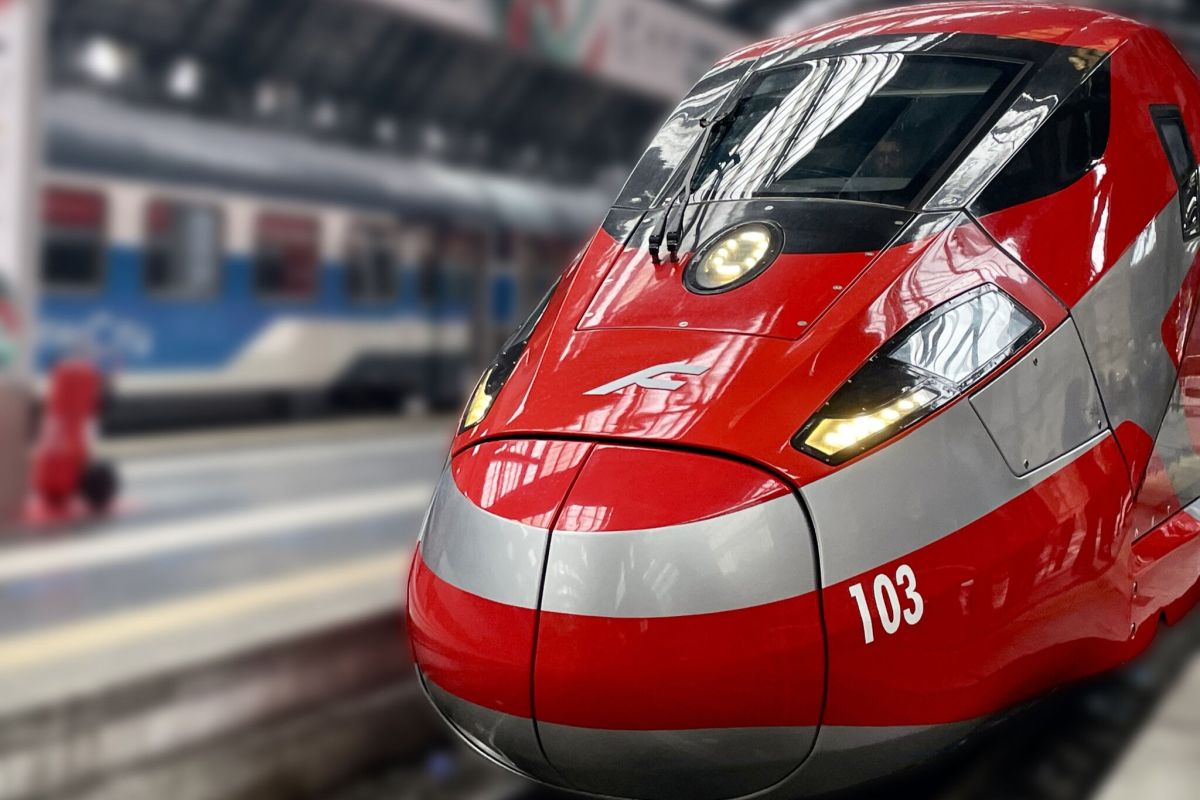
The 74 high-speed multiple units will be deployed on Italian routes and cross-border services. The operator plans to increase frequencies on its busiest corridors and expand international operations, positioning high-speed rail as an alternative to medium-haul air traffic. According to the company, more than 95% of materials used in the new trains’ structure will be recyclable.
Alongside the high-speed investment, Trenitalia is renewing its regional and Intercity fleets. By 2027, the average age of regional rolling stock is projected to fall to between five and 10 years. More than 1,000 of the 1,300 regional trains in service—over 80% of the fleet—are already described as latest-generation vehicles, supported in part by funding from Italy’s National Recovery and Resilience Plan (PNRR).
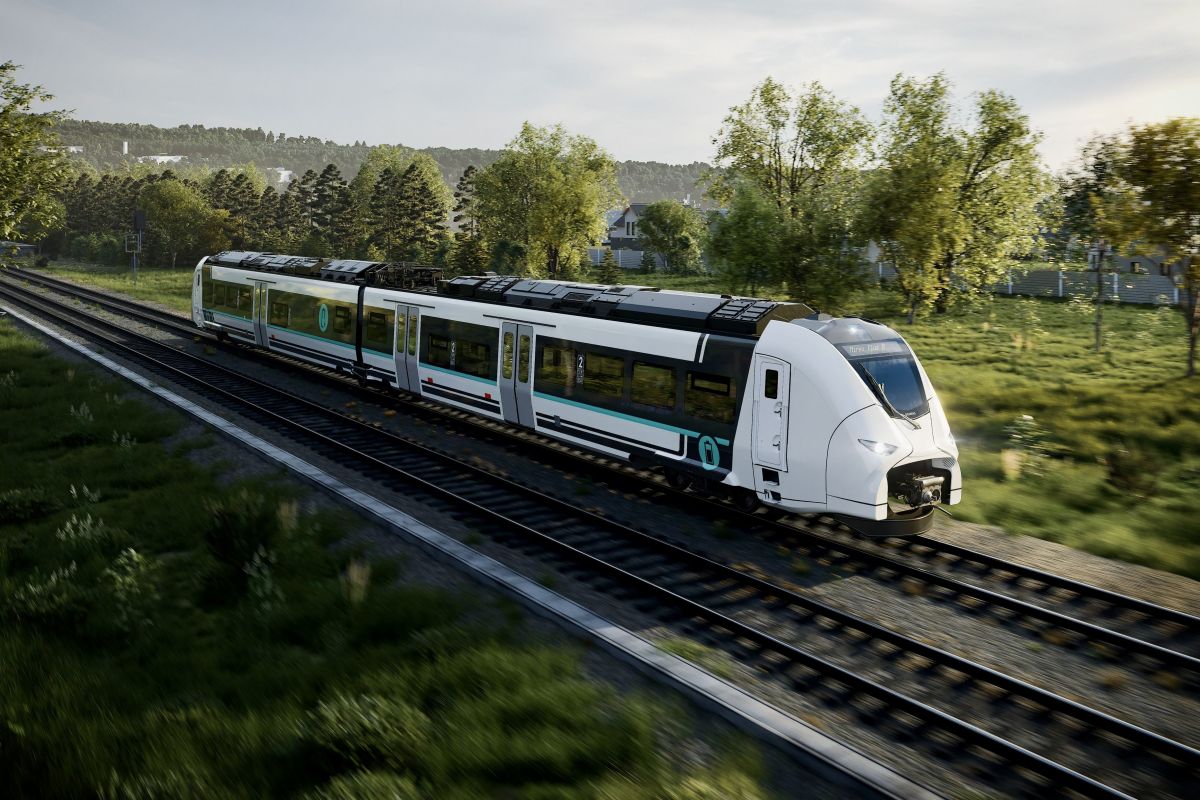
In the Intercity segment, Trenitalia plans to introduce more than 30 new trains with hybrid, electric and battery traction. These units are intended for operation on partially electrified routes.
The operator is also testing onboard connectivity technologies. A proprietary 5G network has been trialled on the Turin–Milan corridor. Trenitalia is assessing additional options, including satellite-based systems such as Starlink, to address coverage gaps.
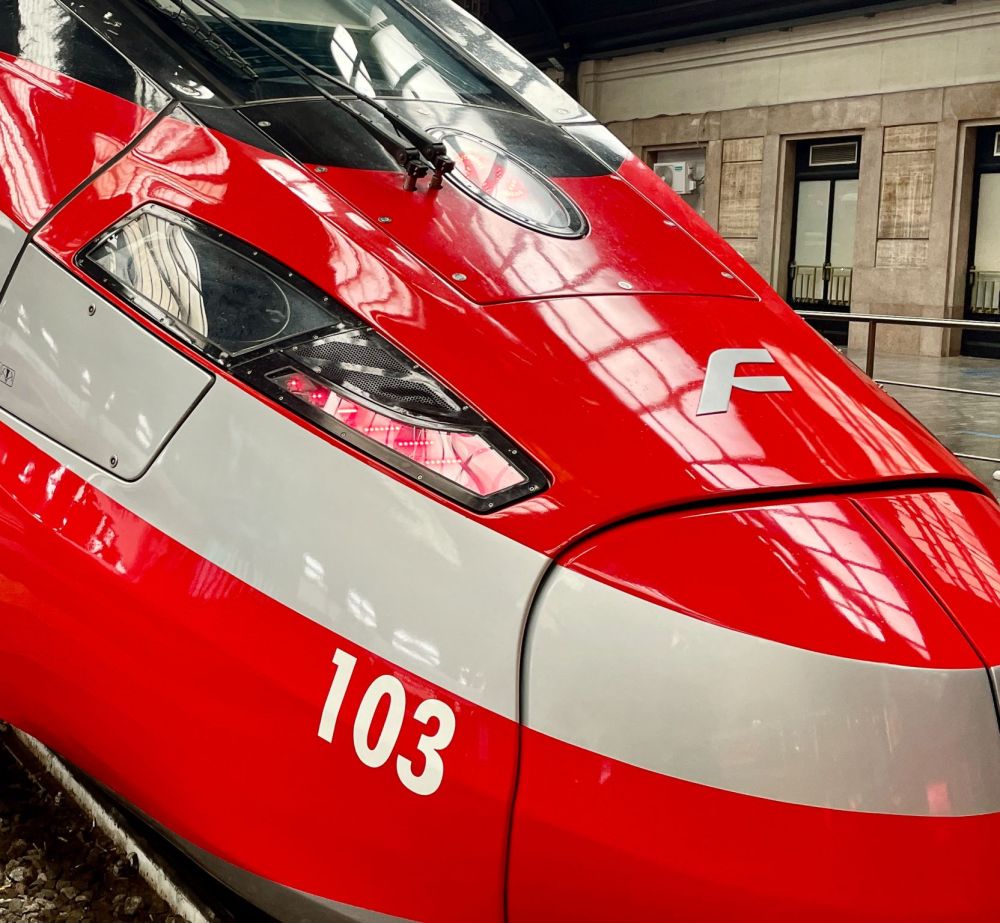
The additional Frecciarossa (Hitachi ETR1000) units are intended to increase available seats and improve path utilisation on existing infrastructure. Trenitalia links the fleet expansion to revenue growth in Italy’s liberalised high-speed market, where demand has risen in recent years.