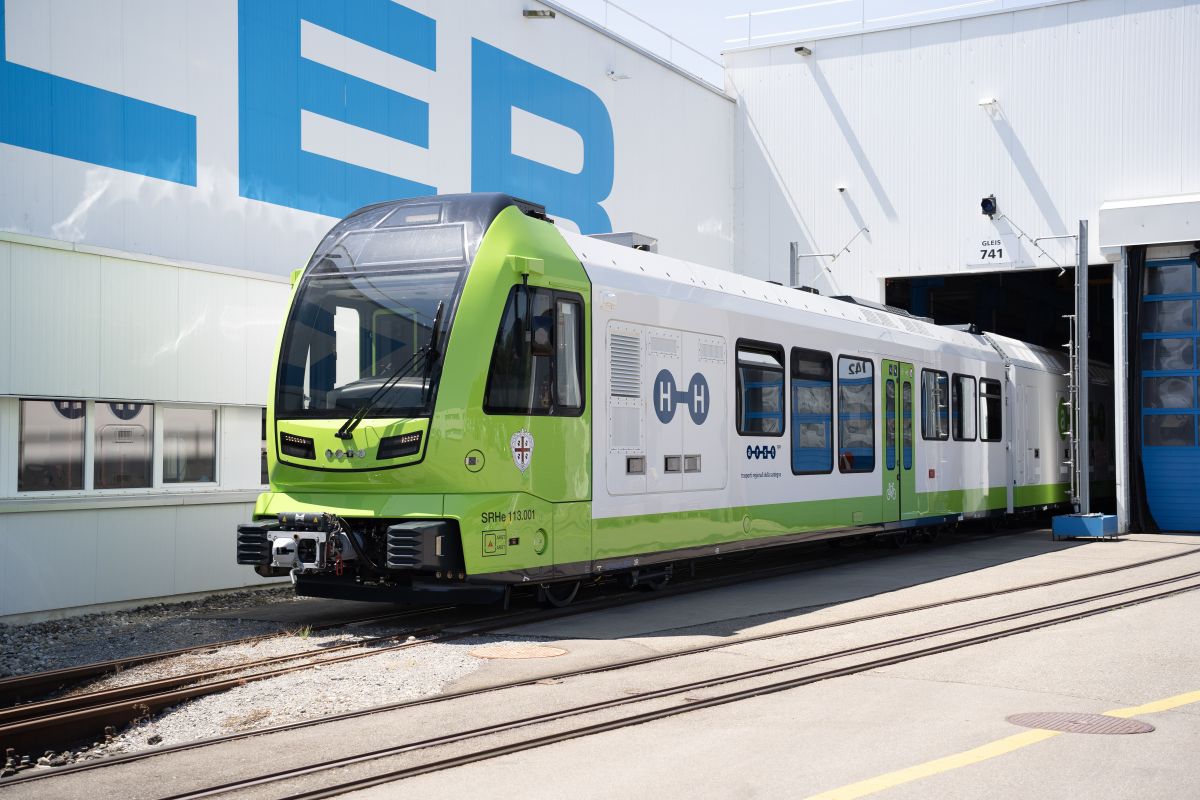
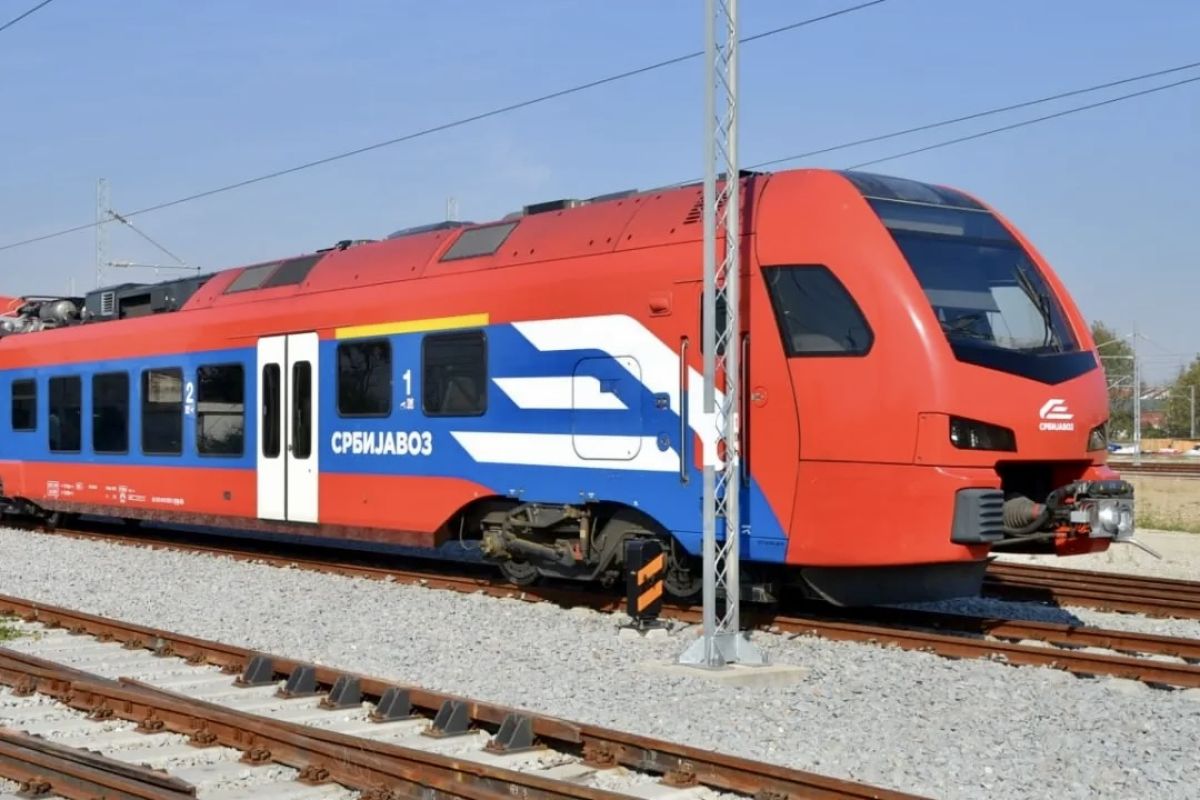
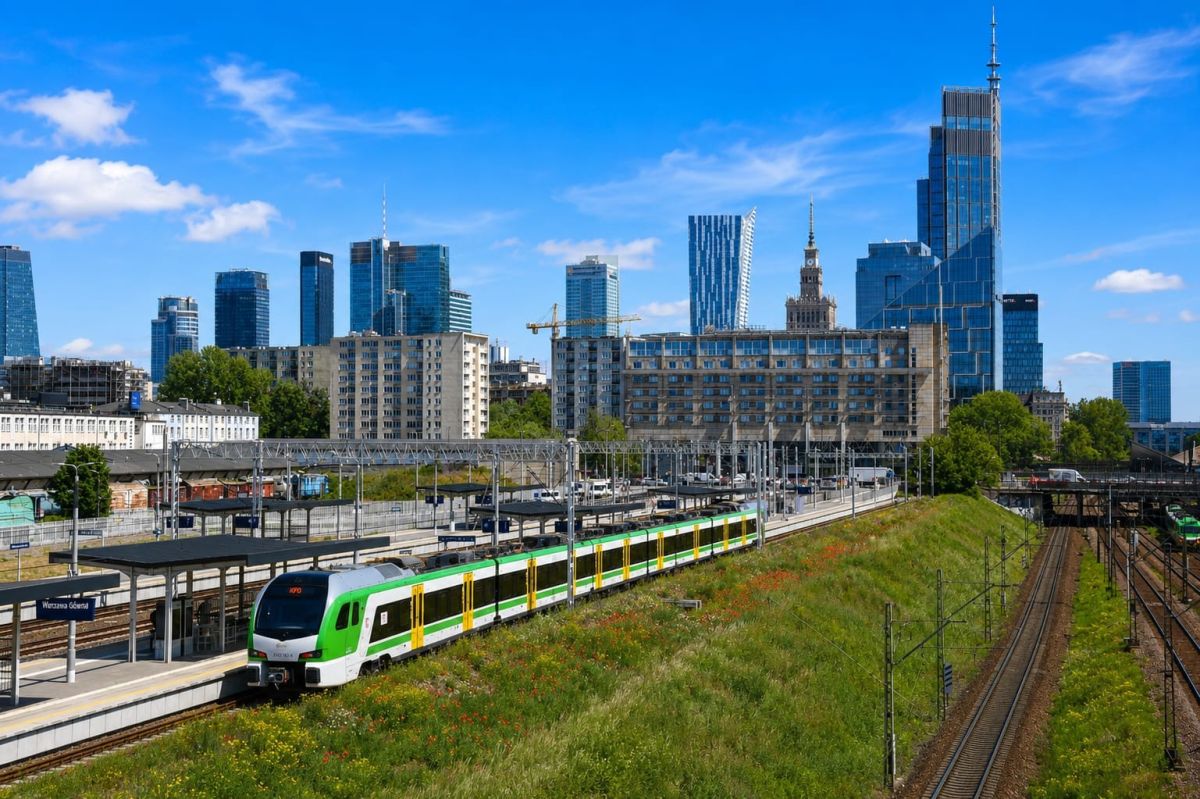
Stadler continues to strengthen its presence in Italy with a new contract to design and supply two hydrogen-powered narrow-gauge trains for Ferrovia Circumetnea (FCE). The units will run through the volcanic landscapes of Mount Etna, combining cutting-edge technology with sustainability.
"It is a great pleasure for us to realise this project and build the first two narrow-gauge hydrogen-powered trains for Sicily," said Maurizio Oberti, Stadler’s Sales & Marketing Director for Italy. "The trains ordered by FCE will contribute to the decarbonisation of Italian rail transport in a new region."
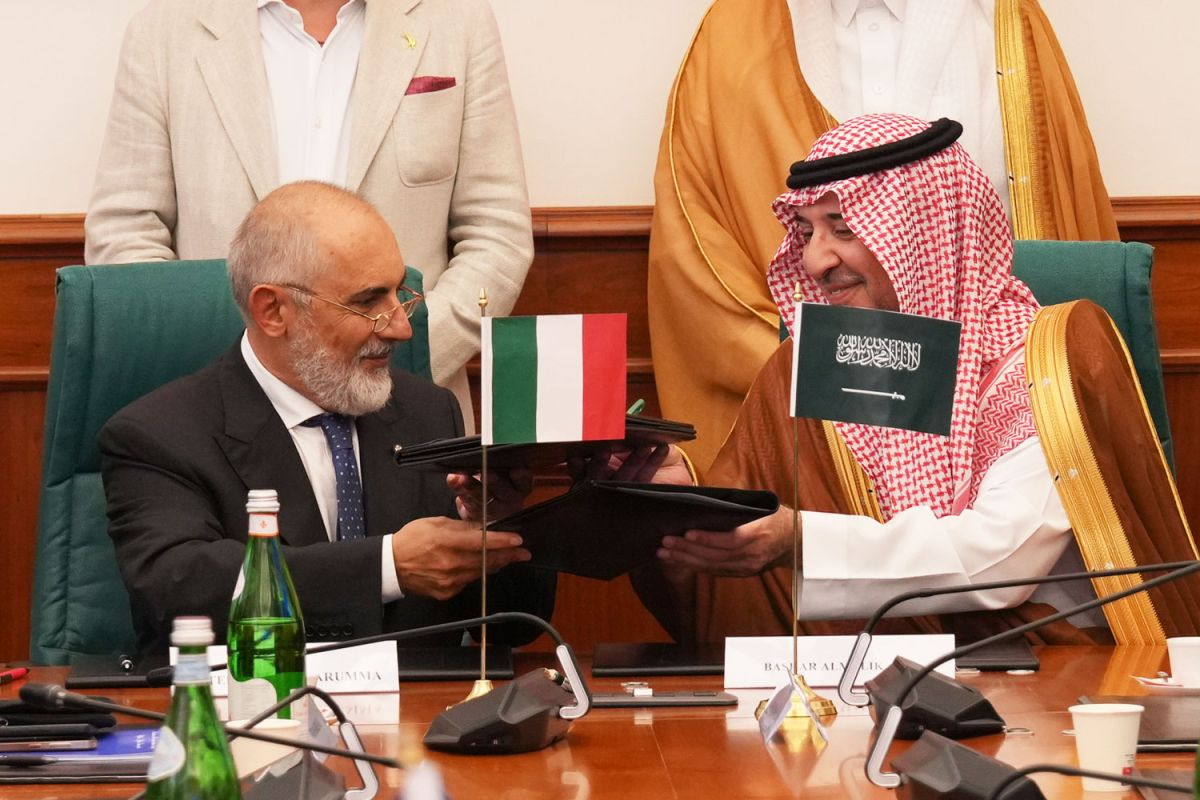
The agreement was signed during EXPO Ferroviaria in Milan and follows a public tender launched by FCE. It includes an option for up to 13 additional trains of the same type, as well as five years of full service and spare parts support for the first two vehicles.
Technical innovation from Switzerland
The trains will be designed and built at Stadler’s headquarters in Bussnang, Switzerland. Each set will consist of two passenger cars and a central 'Power Pack' housing the fuel cells and hydrogen tanks.
With an axle load of under 11 tons, they will be able to operate across the entire FCE narrow-gauge network.
Special attention has been given to traction performance, essential for the steep gradients of the Circumetnea line. Static converters and traction batteries positioned above the motor bogies will ensure optimal adhesion and power delivery under all conditions.
Running through Etna Nature Park
The new hydrogen trains are designed for the Paternò–Randazzo route, which passes through the scenic Etna Nature Park. Their low emissions and quiet operation will support both environmental protection and sustainable tourism in the region.
Hydrogen expansion in Italy
The Sicilian order brings the total number of hydrogen-powered narrow-gauge trains Stadler is building for Italy to 19, following previous contracts for ARST in Sardinia (8 trains) and FdC in Calabria (9 trains).
These vehicles are the world’s first tailor-made hydrogen trains for narrow-gauge networks, reinforcing Italy’s leadership in clean railway innovation and Stadler’s position at the forefront of hydrogen mobility.