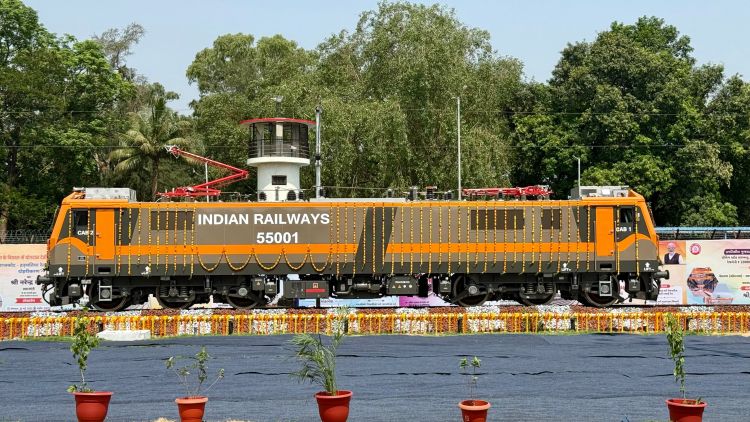
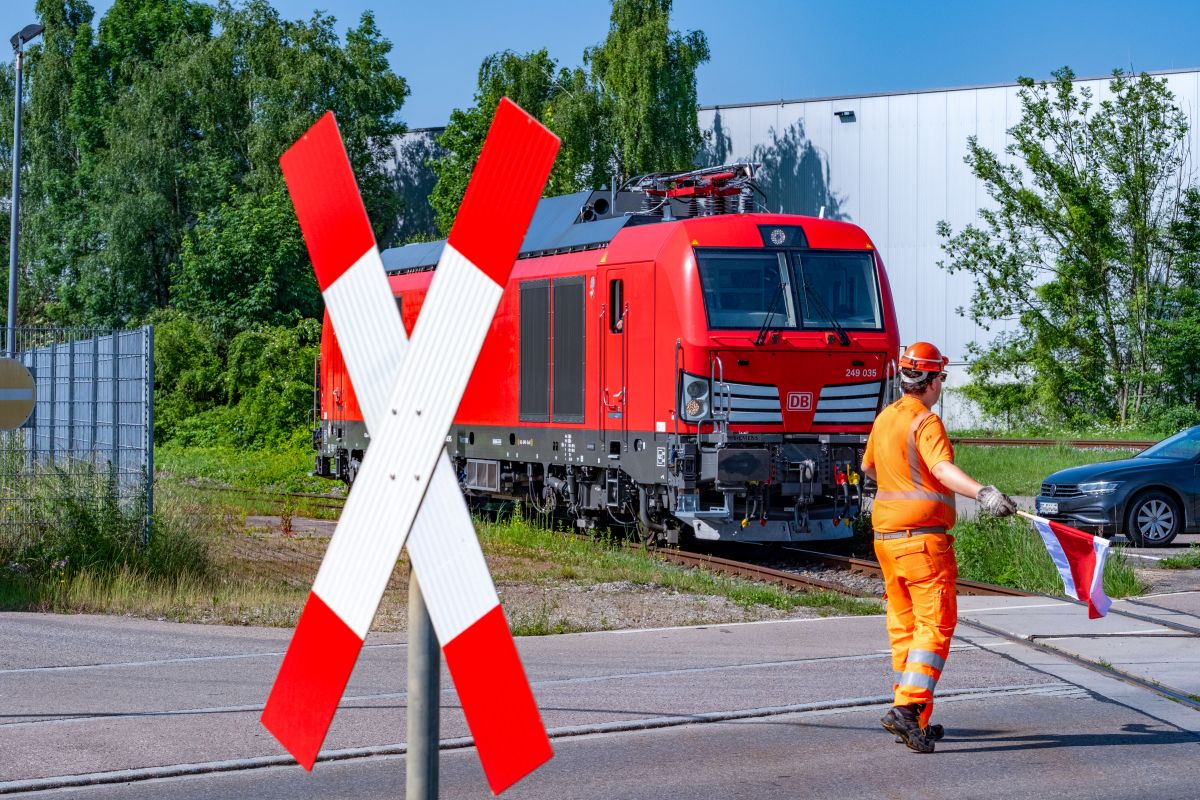
The most powerful single-unit electric locomotive for Indian Railways, the EF-9K (electric, freight, 9000 HP), has been unveiled. Manufactured by Siemens Mobility at the Dahod Locomotive Factory in Gujarat, this locomotive is part of a larger order of 1,200 units scheduled for production over an 11-year period.
This locomotive project is designed to supply high-power units specifically tailored to meet the operational demands of India's Dedicated Freight Corridors (DFCs).
Once fully deployed, the new locomotives will serve the Western and Eastern DFCs, aiming to address growing freight transport requirements. Each 9000 HP locomotive is intended for hauling trains weighing approximately 4,500 tonnes, reaching maximum speeds of 120 km/h. Over the next 11 years, a total of 1,200 of these locomotives are scheduled for production.
These locomotives feature regenerative braking technology, aimed at reducing energy consumption. They will also include modern monitoring systems for operational efficiency. Integrated sensor systems and advanced analytics will enable real-time condition monitoring and predictive maintenance to optimize availability and lower life-cycle costs.
Indian Railways is currently executing its strategy of total electrification, aiming at achieving net-zero carbon emissions by 2030. The deployment of these new locomotives aligns with this sustainability target. Freight transport currently accounts for approximately 70% of Indian Railways' revenue, transporting around 1.4 billion tonnes of cargo annually over its 68,000-kilometer network.
The Dahod factory will provide the infrastructure necessary for locomotive manufacturing and subsequent maintenance operations. Siemens will carry out maintenance activities for the locomotives at designated government facilities for a period of 35 years as per their agreement. Additionally, Siemens will conduct skill training for railway personnel involved in the manufacturing and maintenance processes at Dahod and other maintenance depots.
The National Rail Plan, established to increase railway freight share to 45% by 2030, aims at building infrastructure to accommodate anticipated growth and to support efficient movement of goods. With rail freight traffic projected to reach 6,559 billion net tonne-kilometers (NTKM) by 2030, the integration of high-power locomotives is part of Indian Railways' wider modernization initiative aimed at increasing capacity and reducing logistics costs.