As of February 2026, the EU-Ukraine Solidarity Lanes continue to play a central role in keeping Ukraine’s economy connected to external markets, according to the latest report from the European Commission’s Directorate-General for Mobility and Transport. Created in May 2022 by the EU together with Ukraine and Moldova, the corridors were designed to maintain the flow of goods via rail, road and inland waterways after the disruption of Ukraine’s traditional maritime routes.
In February 2026, the Solidarity Lanes accounted for around 60% of Ukraine’s imports, compared with roughly 30% through the Black Sea. They also handled around 60% of Ukrainian exports of non-agricultural products, compared with around 50% via the Black Sea. For grain, oilseeds and related agricultural products, the balance remains different, with about 15% moving through the Solidarity Lanes and 85% through Black Sea ports.
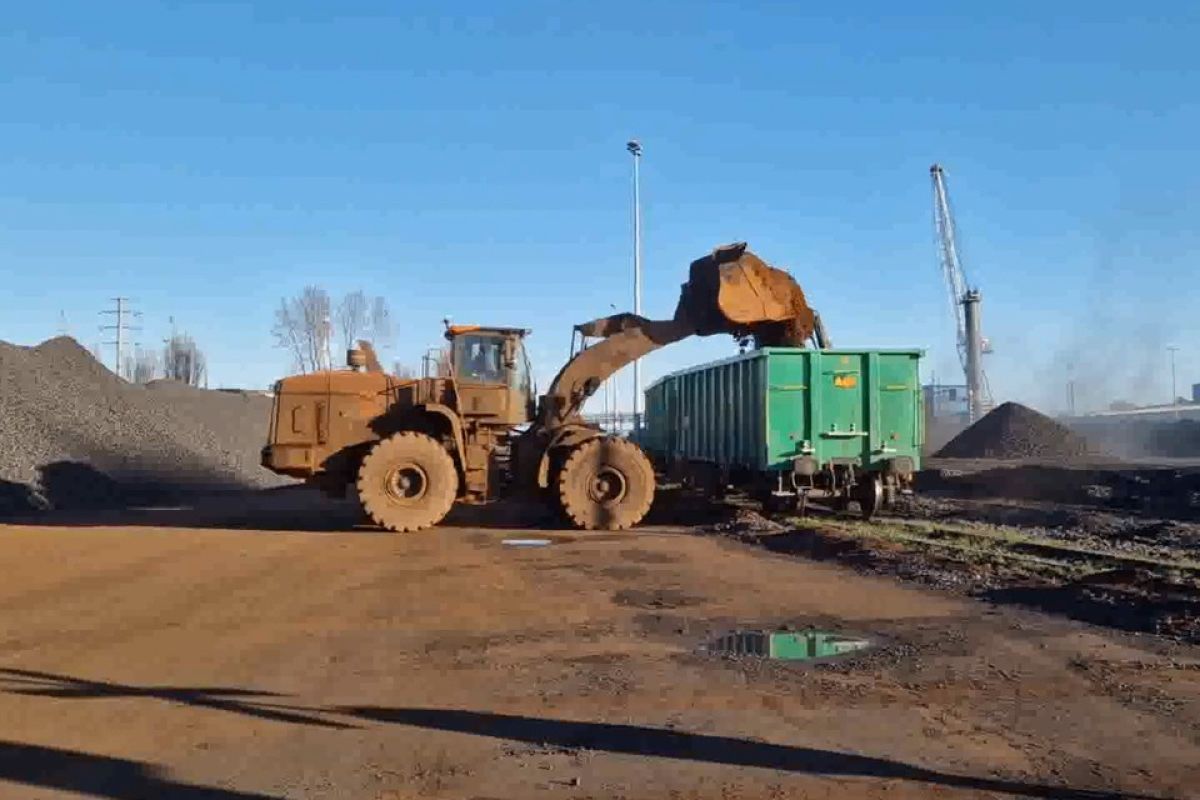
Since May 2022, the corridors have enabled the export of around 209 million tonnes of Ukrainian goods. This includes an estimated 98 million tonnes of agricultural products, of which around 91 million tonnes were grain, oilseeds and related products, as well as approximately 111 million tonnes of non-agricultural goods such as ore, steel and related commodities.
The import side has also been significant. Over the same period, the Solidarity Lanes facilitated around 100 million tonnes of goods entering Ukraine, including fuel, vehicles, fertilisers, military supplies and humanitarian assistance. In value terms, total trade via the corridors is estimated at around €270 billion, including roughly €72 billion in Ukrainian exports and about €198 billion in imports to Ukraine.
For the wider European freight market, the figures underline the strategic importance of rail, road and inland waterway links as resilient alternatives in times of geopolitical disruption. The Solidarity Lanes are no longer only a temporary wartime arrangement: they are also laying the foundation for Ukraine’s longer-term integration with the EU single market, future reconstruction and deeper transport connectivity with Europe.