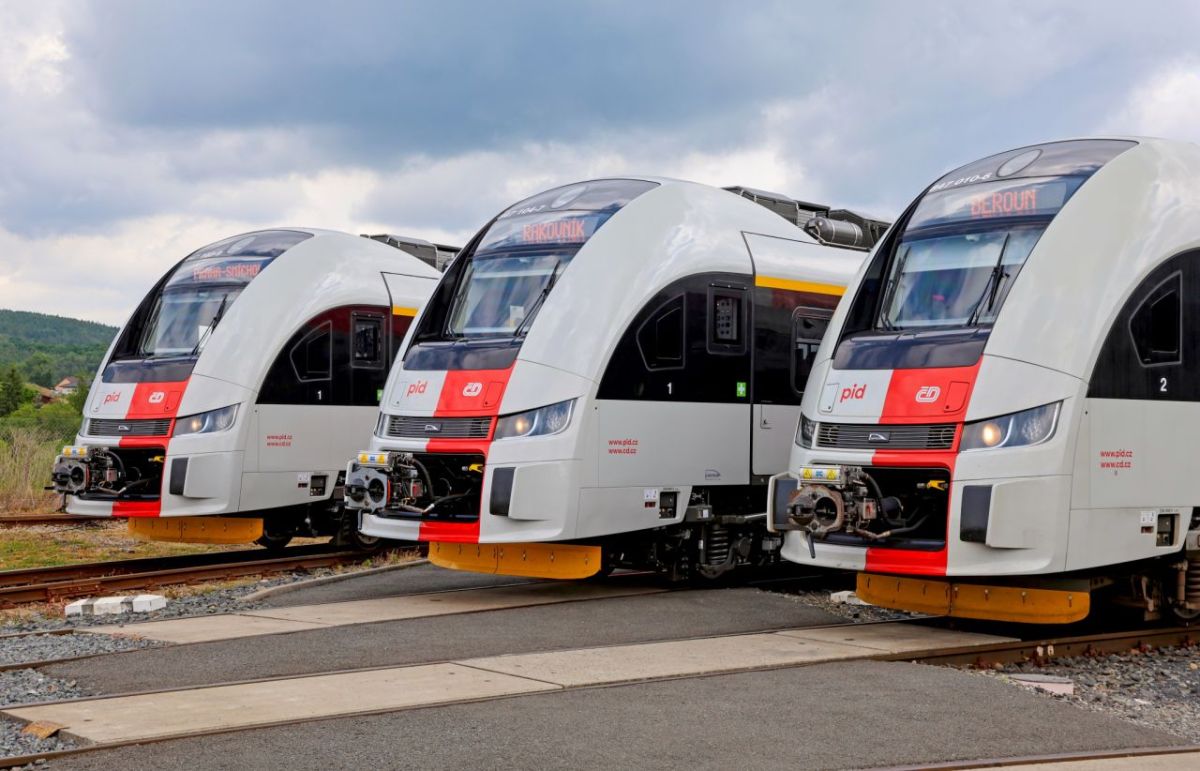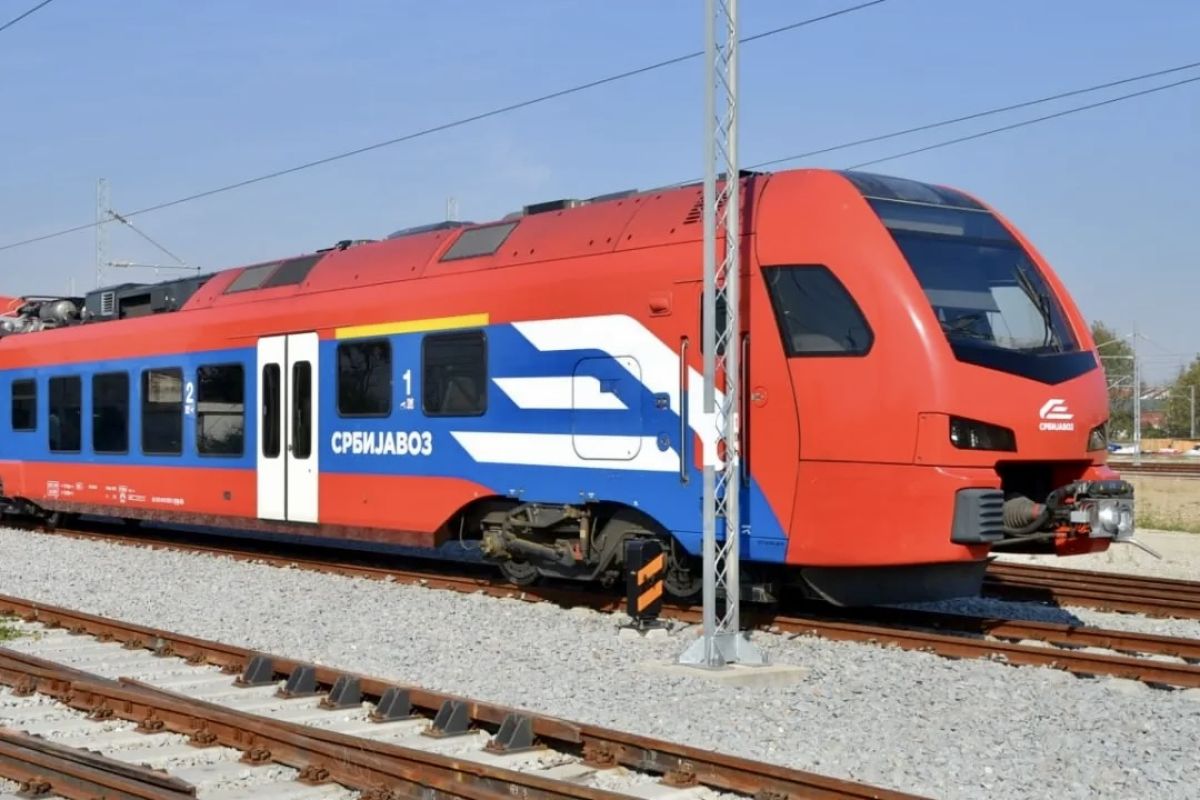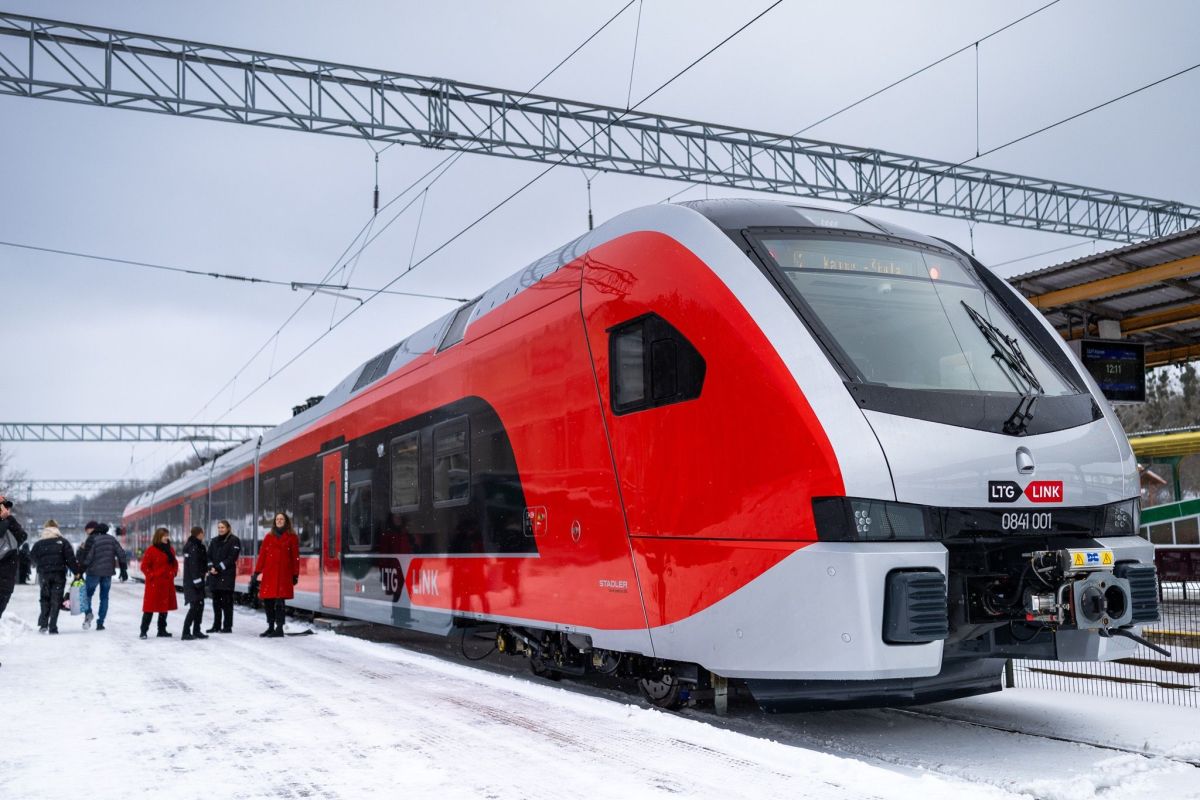
LTG Link has received its first battery-electric multiple unit built by Stadler at its Polish factory. The battery train is designed with one intermediate car housing a fast-charging lithium battery, without seating but allowing passenger access through the vehicle. Under overhead electrification, the pantograph charges the battery; on non-electrified sections, the train operates using stored energy.
The units will operate on the Vilnius–Varėna (Marcinkonys) and Kaunas–Šiauliai routes. On battery power alone, the trains can cover up to 70 km. For longer non-electrified sections on the Vilnius–Marcinkonys route, the trains will recharge at a dedicated charging station in Varėna. No charging infrastructure is required on the Kaunas–Šiauliai route, as the battery range covers the unelectrified sections.
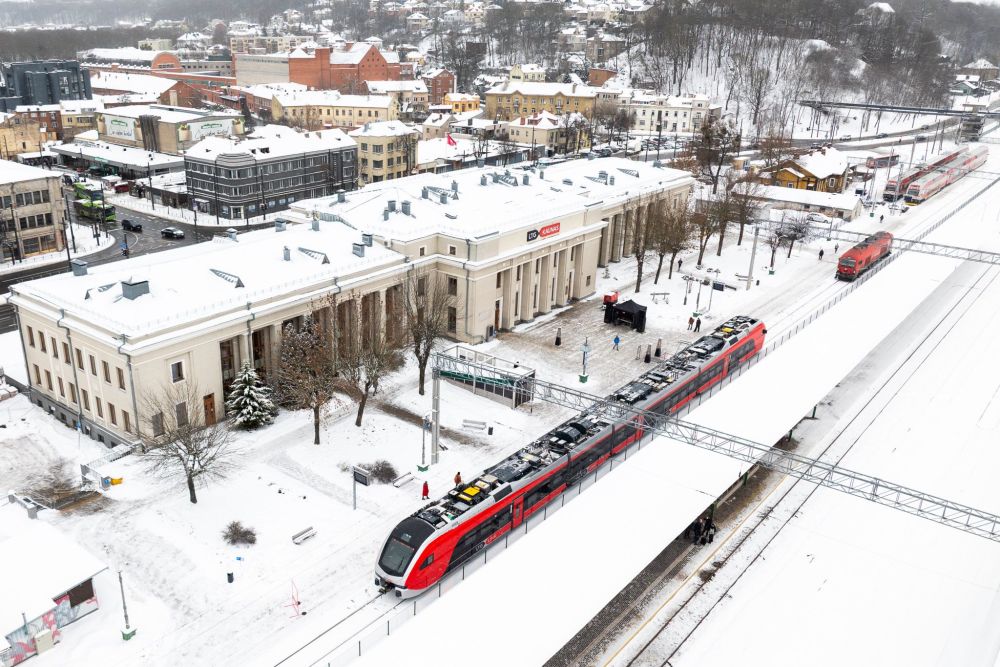
Each train provides 128 seats. The interior and seating configuration correspond to second-class cars of the existing Stadler FLIRT electric multiple units in LTG Link’s fleet. The trains are equipped with ramps, lifts and accessible toilets for passengers with reduced mobility.
Maximum speed is 160 km/h under overhead wires and 120 km/h in battery mode. Onboard equipment includes vending machines for drinks and snacks.
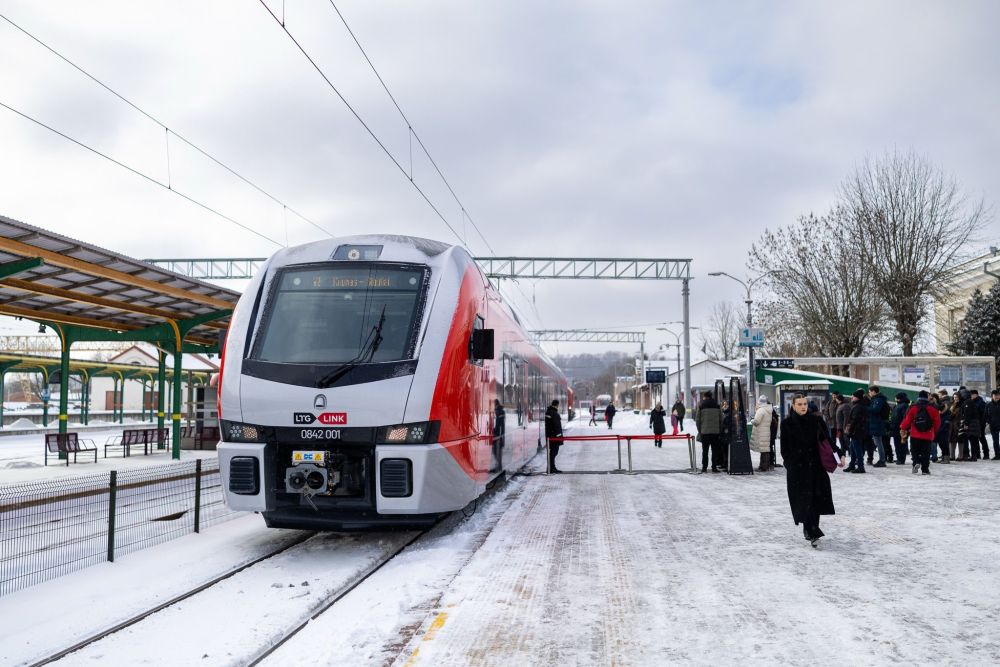
LTG Link’s current fleet renewal programme covers nine electric and six battery multiple units from Stadler. The first new electric unit arrived in October, followed by a second unit last week. Passenger services with the new trains are scheduled to begin in the first half of 2027.