The Metropolitan Regional Express Service (Service Express Régional Métropolitain, SERM) initiative has progressed further in Auvergne-Rhône-Alpes, with Lyon now joining Grenoble and Clermont-Ferrand in activating the next phase of its implementation.
Extended operating hours and frequency plan
The Lyon SERM will focus on increasing train frequency, particularly during peak travel periods. Local services in the inner suburbs are scheduled to operate every 15 minutes during high-demand hours, while connections between outer suburbs and central Lyon will target a 30-minute interval. Operating hours will extend from 5 a.m. to 11 p.m., including off-peak services with half-hourly trains throughout the day.
The updated service pattern is expected to be supported by infrastructure adjustments, including new stops at Portes du Dauphiné and Reventin-Vaugris. These additions are part of a wider plan to adjust both the physical network and operational structure to accommodate future volumes and improve regularity.
Intermodal integration and service continuity
The SERM project has been presented as a response to the need for simplified and integrated transport systems. The Lyon model includes better connections between train services and other mobility options such as buses, trams, express coaches, cycling infrastructure, and walking paths. Standardised signage and passenger information across the SERM territory will support consistency across transport modes.
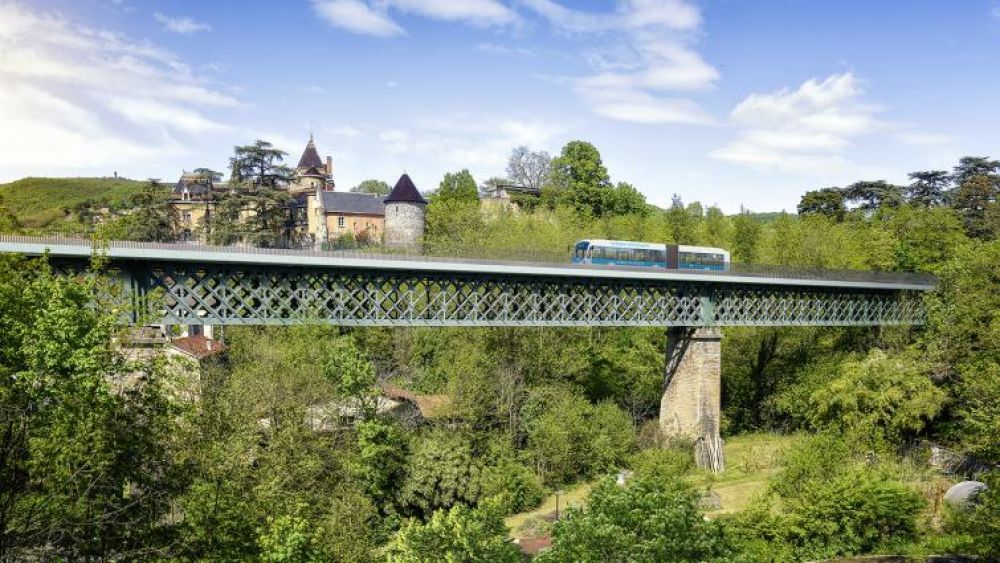
This intermodality approach is expected to be reinforced by auxiliary projects like the BHNS Trévoux–Lyon connection, the Monts du Lyonnais corridor, and the Crémieu–Lyon tramway on the eastern flank of the city. Additional focus has been placed on ensuring accessibility from active modes of transport, with priority given to infrastructure around the Lyon rail junction, where staged upgrades are planned.
Implementation framework and financial commitments
The SERM development process includes a prefiguration phase to define service improvements, infrastructure requirements, investment allocation, and governance structures. A total of €2,457,500 (excl. VAT) has been assigned to this phase. The distribution of funding is as follows:
- French State: €1,128,750 (50%)
- Auvergne-Rhône-Alpes Region: €614,375 (25%)
- Sytral Mobilités: €325,937 (13.3%)
This stage is expected to lead to an operational blueprint aligning with the mobility policy direction adopted by the region in December 2023, titled “Positive Mobility – On Course for 2035.”
Focus on urban access and territory cohesion
The SERM’s deployment is positioned as a response to congestion management, the need for reliable public transport in expanding suburban areas, and demands for broader regional cohesion. Within the wider Auvergne-Rhône-Alpes region, with a population of 8 million and 6 million residents potentially impacted by daily mobility infrastructure, the role of rail as the structural core of the multimodal system is central.
The implementation approach includes phased development and layered coordination across local, regional, and national actors. The framework now established for Lyon provides an operational direction for improving public transport access across growing urban territories in southeastern France.