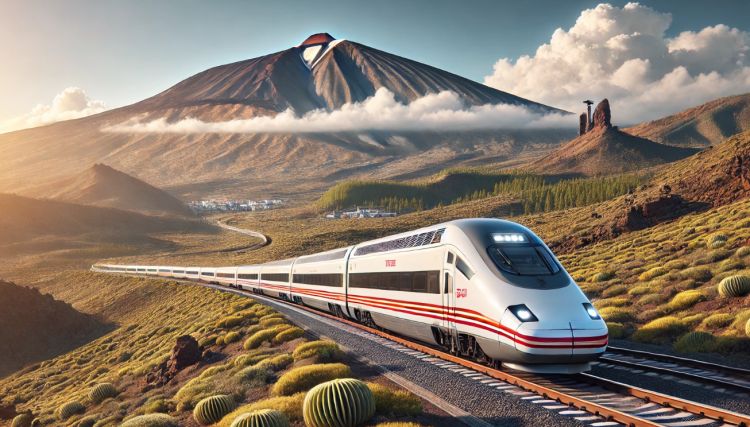
The proposed rail system, part of the island's Tenerife , is estimated to cost €5.65 billion and aims for completion by 2045. As reported by El Día, the government envisions a comprehensive network covering over 80 kilometers and featuring four main lines: the South Train, North Train, West Train, and an underground tunnel.
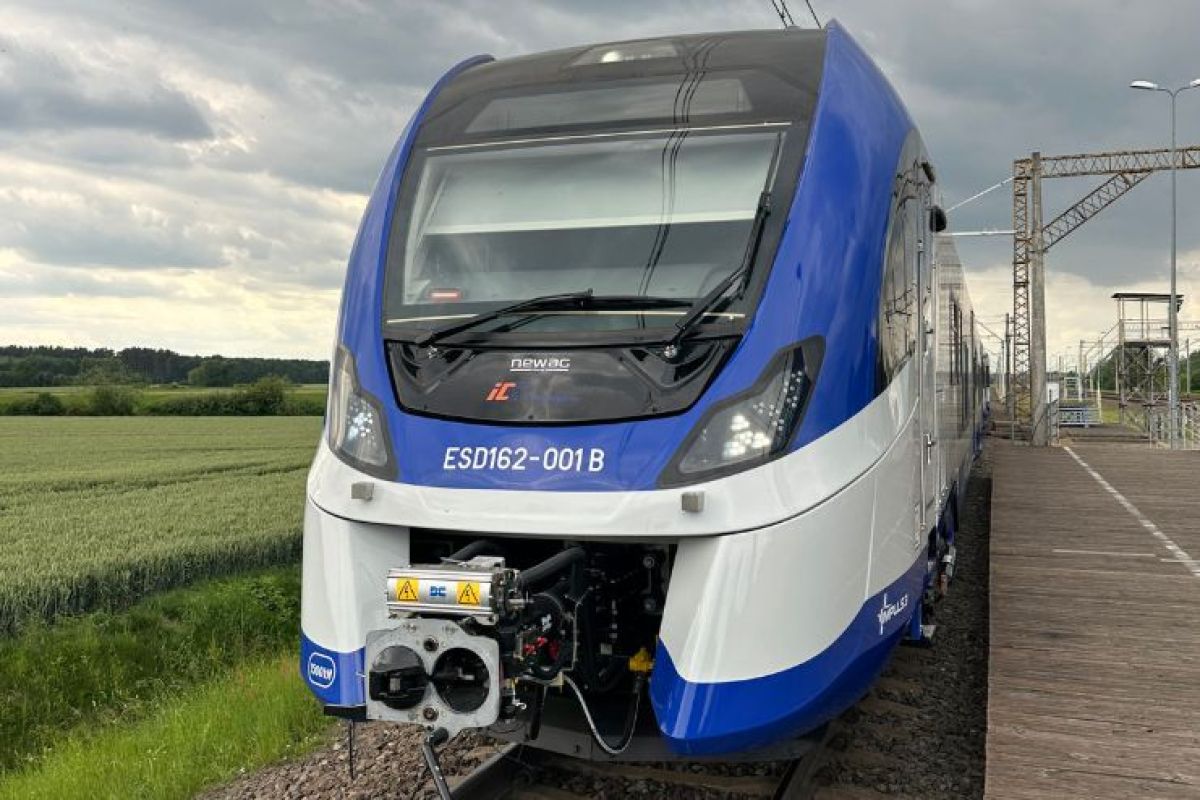
The South Train line, one of the most developed projects, will span the eastern coast from Santa Cruz to Adeje. It will cover 79 kilometers, including 22 kilometers of tunnels and 8.3 kilometers of viaducts. Designed for high performance, the trains will carry 450 passengers at speeds up to 220 kilometers per hour. The estimated cost for this segment is approximately €2 billion, reflecting the complexities of construction.
Similarly, the North Train line will follow the TF-5 Motorway corridor, connecting Santa Cruz de Tenerife to Los Realejos. This 36-kilometer line is expected to handle around six million passengers annually, potentially increasing to 7.5 million by 2040. The estimated cost for this segment is approximately €1.15 billion.
The West Train line, still under consideration, would link Icod de los Vinos to Adeje, providing another critical connection across the island. Additionally, a proposed 12-kilometer tunnel between Güímar and La Orotava aims to resolve connectivity issues between the north and south, though its feasibility and cost-efficiency remain subjects of debate.
The Sustainable Mobility Plan, currently open for public consultation, includes 23 major initiatives designed to improve traffic flow, public transport, and rail systems. The plan also encompasses measures like surface parking regulation and the establishment of low-emission zones. These actions are necessary to address the severe congestion on Tenerife’s main motorways, driven by the island’s high vehicle ownership rate and low average vehicle occupancy.
Despite over two decades of discussions, tangible progress appears imminent, with construction slated to begin by the end of the current legislative term in 2027. The regional councillor for public works and mobility, Pablo Rodriguez, has highlighted for Daily Express a phased approach to the project, making it financially feasible by working on segments that require €300 to €400 million each.
The extensive rail network promises to provide a high-capacity alternative to road travel, encouraging a shift towards public transport and potentially transforming Tenerife’s mobility landscape for both residents and tourists. As Euronews reports, this plan aligns with broader regional efforts, including similar projects in neighboring Gran Canaria, where construction is also projected to begin by 2027.
The proposed rail network, if realized, aims to significantly improve accessibility to Tenerife’s beaches and mountains, offering a modern solution to the island's traffic woes and enhancing the overall public transport system – for local as well as for tourists.