European rail and combined transport organisations have called on the European Commission to recognise rail’s contribution to decarbonisation in the upcoming revision of the EU Emissions Trading System.
The Commission is expected to present its ETS revision proposal on 17 July 2026, aligning the carbon market with the EU’s 2040 climate target and competitiveness objectives.
In a joint statement, the associations argue that ETS revenues should be used to reward sectors that have already reduced emissions and to support further modal shift to rail.
They point out that more than 80% of rail traffic in the EU is already electrified, while rail accounts for less than 1% of transport greenhouse gas emissions. At the same time, electrified rail is indirectly exposed to ETS costs through the electricity market.
According to the statement, the ETS cost borne by electrified rail transport across the EU27 amounts to around €571 million per year at a carbon price of €79.36 per tonne of CO₂. If the carbon price rises to €110 per tonne in 2027, this annual cost could exceed €790 million.
The associations are not calling for rail to be exempted from the ETS. Instead, they want part of the revenues to return to the sector through investment in passenger and freight rail capacity.
Proposed priorities include high-speed, regional and urban passenger rail, freight corridors, terminal and depot electrification, traction power supply, rolling stock modernisation and digital capacity tools.
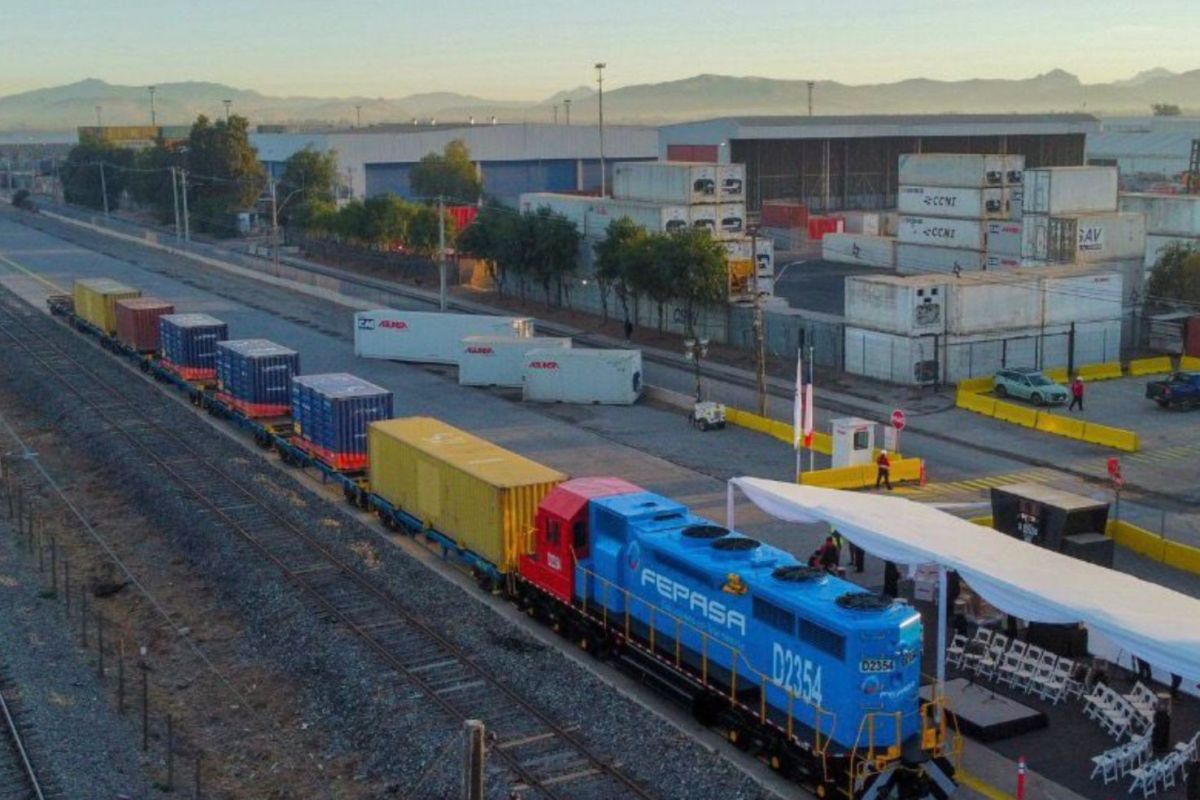
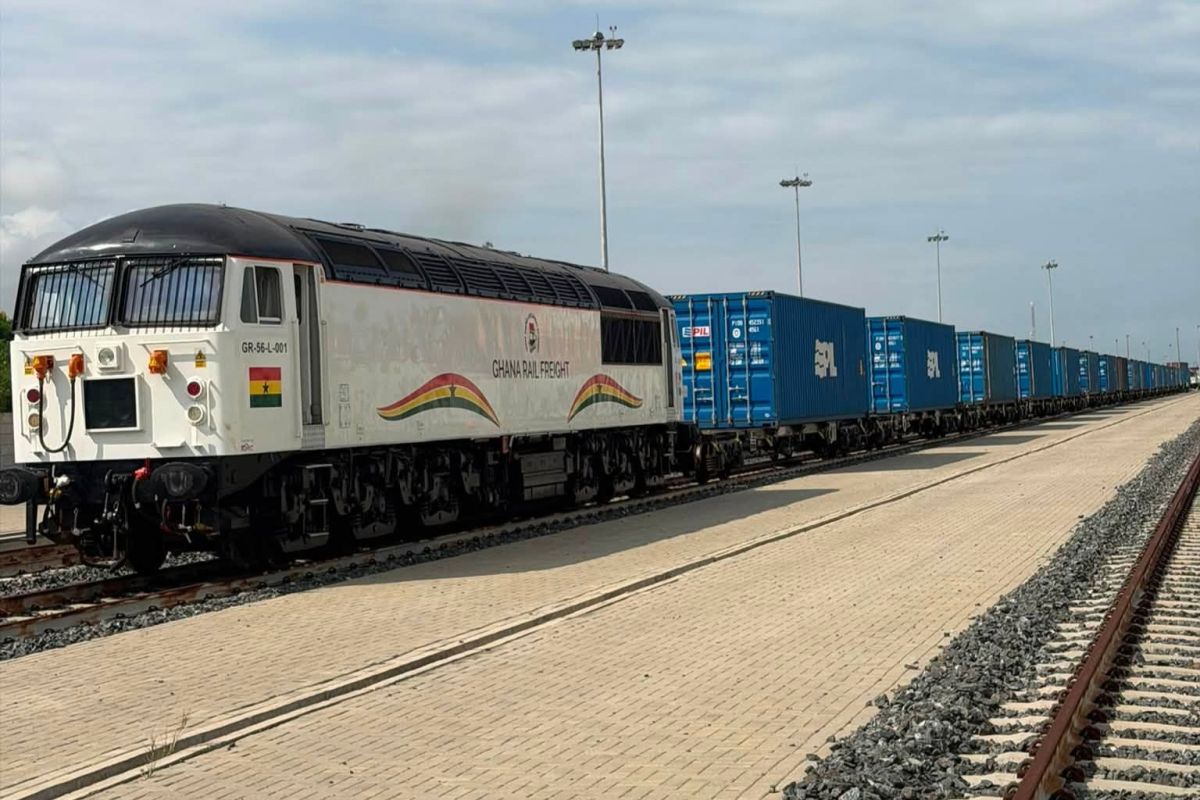
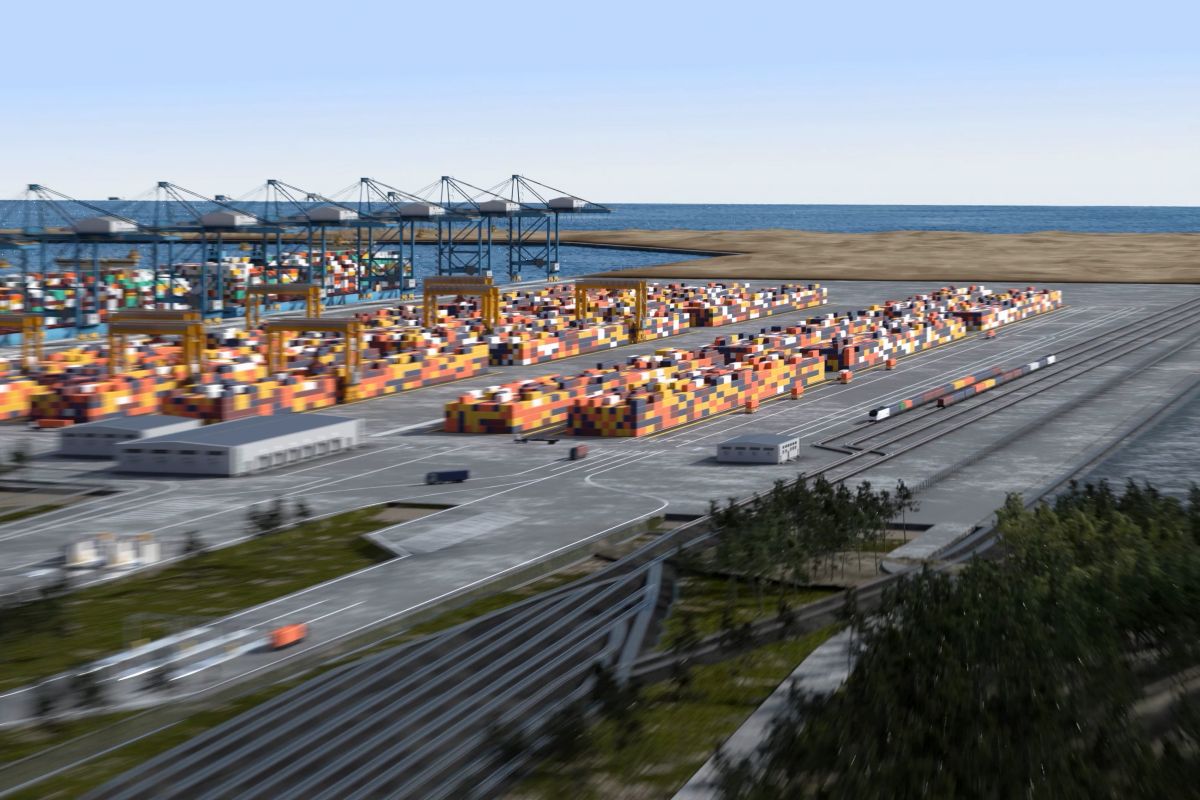
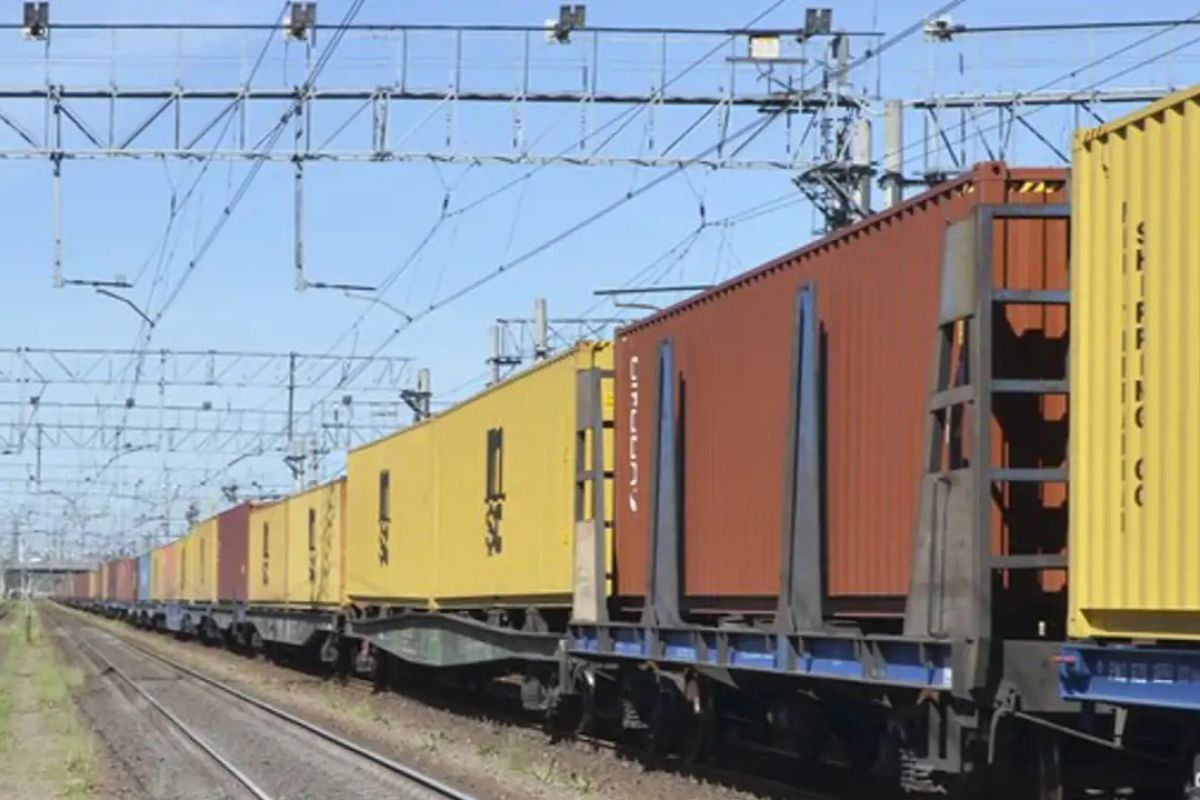
For freight, the statement highlights around 1,000 daily intermodal train departures connecting approximately 1,300 terminals across Europe. Modal shift from road to rail and combined transport can reduce energy use per tonne-kilometre by up to 70% and carbon emissions by 60–90%, according to the signatories.
However, rail freight remains far from the EU target of a 30% market share by 2030. The associations cite infrastructure constraints, insufficient freight paths, sub-740-metre train paths, incomplete cross-border interoperability and limited financing for intermodal terminals as key barriers.
The statement calls for ETS-based funding instruments, including the Innovation Fund, Modernisation Fund, Social Climate Fund, ETS2 and future ETS investment tools, to prioritise rail projects that deliver measurable carbon avoidance.
The signatories also argue that modal shift can deliver immediate emissions reductions, while technological decarbonisation in other transport modes may take longer to scale.
The joint statement was signed by AERRL, ALLRAIL, CER, ERFA, EIM, UIP, UIRR and UNIFE.