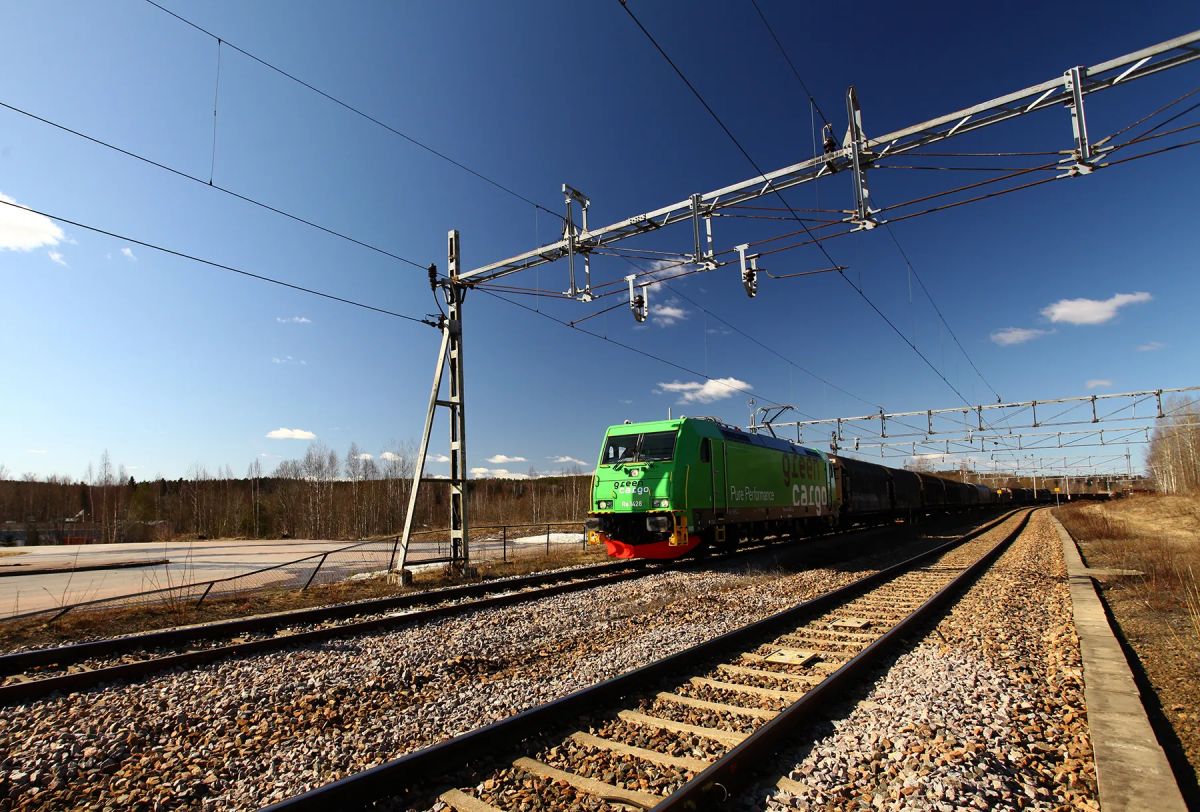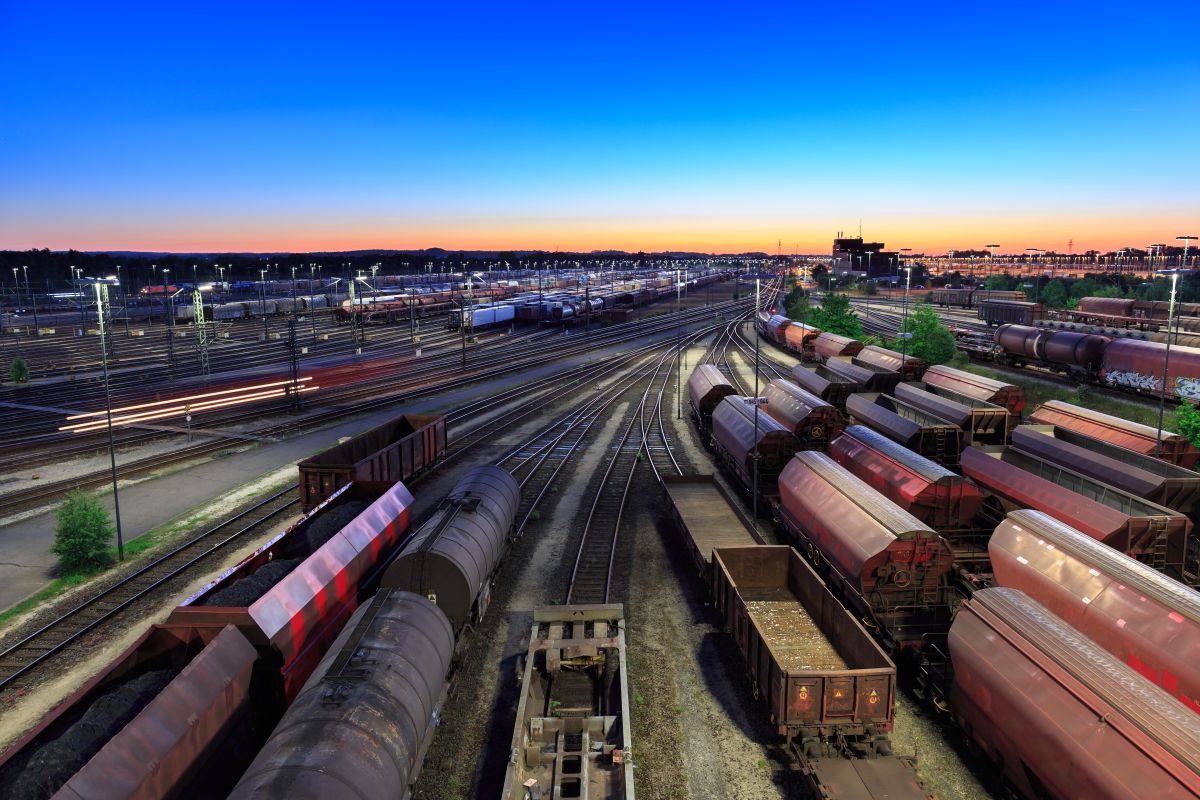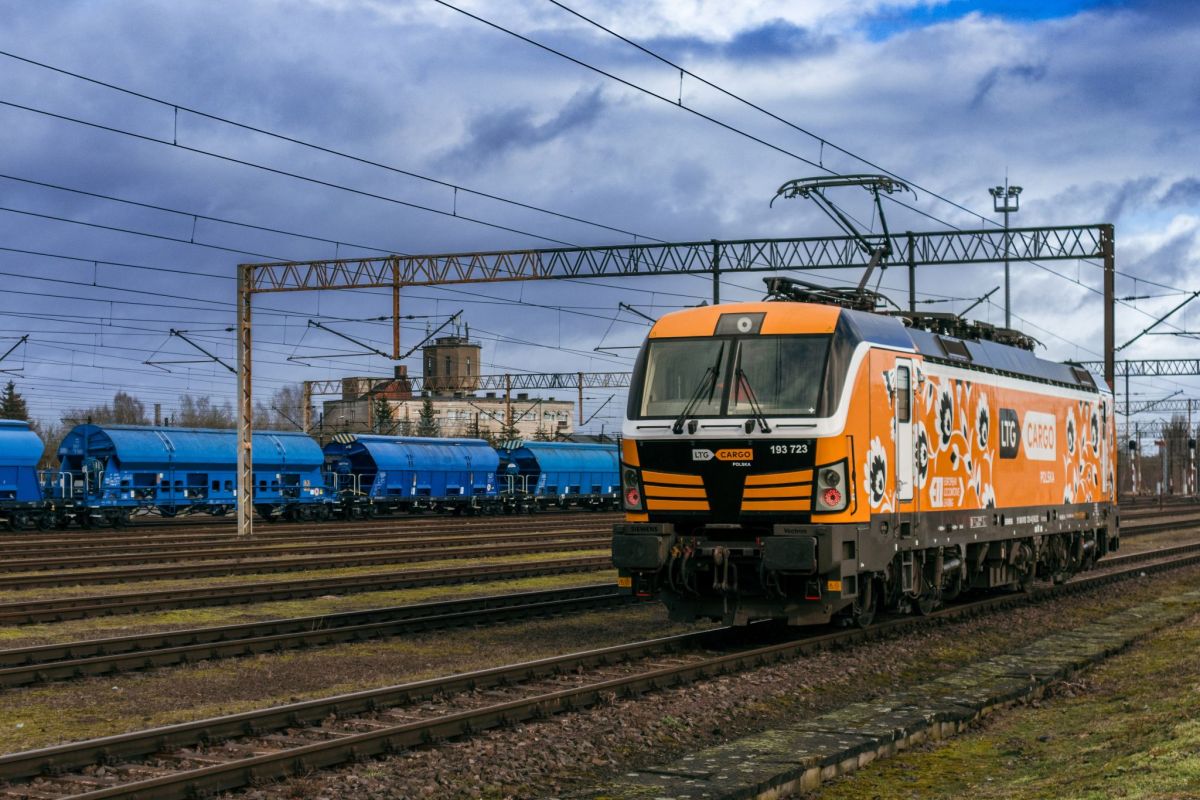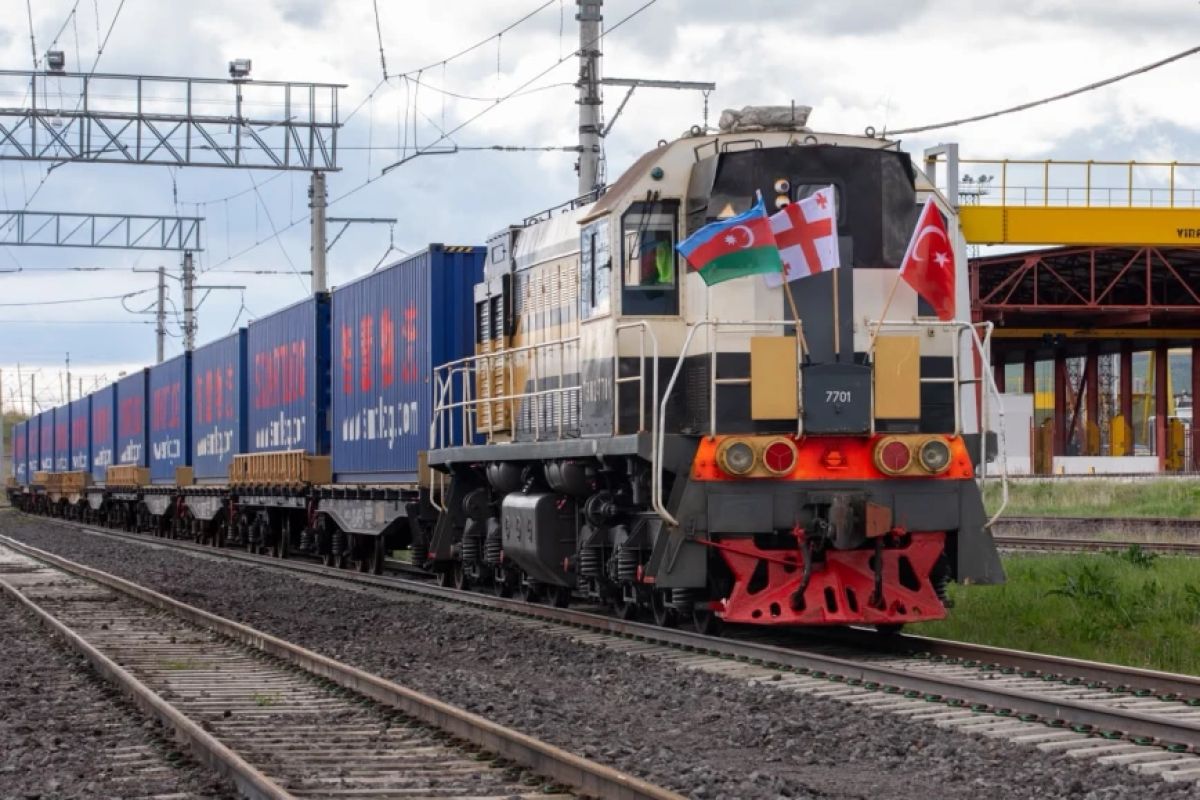
According to Carta, the combination of extensive infrastructure works, limited international coordination, and new regulatory burdens is placing severe pressure on the competitiveness of rail freight.
In his address, Carta highlighted the impact of scheduled line closures in Germany and recently adopted Swiss regulations on freight wagons, which he described as “unrealistic” for an already pressured sector. These measures risk reducing network capacity at a time when the EU is urging a shift from road to rail freight.
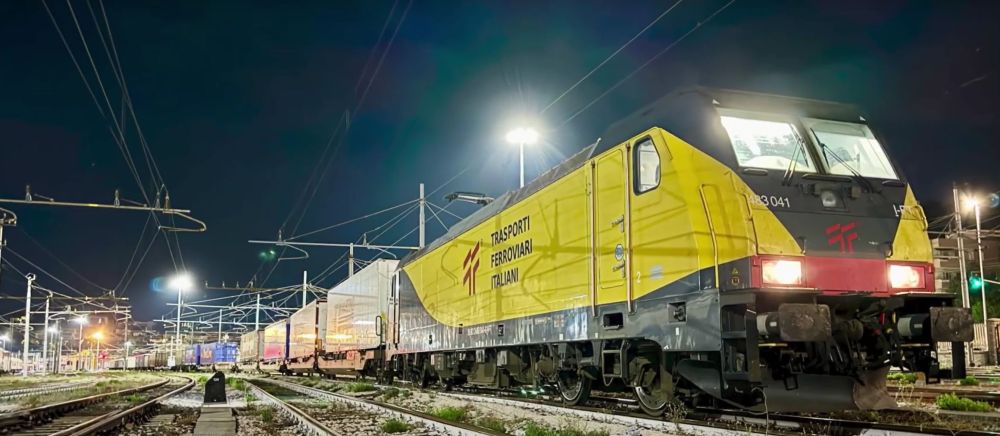
Domestically, works related to Italy’s National Recovery and Resilience Plan (PNRR) are contributing to scheduled interruptions and increased construction activity. While acknowledging the importance of these investments, Carta pointed to resulting delays, cancellations, penalties, and customer losses that are affecting operators during the transitional period, with completion not expected before 2026.
Further complicating the situation are bureaucratic obstacles that hamper access to incentive schemes and weaken regulatory stability. Despite this, Carta noted some positive developments, particularly in dialogue with infrastructure manager RFI, and called for the possibility of opening certain time slots currently reserved for passenger services to freight operations to ensure service continuity.
Looking ahead, Carta described 2025 as a year of institutional growth for Fermerci and warned that 2026 will also be critical. However, he suggested that a more favourable outlook may emerge by 2027, as PNRR-funded projects near completion.