The funding is provided by the Ministry of Energy and the Ministry of Construction and Transport, with MÁV Pályaműködtetési Zrt. responsible for disbursing the amounts to the participating companies.
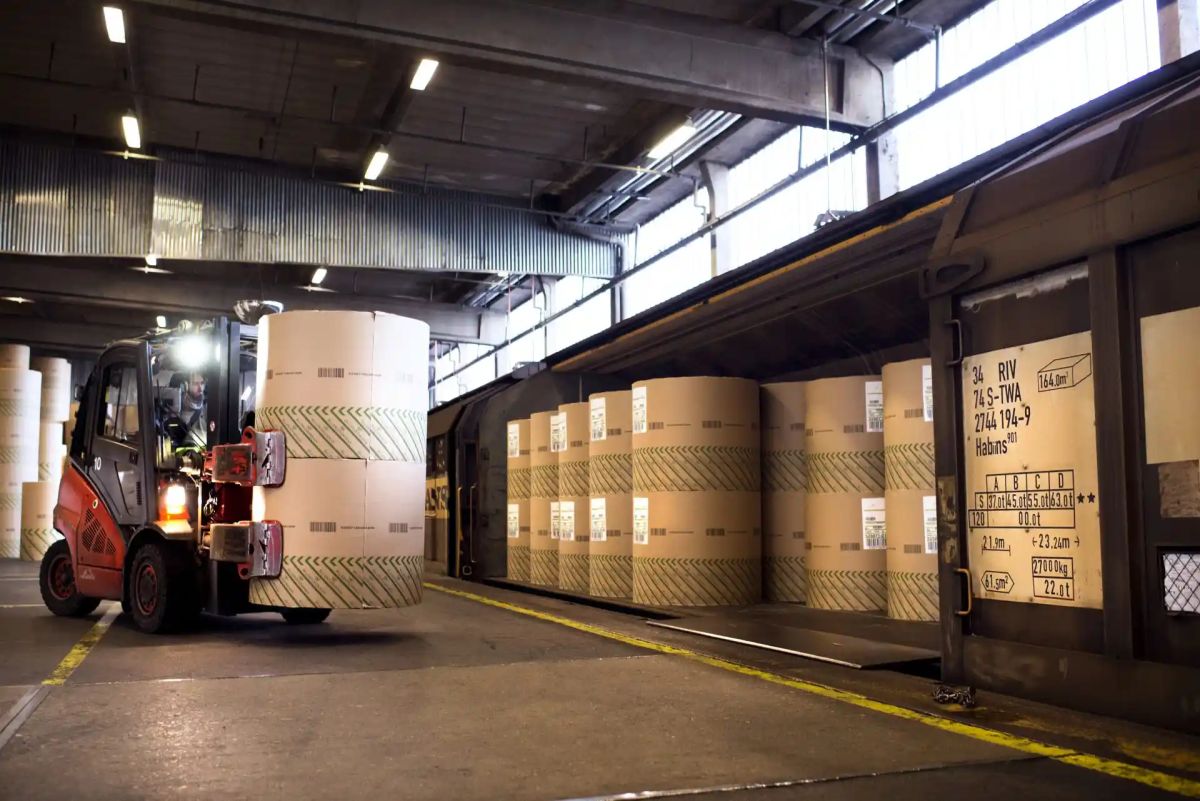
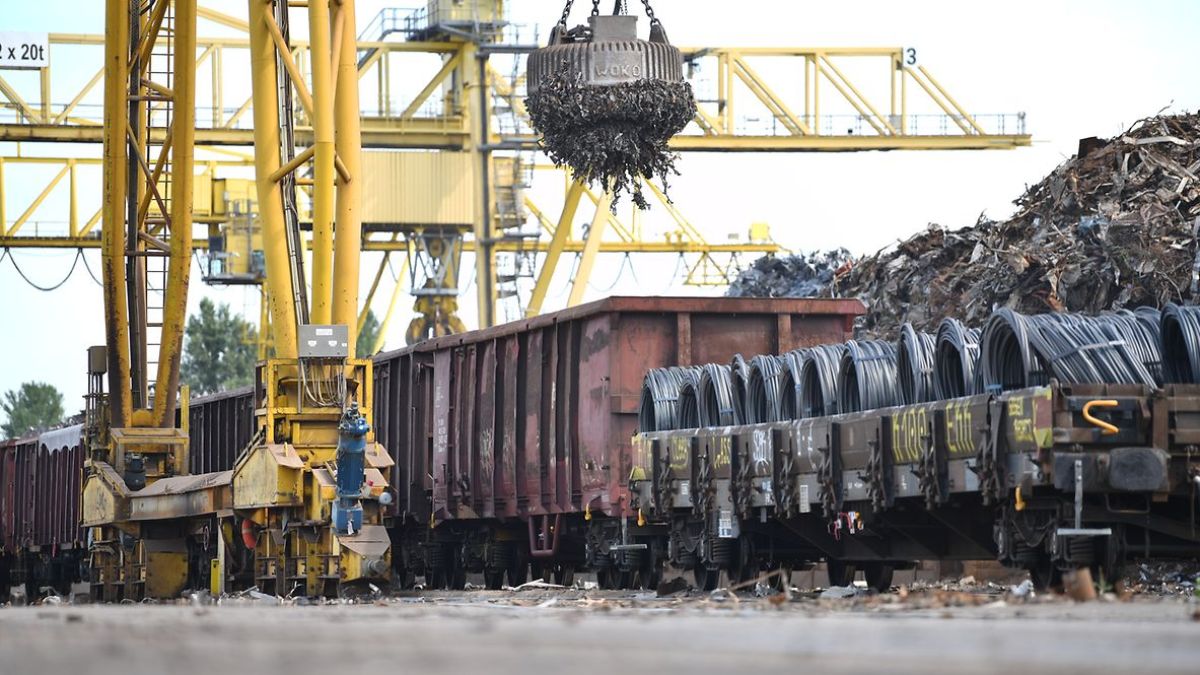
The subsidy targets transport operations that cannot be maintained profitably under market conditions. Single-wagon freight—where individual wagons are dispatched directly from company sidings and reassembled into trains at marshalling yards—remains essential for the shipment of specialised goods and the supply of various industrial sectors.
In the first half of 2025, operators transported 2.9 million tonnes of cargo within the programme. According to the organisers, this is equivalent to reducing road traffic by up to 400,000 trucks annually, which contributes to lowering CO₂ emissions and easing pressure on road infrastructure.
The programme currently involves 11 railway companies, including Rail Cargo Hungaria, GYSEV Cargo, CER Hungary, MMV, ČD Cargo Hungary, Rail Transport Hungary, Eurogate Rail Hungary, Train Hungary, Kárpát Vasút, Train Europe, and LTE Hungária. The companies provide service across the MÁV and GYSEV networks, where monthly transport performance under the scheme exceeds 90 million freight tonne-kilometres.
Besides cargo movement, the programme supports employment for nearly 2,000 railway staff involved in infrastructure services, shunting, traffic management, and traction power provision. MÁV and GYSEV ensure the availability of the required infrastructure and related services.
Single-wagon freight supports around 700 Hungarian companies, including those dealing with goods that face restrictions or complications when transported by road. These include 2.3 million tonnes of dangerous goods, which are instead transported by rail under the scheme.