Aurizon has secured multi-year contracts with BHP to operate integrated rail, road, and port logistics for its South Australian copper operations.
Shift from road to rail between Pimba and Port Adelaide
Under the new setup, BHP’s copper output will be transported by road from mine sites to a newly constructed terminal in Pimba, located roughly 500 kilometres north of Port Adelaide. From there, Aurizon will handle rail transport to its existing terminal infrastructure at Berth 29 in Port Adelaide. The company will also operate inbound freight flows in the opposite direction using the same corridor.
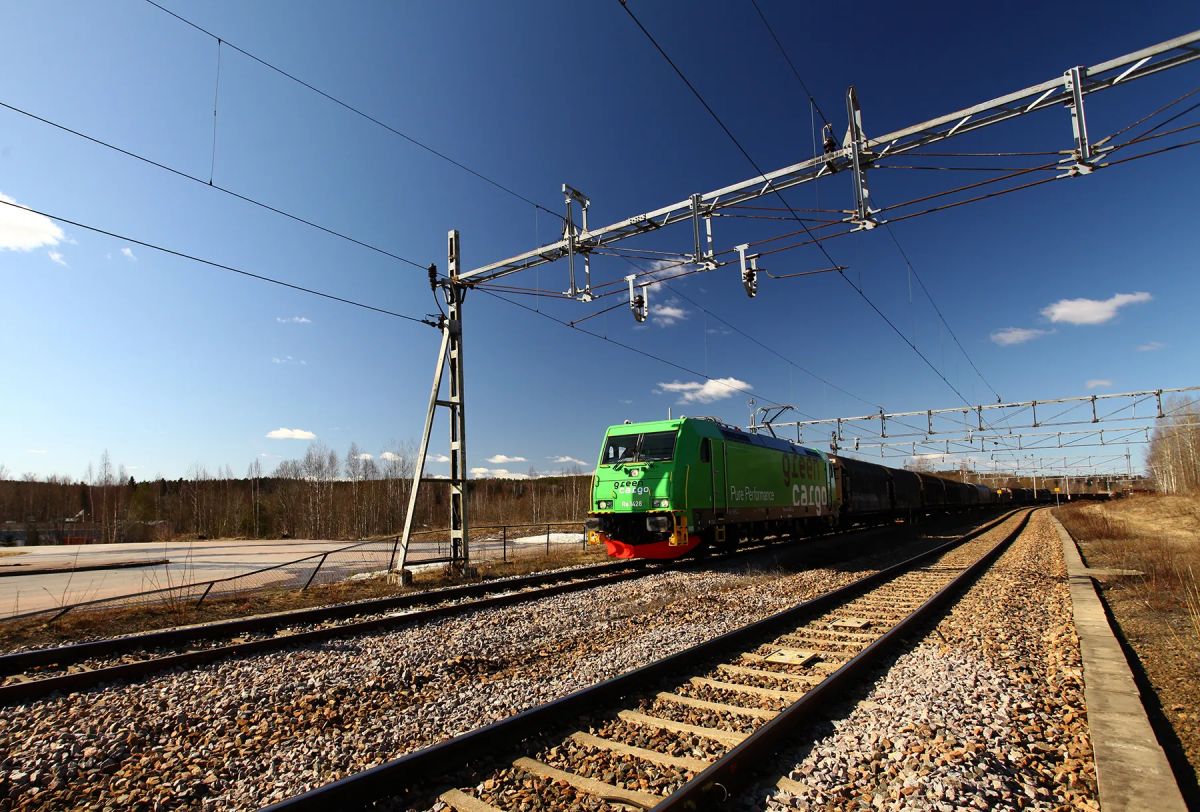
Aurizon will subcontract the road leg of the journey to Symons Clark Logistics. The railway portion will utilise locomotives and flatbed wagons from Aurizon’s national fleet, operating on the ARTC mainline.
Infrastructure and investment
A new intermodal terminal at Pimba will be constructed in stages. Initial operations will be supported by a short-term hardstand on the mainline. Full terminal and maintenance facilities on an adjacent site are scheduled for completion by 2027. Total infrastructure investment is estimated at around EUR 60 million, with the largest single component being the Pimba terminal at EUR 24 million.
Additional capital will be allocated to plant and handling equipment such as reach stackers and forklifts. Most containers for the operation will be leased, and the trucking fleet will be operated under subcontract.
Contract structure and volumes
The logistics contract is expected to generate approximately EUR 910 million over an initial 10-year term, with potential for up to 15 years depending on performance against KPIs. At contract start, Aurizon’s transport volume will be approximately 1.3 million tonnes per annum, based on BHP’s reported copper output of 322,000 tonnes in FY2024.
The deal also includes provisions to scale operations should BHP increase output at its South Australian assets, including a possible future mine at Oak Dam.
Transport impact and network footprint
The transition from truck to rail between Pimba and Port Adelaide is expected to reduce approximately 13 million kilometres of annual truck movements on South Australian roads. The solution integrates Aurizon’s rail haulage, port terminal services, and stevedoring operations across the Copper SA supply chain.
According to the map on page 4 of the contract file, the logistics model consolidates all exports through Port Adelaide (Berth 29) and uses the Gillman terminal for containerised freight. The diagram also shows relative distances between mine sites (Olympic Dam, Carrapateena, Prominent Hill) and Pimba, ranging from 65 km to 325 km, with all routes converging before rail transit to port.
This contract builds on Aurizon’s existing infrastructure investments in South Australia, including its 2023 acquisition of Berth 29 and the Gillman Rail Terminal.