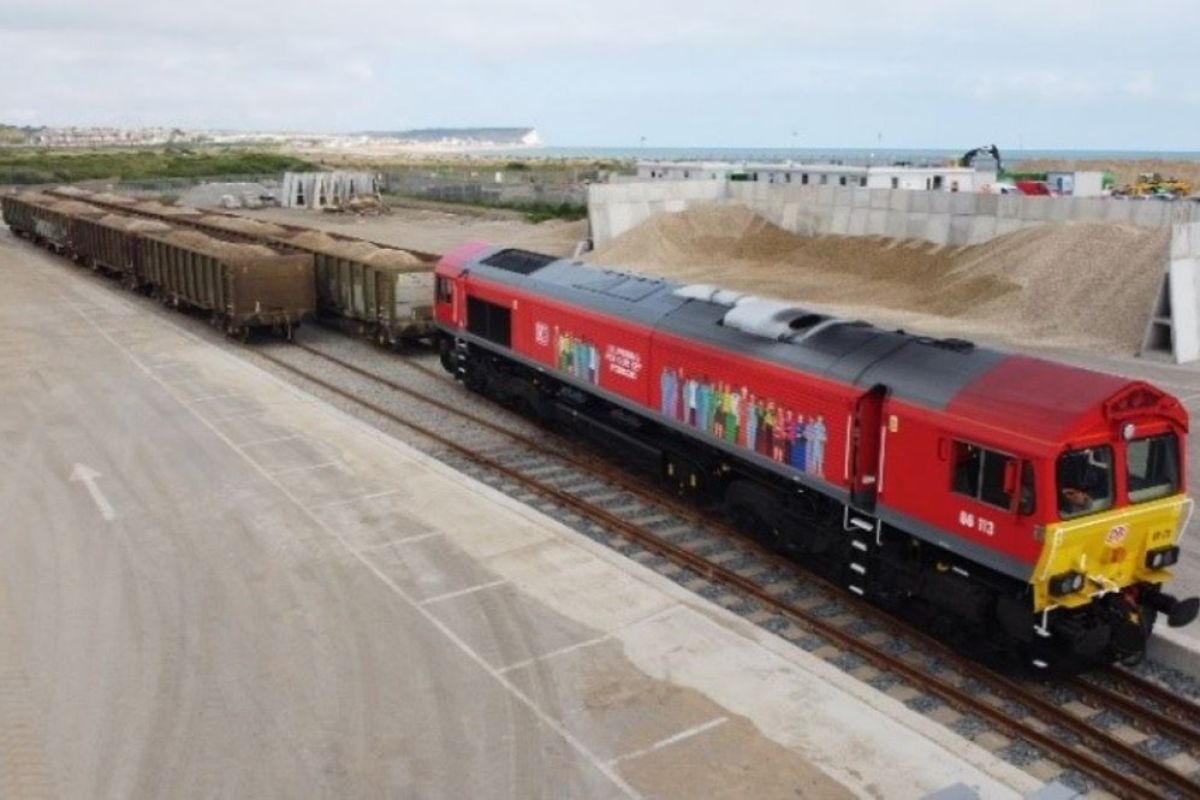
The European Commission has authorized a €1.9 billion State aid package from Germany to support DB Cargo, a leading rail freight operator and subsidiary of Deutsche Bahn AG (DB AG).
The Commission's decision follows an in-depth investigation initiated in January 2022 after a competitor filed a complaint. The investigation focused on several areas:
- Profit and loss transfer agreement: Since 2012, DB AG has been covering DB Cargo's losses through an agreement that the Commission identified as State aid. This arrangement must be discontinued by January 1, 2025.
- Intra-group services and loans: The Commission found that services provided within the DB AG group and the financing conditions of loans to DB Cargo did not constitute State aid, as they were conducted under normal market conditions without undue State influence.
- Civil servant remuneration: Partial coverage of remuneration for civil servants allocated to DB Cargo was also deemed in line with market conditions.
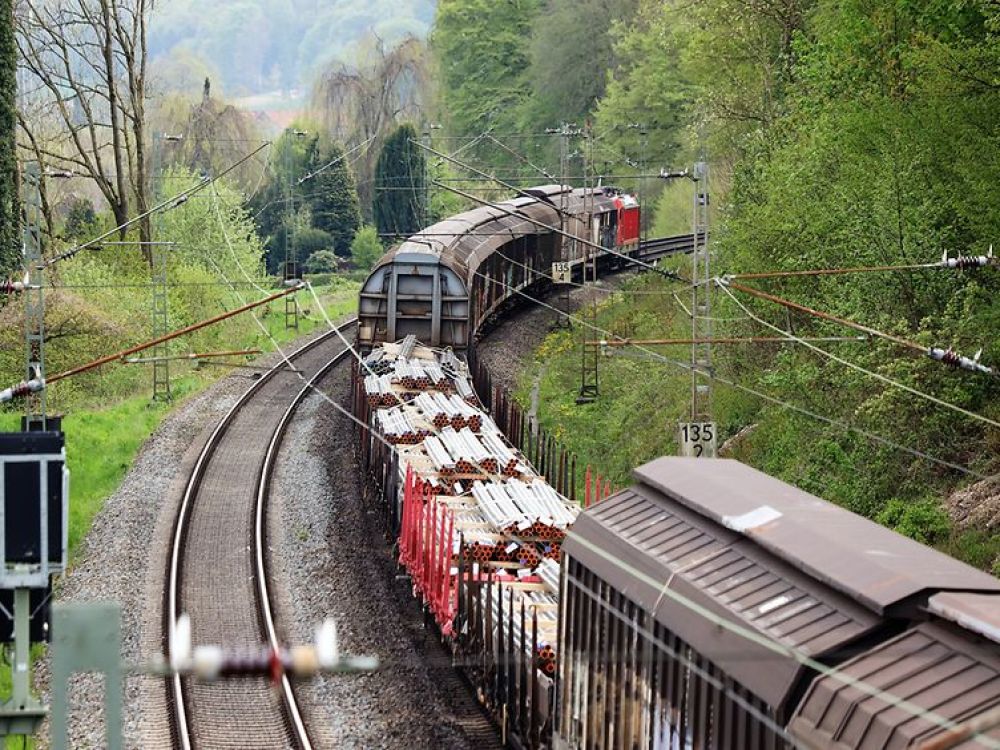
DB Cargo’s restructuring plan under way
Under the approved aid, DB Cargo is required to proceed with a comprehensive restructuring plan. This includes streamlining operations, reducing costs, and divesting certain assets. Germany has committed to these measures, which may involve the sale of parts of DB Cargo's locomotive fleet and company holdings.

At least 7.4% headcount reduction
In October, DB Cargo reached an agreement with employee representatives to reduce approximately 2,300 positions (out of a total of 31,000 employees). The company has indicated that additional job cuts may be necessary as restructuring continues. The formation of new business units focused on specific market segments—such as steel, automotive, chemicals, raw materials, and consumer goods—is also part of the plan.
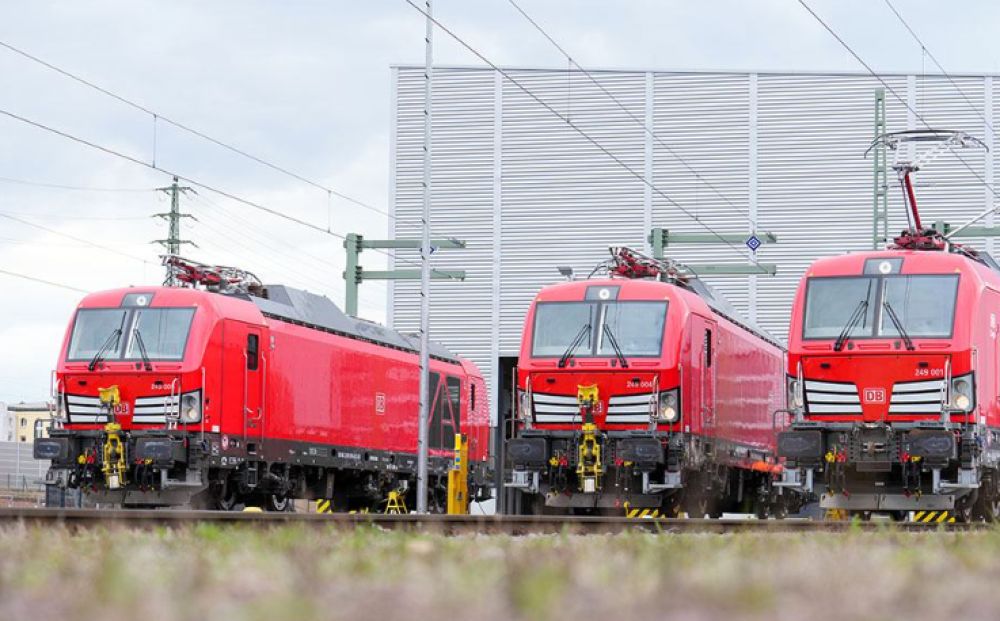
DB Cargo must operate without state support from 2026
The Commission's approval means that, starting from 2026, DB Cargo must operate without further financial support from the State. The termination of the profit and loss transfer agreement marks a significant shift, requiring the company to achieve financial stability independently.