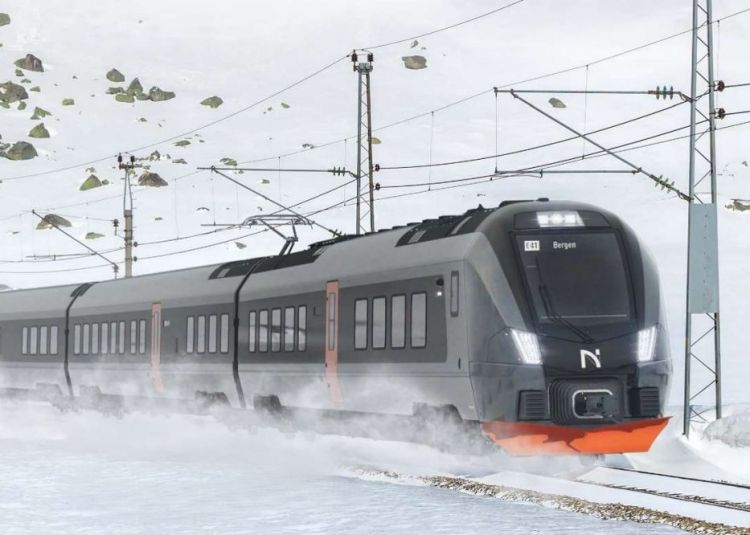
Procurement and fleet management
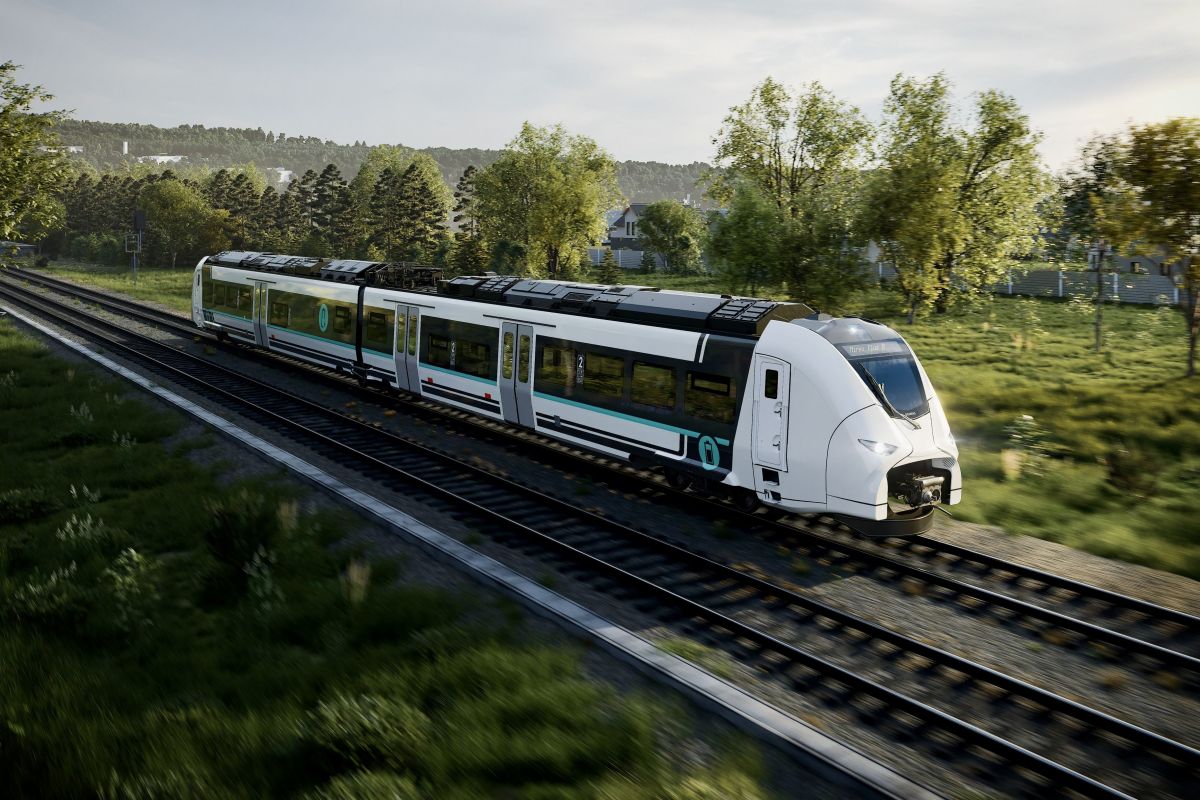
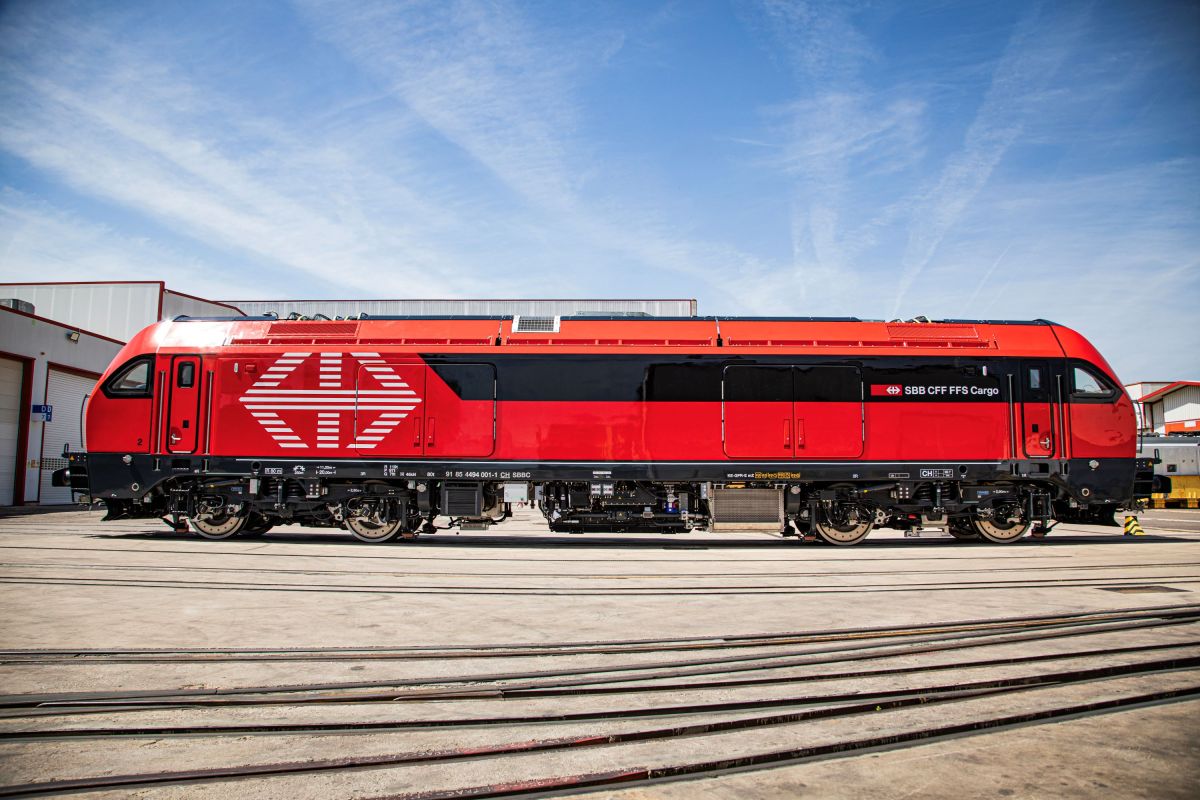
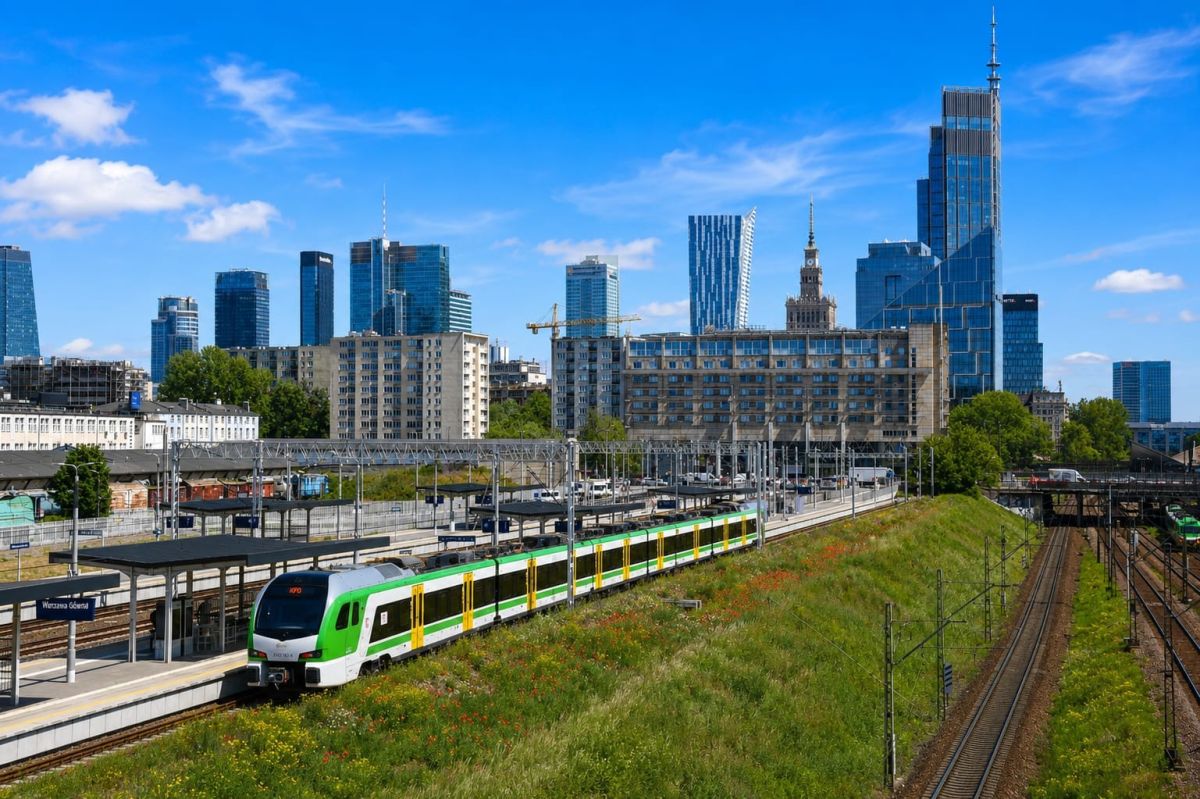
In 2024, Norske tog advanced its two major procurement programmes: local and regional trains from Alstom, and long-distance FLIRT Nordic Express units from Stadler. The contracts allow for the acquisition of up to 300 new trains combined, subject to option exercises. The first local train is expected to enter testing during the winter of 2025/2026, while the first long-distance unit is now expected to begin operation in 2028. Both projects face delays of up to a year due to supply chain disruptions and technical issues on the manufacturer side.
Alongside procurement, Norske tog launched mid-life upgrades for the type 72 EMUs. The first unit was returned to Norway in December 2024, with full deployment of the refurbished fleet planned by 2027/2028.
Maintenance strategy shift
The company continued implementing condition-based maintenance (CBM) across its fleet. FLIRT units were the initial focus, with sensor installations rolled out in 2024. CBM is expected to reduce unplanned downtime and improve availability by allowing for predictive servicing.
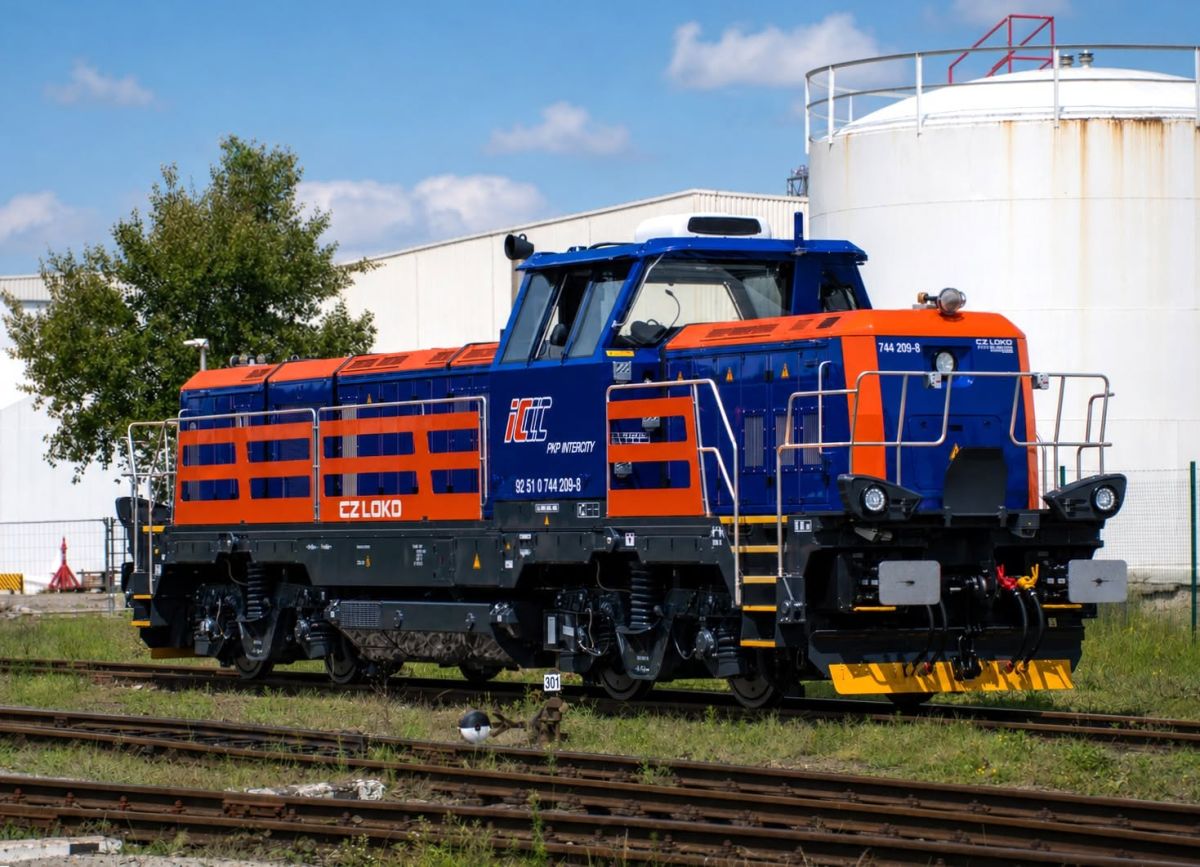
In addition to CBM, Norske tog reported targeted upgrades on aging rolling stock. Modifications were introduced to reduce recurring faults: a 50% drop in battery-related issues on type 93, a 60% reduction in faults on type El 18 locomotives, and improvements on types 73 and 5. The average fleet age increased to 19.6 years.
Financial overview
Despite a decrease in profit, the company maintained a stable financial position. Earnings before tax dropped to NOK 153 million (EUR 13.2 million), with a net profit of NOK 119 million (EUR 10.3 million). Return on equity was 3.3%, down from 4.8% in 2023. The equity ratio was 25.7%, in line with state ownership expectations.
A shift in the company's financing model is under consideration. The Norwegian government has proposed replacing market-based loans with state-backed financing starting in the second half of 2025. A decision is pending.
Norske tog reported one major safety incident in 2024: a derailment on the Nordlandsbanen in October, resulting in the death of a train driver. The event led to operational disruption and highlighted the vulnerability of the aging fleet.
Delays caused by rolling stock failures increased in 2024, contributing to a 1.5 percentage point drop in punctuality across the Norwegian network, falling to 86.1%.
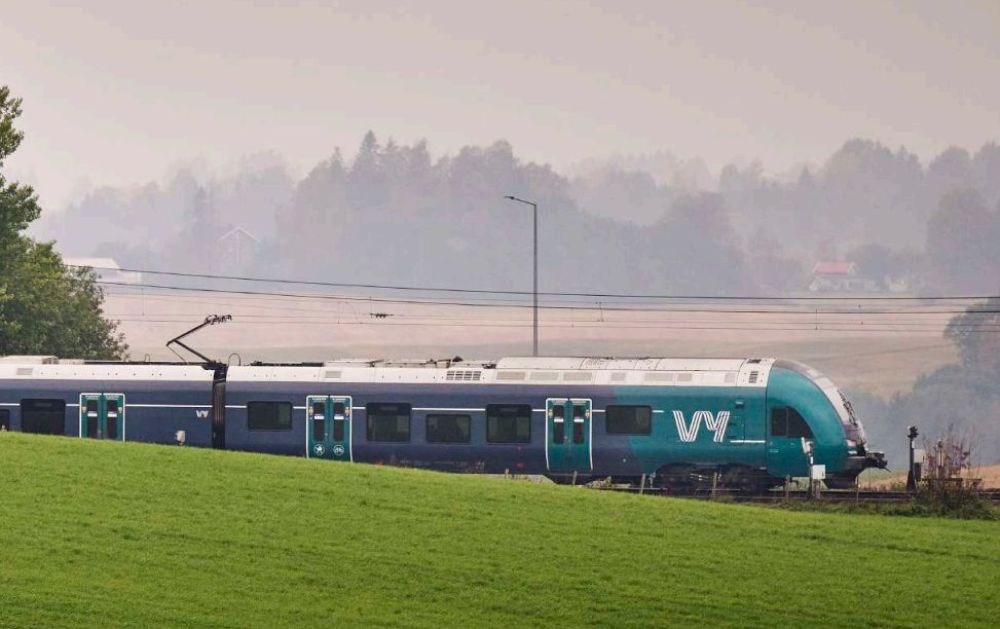
Sustainability reporting
The company began reporting under the EU Corporate Sustainability Reporting Directive (CSRD), one year ahead of mandatory compliance. Internal systems were revised to align with the directive’s expectations for ESG data quality, risk mapping, and stakeholder engagement.
In parallel, Norske tog received SBTi validation for its climate targets and developed a transition plan due in 2025. Recycling practices were also scaled up, including reuse of train components and targeted material recovery from decommissioned units. Five trainsets were scrapped in 2024, with 14 additional units scheduled for decommissioning in 2025.
Organisational and operational developments
At the close of 2024, Norske tog employed 64 permanent staff. The gender ratio was 32% women. The company reported low sick leave (3.5%) and stable employee satisfaction. No dividend is proposed for the current strategy period, as capital is being directed toward investment needs.
In line with political decisions, Norske tog will take over the Flytoget fleet in 2025 as part of Flytoget’s integration into the Vy group. The company is also involved in early planning for future international night and day train services, including a planned night train to Copenhagen.