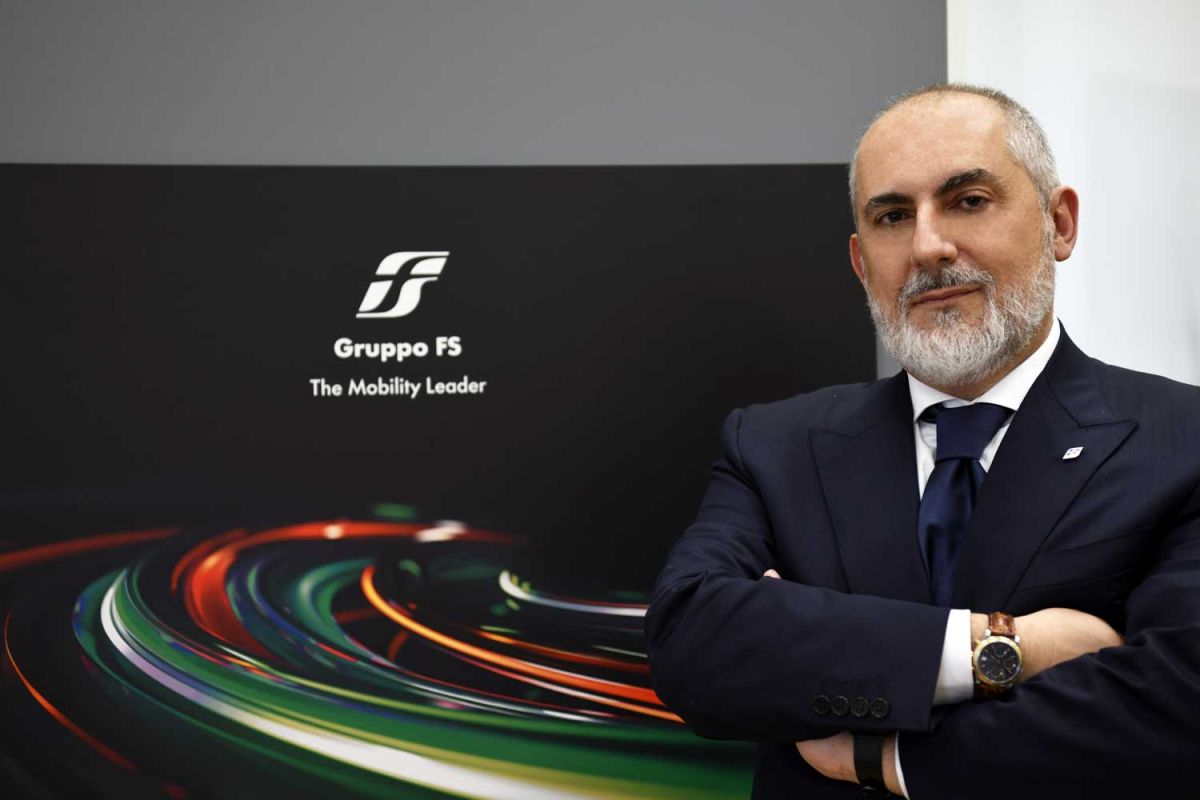

FS Group returns to profit with 72% increase of EBITDA in freight
Operating revenues rose 4%, while EBITDA increased by 6%, supported by a 20% surge in international passenger revenue and a recovery in the freight sector.
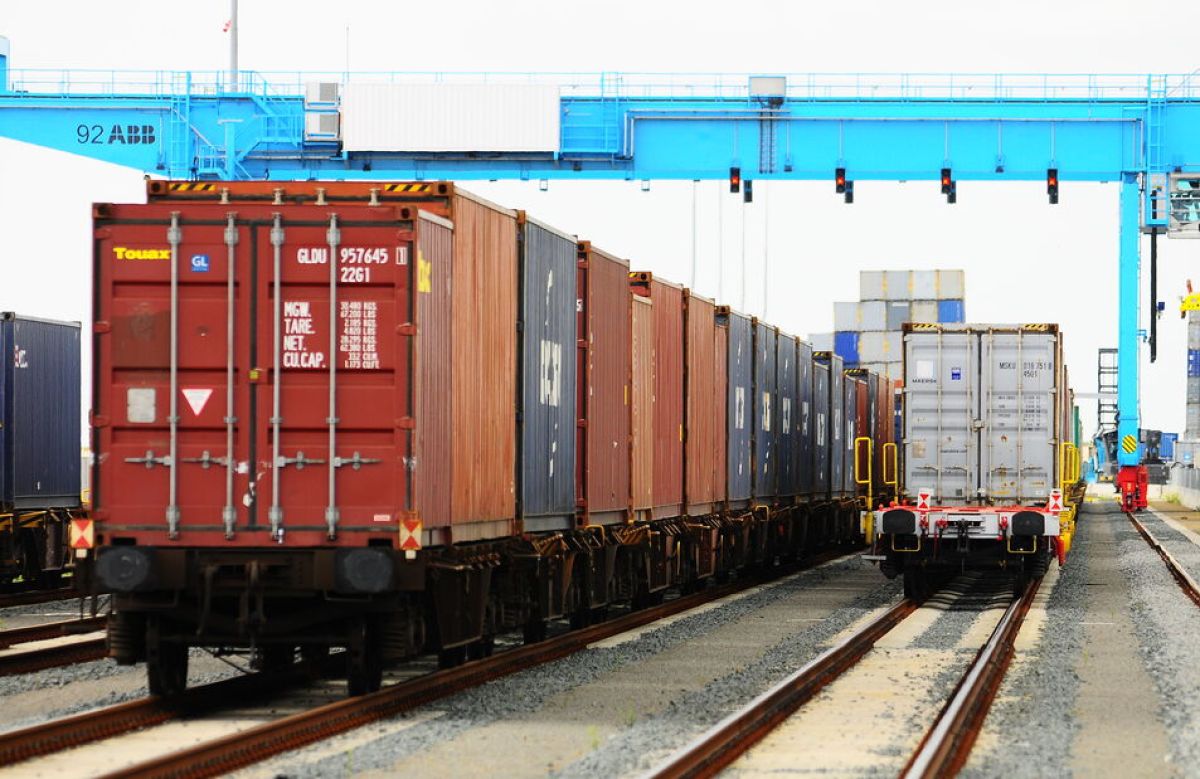
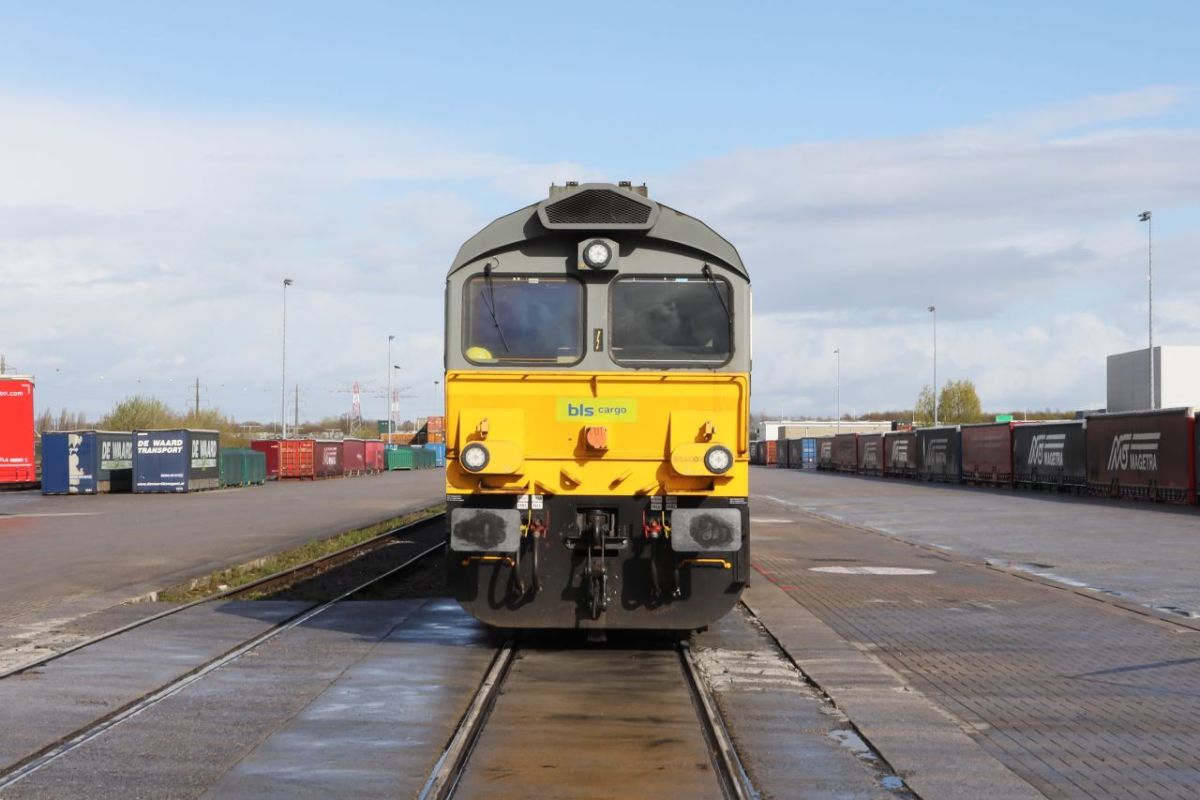
Six major rail freight operators have signed an agreement to launch "Track Together," a mutual-aid operational scheme designed to reduce congestion on the Port Railway Line in Rotterdam.
The vehicle is an evolution of the existing IC+ platform, featuring a redesigned interior and modified technical specifications to reduce lifecycle costs.
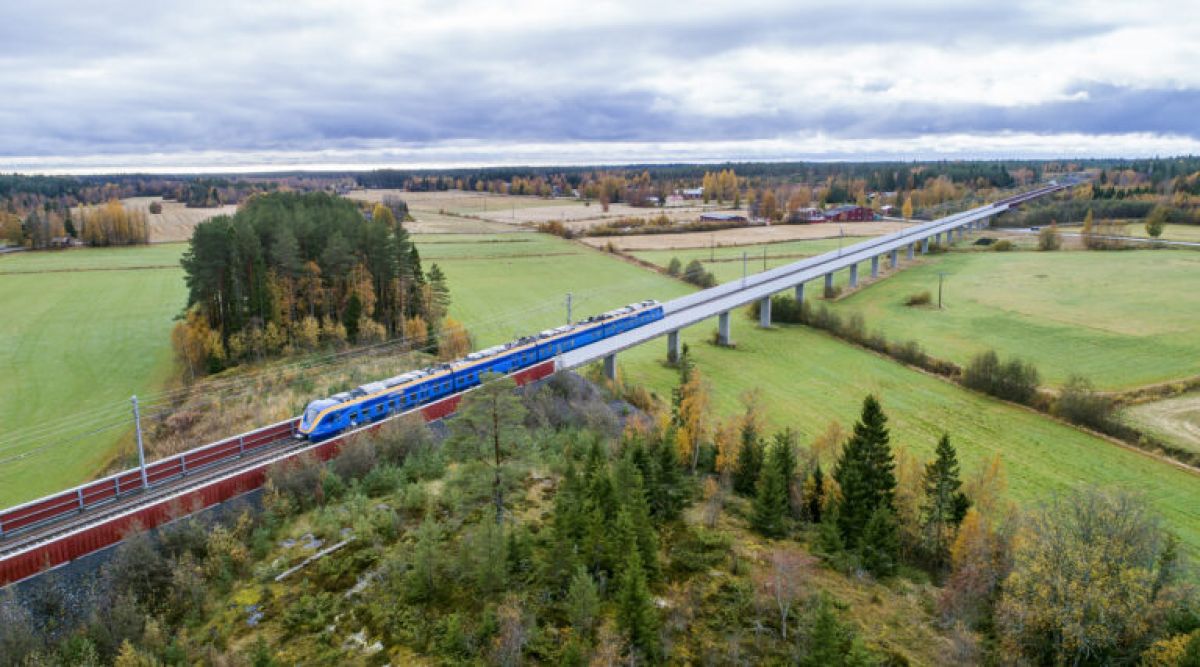
The order comprises 10 locomotives and 91 coaches, scheduled to enter service on the Stockholm–Narvik and Stockholm–Umeå routes from 2030.
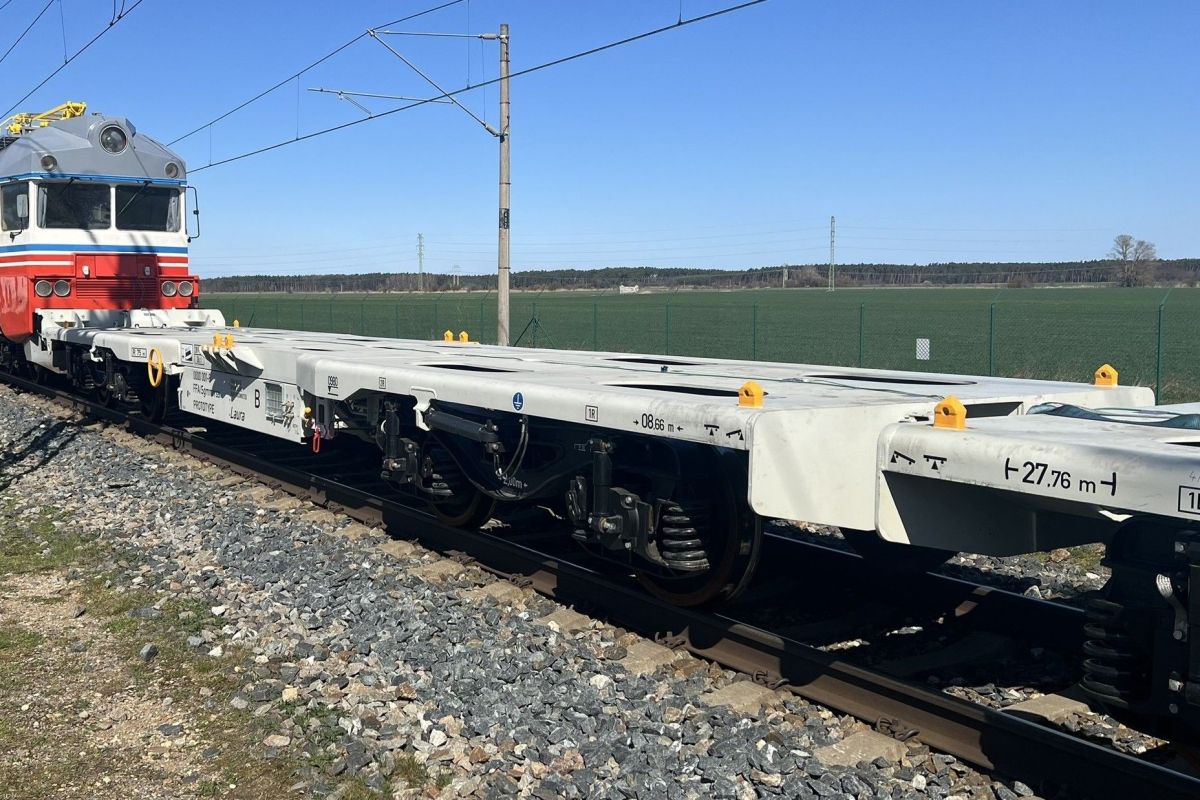
The manufacturer claims the new design offers a 30% reduction in purchase price compared to existing approved 40ft twin wagon models currently serving the British intermodal sector.
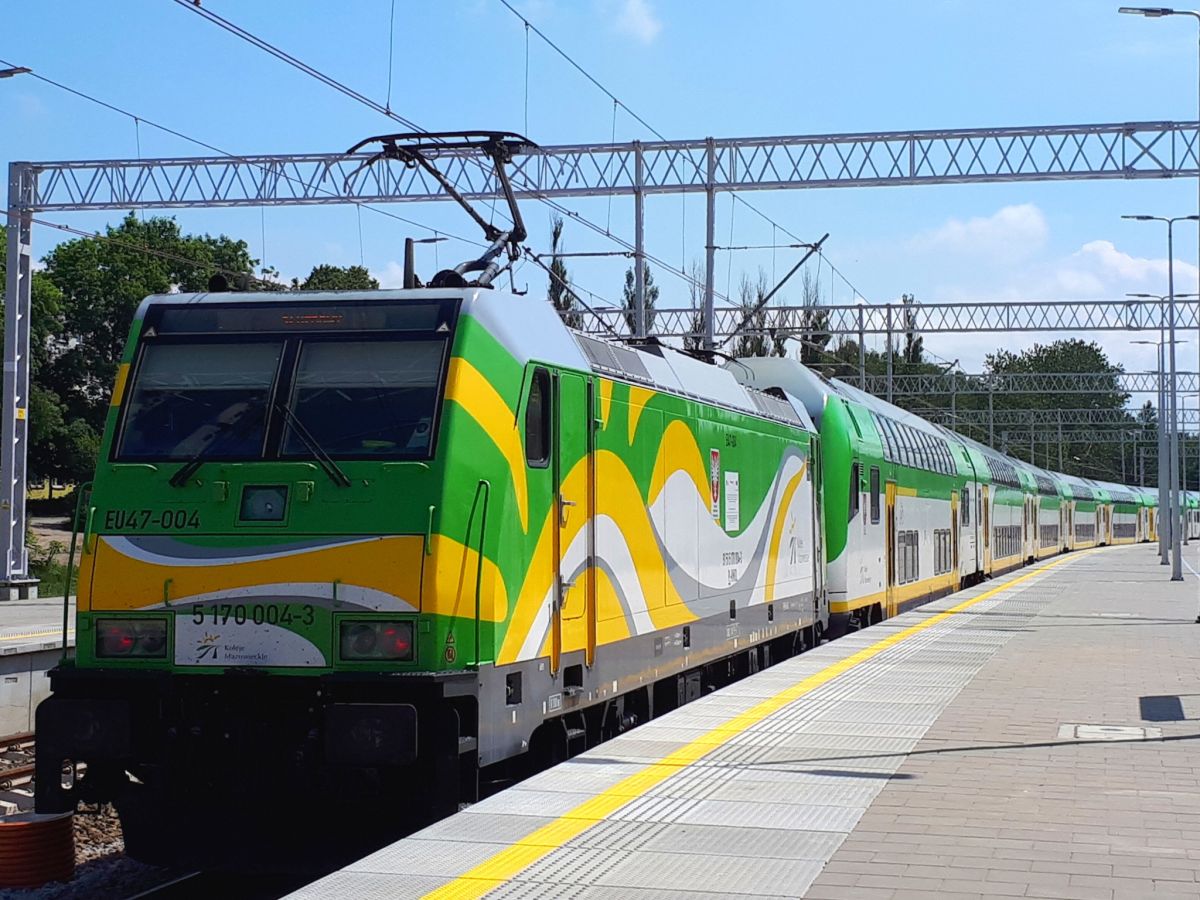
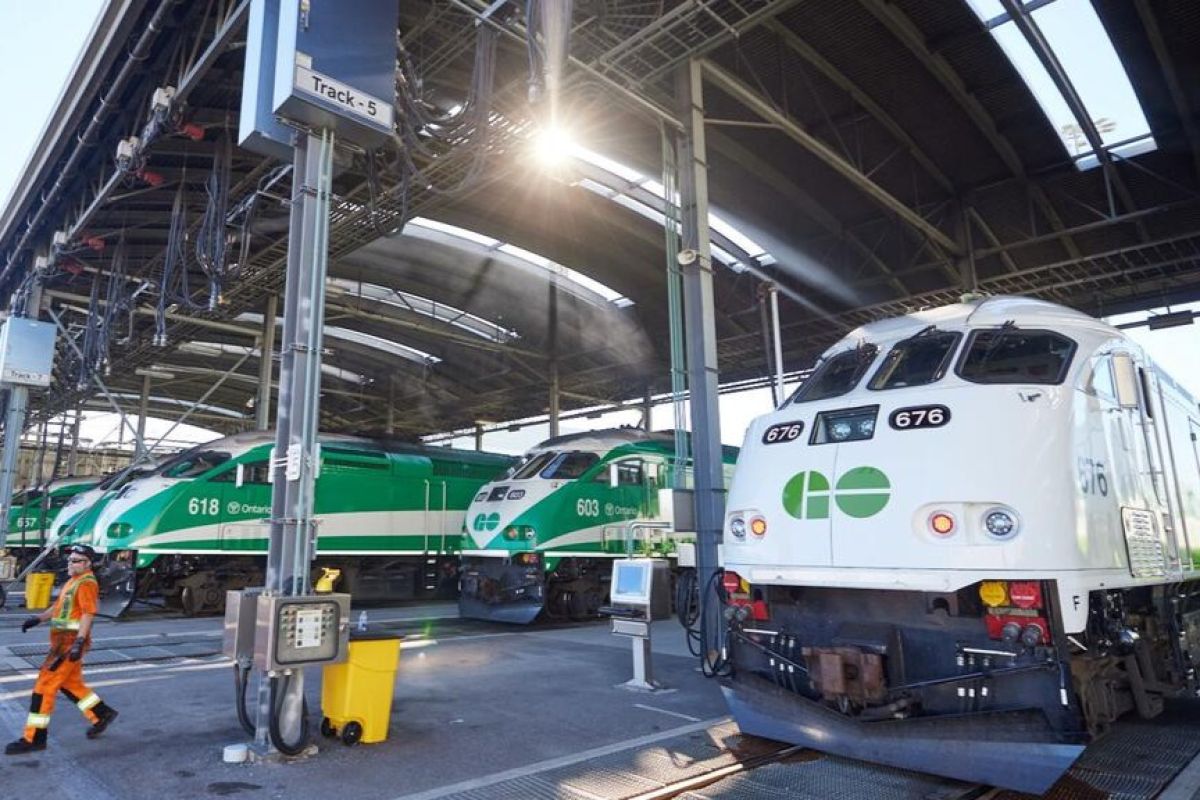
The agreement is valued at EUR 21.7m (PLN 96m) gross and covers the deep refurbishment of the regional operator’s push-pull motive power.
The services position Liège as an origin and destination point for rail flows between Wallonia and Southern and Eastern Europe.
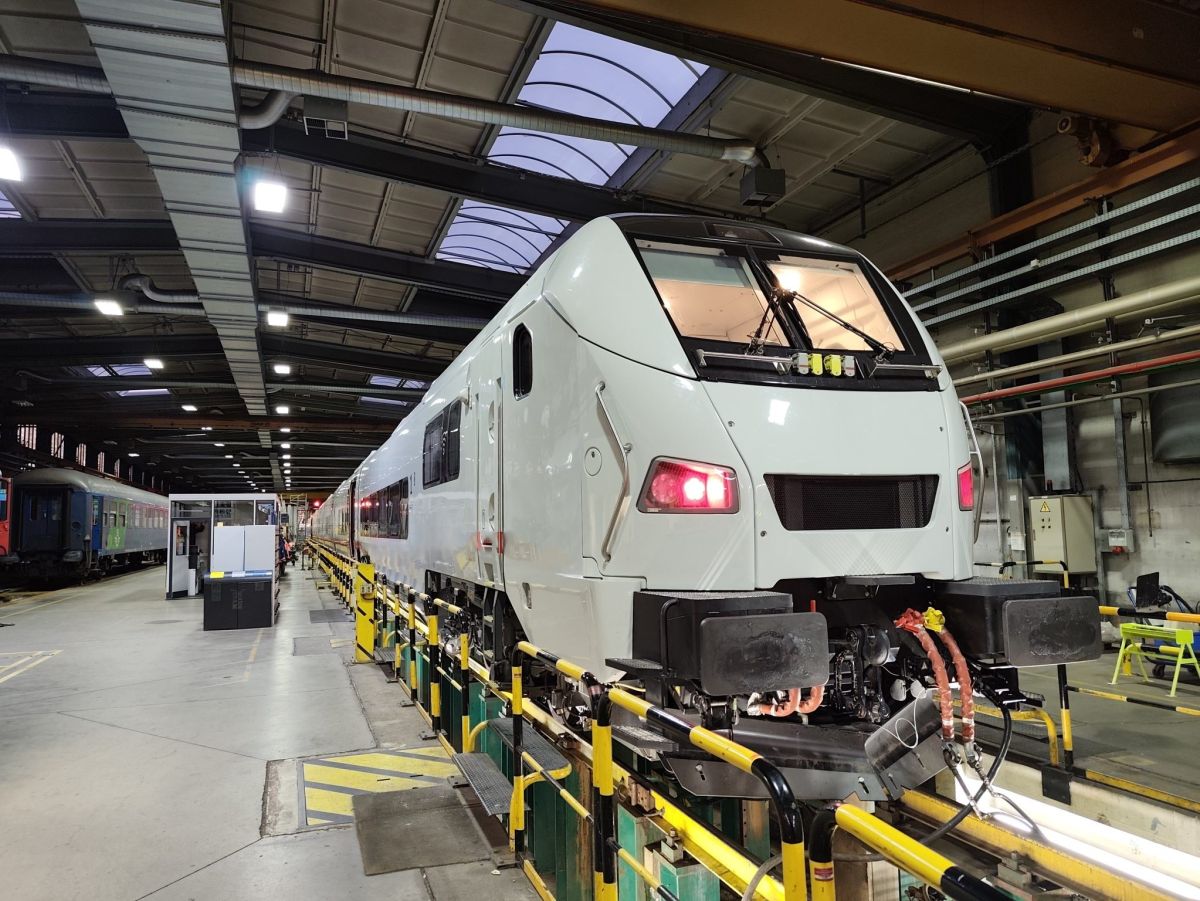
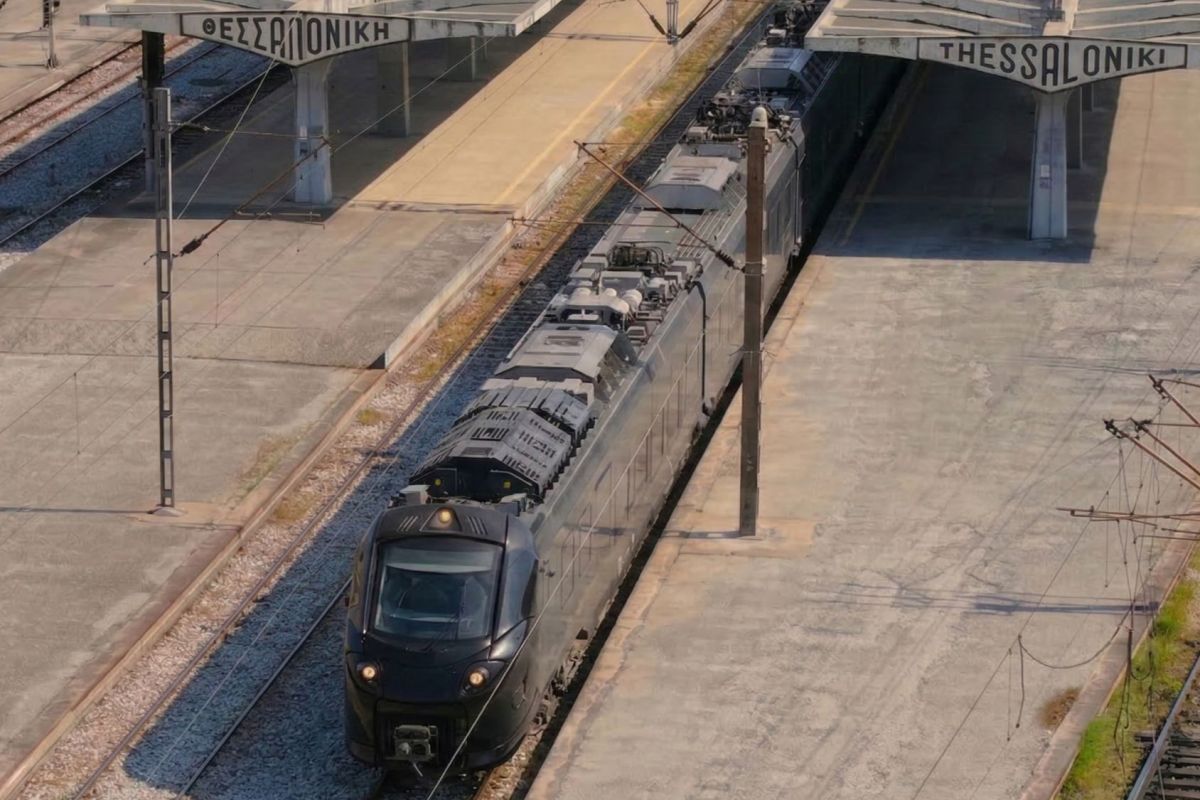
Hellenic Train has launched a train driver training and certification programme for its Coradia Stream test train as part of the type-approval process for new electric multiple units.
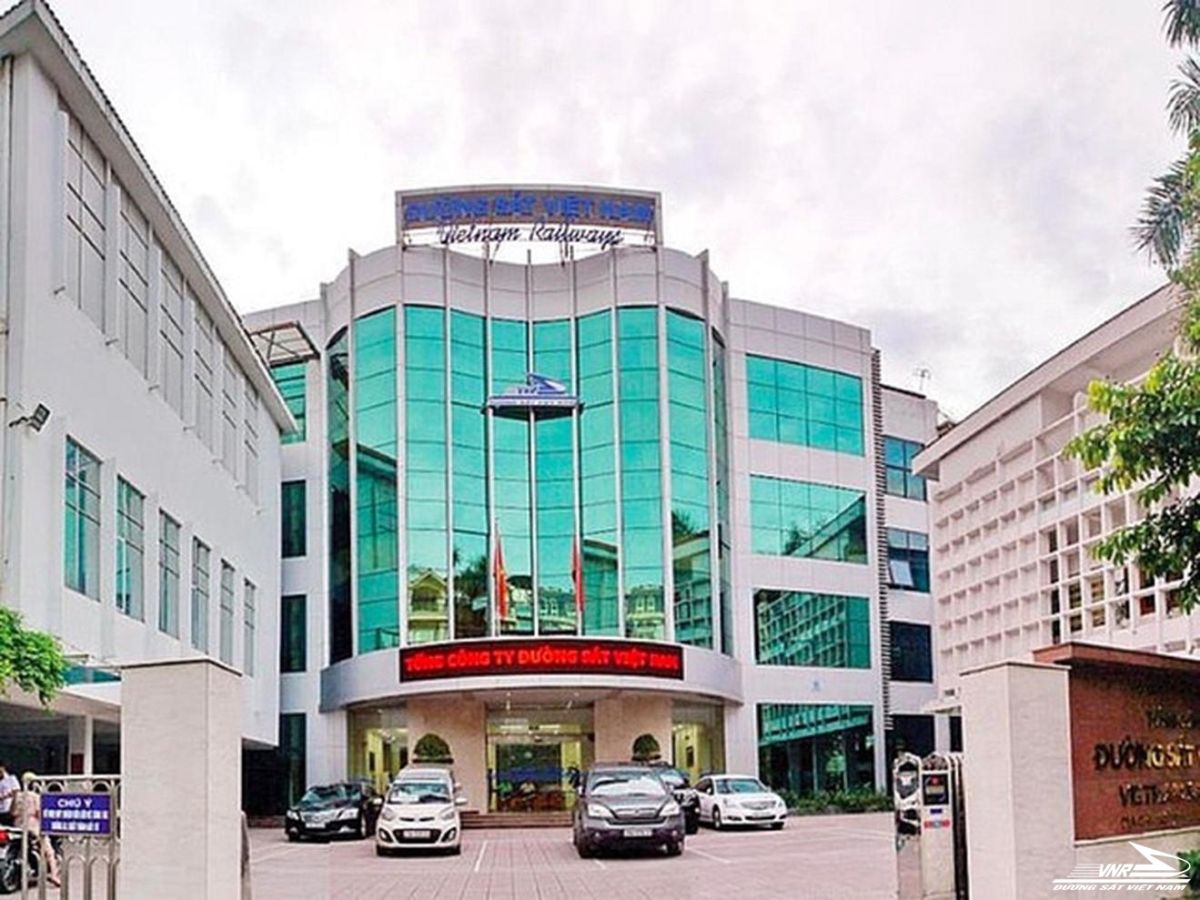
The plan reorganises VNR into a parent–subsidiary structure under the name Vietnam National Railways Group, operating as a state-owned limited liability company.
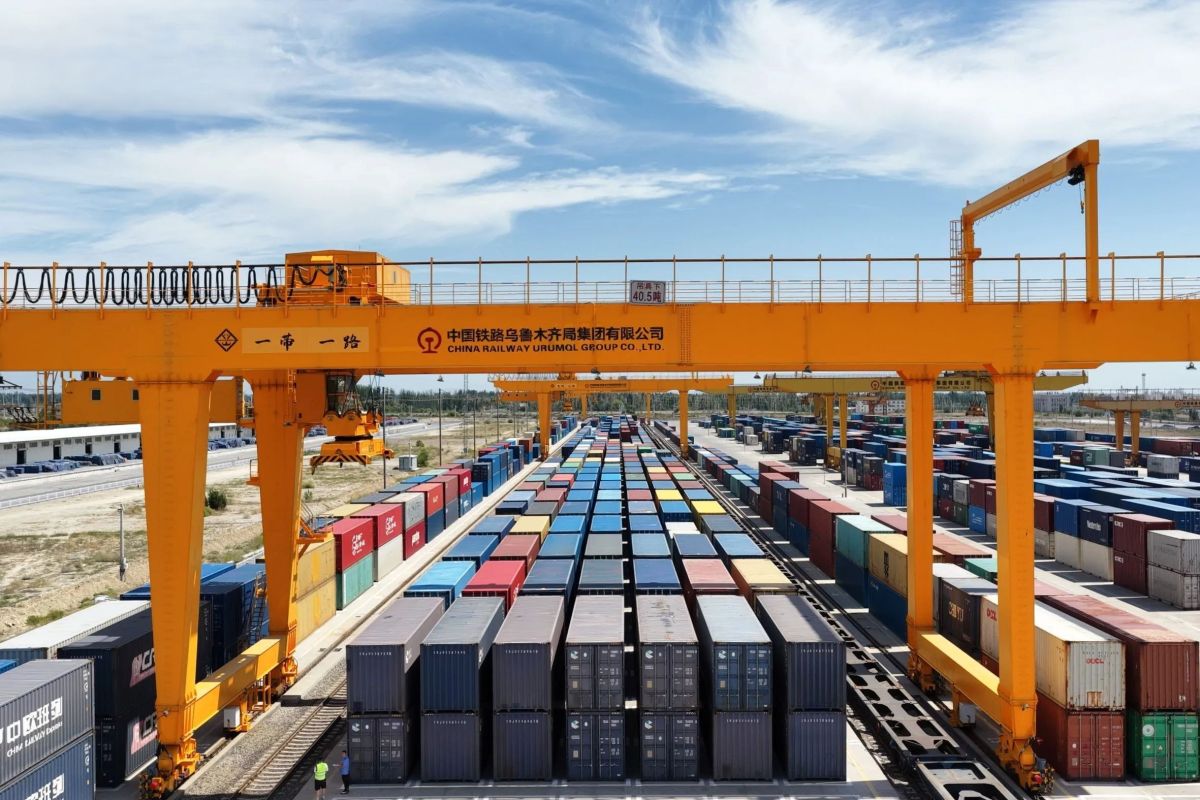
The trains transported 105,170 TEUs, an increase of 43.2%, with the 1,000-train threshold reached 26 days earlier than in 2025.
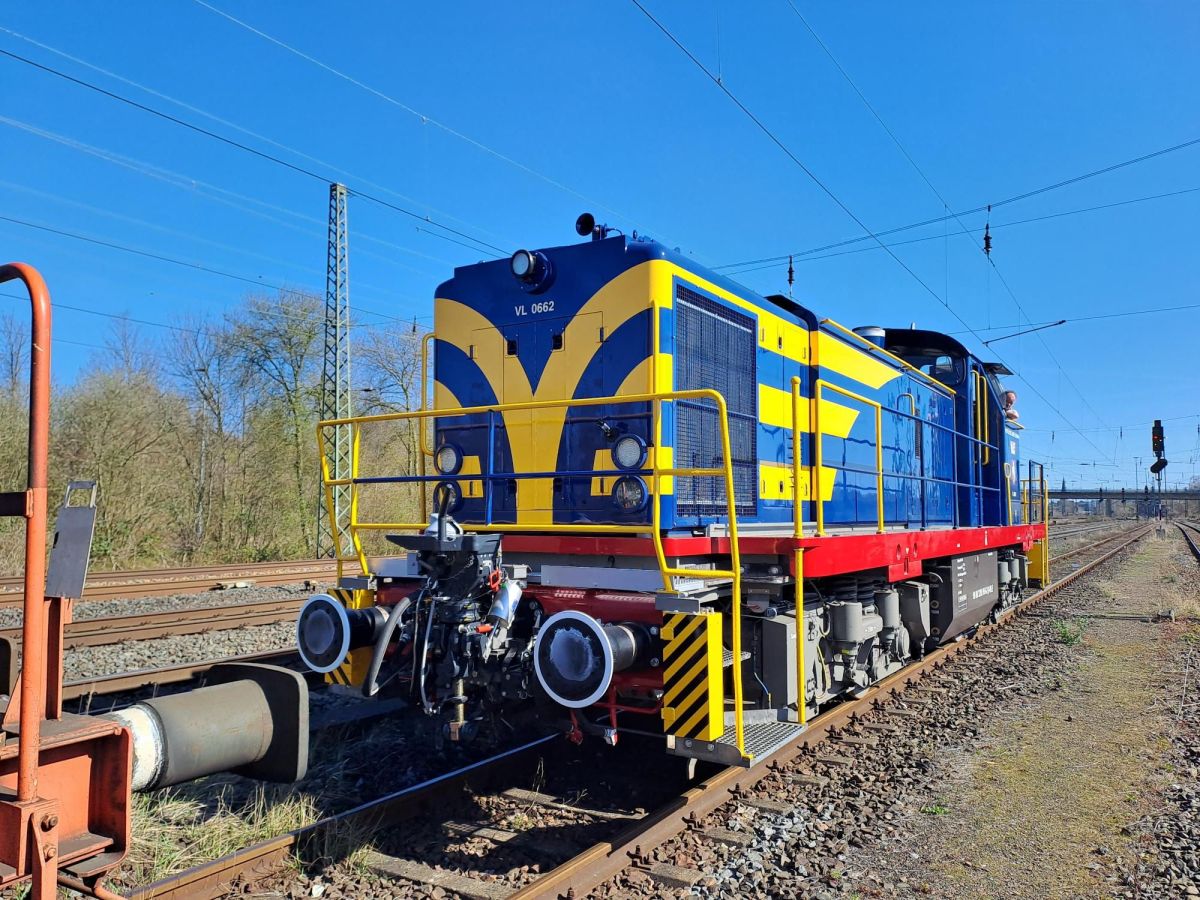
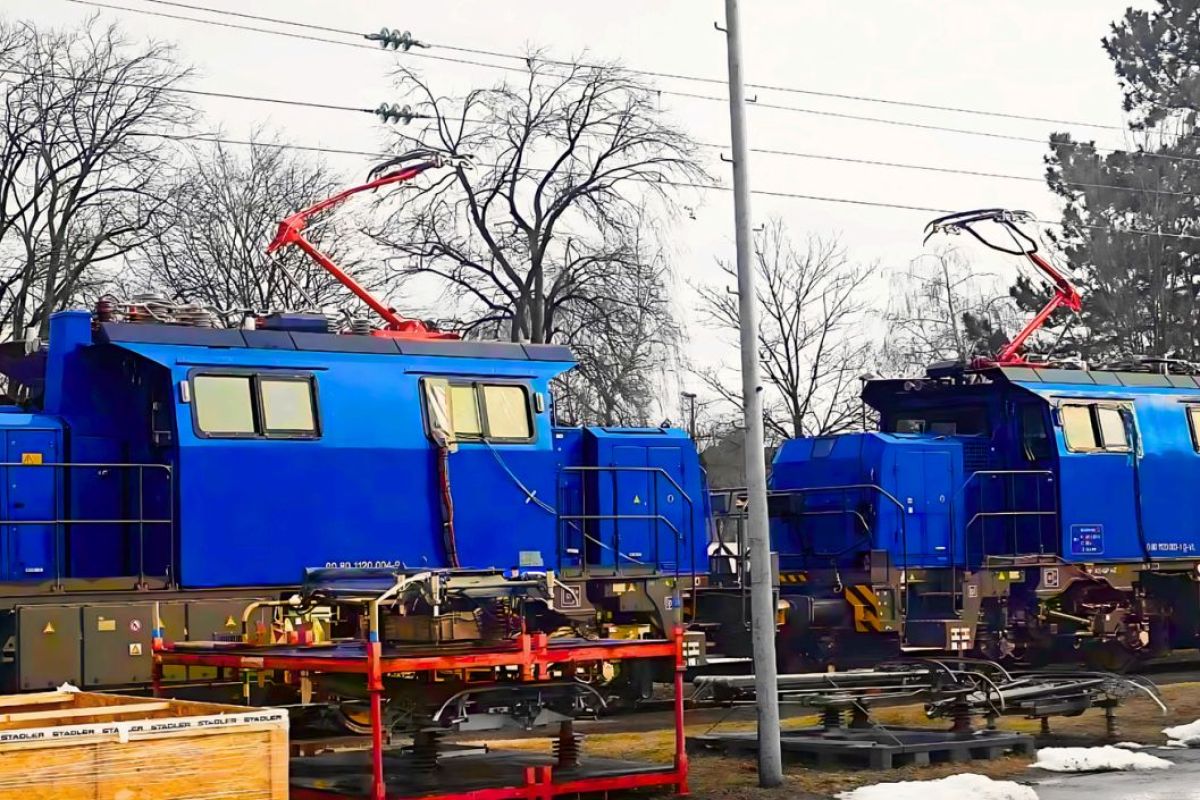
The agreement covers the use of the battery-powered railcars in industrial switching operations.
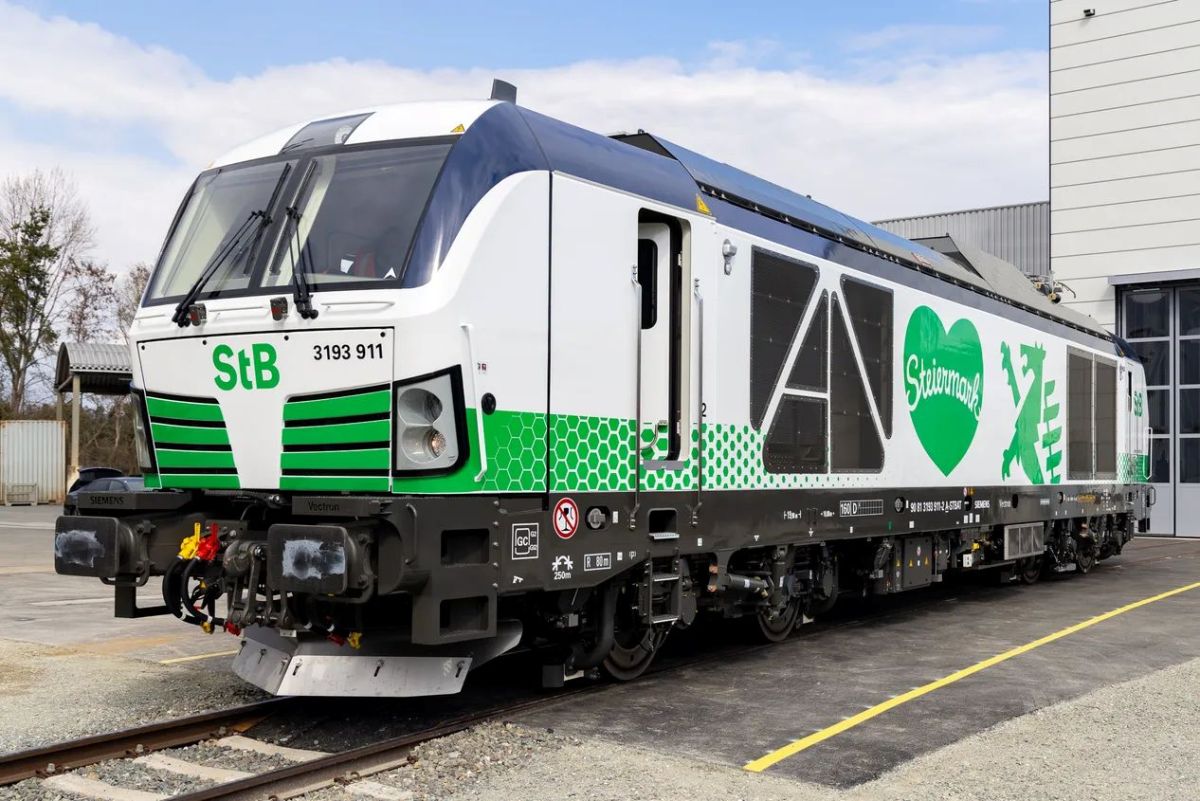
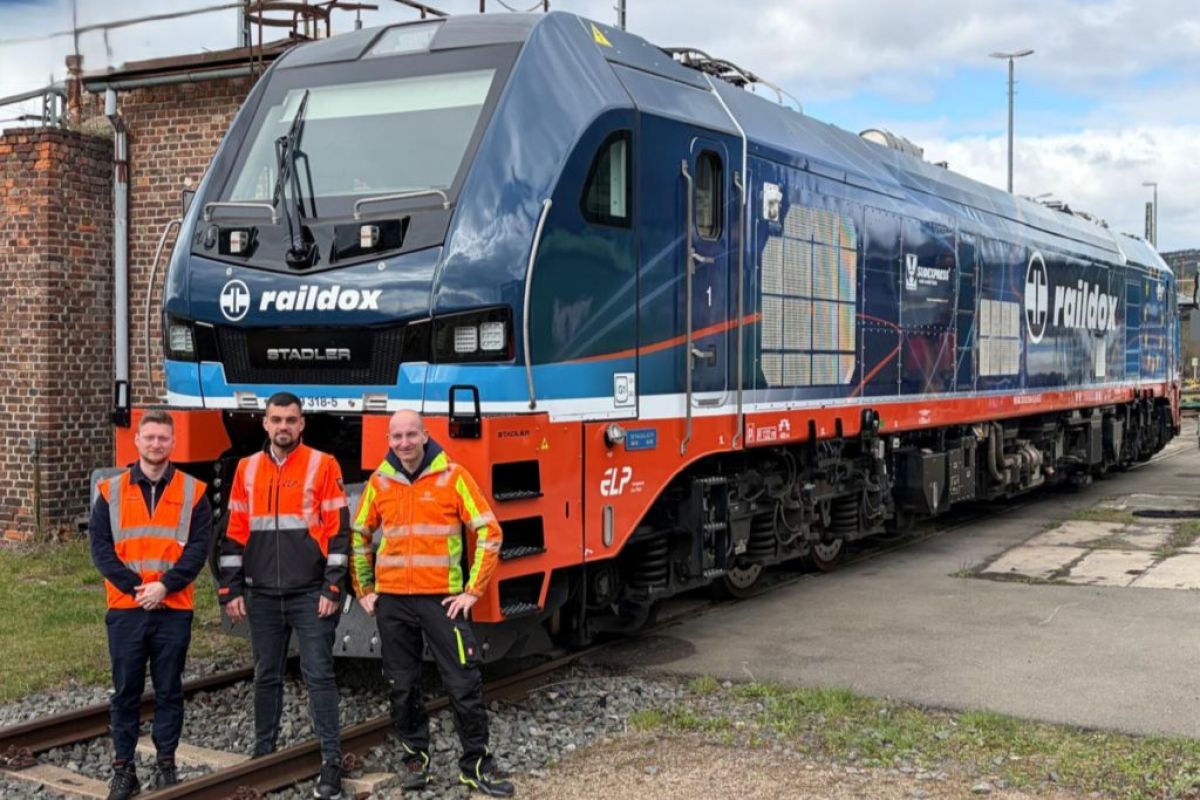
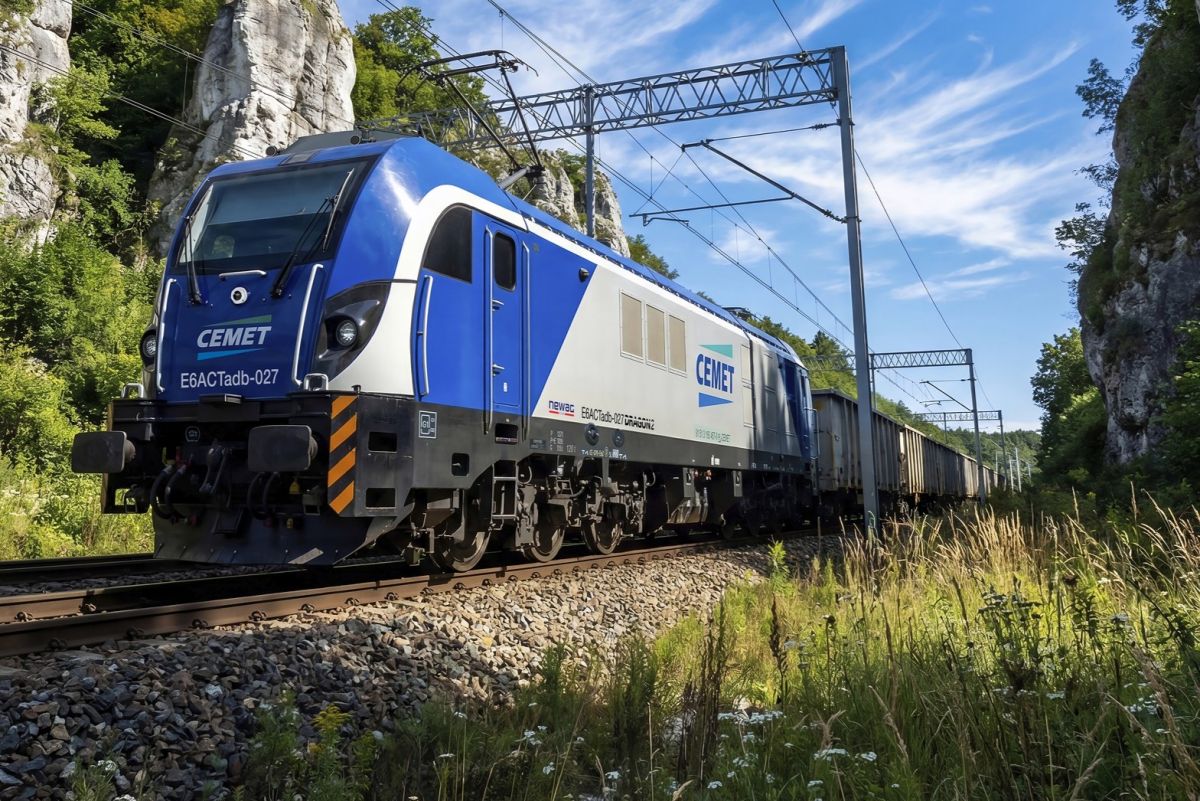
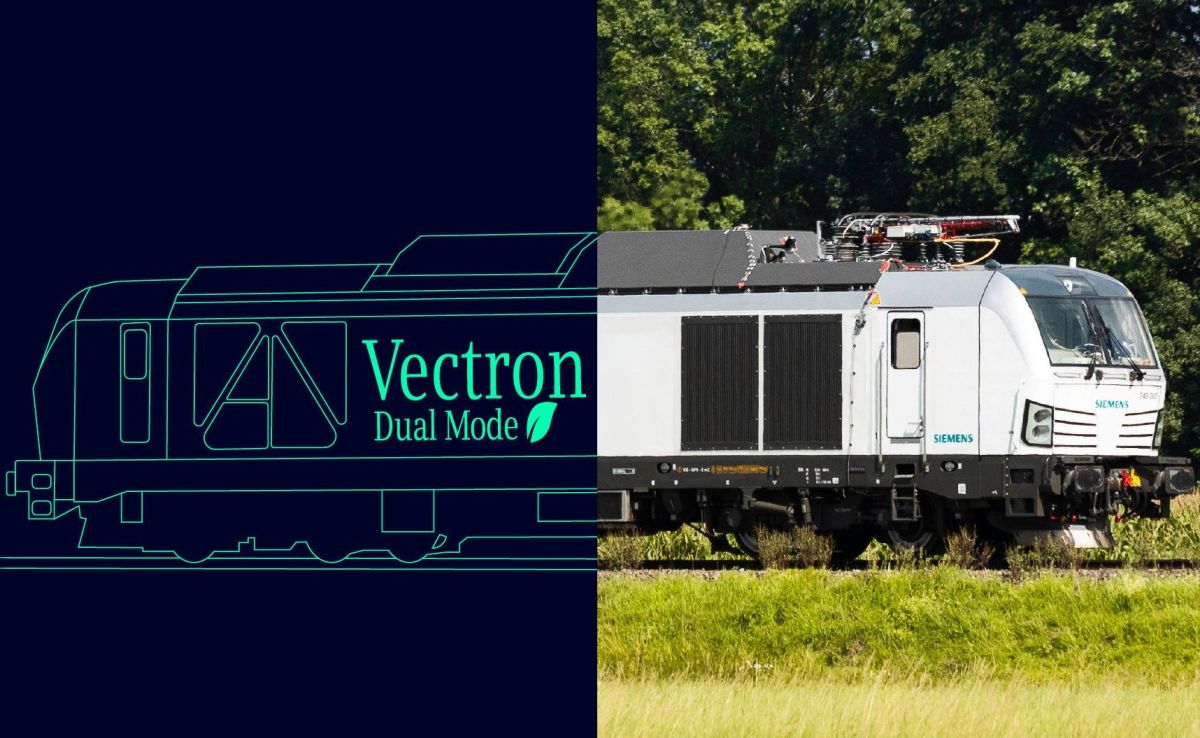
The locomotive will operate under 15 kV AC electrification and on diesel in non-electrified sections without changing traction.
The service, operated by Dania Connect, runs with a transit time of approximately five hours and currently offers one departure per week, with plans to increase to three weekly departures.
The agreement includes full maintenance of the trains for two years.
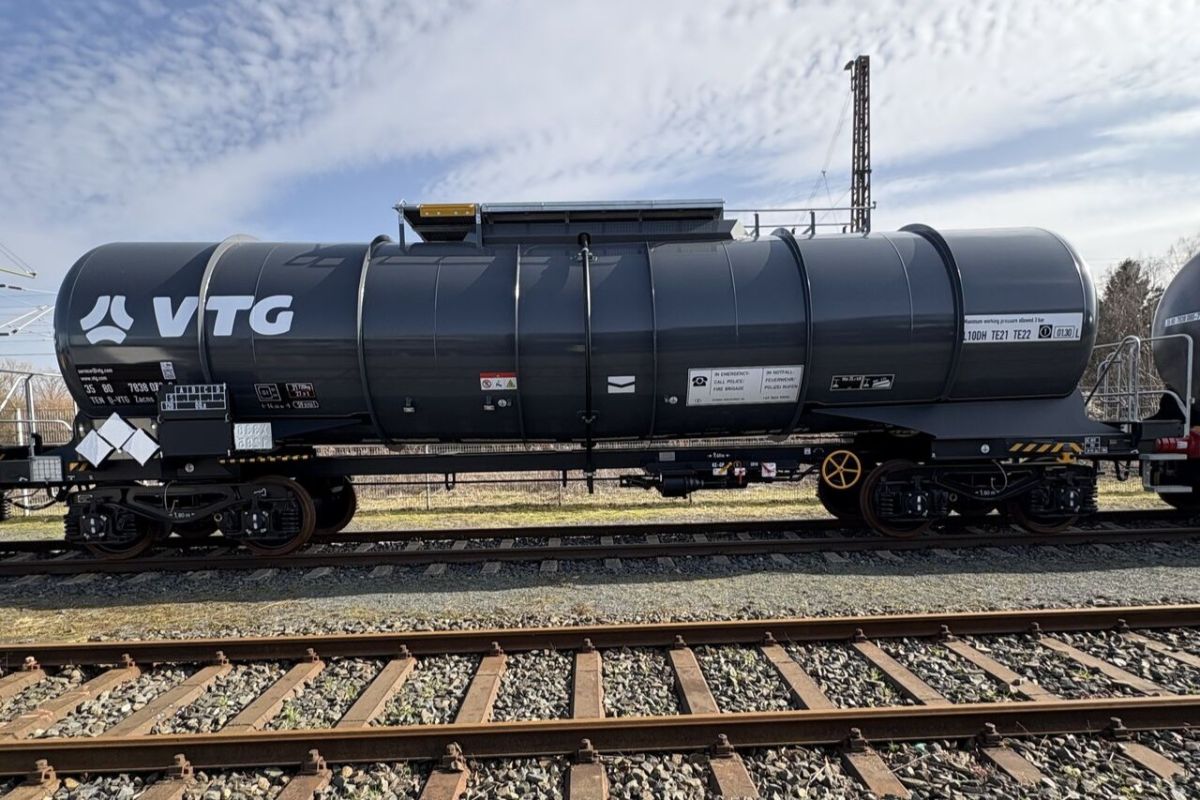
The inaugural movement comprised 31 wagons configured as 20-foot ISO tanks. The cargo is destined for distribution across the Johor Bahru region and surrounding areas.
He succeeds Frank Werner, who will remain with the company as Head of Logistics Concepts until the end of July before retiring.
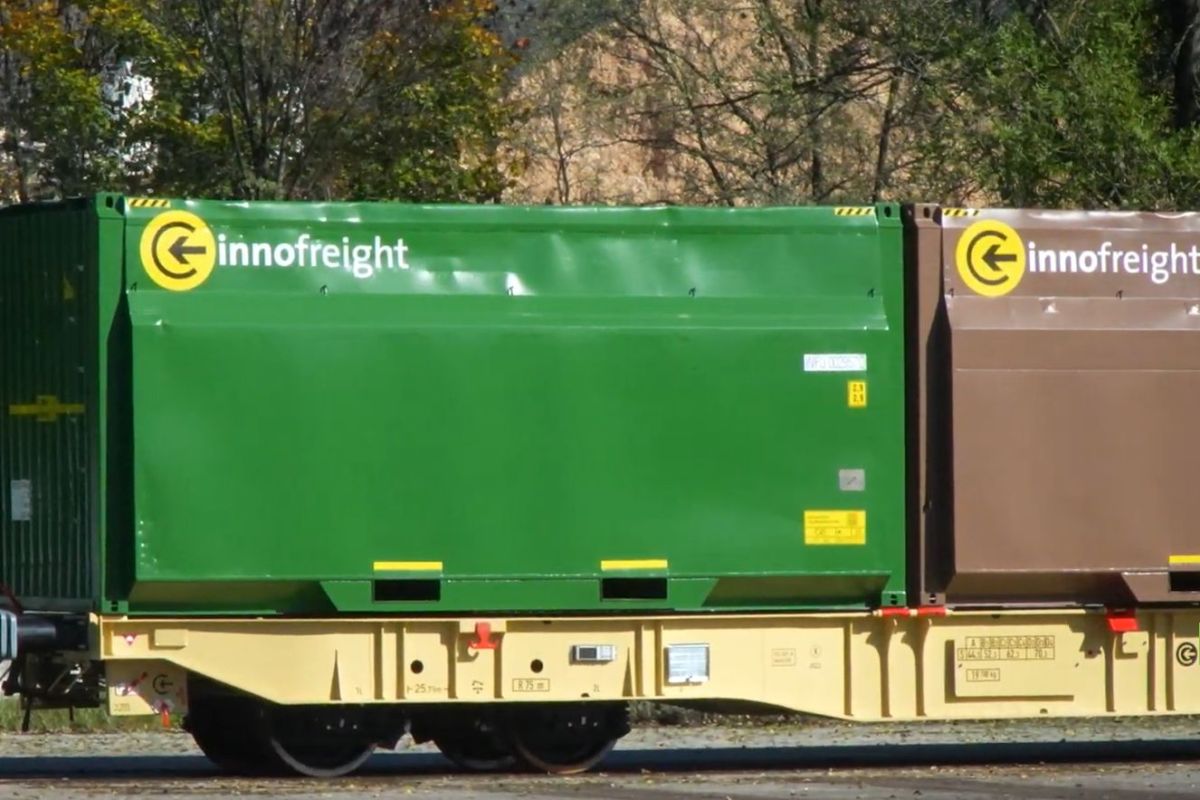
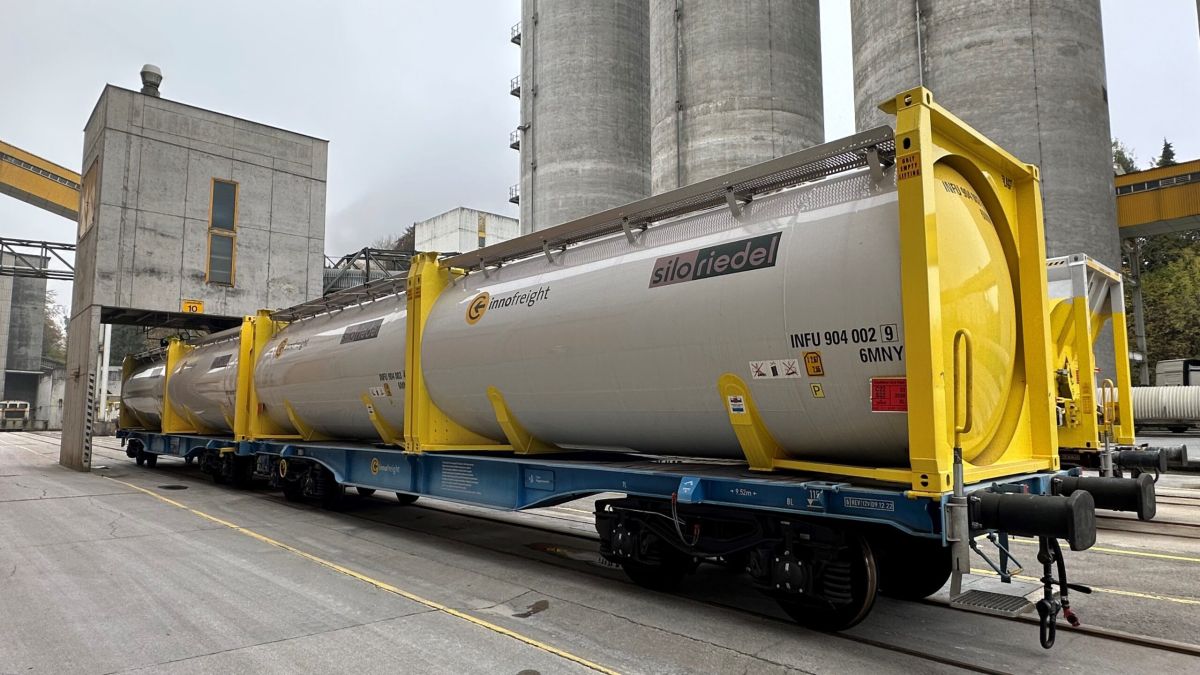
The intermodal solution operates on a nearly 300 km rail route from Rohrdorfer in Gmunden to Steinach am Brenner, with deliveries supporting works on construction section H53.
Deutsche Bahn reported a positive adjusted EBIT of EUR 297m in 2025, compared with a loss of EUR 333m the previous year.
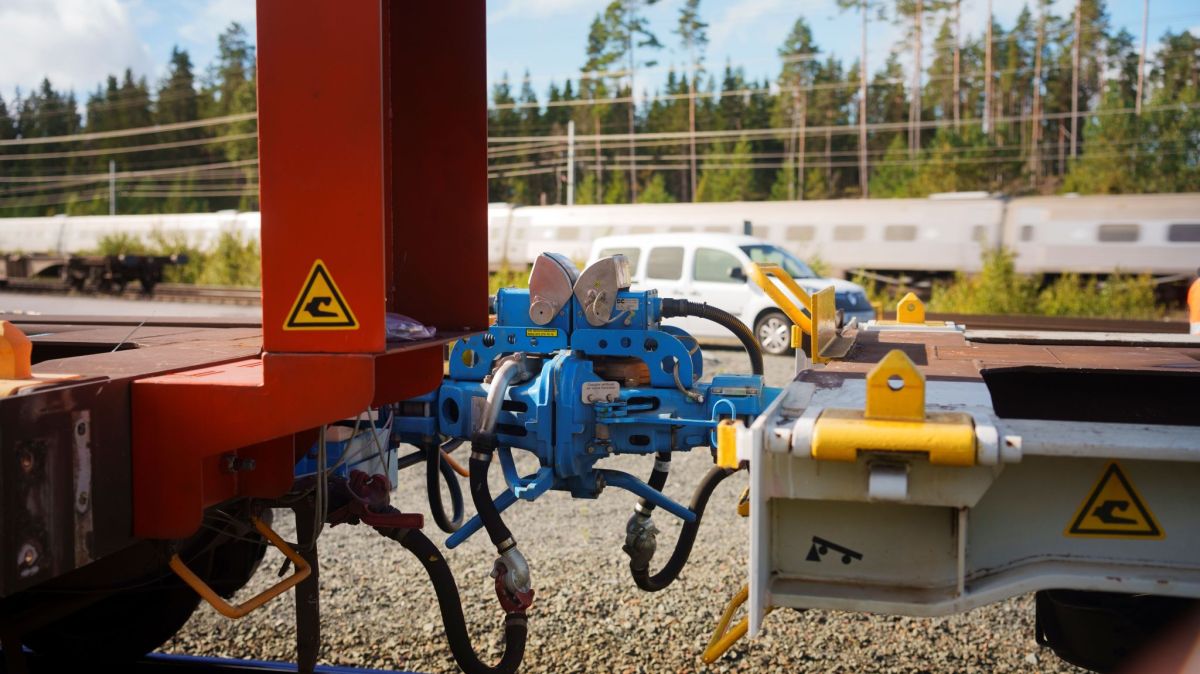
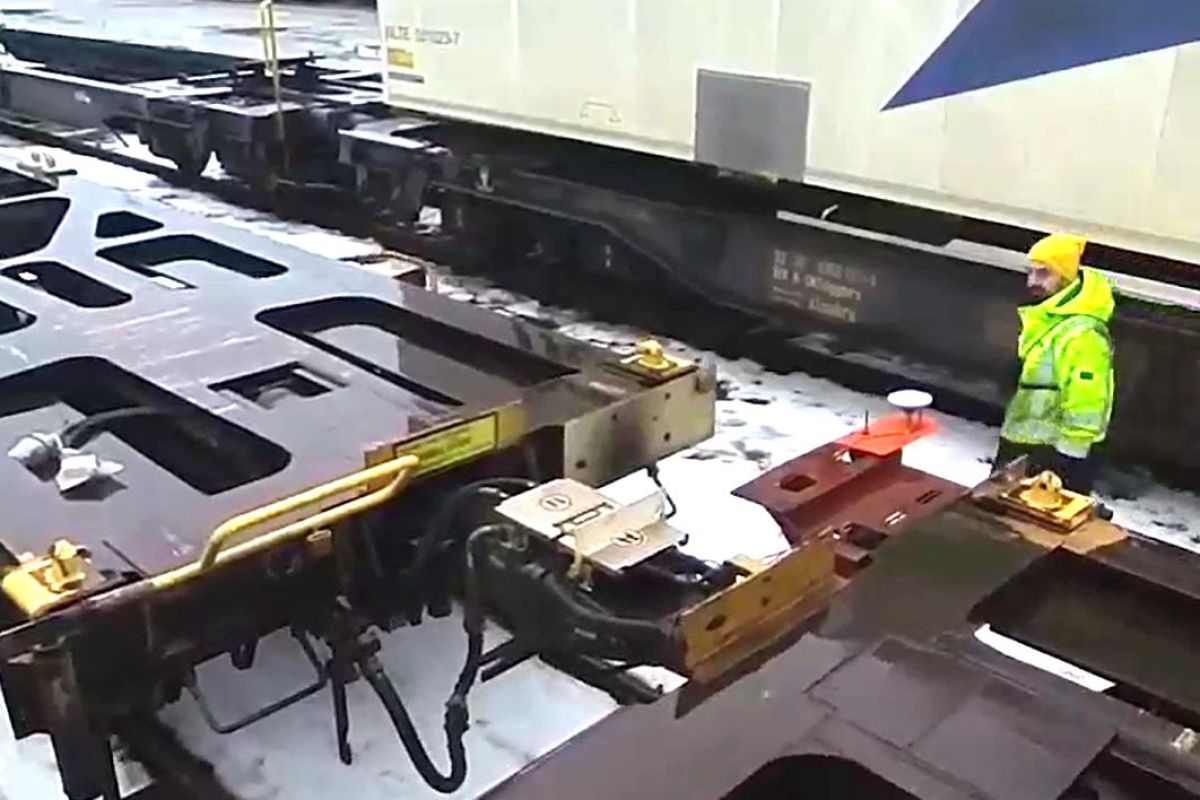
The DAC4EU project has completed its first commercial test run with a locomotive equipped with a Hybrid Digital Automatic Coupler (Hybrid-DAC).
The locomotive will be deployed in international freight operations across Europe.
This allows operation in tunnels, dense urban areas or environments affected by signal interference.
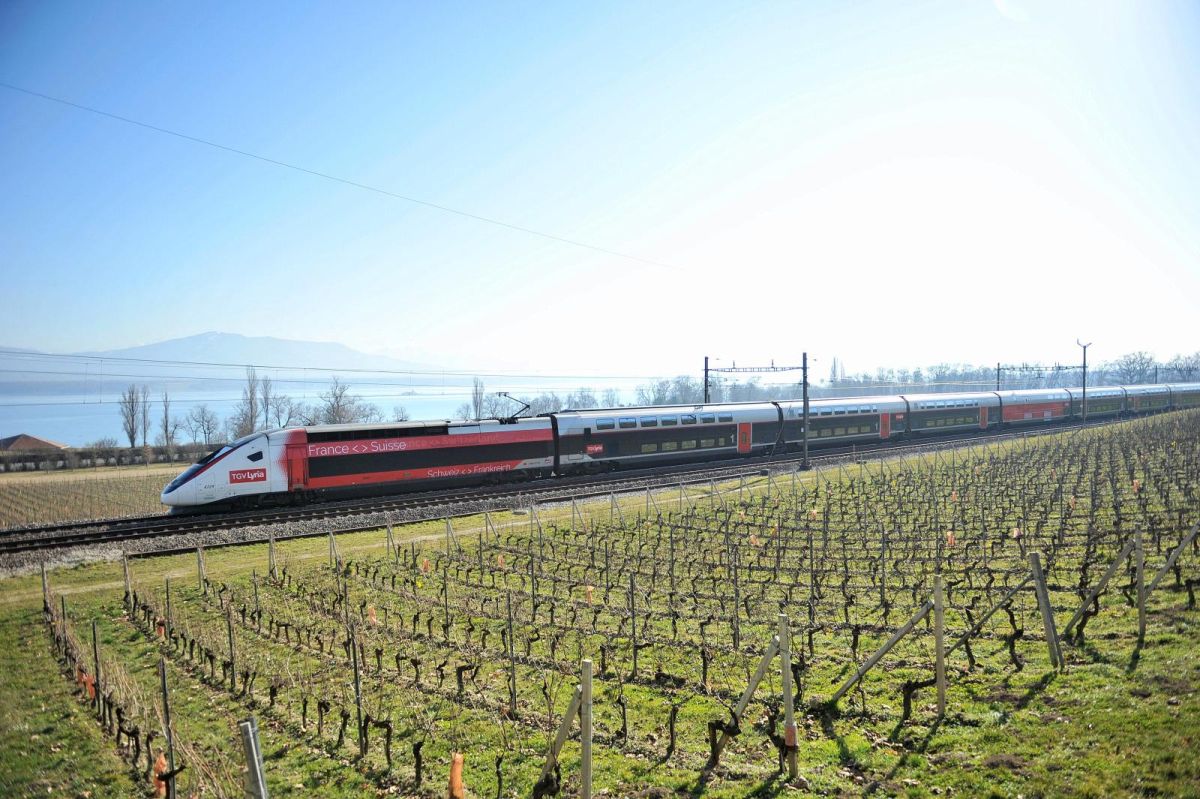
The agreement secures continued joint operation of TGV Lyria high-speed services between Switzerland and France, a cooperation that has been in place for more than 45 years.
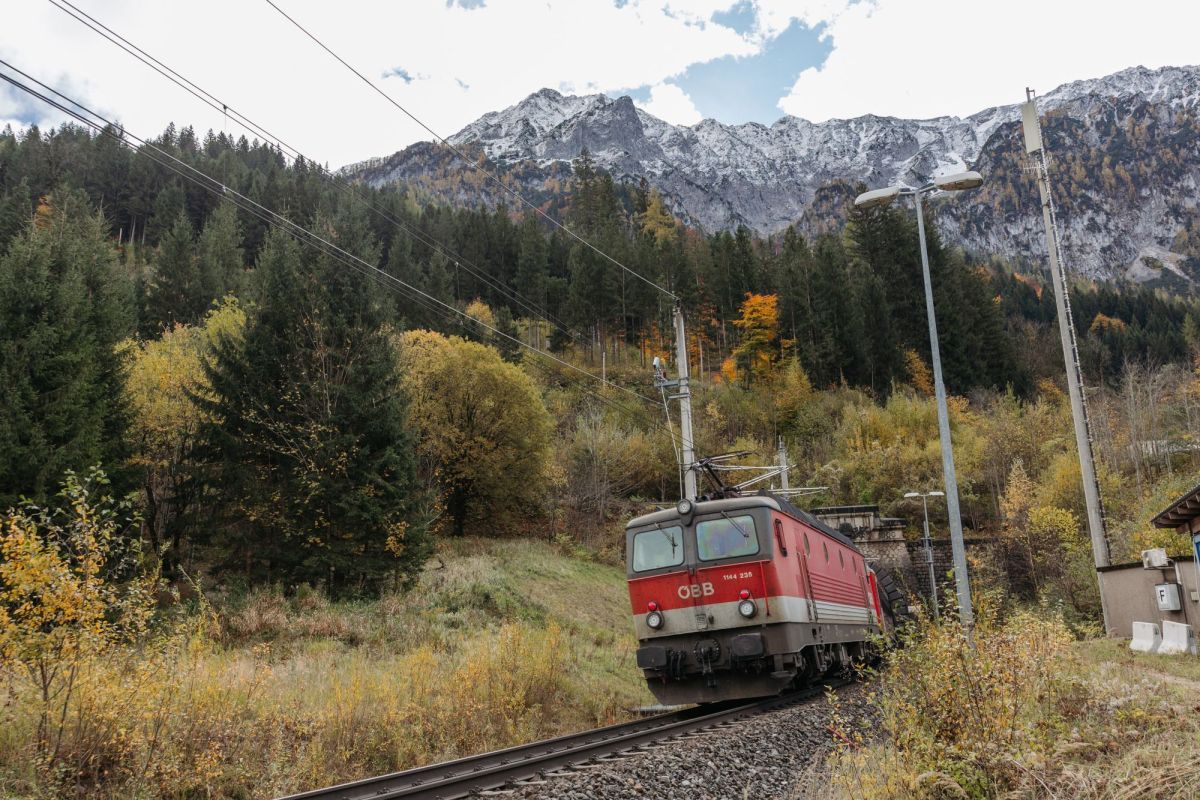
The new tunnel forms part of the modernisation of the Pyhrn line, a core corridor linking Upper Austria and Styria with Germany, Italy and Adriatic and North Sea ports.
The projects, completed during the year, created more than 1,200 jobs across industrial, agricultural and consumer sectors.
The locomotive is one of 16 that Alstom manufactures for Romanian ARF.
The line will serve 11 passenger stations and forms part of the federal programme to modernise Mexico’s passenger rail infrastructure.
The group is seeking recognition of the scheme in the post-2027 Connecting Europe Facility programme.
The contract, valued at EUR 57.3m, is financed through a loan from the European Investment Bank (EIB).
The review will assess whether changes to the line’s 360 km/h design specification could save billions of euros and bring passenger services into operation earlier.
The connections are operated in partnership with Logtainer.
The base contract is valued at EUR 1.362bn, with the total investment reaching EUR 1.777bn if all options are exercised.
The tests were carried out under Europe’s Rail Joint Undertaking within the TRANS4M-R project and focused on mechanical performance, wear and operational safety.
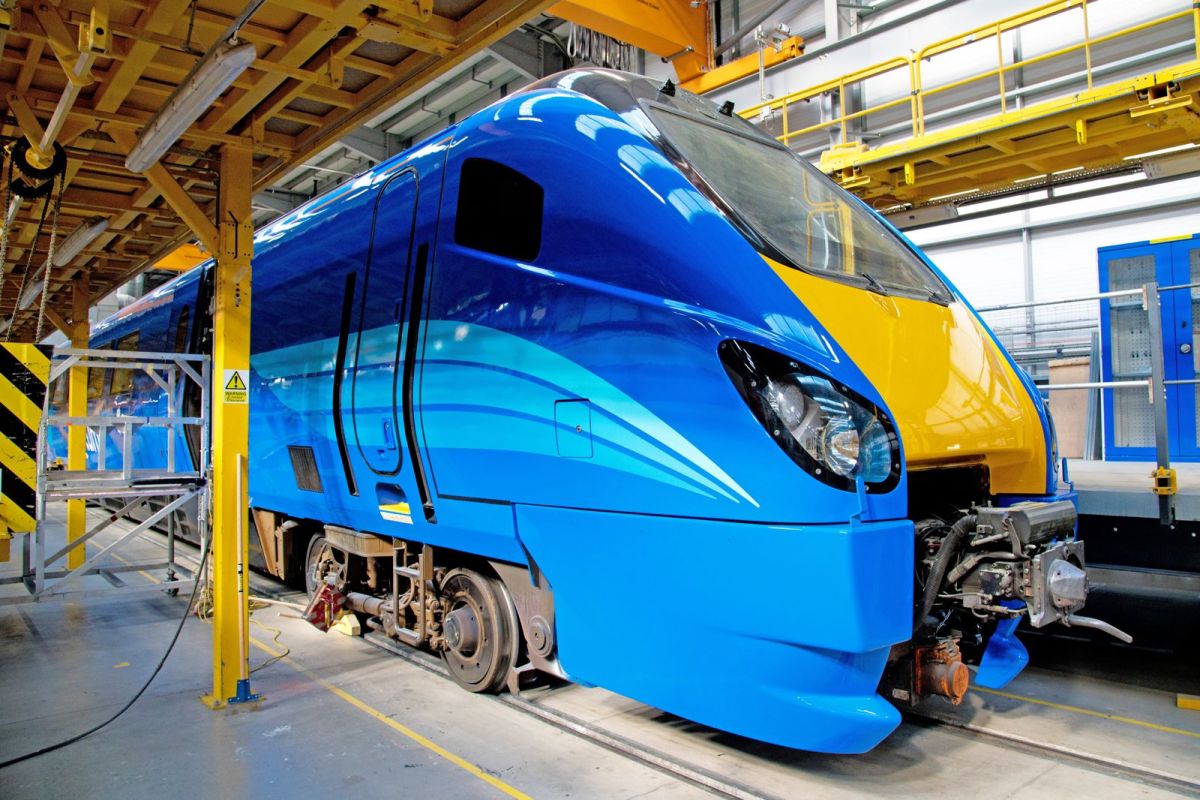
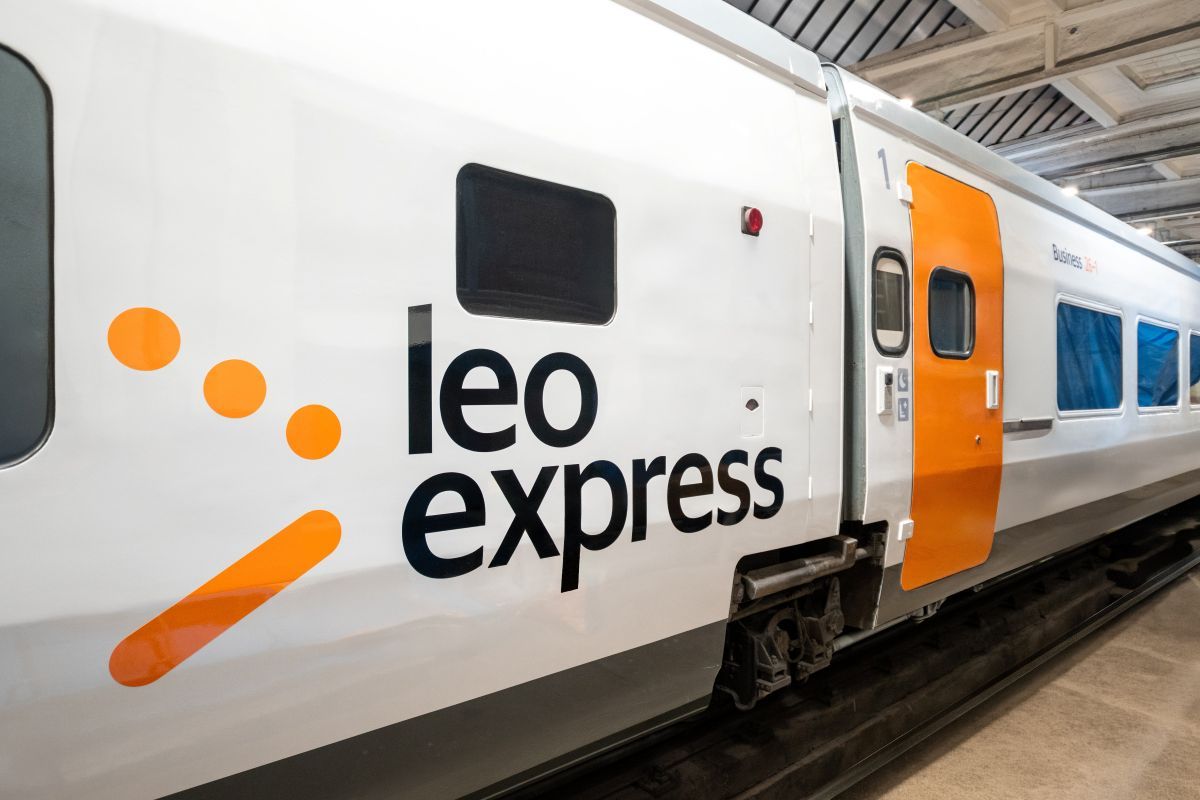
Lumo has revealed the refurbished Class 222 trains that will operate its new West Coast open access service between Scotland and London.
The company indicated that volumes from several regional firms would be consolidated to build regular services.
The five-year contract was awarded at approximately EUR 17m, excluding infrastructure charges.
The acceptance took place at the manufacturer’s site, where Evonik representatives inspected the vehicles prior to entry into service.
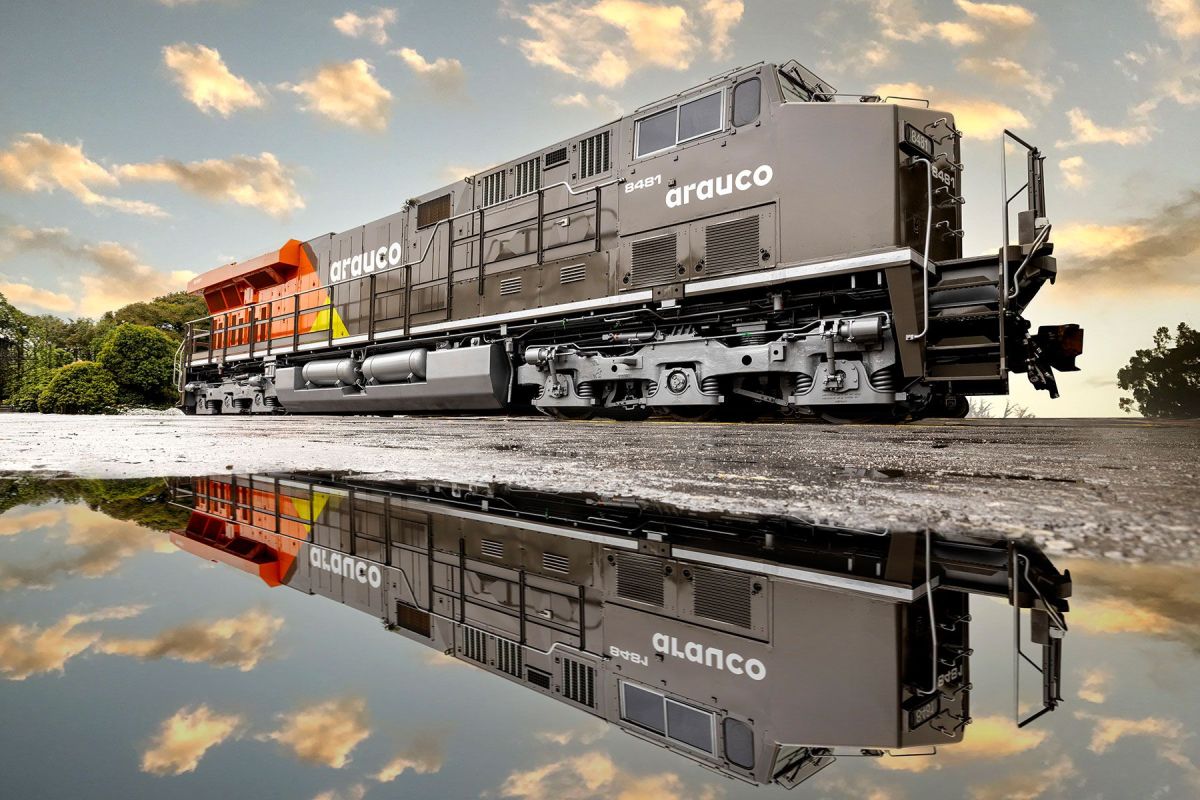
The locomotives will operate on a dedicated freight corridor linking Arauco’s pulp mill under construction in Inocência, Mato Grosso do Sul, to Brazil’s national railway network.
The project represents the largest biomass-based rail logistics operation currently underway in the Czech Republic.
The operator said the terminal is designed to increase capacity and improve reliability for services between Perth, Kalgoorlie and the east coast.
The fixed order of 50 can rise to 80 locomotives in option; first deliveries are scheduled for 2029 and 2030.
Work is scheduled to start in 2026 and conclude in 2029, with contract signature expected on 26 March 2026 if no appeals are lodged during the ongoing standstill period.
The framework applies from 30 March 2026; the TBER will remain in force until 31 December 2034, while the LMT Guidelines have no fixed end date.
The train will be built in Hamburg and is scheduled for delivery in summer 2027.
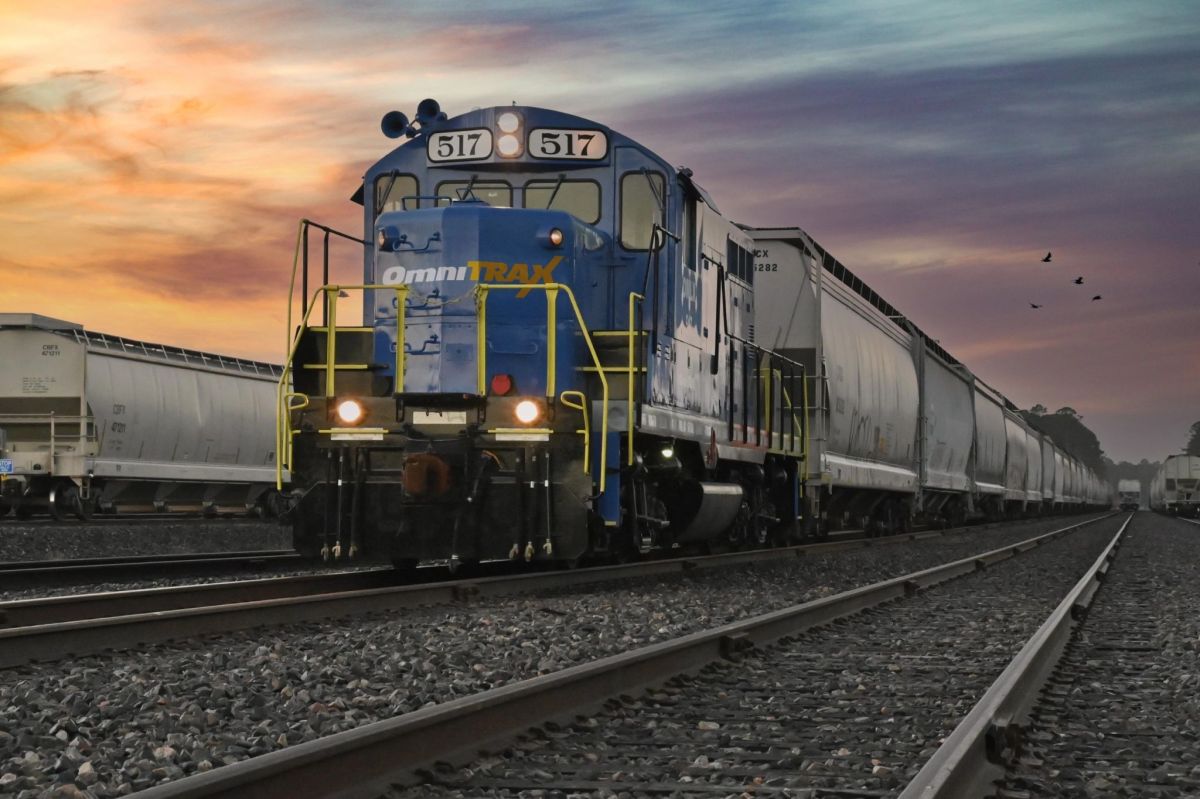
The contract covers dedicated switching services at the 24-hour operation producing Arm & Hammer baking soda.
The agreement, valued at EUR 800m (CAD 1.3bn), runs until 2031.
The figures represent year-on-year increases of 32% in train movements and 25% in volume.
The programme has been running since the start of 2026 and includes two Modula-EBB units.
Deliveries are scheduled for 2027 and 2028.
The train will run in commercial service to test and gather operational experience with DAC under Norwegian conditions.
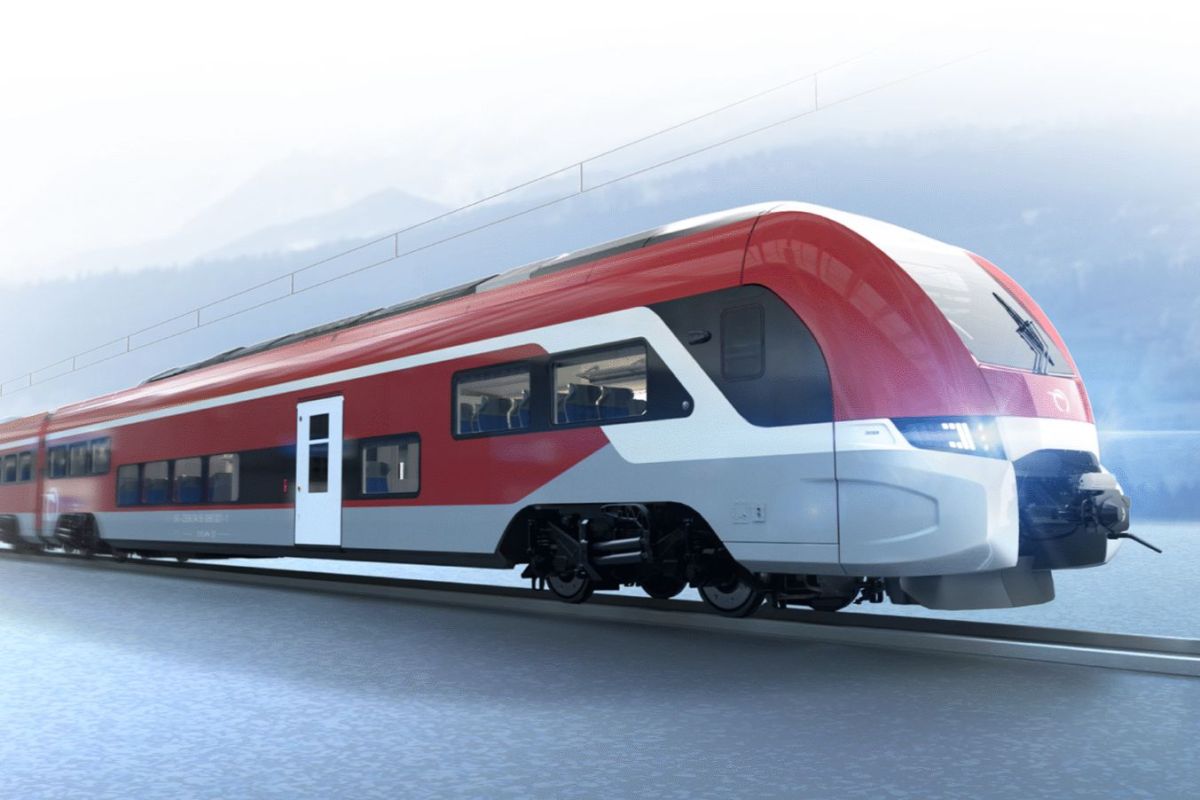
ZSSK has completed the evaluation of bids, with the consortium as the sole compliant bidder.