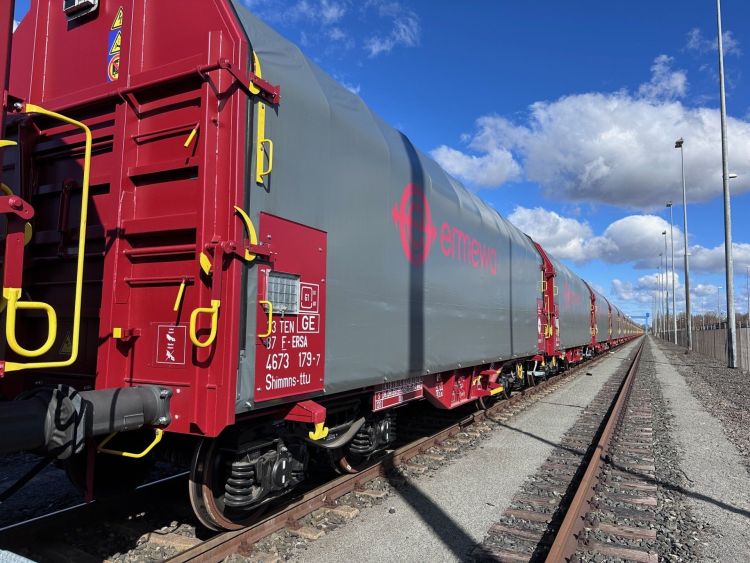

Rail Cargo Austria leases 330 covered freight wagons from Transwaggon
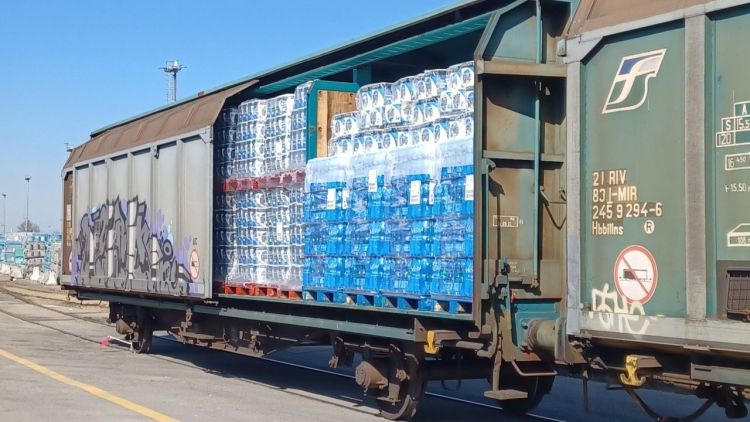
The procurement process, initiated by Rail Cargo Austria, focused on acquiring freight wagons suited for general cargo operations.
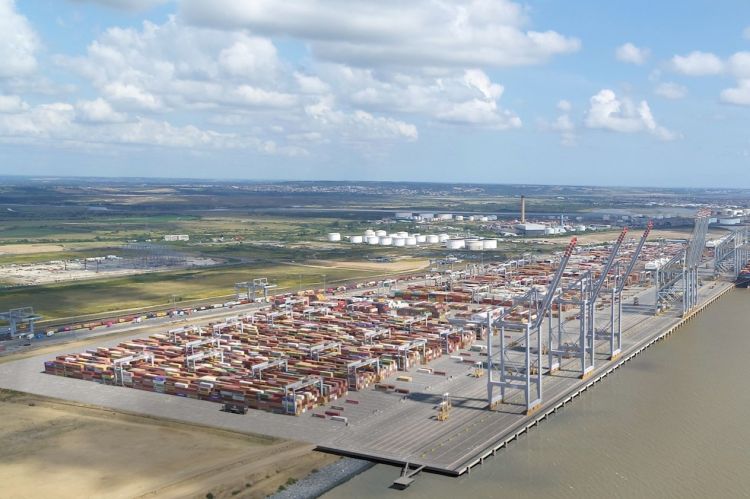
The new facility is part of a four-year infrastructure programme that will increase the port’s intermodal capacity and allow for higher rail freight volumes to and from the Thames Estuary.
This delivery represents the first instance of diesel locomotives produced by a Chinese manufacturer entering Mozambique’s railway market.
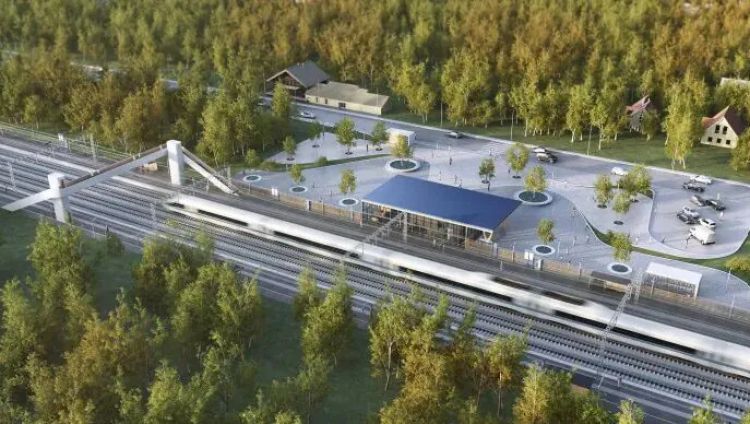
The project covers the 58 km stretch between Pärnu and the Latvian border and is valued at approximately EUR 332 million.
The project is part of the company's push toward automating operational processes in single wagonload traffic.
The appeal precedes a scheduled debate in parliament set for 3 April, during which future rail policy will be discussed.
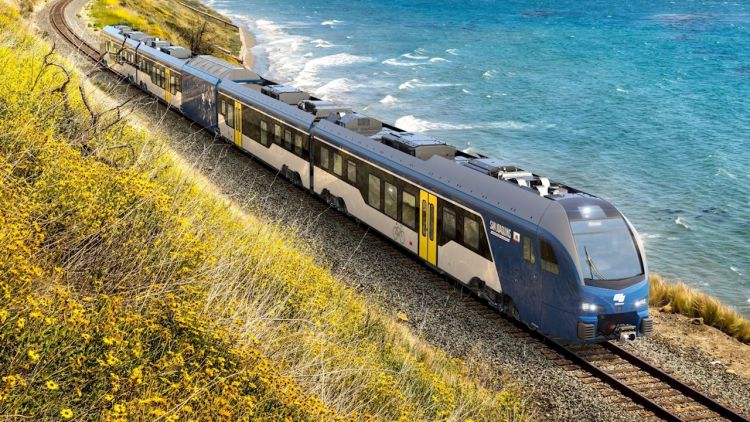
The newly ordered five-car FLIRT EMUs will be produced locally, at Stadler’s facility in Siedlce, eastern Poland.
Jaguar Transport Holdings LLC has launched operations of a newly formed short line railroad in central Kansas City.
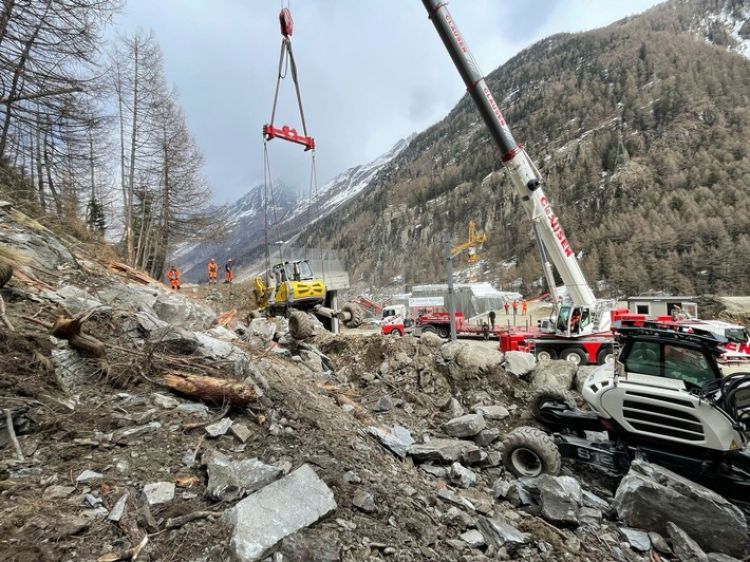
Rail services between Täsch and Zermatt have resumed following a brief suspension caused by rockfalls on 24 and 26 March.
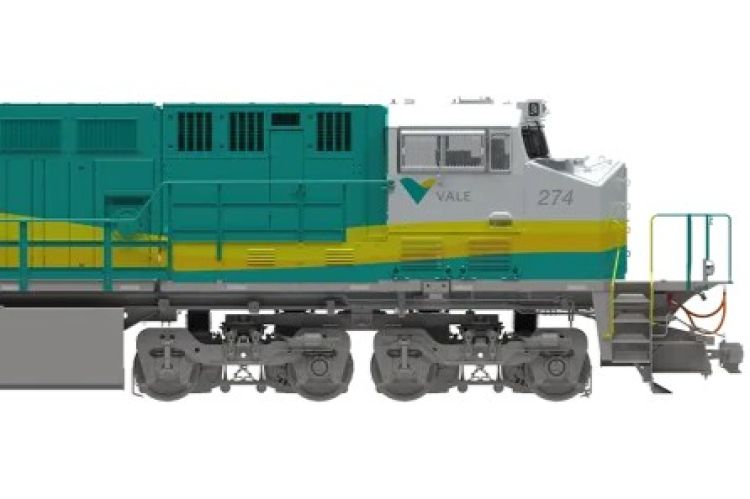
The locomotives will be manufactured at Wabtec’s Contagem facility in Brazil, with delivery starting in 2026.
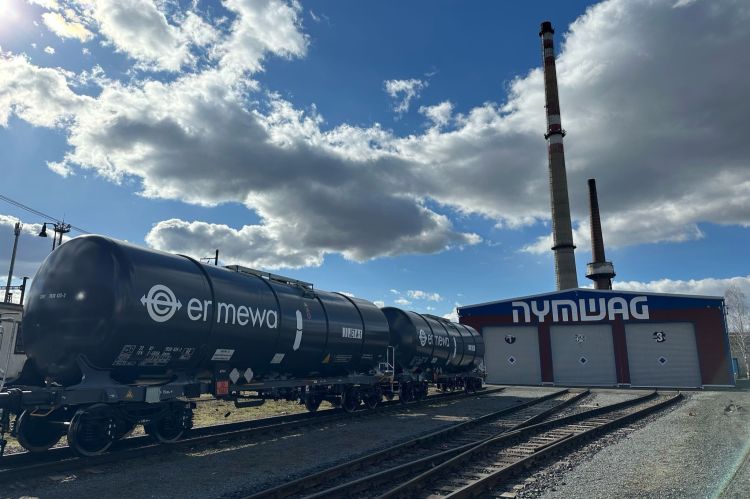
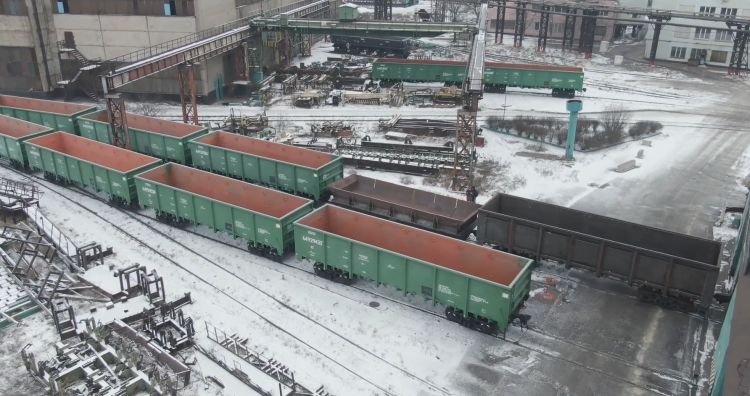
The use of purpose-built wagons supports operations involving high-density commodities such as steel.
The allocation amounts to approximately EUR 181.5 million (PLN 781.6 million), covering both terminal infrastructure and rolling stock.
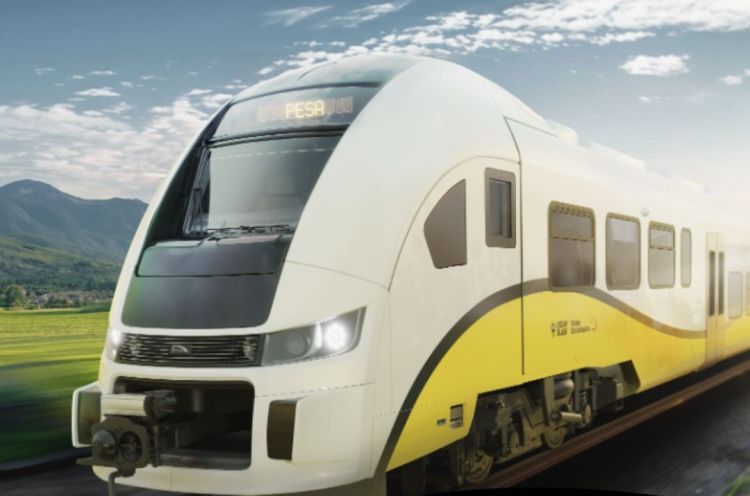
The vehicles will be deployed on regional routes in Lower Silesia that remain unelectrified, expanding the carrier’s fleet to 108 units.
The train now runs downhill at up to 30 km/h on the 181‰ gradient, compared to the previous 21 km/h limit.
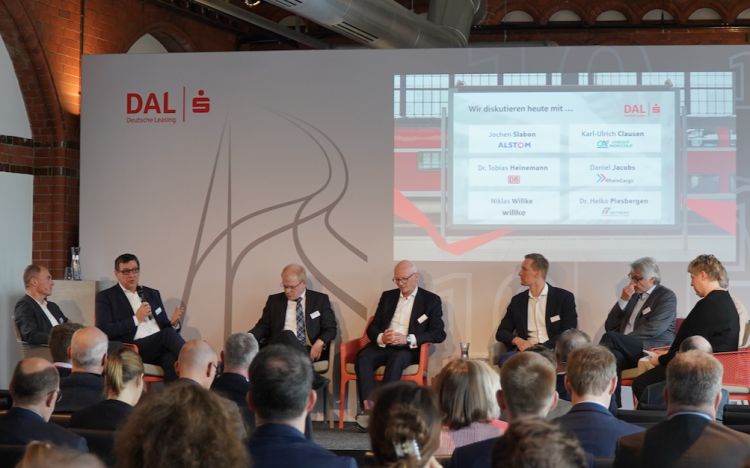
The event brought together over 200 decision-makers from railway undertakings, manufacturers, infrastructure managers, and financial institutions.
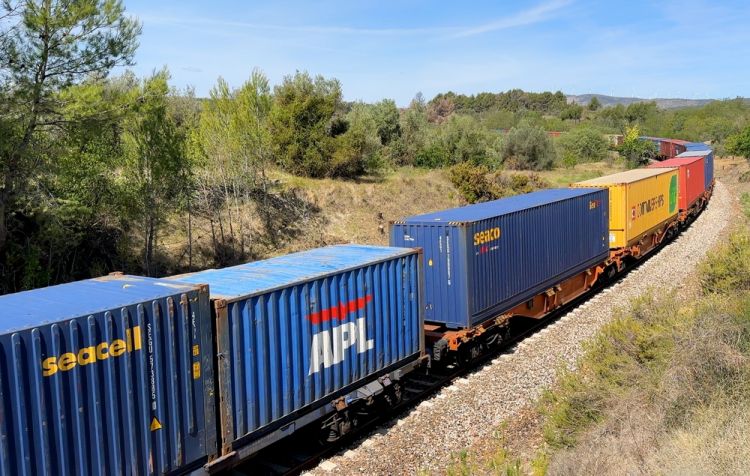
The first train on this route departed on 5 March 2025, carrying palletised general cargo. The service is expected to run weekly starting in April.
Government funding for maintenance contributed to the result.
The locomotives are part of the company’s current focus on growing its role in freight transport by rail within Spain.
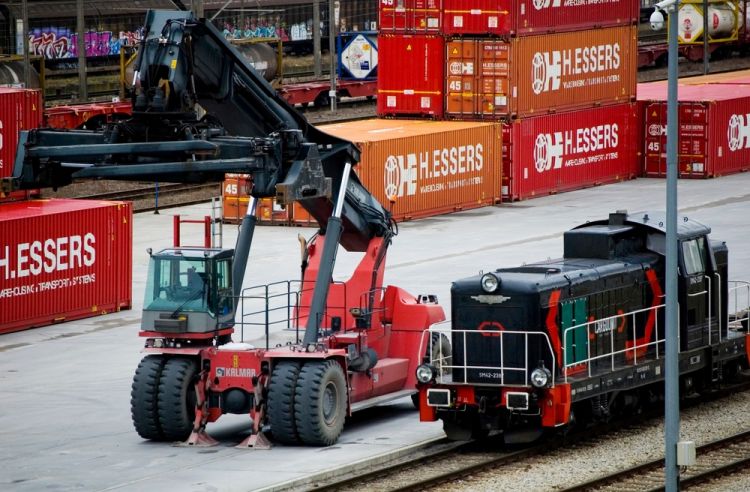
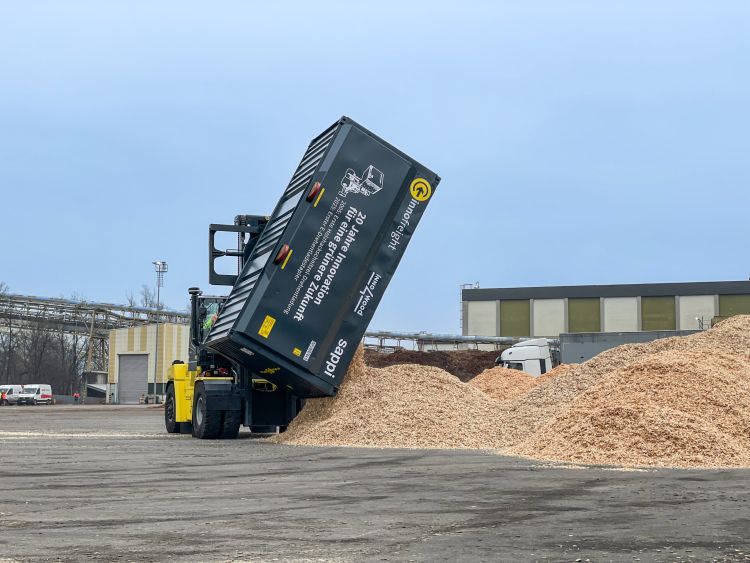
The forklift has been developed in cooperation with Kalmar and is powered by a 245 kWh battery system.
The locomotives were officially handed over at Newag’s production facility in Nowy Sącz.
According to the company, this is the first use of such a locomotive in revenue-generating operations in the United States.
The long-term ambition for the route includes the introduction of alternative traction, such as hybrid battery-electric trains.
The service aims to provide travelers an alternative to air and road transportation between these heavily traveled urban centers.
This rating places the company within the top 5% of approximately 130,000 companies evaluated internationally.
The launch, originally set for 15 December 2024, was postponed due to delayed delivery of electric train units from Polish manufacturer.
The CemTainer aims to facilitate the integration of rail-based logistics into urban cement transportation, addressing the industry's increasing shift towards intermodal solutions for metropolitan regions.
The revised service emphasizes Türkiye’s role as a critical logistics hub between Europe and Asia, with Istanbul serving as a significant transit point for cargo traveling further into Central Asia and China.
Currently, all railway traffic to and from the port island depends solely on a single bridge, resulting in limited route options.
The simplified structure is intended to reduce operational complexity and increase resilience against disruptions.
Railways are in inherent part of the EU’s recently release joint white paper for European Defence Readiness 2030.
Further deliveries are scheduled throughout 2025.
Key commodities transported through single-wagon services typically include mineral, agricultural, and wood products.
The Iranian domestic delivery finalizes the order of 50 diesel locomotives, with 30 more in the pipeline and wagons for export as prospects.
41st Vectron locomotive joins an existing fleet comprising 40 Siemens Vectron and 40 Alstom Traxx units.
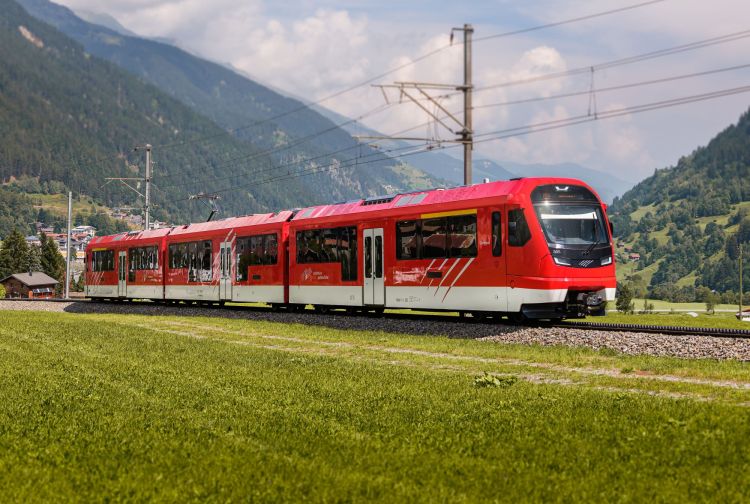
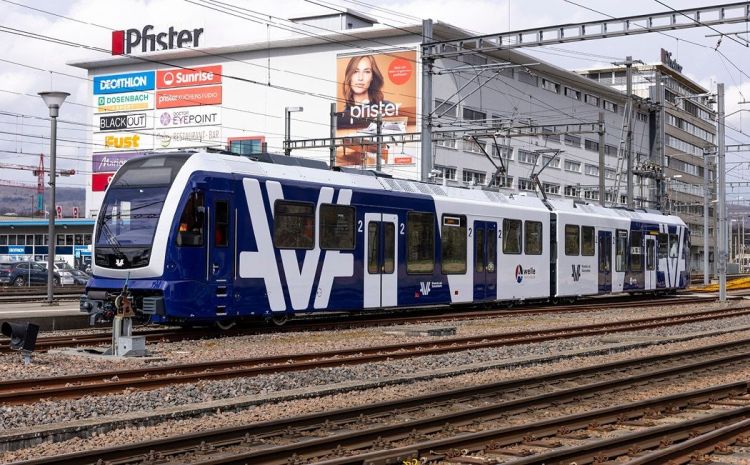
Full replacement of the existing Be 4/4 vehicles is planned with the timetable change in December 2025.
The funding is part of the Sustainable and Digital Transport Support Program under the Recovery Plan, aimed at improving rail freight operations and infrastructure.
The transition follows a five-year partnership and positions Swissterminal to align its operations with DP World’s global network.
Mineral oil logistics also extend beyond fuels, involving a diverse range of petroleum-derived products, including those destined for pharmaceutical production and consumer goods.
Despite challenging economic and geopolitical conditions, the company increased its overall production by 69% compared to the previous year.
With the new orders, Koleje Mazowieckie will increase its fleet size and improve operational capacity on both electrified and non-electrified lines across the Mazovian Voivodeship.
Deliveries are part of fleet expansions and modernization efforts in Illinois and California.
At the end of March 2025, several European rail freight operators introduced new locomotives into regular operations, broadening their current rolling stock.
The first two out of nine units have been dispatched.
Both railway operators expect the agreements to contribute to regional connectivity and integrated rail logistics between the two neighboring countries.
Slovakian national passenger rail operator, ZSSK, plans significant fleet renewal.
This step initiates preparations ahead of scheduled operations beginning on 29 June this year.
Spanish rail operator Renfe has released updated figures on graffiti removal efforts on its rolling stock.
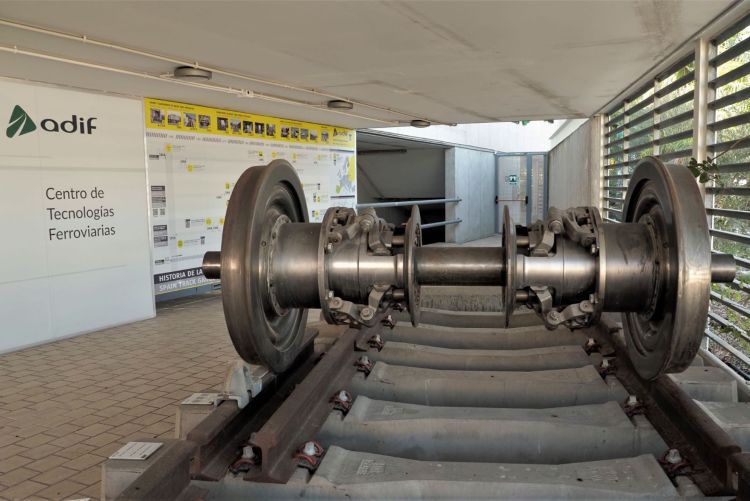
Spain’s infrastructure manager has initiated a project to install a gauge changer for freight operations at Irun station.
Under the arrangement, Railcare will transport about 72,000 sleepers in total, with two main distribution points identified for this phase.
The new logistics model involves direct loading of prefabricated concrete products onto freight trains at Baraclit’s production site in Tuscany.