
Lisbon–Porto high speed railway: another concession secured for Porto–Oiã section
Travel time between Lisbon and Porto is forecast to reach 1 h 15 min once the full line is open, with an estimated annual ridership approaching 10 million passengers.
The project is designed to support future maintenance, transshipment, and storage needs, particularly for the company’s key customer and direct neighbour, Audi Hungaria.
The British Department for Transport (DfT) confirmed the move as part of the ongoing Public Ownership Programme, introduced following the Public Ownership Act passed in November 2024.
The net loss after tax amounted to EUR 760 million, while income from the DB Schenker divestment temporarily pushed the result to EUR 6.9 billion in the black.
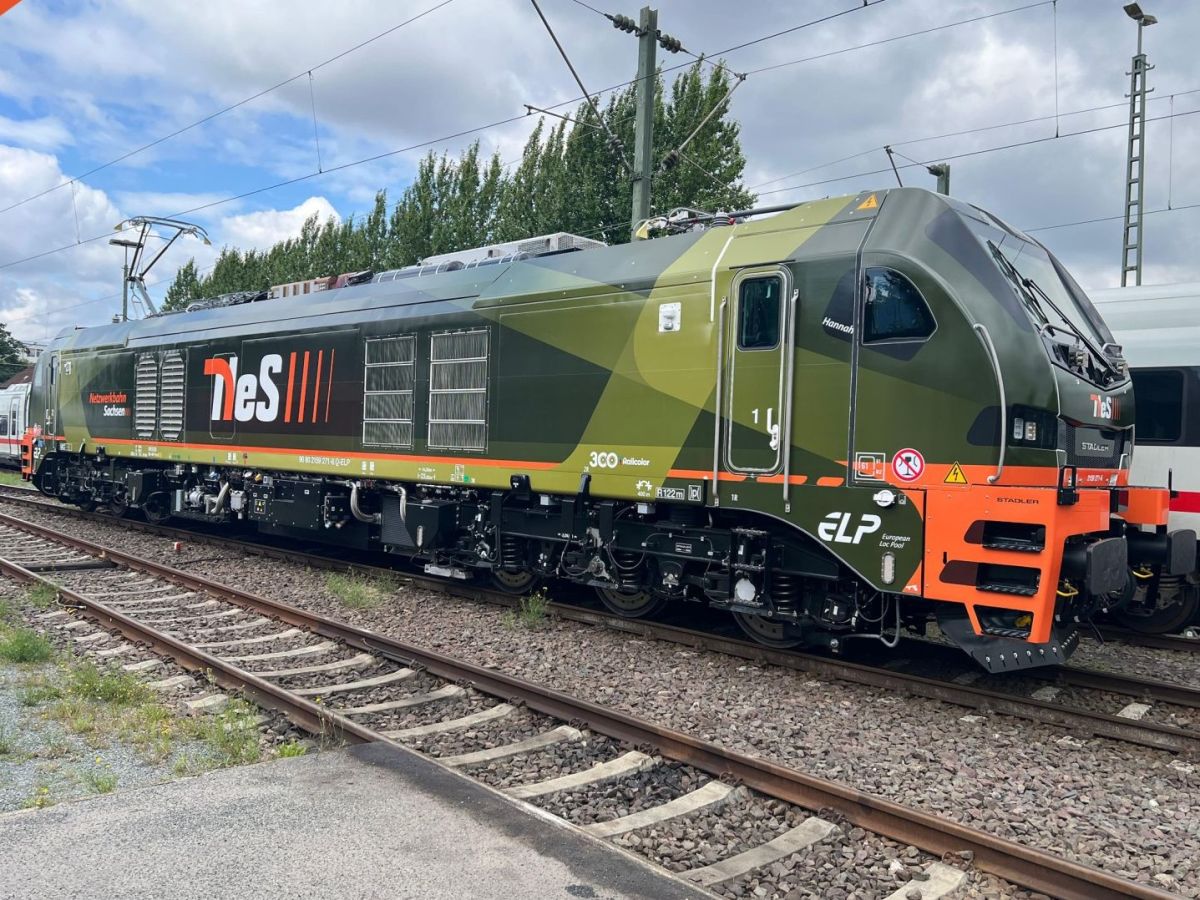
The six-axle Stadler EuroDual unit expands the operator’s existing lease fleet, continuing its approach of using dual-mode locomotives for both electrified and non-electrified freight operations.
HS2 plans to display the concept interior of its Class 895 high-speed train for the first time, as part of the ‘Railway 200’ anniversary event hosted at Alstom’s Derby Litchurch Lane Works from 1 to 3 August 2025. The site will be opened to the public for the first time in nearly five decades.
These deliveries bring the total number of refurbished units under the program to eight out of a planned 19.
Intermodal flows from Austria change its destination in Germany.
BLS Rail AS, the Norwegian subsidiary of Sweden-based BLS Rail AB, has filed for bankruptcy.
A new direct rail freight link between the Port of Koper and the Debrecen Intermodal Terminal (DIT) has been launched, with the first train arriving in Hungary on 28 July 2025.
The deal positions RCG as one of the main operators at the logistics hub
From January to June 2025, PKP Intercity transported 9% more passengers compared to the same period in 2024 and a 31% rise over 2023.
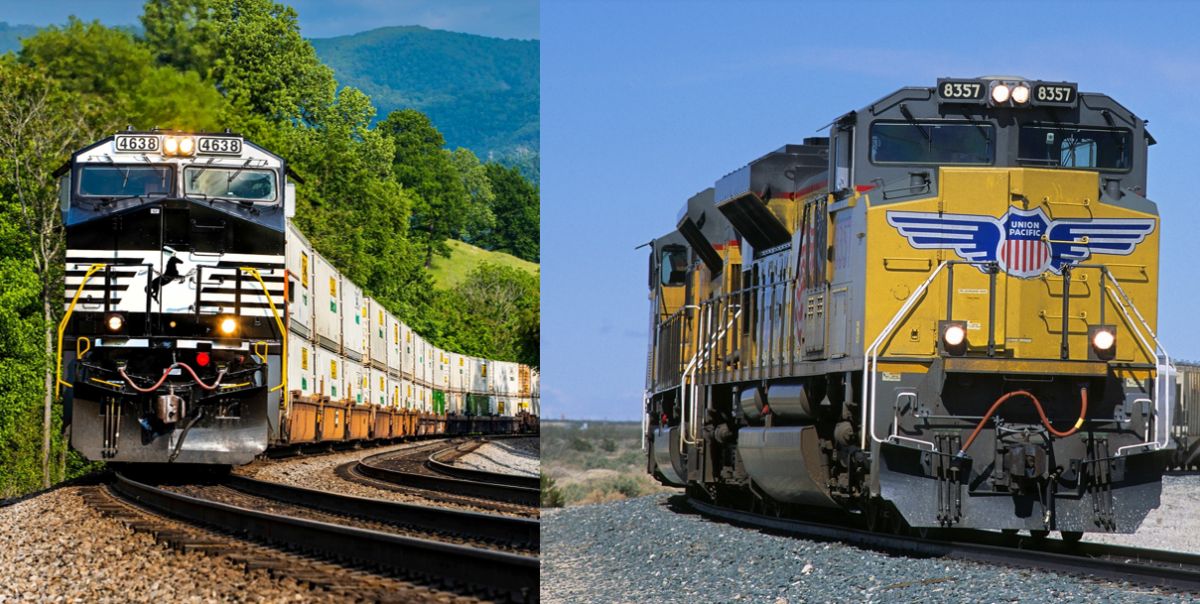
A joint network would span over 50,000 miles (80,000 kilometers).
The UK’s Office of Rail and Road (ORR) has granted approval for a set of additional open access services to be introduced on the East Coast Main Line (ECML) from the December 2025 timetable change.
The modular composition allows selection of single-deck only or a combination of single- and double-deck coaches.
On 21 July, the first ultra-express China-Europe block train running via the Middle Corridor arrived in Istanbul, completing a 22-day journey from Chongqing.
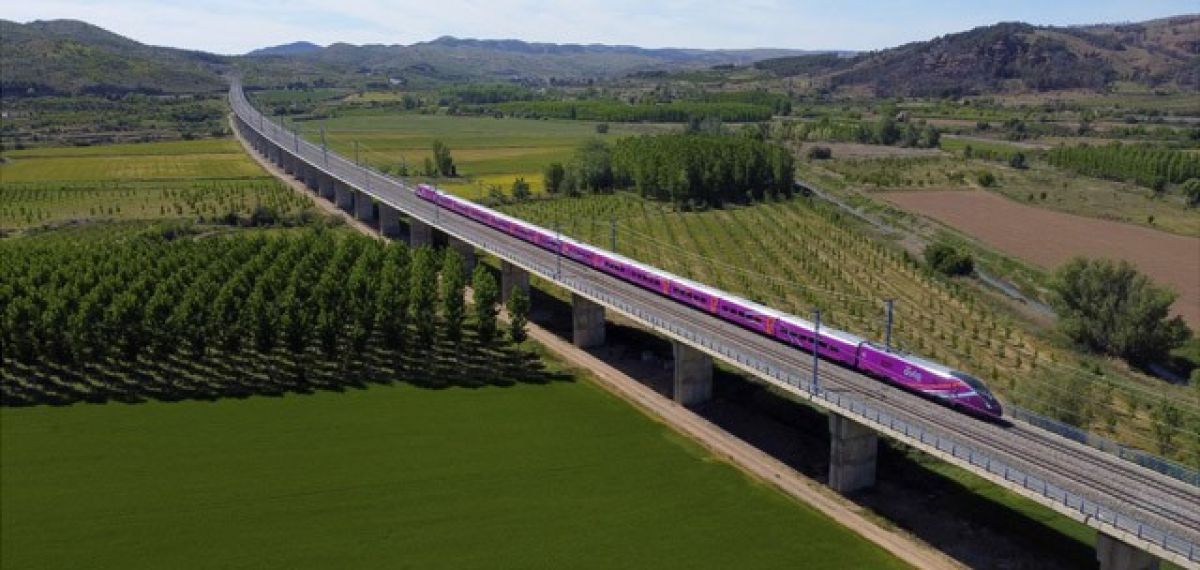
Following bogie component inspection, Renfe had to reorganize Madrid–Barcelona route of its low-cost branch.
The Slovak rolling stock leasing company breaks the Siemens Vectron-only rule in its fleet.
The French state-owned railway operator SNCF recorded a net profit of EUR 950 million in the first half of 2025.
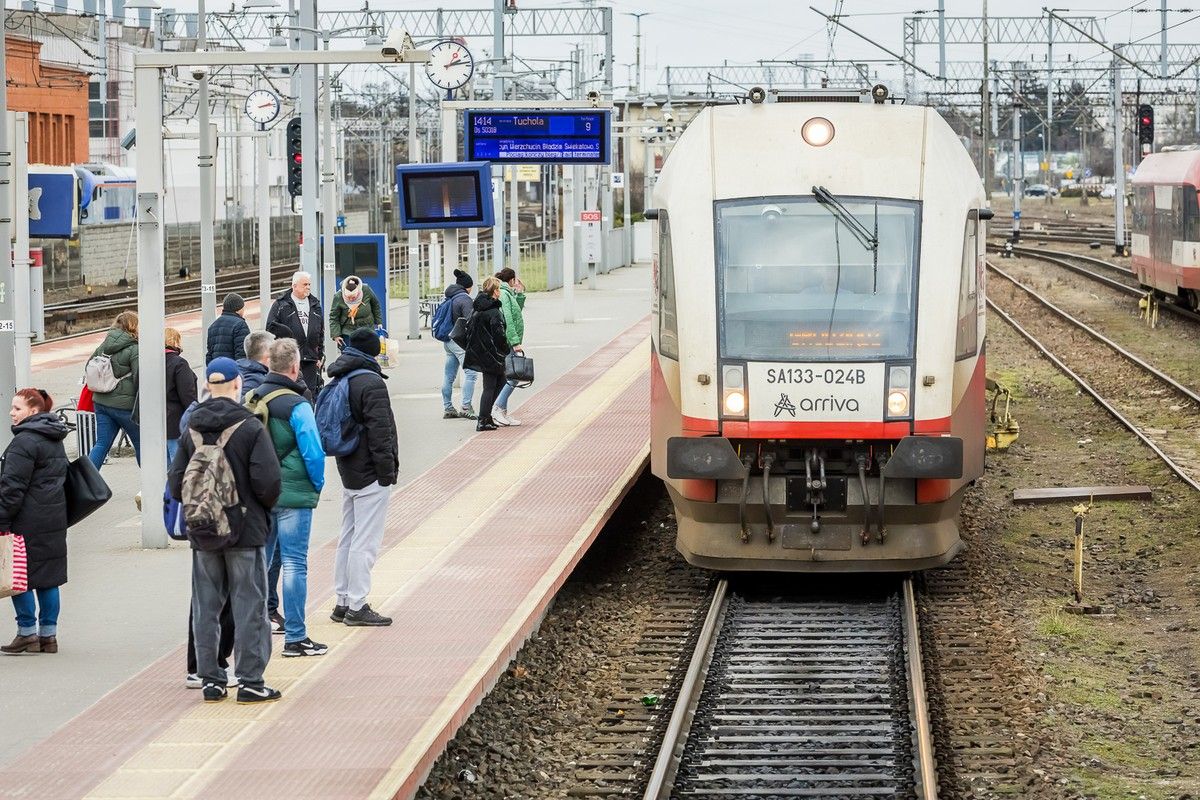
Arriva win two routes operation Brodnica–Rypin and Wierzchucin–Laskowice Pomorskie from 2026 to 2030.
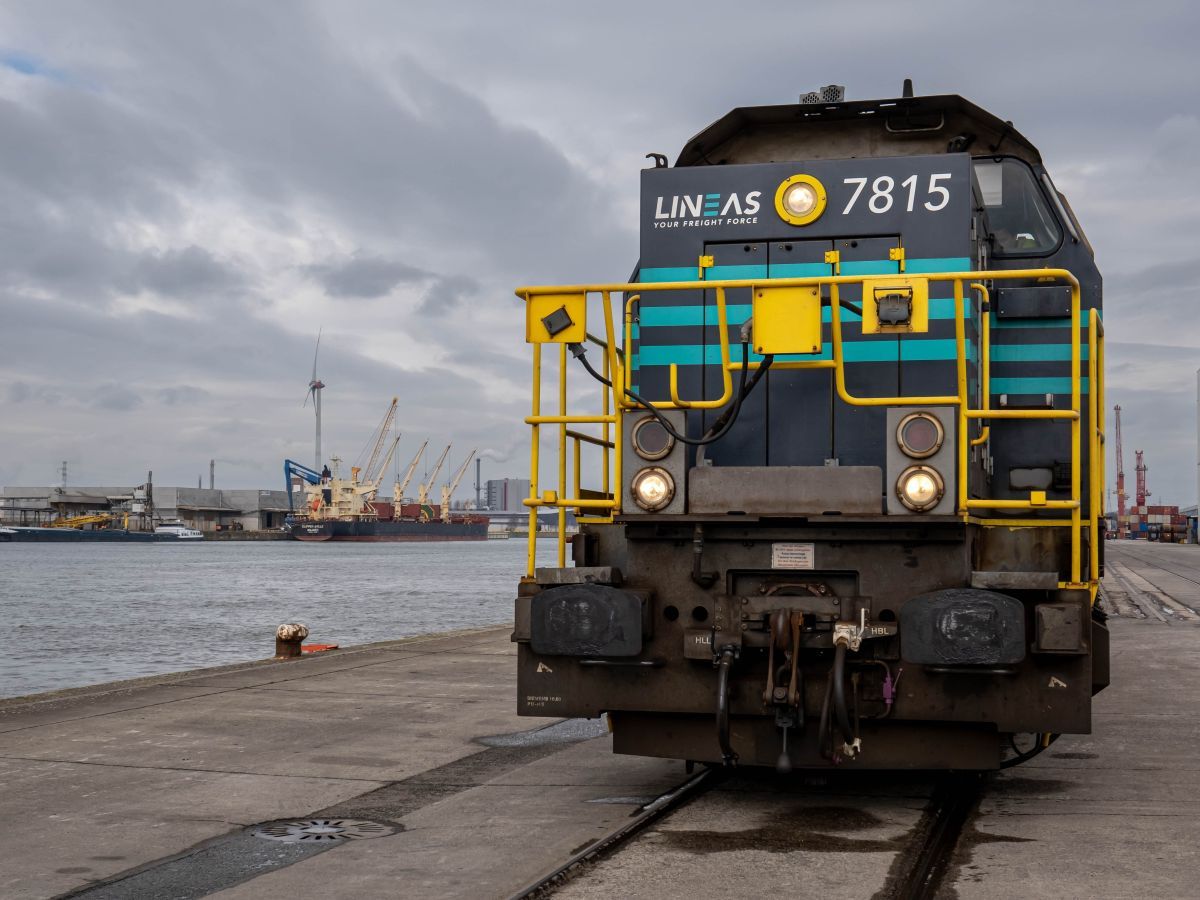
Lineas has been awarded control over four additional areas—zones 3, 4, 5, and 6B—within the Port of Antwerp under the framework of the Railport tender.
The supplier is expected to complete delivery within 2.5 years of receiving advance payment—which includes certification procedures for the new generation wagons.
A container train carrying photovoltaic module sets has been dispatched from Jinzhong, Shanxi Province (China) to Baku (Azerbaijan) via the Trans-Caspian International Transport Route (TITR), also referred to as the Middle Corridor.
Train services on Norway’s Rauma Line (Raumabanen) between Dombås and Åndalsnes are suspended until at least 31 August after a landslide severely damaged infrastructure near Verma station.
Both carriers stressed that there is no guarantee an agreement will be reached or that definitive terms will be agreed upon, and they do not plan to provide further updates unless disclosure becomes necessary.
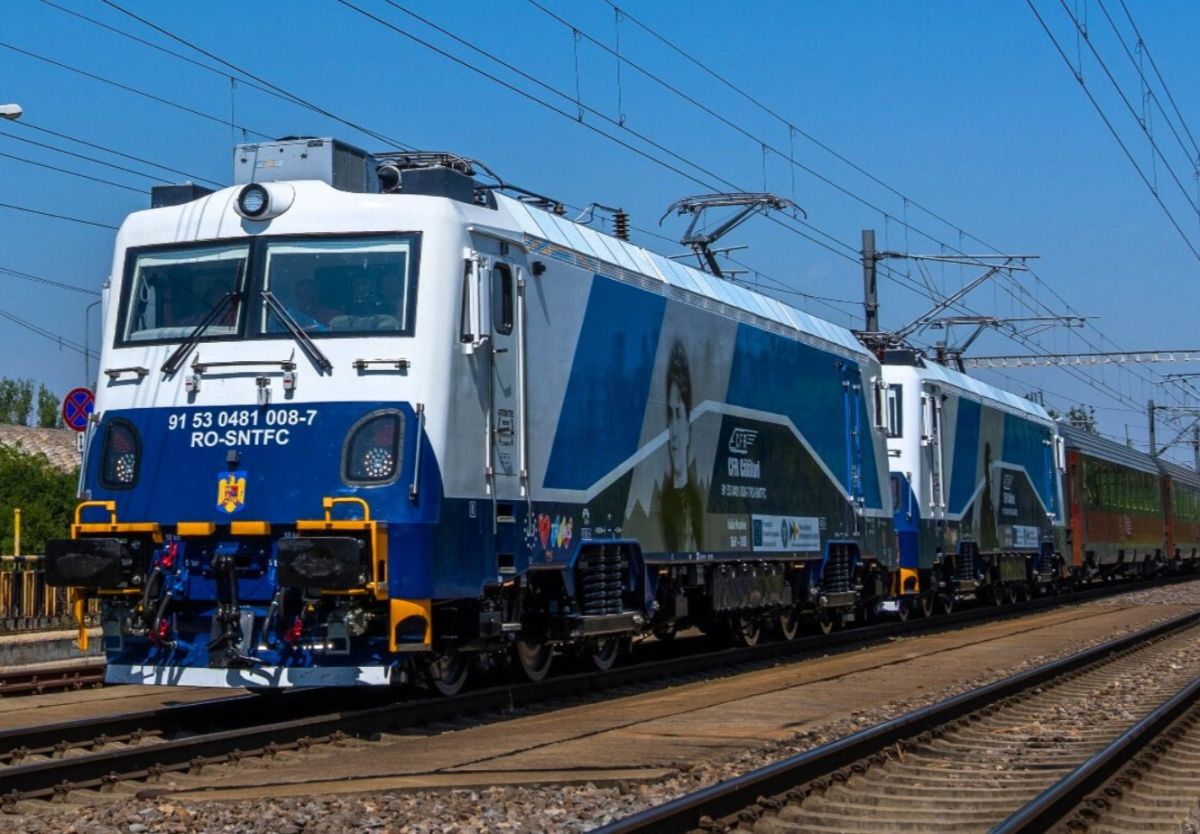
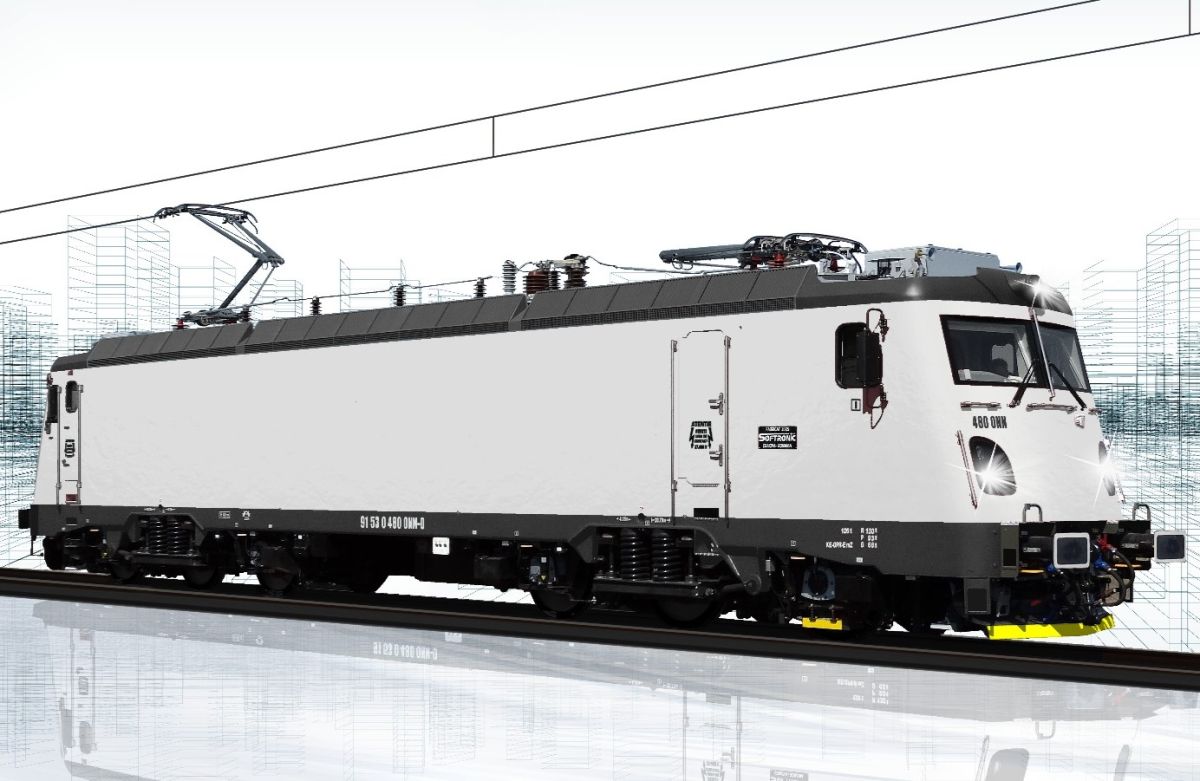
The locomotive of Romanian railway reform authority heads to testing.
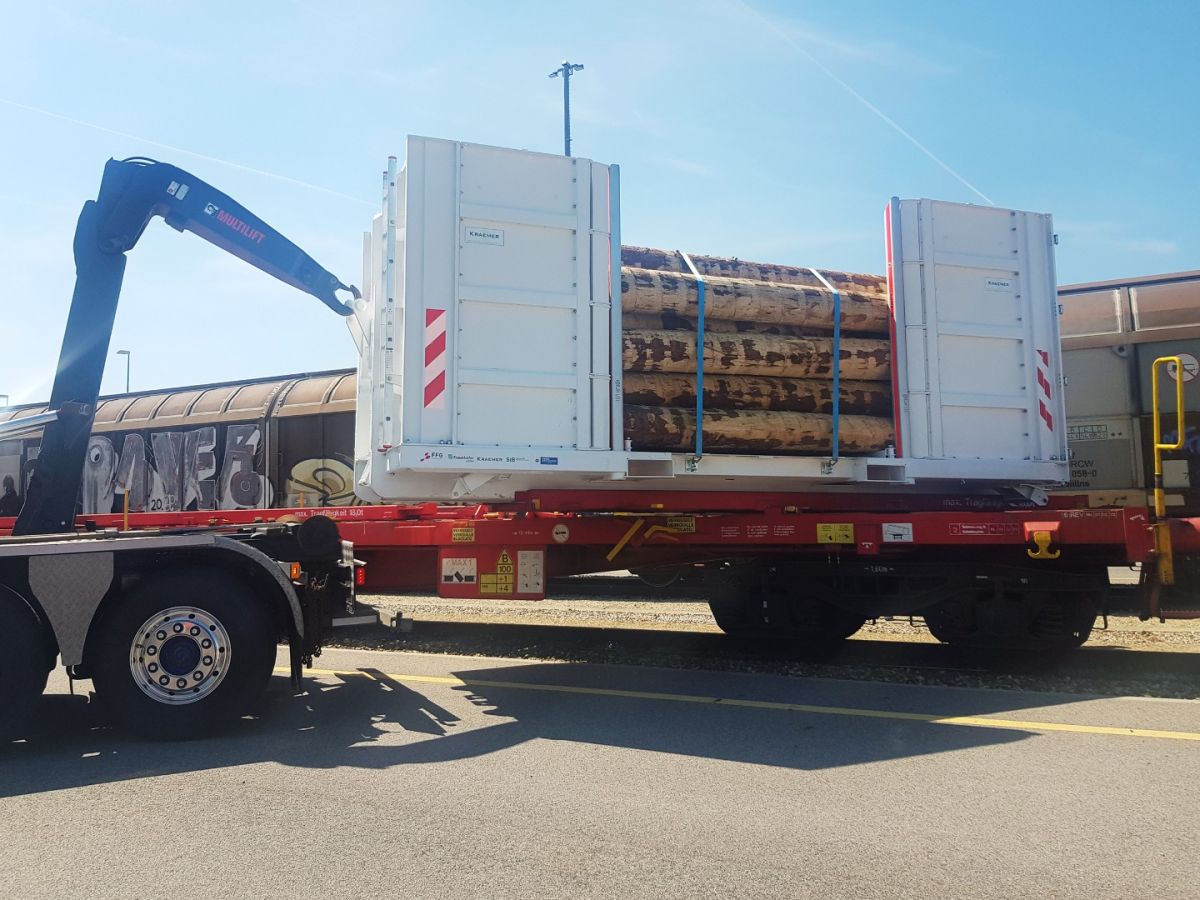
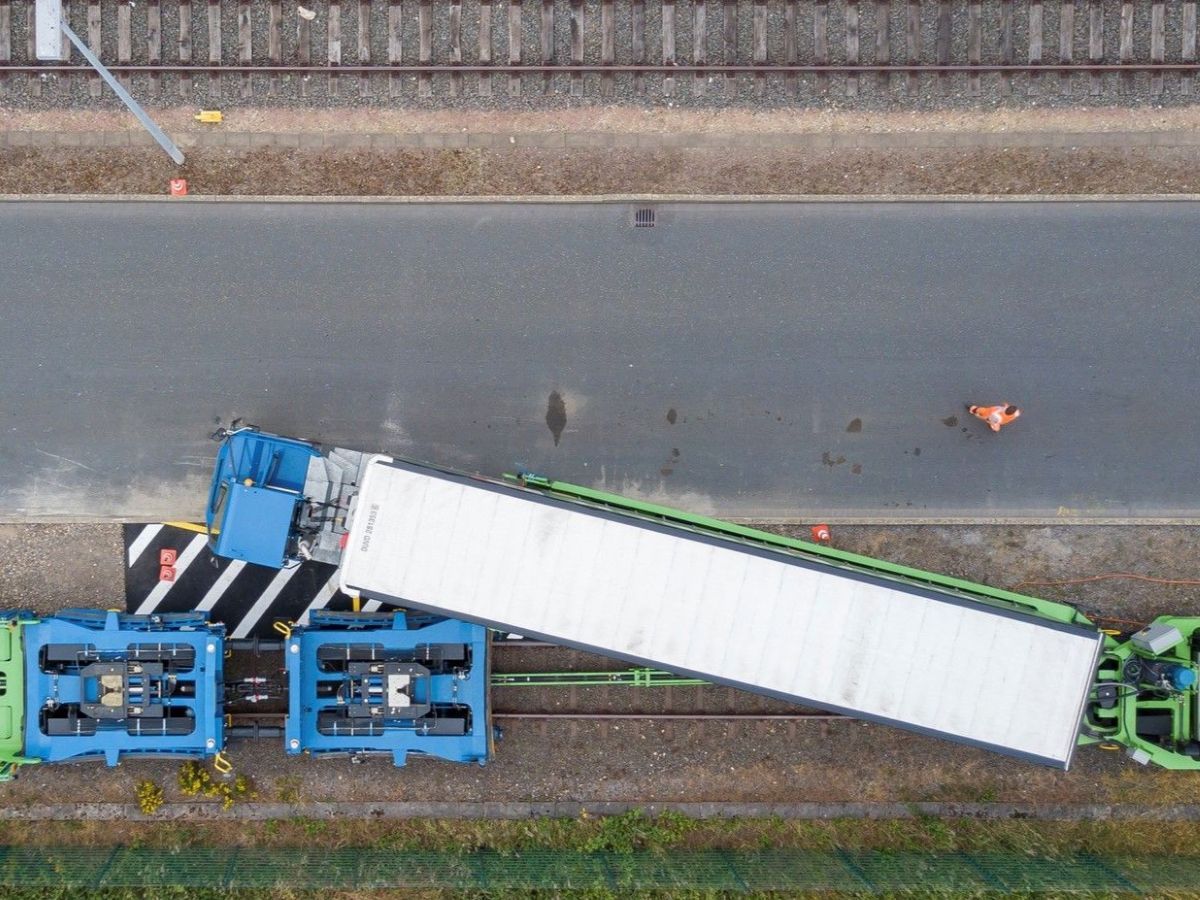
The prototype allows the loading of round timber, wood chips, and similar cargo, and enables direct transfer from truck to rail without additional loading infrastructure.
The transformation affects combined transport, single wagonload services, partner train operations, and workforce distribution, particularly in the canton of Ticino.
Komatsu has launched a rail transport operation using its proprietary 20-foot containers for construction and mining machinery parts.
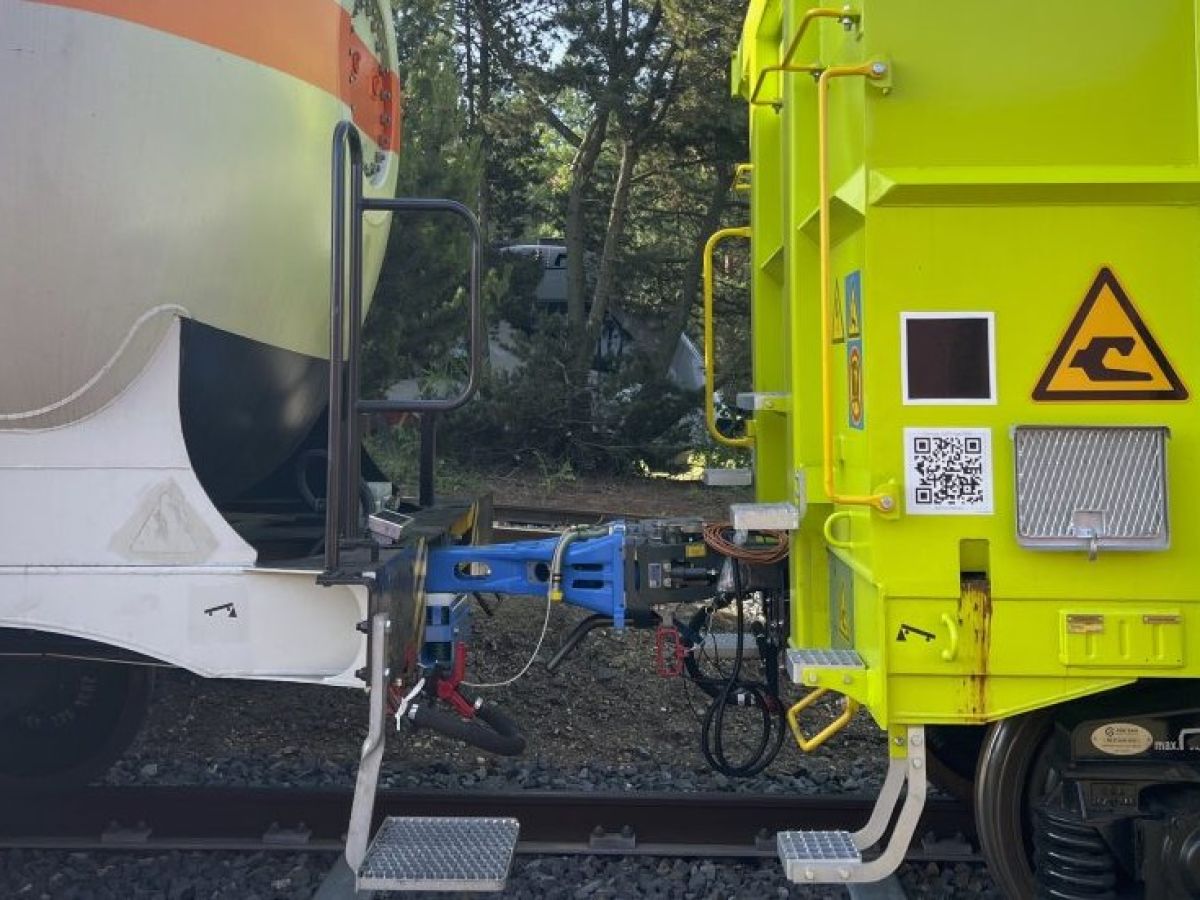
The campaign began in June 2025 and focuses on verifying DAC safety in S-curve conditions using physical load testing.
The measure is based on the EU’s state aid framework and is intended to increase the use of rail for freight transport.
Pol-Miedź Trans continues to provide rail transport for KGHM’s mining operations beyond copper concentrate and ore.
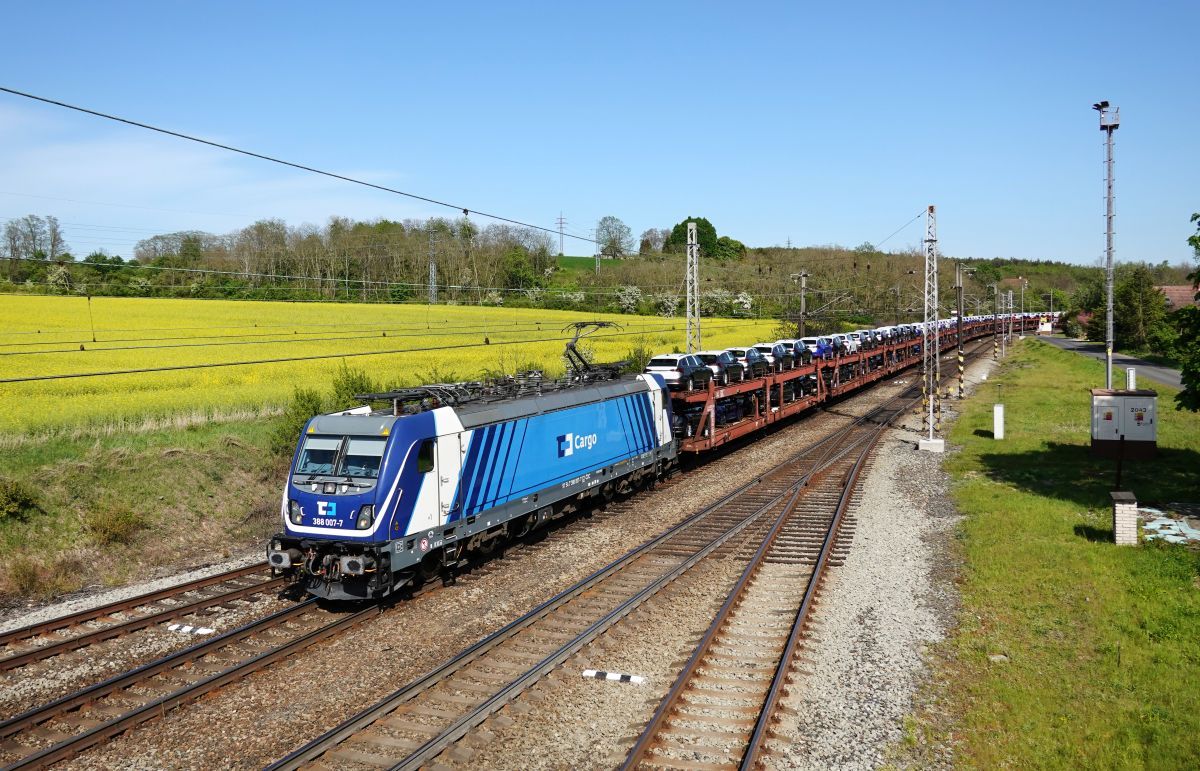
The cooperation between the automotive manufacturer and the rail freight company has been ongoing for over two decades.
A new international rail freight service connecting Guoyuan Port (Chongqing, China) with Hanoi (Vietnam) has officially started operations.
The deal is structured under the third phase of the Manganese Export Capacity Allocation (MECA 3), which governs rail and port access for bulk manganese exporters.
Renfe transported a total of 277.4 million passengers across its services in the first half of 2025, representing a 3% increase compared to the same period in 2024.
The unit is headed to Pueblo, Colorado, where it will undergo a testing and certification process. Service entry is scheduled for 2026.
The funding will be provided through SFPIM, Belgium’s sovereign wealth fund, which holds a long-term stake in the company.
The company presented its plan during a meeting with trade union representatives on 21 July 2025.
The change follows a shift introduced over the past few months.
The milestone vehicle was a MAN truck transported on the Brzesko–Rhein route between Poland and Germany.
The project should improve international rail connectivity and offering additional capacity for intermodal and transit traffic between Ukraine and the EU.
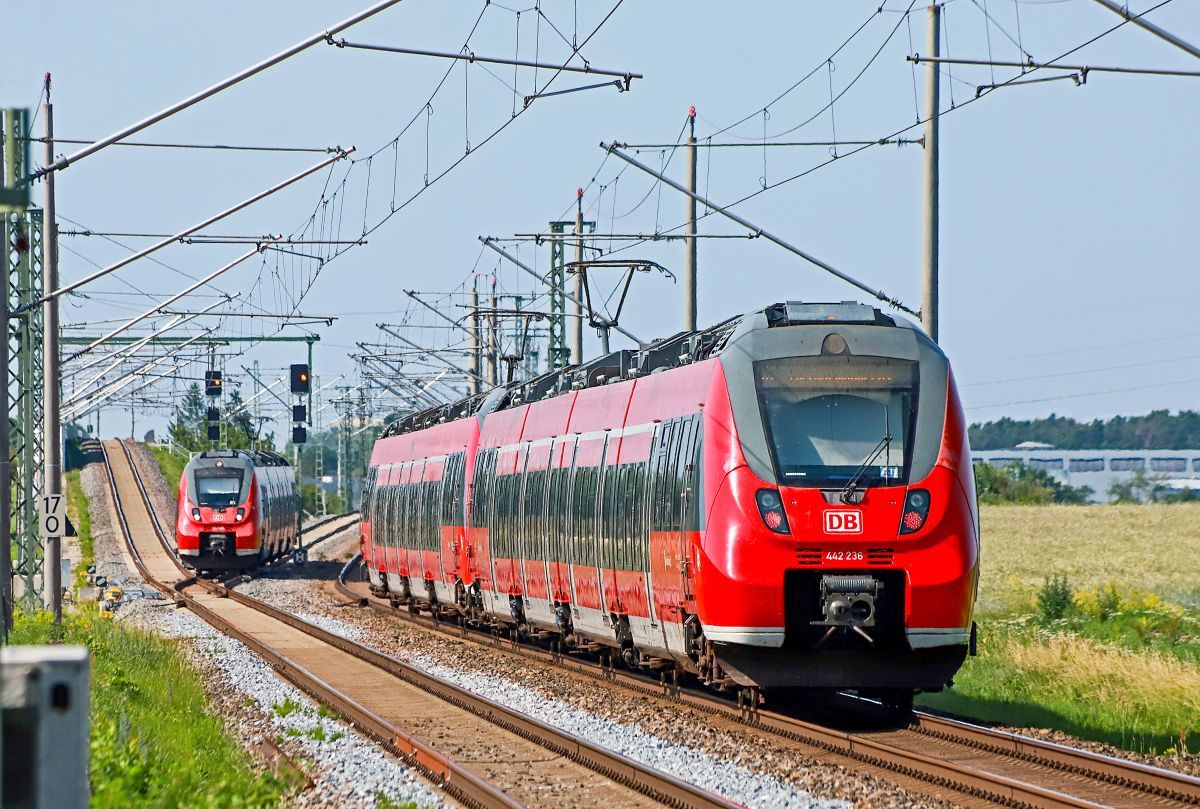
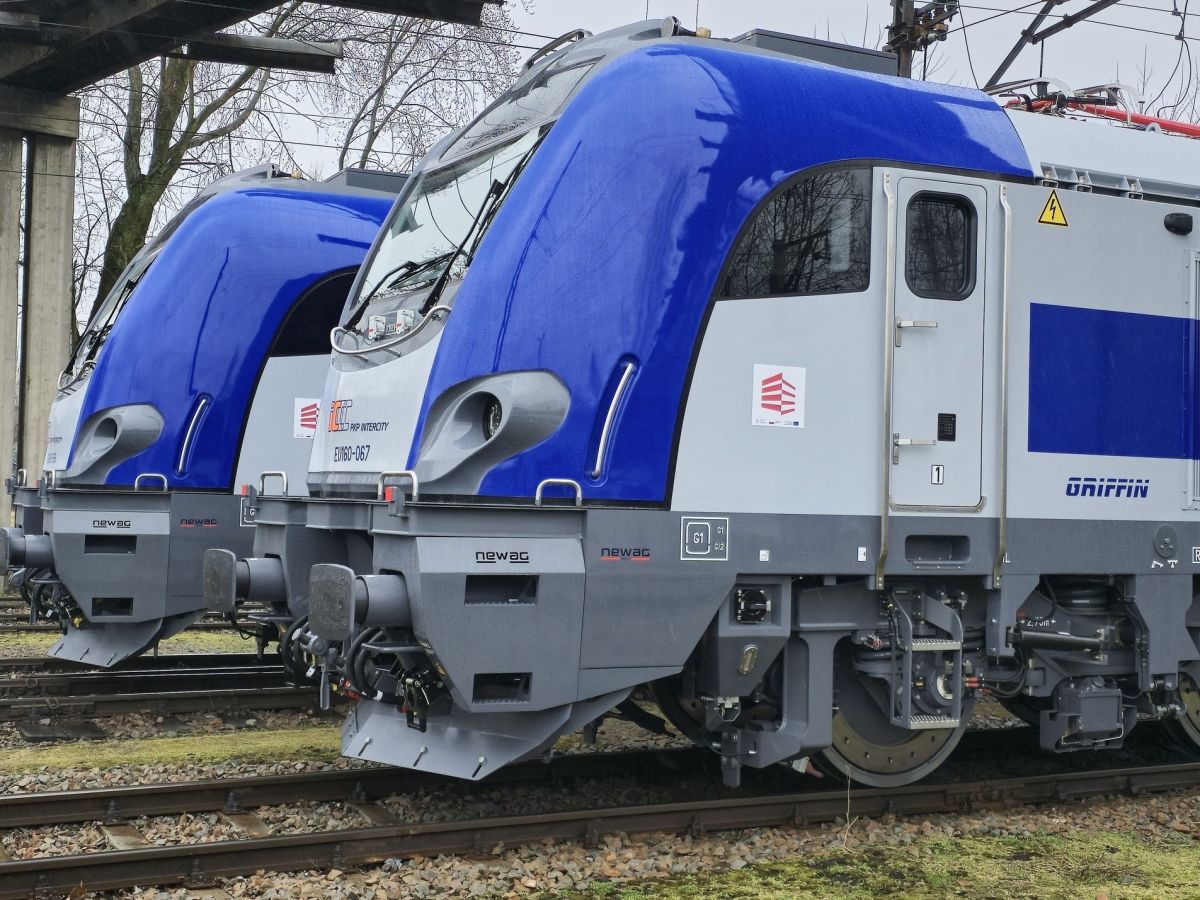
Polish, Czech and Hungarian national carriers announce vehicle upgrades, international service configurations, and station-level capacity works.
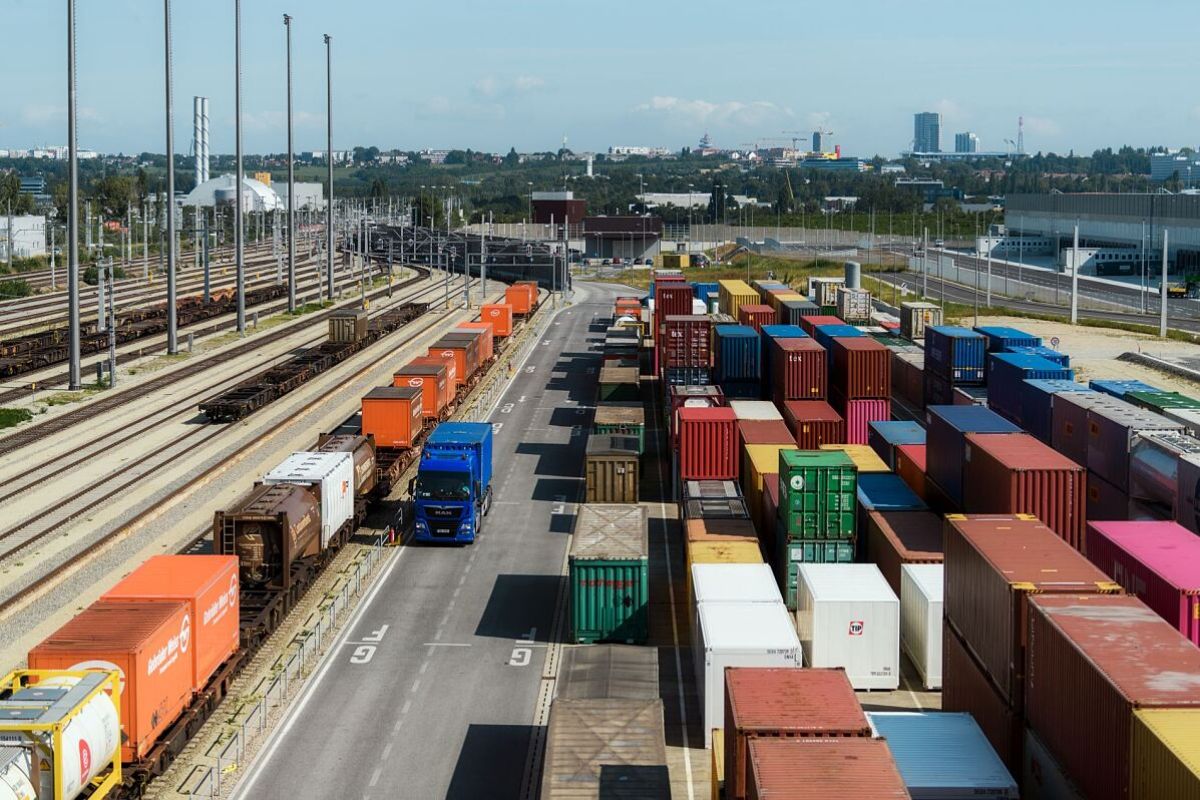
ÖBB Rail Cargo Group (RCG) is adjusting its intermodal network.
A new combined transport rail service between Cherbourg (Manche) and Mouguerre (Pyrénées-Atlantiques) has started operations.
The company is majority owned by AD Ports Group (51%), while KTZ Express, a subsidiary of Kazakhstan Railways (KTZ), holds the remaining 49%.
The company will undergo a restructuring phase while maintaining core operations along its East–West and North–South intermodal routes.
Long-distance services, except those on the Gäubahn line, and approximately half of the regional services will be rerouted via the new through station.
The auction announcement precedes the formal public auction, scheduled to occur in November 2025.
ČD Cargo has entered talks with the Association of Forestry and Wood Processing Enterprises regarding the organization of future timber transport.