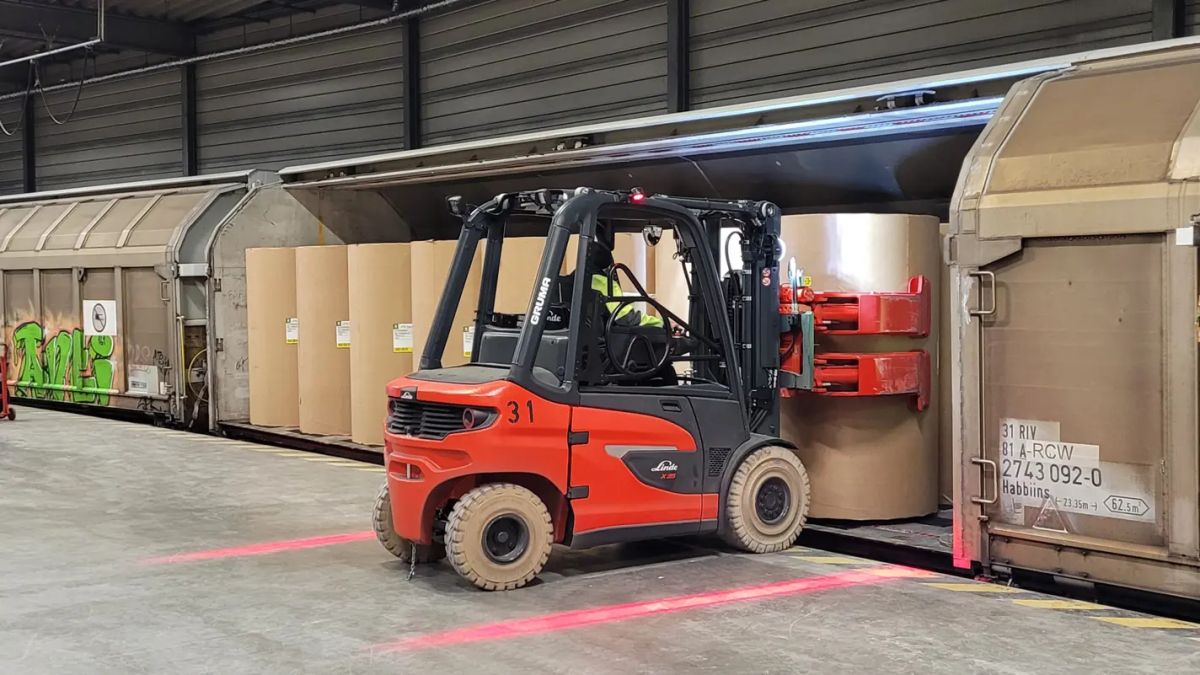

UPM introduces new rail cargo concept with Rail Cargo Group in southern Germany
The company has shifted from single-wagon shipments to block train services, aiming to improve transport flows between production sites and customers.
This addition is aimed at improving service flexibility and capacity in a competitive corridor.
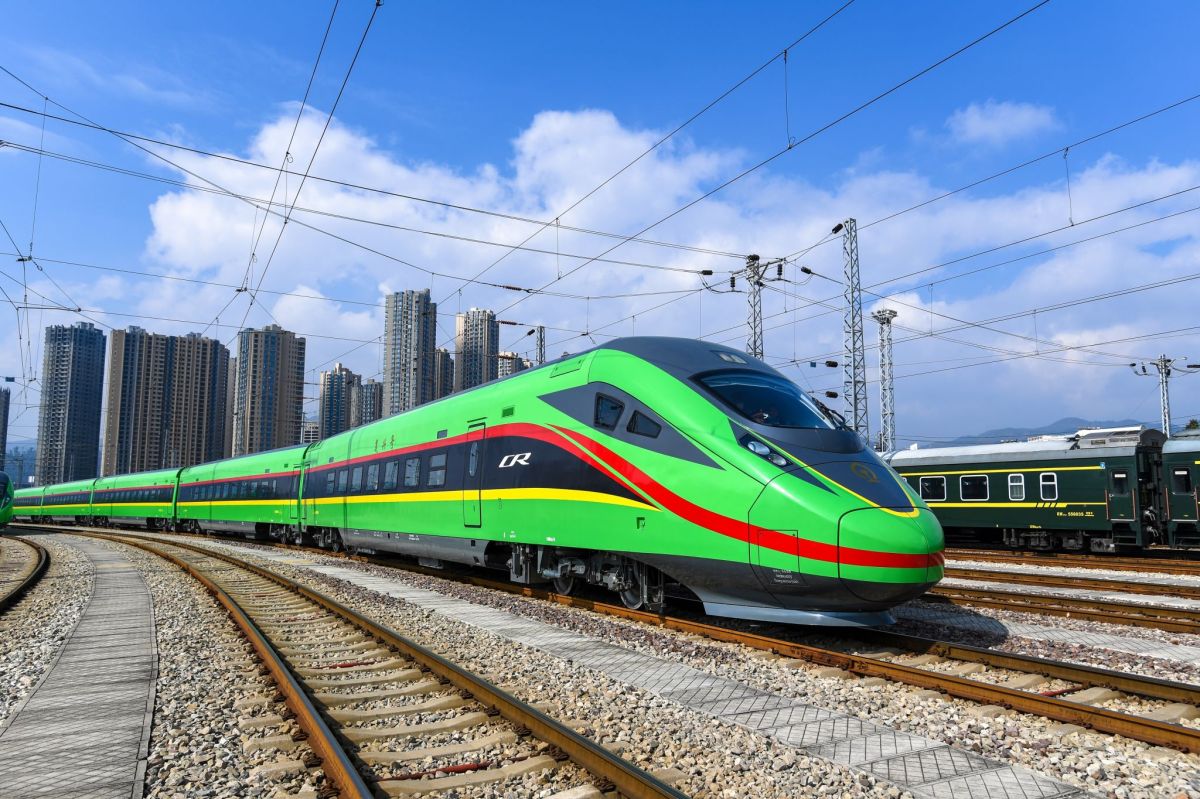
The units deployed on the China–Laos Railway run at a maximum speed of 160 km/h.
The order is valued at ₹242.41 crore, equal to approximately EUR 26.6 million.
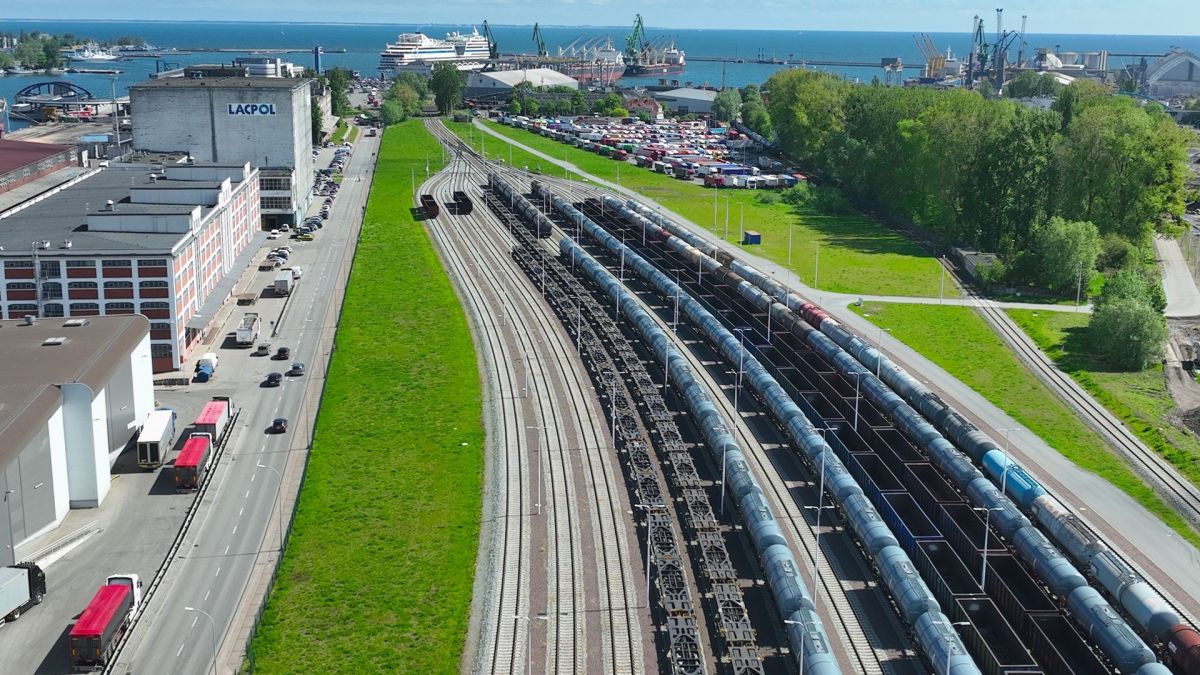
The company continues to expand rail infrastructure leading to Poland’s Baltic seaports, with several large-scale projects underway to increase capacity and allow longer and heavier freight trains to reach Gdańsk and Gdynia.
Vollert Anlagenbau, a long standing family owned machinery and plant engineering company based in Weinsberg, filed for insolvency at the District Court of Heilbronn on 18 July 2025.
The Board of Iarnród Éireann has confirmed that Mary Considine will take over as Chief Executive of the company later this year, following the retirement of Jim Meade.
According to the companies involved, each unloading replaces 28 truck journeys. Starting in the autumn, three unloading operations per week are expected at the Malmö terminal.
Rail Baltica’s construction phase is underway across the three Baltic nations, with about 43 percent of the mainline projected to be construction-ready by the end of 2025.
New figures from Eurostat show a continuing decline in the share of rail in inland freight transport across the European Union.
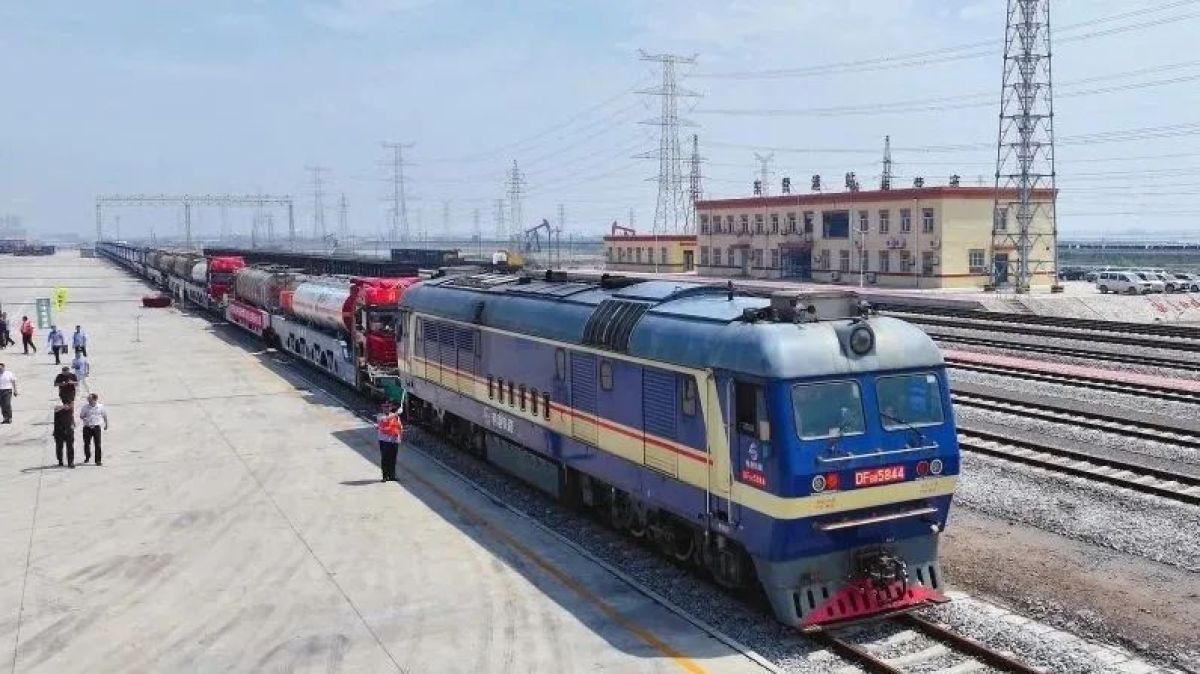
The first train departed on 7 August 2025. According to the operator, the transit time from loading to delivery is estimated at two days.
No other manufacturers submitted offers for the tender, which was issued earlier this year.
Deutsche Bahn will undergo a leadership change following a decision to end the contract of CEO Dr. Richard Lutz early.
Further deliveries are expected to continue as the biorefinery ramps up production.
Rail now accounts for over 8% of the port’s total land traffic.
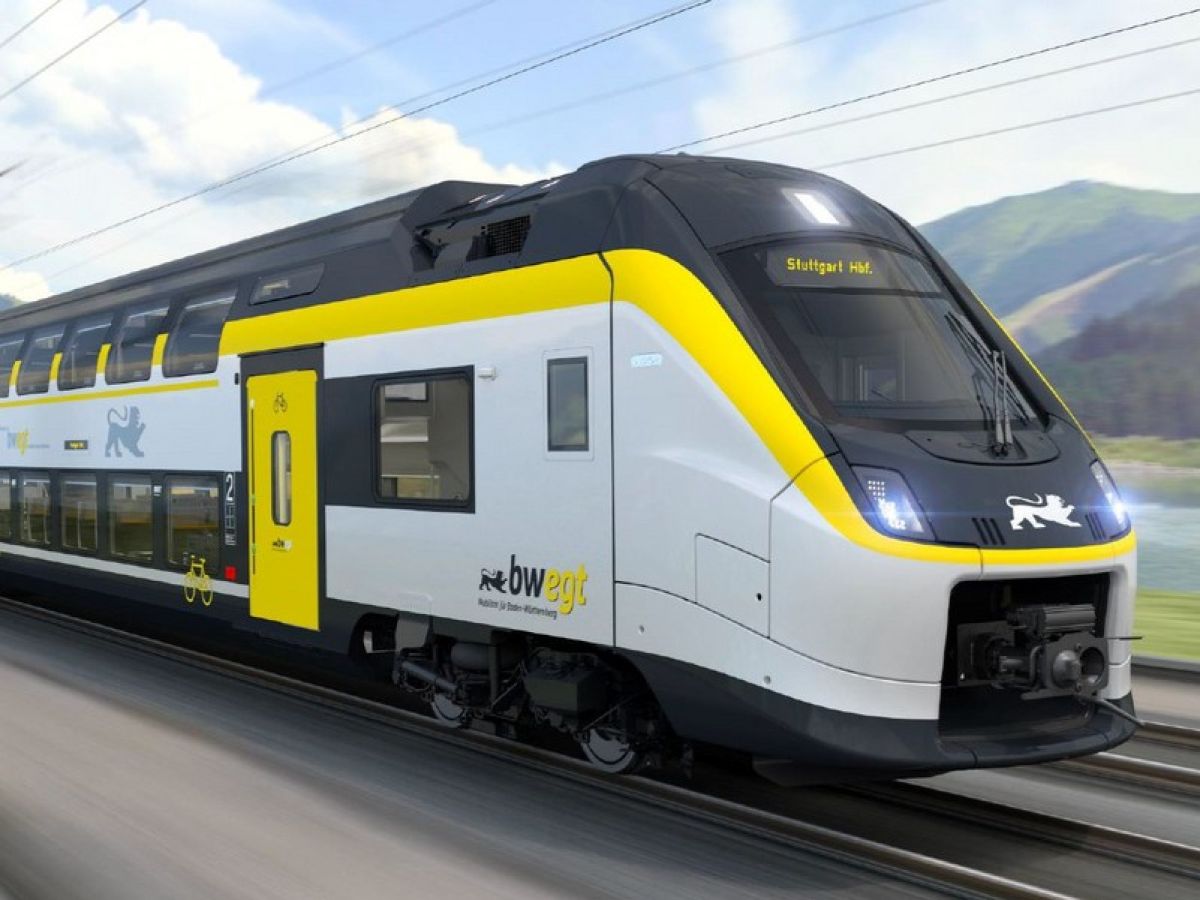
The trains will be deployed on the RE9 and RE10 routes, part of the Baltic Sea Coast-East Network Part II, operated on behalf of Mecklenburg-Vorpommern Transport Company (VMV) mbH.
The transition completes the move of these freight volumes from road to rail.
The contract for network 35b will begin with the timetable change on 13 December 2026 and run until the end of 2040.
The financing involves new investors from Singapore, the USA, and Germany, broadening the company’s funding base.
Rijeka Gateway has received its first test freight train as part of the terminal’s operational trials.
The European Union Agency for Railways (ERA) and Germany’s Federal Railway Authority (Eisenbahn-Bundesamt, EBA) have approved the Talgo 230 train for operation in Germany and Denmark.
In the second week of the 38-week full closure of the Hamburg–Berlin line, freight operators are reporting delays on diversion routes due to additional construction work.
Spanish Talgo is progressing with the approvals of its Avril trainsets to operate on French railway infrastructure.
The upgrade is intended to support passenger and freight traffic for the next 25 years, particularly in anticipation of increased volumes following the opening of the Divača–Koper second track.
From January 2026, new railway undertakings will handle first and last mile traffic in the Antwerp port area as part of an operational plan to optimise freight flows and increase the rail share in port transport.
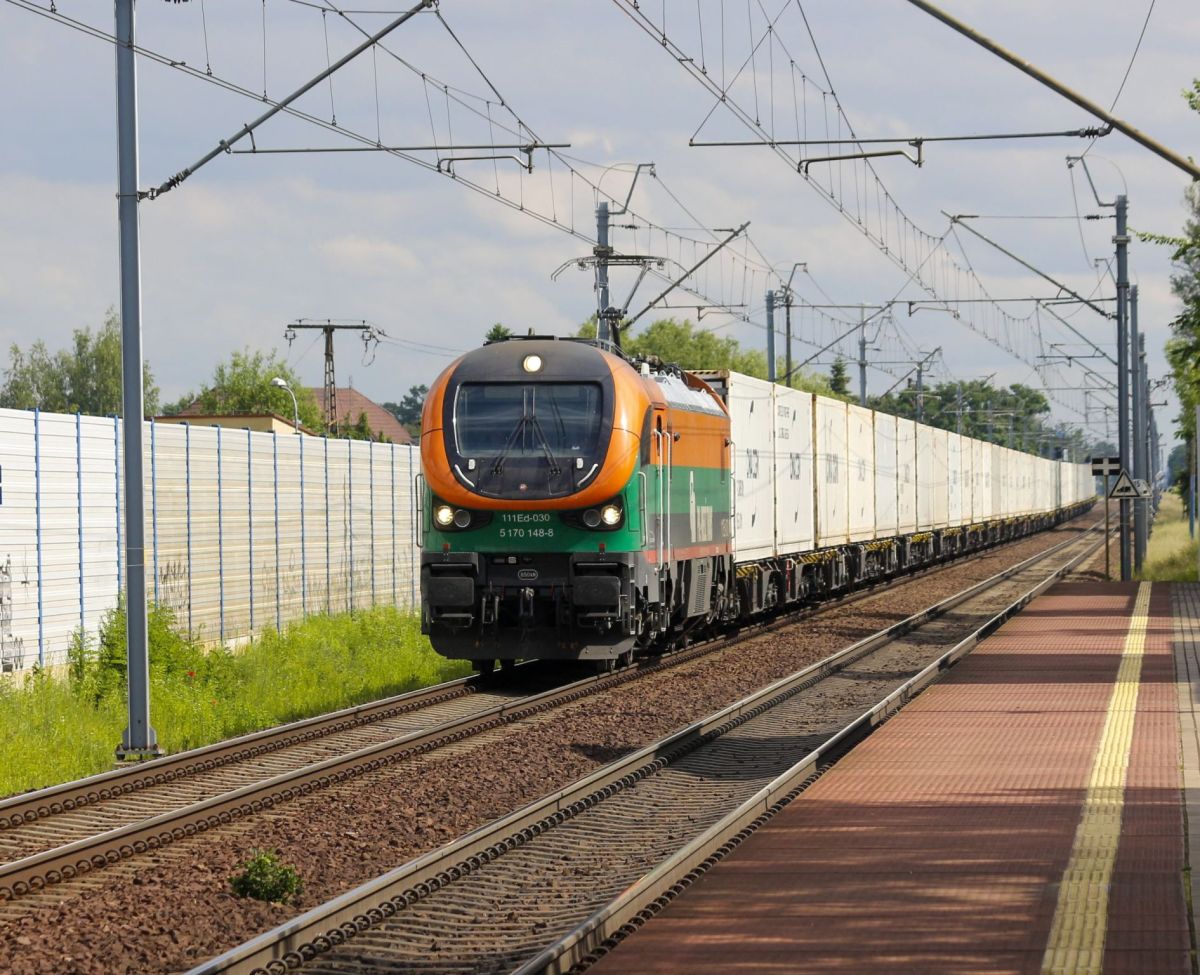
NEWAG has handed over two additional E4DCU Griffin EU160 electric locomotives to PKP Intercity.
The Railjet brand will be used for services to Germany, Slovakia and Hungary, operated with both existing Railjet trainsets and the new ComfortJet units.
The Kansas City Intermodal Terminal (KCIT) is the fourth facility the company has inaugurated since 2021, aimed at expanding its intermodal network in the United States.
Construction work on the connection between the Madrid–Barcelona and Madrid–Levante high-speed lines has passed the halfway stage, according to the Ministry of Transport and Sustainable Mobility.
Five trainsets will enter service initially, with the full fleet of 28 expected to be in operation by 2027.
Company data shows that in the first half of 2025, imports of petroleum products to Ukraine rose by 5.4%.
The timetable change will raise the frequency to eight weekly departures.
Once operational, the network will link key urban centres and communities, reducing travel times and strengthening connectivity across the country.
The combined value of the awarded contracts is estimated at NOK 1 billion (approx. €85 million).
The company forecasts between 27.0 and 29.5 million metric tonnes (MMT) of grain and processed grain products to be moved over the course of the crop year, assuming standard operating conditions.
Built in the 1980s and refurbished in 2020, the trains previously operated on long-distance routes such as Barcelona–Málaga, Barcelona–Seville, and the Trenhotel service between Barcelona and Paris.
The trains will follow a fixed timetable, departing from Poti at 21:30 and arriving in Tbilisi at 09:47 the following morning.
The financing will fund reconstruction and electrification of the approximately 34 km railway connecting the port city of Durrës with central Rrogozhinë.
Planning for the reactivation of the Mainschleifenbahn line between Volkach and Würzburg is moving ahead, with the federal government agreeing to take over the costs for reconstruction at Seligenstadt station.
The final design for the Strait of Messina Bridge has been approved by Italy’s Interministerial Committee for Economic Planning and Sustainable Development (CIPESS).
The new stock is expected to begin entering service on the operator’s London–West Midlands routes from spring 2026.
Both facilities also allow access to the general public in the form of driver experience rides, with the initial runs reportedly attracting interest from rail enthusiasts.
The growth in high-speed rail follows the liberalization of the market and increased competition across major corridors.
The new trains are planned to enter service in the Stockholm-Mälaren region from spring 2028 under Mälardalstrafik.
The project forms part of a broader initiative led by UIPA to position Utah as a key inland logistics hub, integrating intermodal rail solutions into the state’s transport infrastructure.
The new trains are part of a larger contract involving 31 units ordered by both the regional government and the regional operator Koleje Śląskie.
The rail division achieved a book-to-bill ratio of 1.2, contributing to a total company backlog of EUR 15.59 billion, of which EUR 13.54 billion is linked to rail activities.
Half of the fixed order for 10 locomotives was delivered and deployed by two customers.
The transition is the first phase of the company’s wider electrification strategy across western Styria, ahead of expanded services tied to the launch of Austria’s new Koralmbahn in December.
A total of 38 open wagons designed specifically for mineral transport were delivered for the beginning of the railway’s operational phase.