
Trenitalia will introduce 36 updated Frecciarossa 1000 high-speed trains
The updated Frecciarossa 1000 fleet will include an option for ten more.
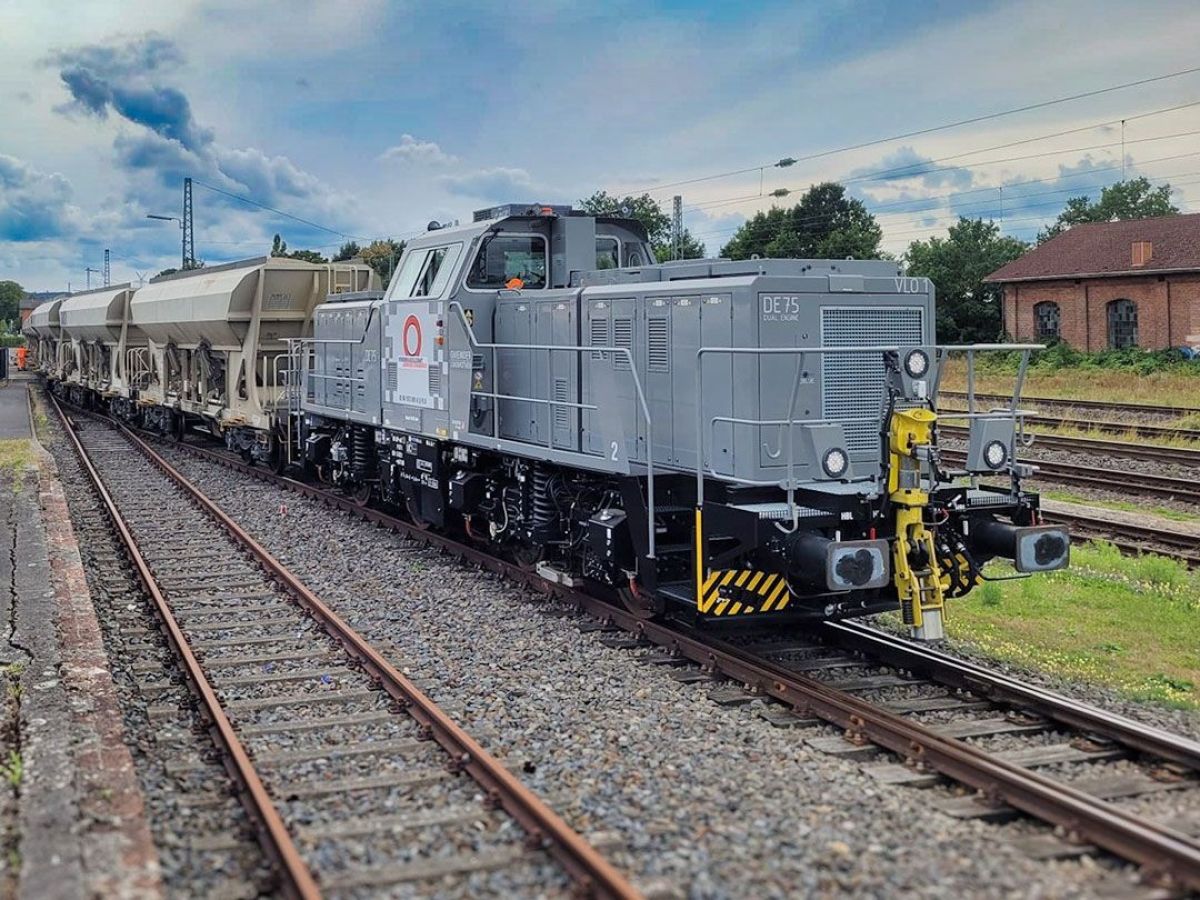
The 15 locomotives are designated for deployment in Germany and Austria, joining Alpha Trains’ existing roster of Vectron AC, MS, and Dual Mode units.
Stadler has submitted documentation to the European Union Agency for Railways (ERA) to extend the operational approval of the EuroDual locomotive type to Croatia and Slovenia.
An interview with Nicolae Alexandru, CEO of Ansett Logistics on how the company grew since 2005 into a European rail freight player.
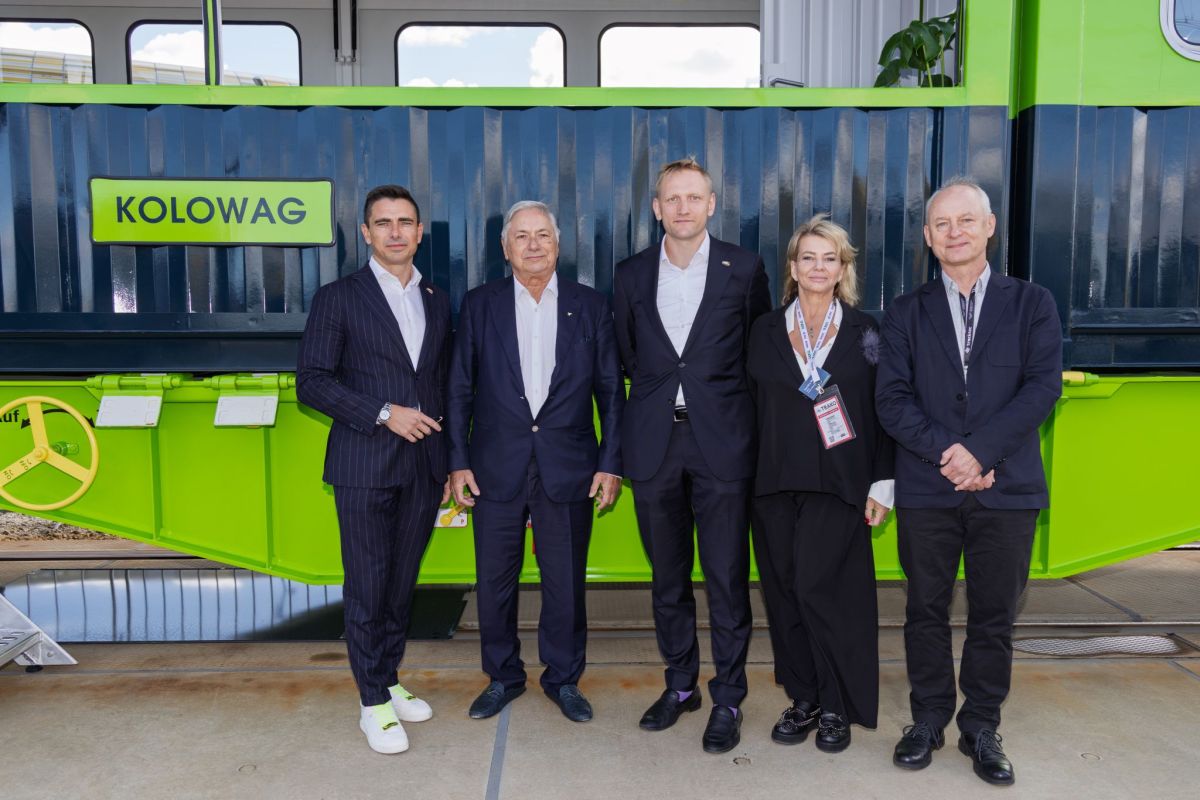
The wagons will support rail services across the operator’s terminal network in Poland and abroad.
PESA has introduced its Gama 3.0 locomotive platform during the TRAKO 2025 trade fair in Gdańsk. The new development expands the existing Gama portfolio with a modular approach allowing for various traction configurations.
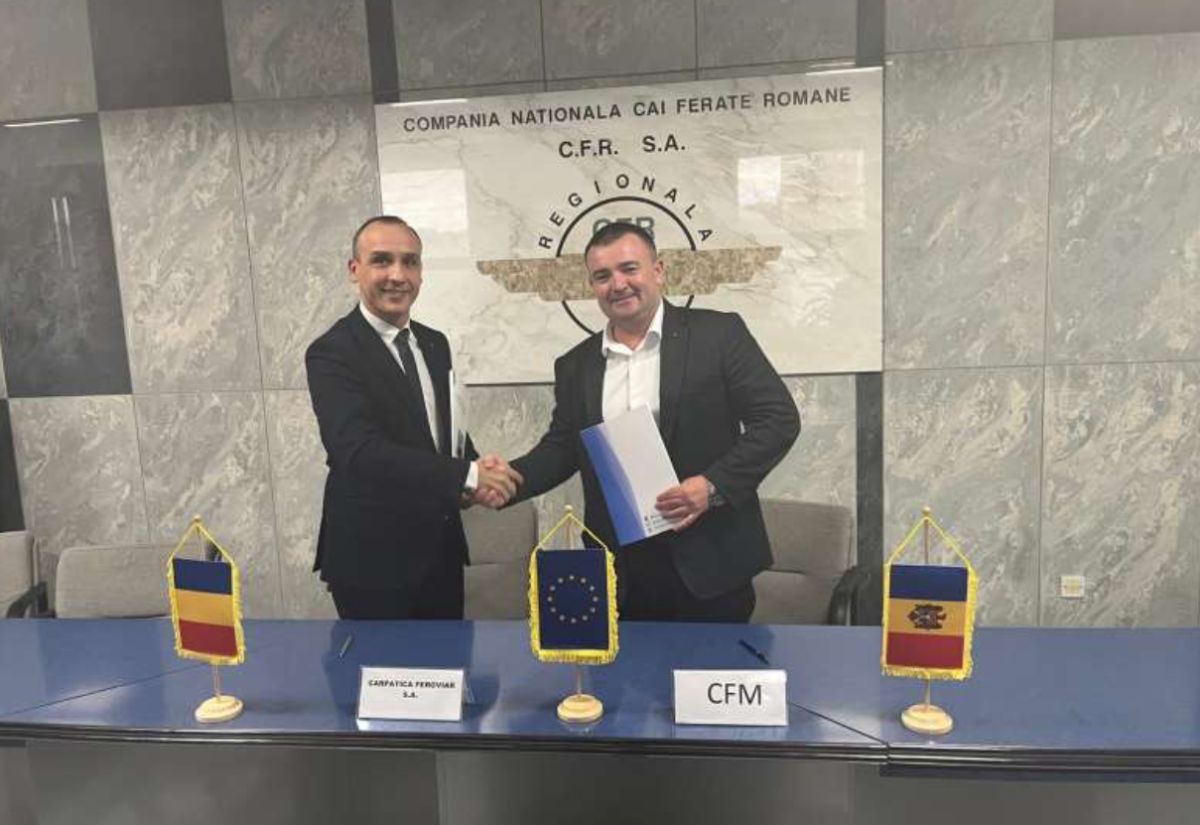
The agreement was concluded on 25 September 2025 during a working visit by the CFM delegation to Iași, Romania.
The company confirmed that its operating performance remains stable and continues to target full-year volume growth.
The decision follows the announcement by SNCF Voyageurs that French government support for these connections will not continue beyond this year.
The rollout is part of an AUD 350 million investment in low-emission traction aimed at reducing fleet-wide emissions by 6–10%.
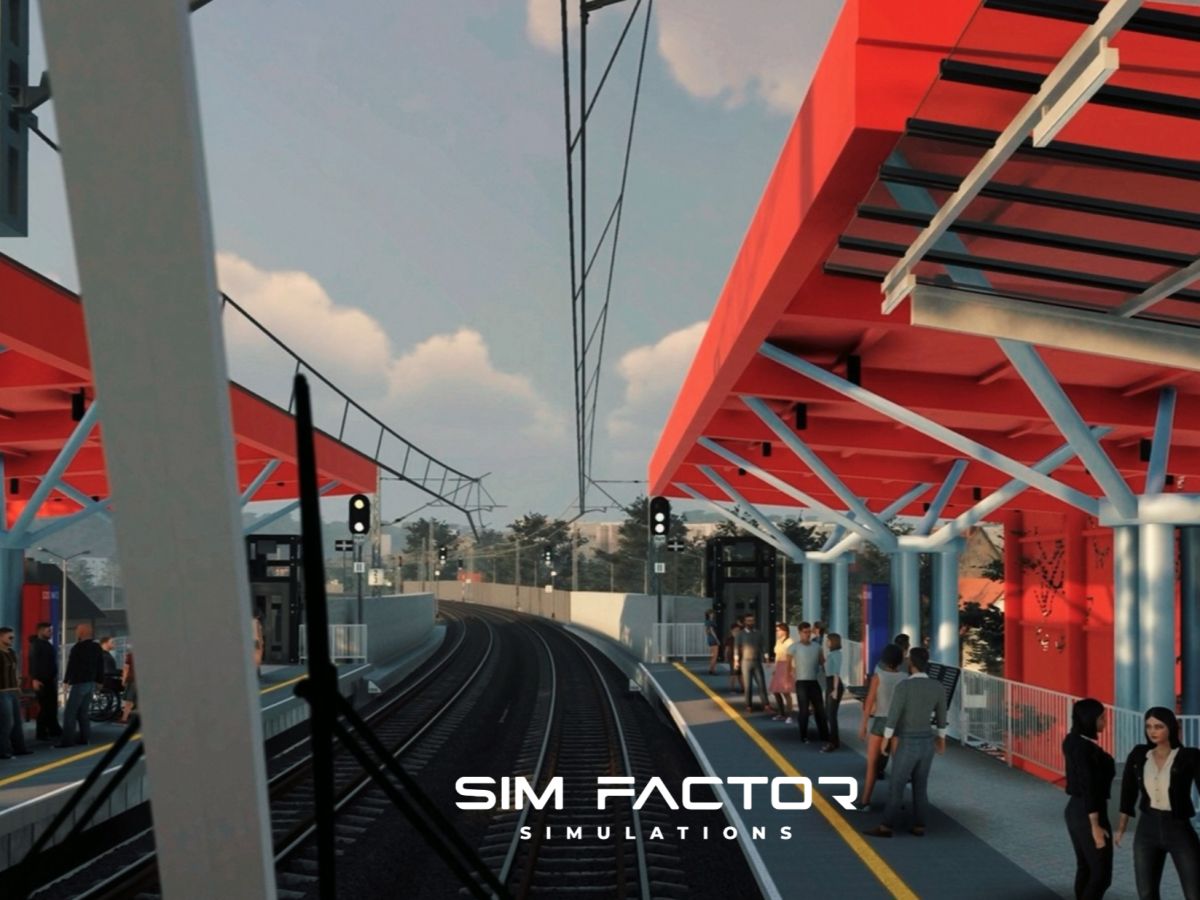
The upgraded graphics are integrated into the company’s railway simulators and support higher simulated speeds, up to 250 km/h, with future readiness claimed for 300–400 km/h operation.
The planned site is intended to support the growing fleet of Traxx Universal locomotives operating across Poland and the Eastern European corridor.
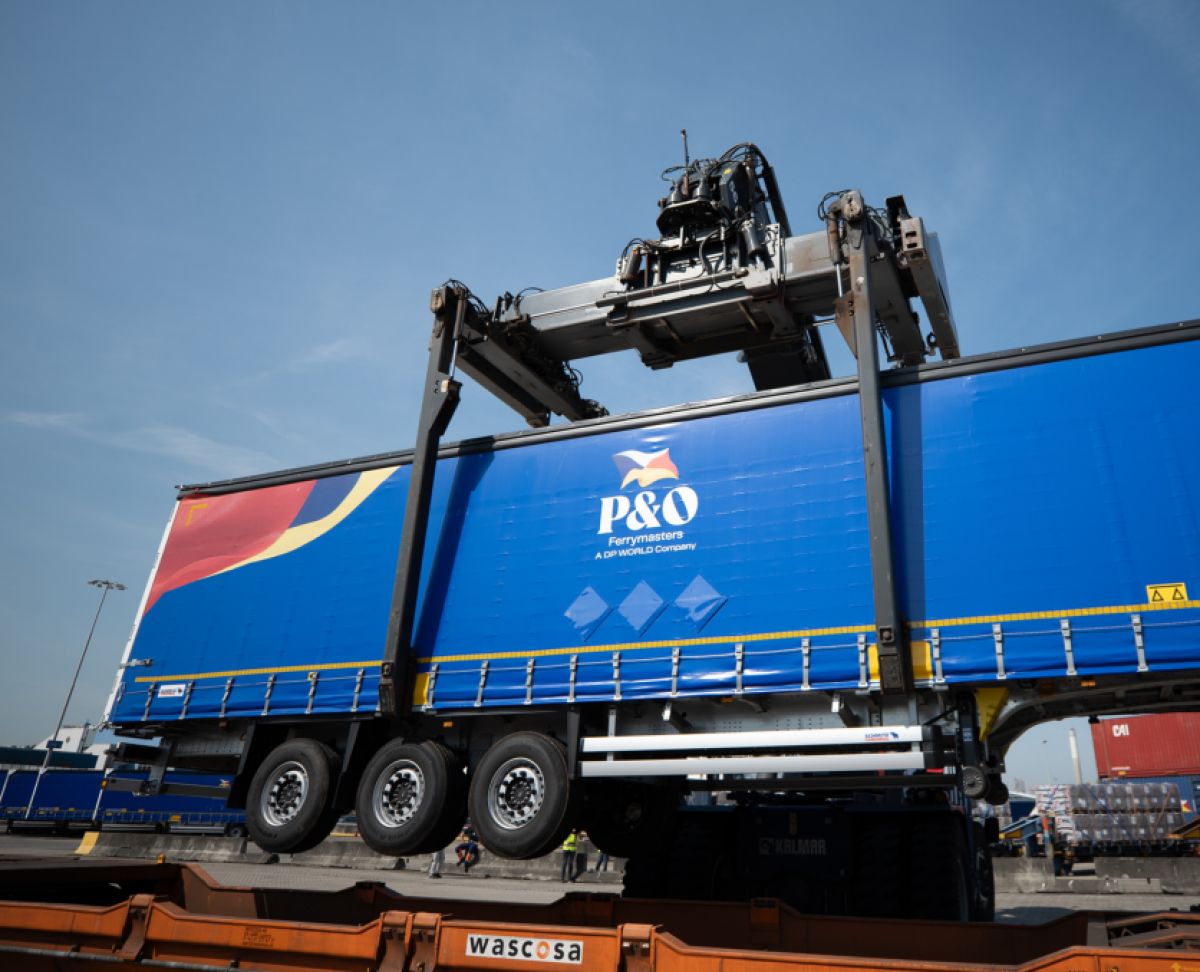
The service runs alongside the existing Zeebrugge–Dourges–Perpignan route, providing a daily option for shipments to and from Spain via the North Sea corridor.
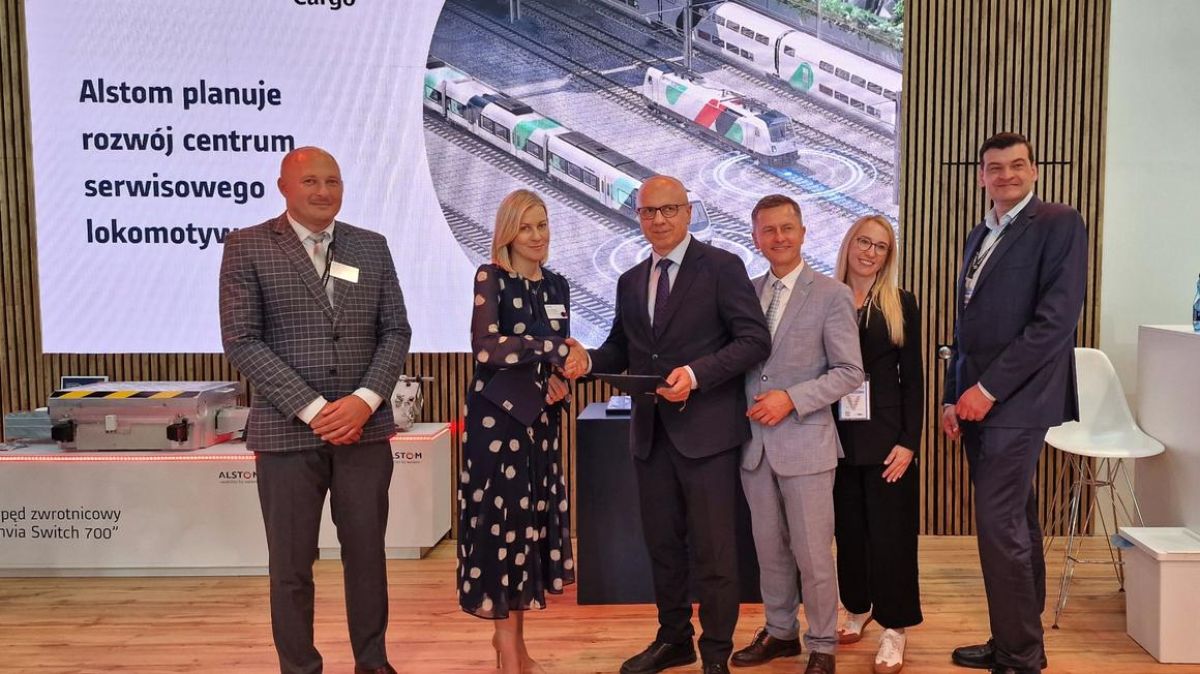
The agreement was finalised during the TRAKO trade fair in Gdańsk and will remain in effect for a period of two years.
Through this acquisition, Knorr-Bremse aims to strengthen its rail division by integrating duagon’s hardware and software portfolio into its existing offerings.
This agreement follows the termination of a previous maintenance contract for 80 trains of the 7000 series.
The handover on 19 September 2025 was preceded by its first hydrogen-powered run.
The initiative responds to increased demand for regional diesel rolling stock and was formally presented at the TRAKO 2025 trade fair in Gdańsk, where a 3-car Talent DMU was shown.
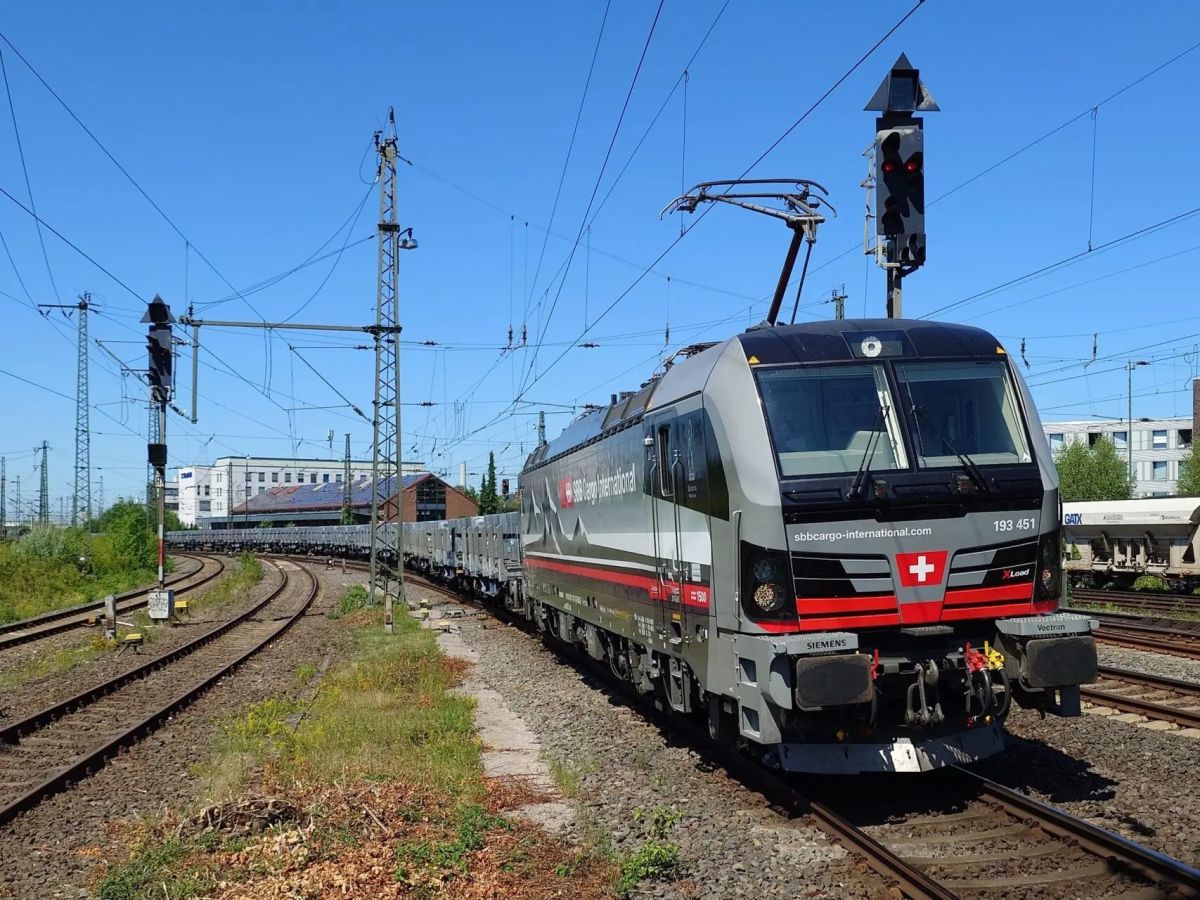
The new agreement runs until the end of 2028, covering a service that moves approximately 300,000 tonnes of aluminium annually, spread across 10,000 wagons per year.
The wagons will operate on the Kaunas–Duisburg intermodal route, which since June also includes a stop in Łódź, a key logistics hub in central Poland.
According to the operator, the vehicle in its current form does not meet the expected standards for comfort and quality.
The contract represents NWL’s largest single fleet renewal to date for regional rail transport.
Their introduction comes six months ahead of schedule.
The locomotive, produced by Newag in Poland, is being presented as part of Akiem’s ongoing expansion in the Central European market.
The trainset combines a Vectron locomotive with newly developed Vectouro passenger cars, configured for push-pull operation at speeds of up to 230 km/h.
The transaction is expected to be completed before the end of 2025, pending regulatory approvals.
The six modernised tracks at Bundel Mercator in the Port of Ghent are now operational.
The purpose of the run was to check load handling and route timing under diesel power.
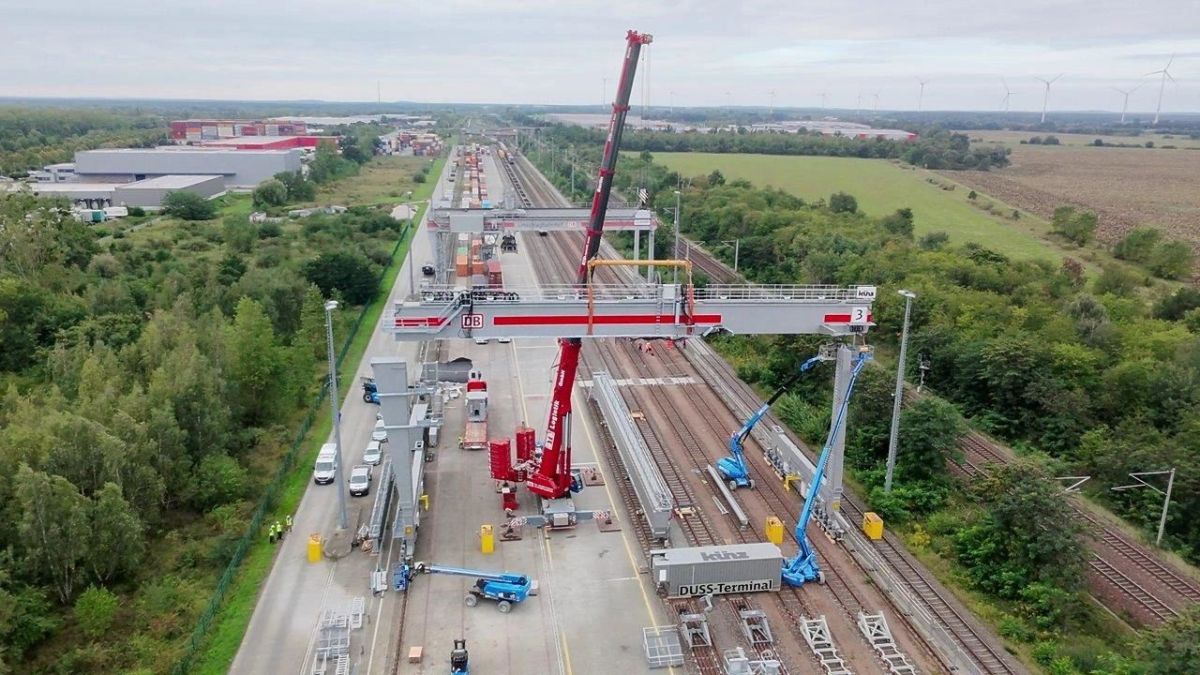
The crane was mounted as part of an ongoing expansion of handling capacity at the site, located just south of the German capital in the Güterverkehrszentrum (GVZ) Großbeeren.
The project falls under the company’s Li-Ion 2025 initiative and involves the conversion of a conventional diesel locomotive into a fully battery-electric unit.
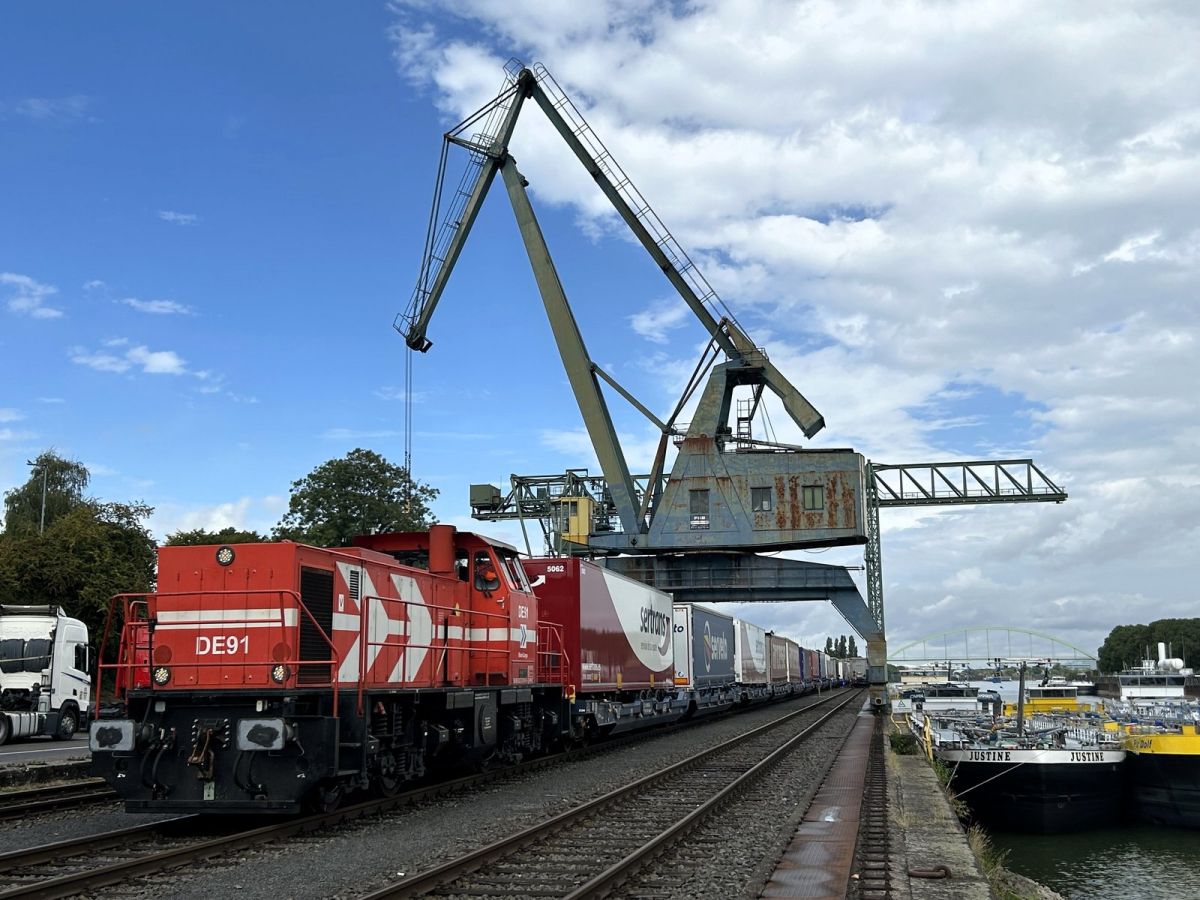
The intermodal container train linking Cologne-Niehl port and Perpignan in southern France now runs four times per week, up from the previous three weekly departures.
The reform addresses persistent financial losses, shrinking volumes, and aging equipment in freight operations.
The project, backed by the Ministry of Transport and Infrastructure, covers both electric and diesel electric versions and is positioned as a step beyond the current E 5000 platform.
The train was unveiled at the Pla de Vilanoveta depot near Lleida, where it is expected to begin validation testing in the coming weeks.
The development follows CMA CGM’s earlier acquisitions in the logistics sector, including road and air freight firms. With this move, the company continues building its intermodal presence in the UK rail freight market
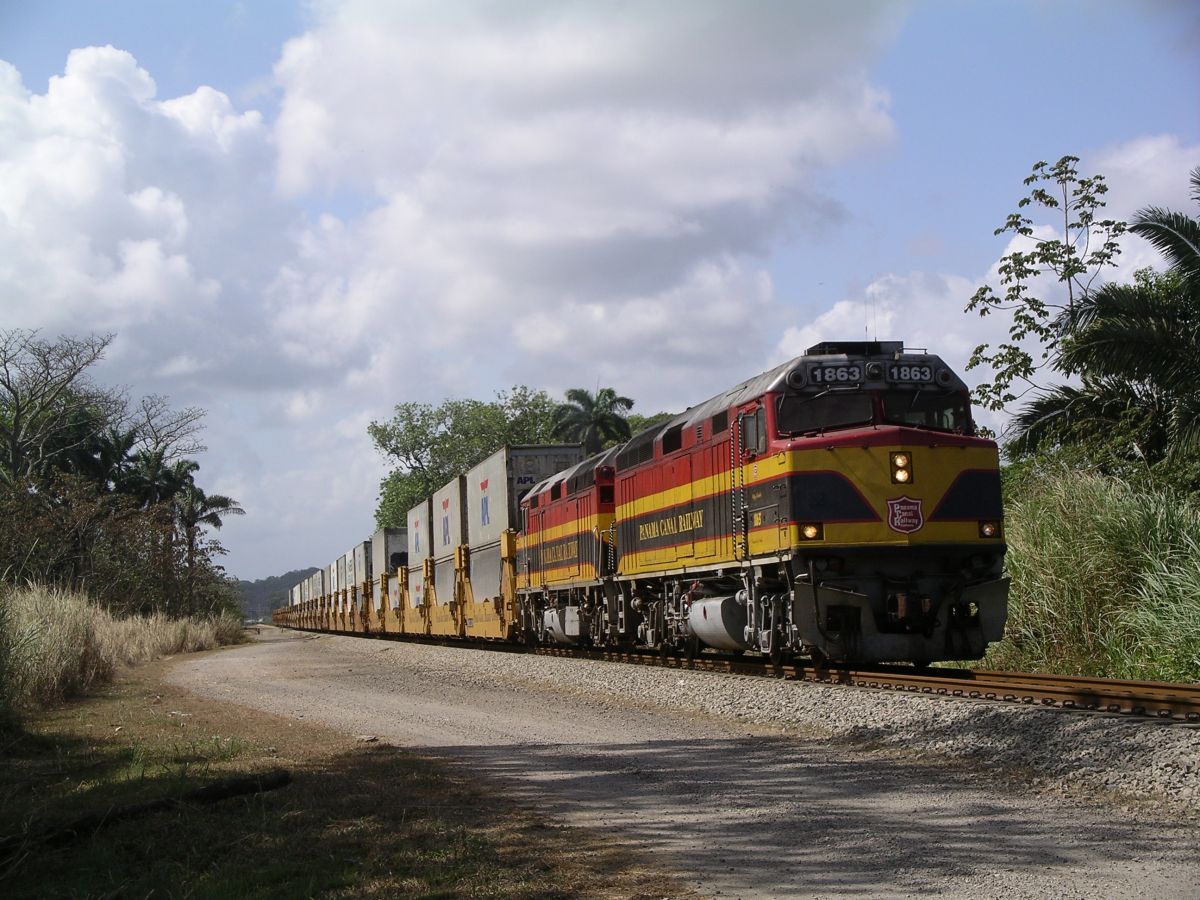
On 16 September 2025, Panama and France signed a declaration of intent to cooperate on the development of the proposed Panama–David–Frontera railway line.
New connections are expected to serve approximately 440,000 residents with direct access to the long-distance rail network.
The locomotive will be used at the park’s facilities in western Ukraine.
Delivery of the first units is planned for the final quarter of 2027, with full fleet deployment expected by early 2028.
Overall, 43% of the Rail Baltica mainline is projected to be construction-ready by the end of 2025.
Excavation of the exploratory tunnel beneath the Brenner Pass has reached the border between Austria and Italy, completing its 56 km length.
Up to 500 employees will be affected by collective layoffs scheduled for completion by the end of September 2025, with employment terminations taking effect one month later.
The new rail connection links the port of Rijeka with Nelt’s logistics hub in Dobanovci, located near the Serbian capital.
According to the plan, up to two million tonnes of limestone will be transported annually by rail using a dedicated fleet of 100 specially designed wagons.
The transaction is scheduled to close by the end of 2025.
The route will now operate four weekly roundtrips, with departures scheduled on Tuesdays, Wednesdays, Fridays, and Saturdays in both directions.
The modernisation of the line and replacement of ageing equipment form part of a local strategy to maintain rail’s relevance for industrial clients in the region.
Operated by the San Bernardino County Transportation Authority (SBCTA), the hydrogen-powered train started running on the 9-mile Arrow Corridor between San Bernardino and Redlands in Southern California.
The operator has implemented a new timetable from 15 September, increasing the total number of weekly services to 2,045 – exceeding pre-pandemic levels for the first time.
The contract, signed in July, is valued at over PLN 100 million, equivalent to approximately EUR 22.9 million.