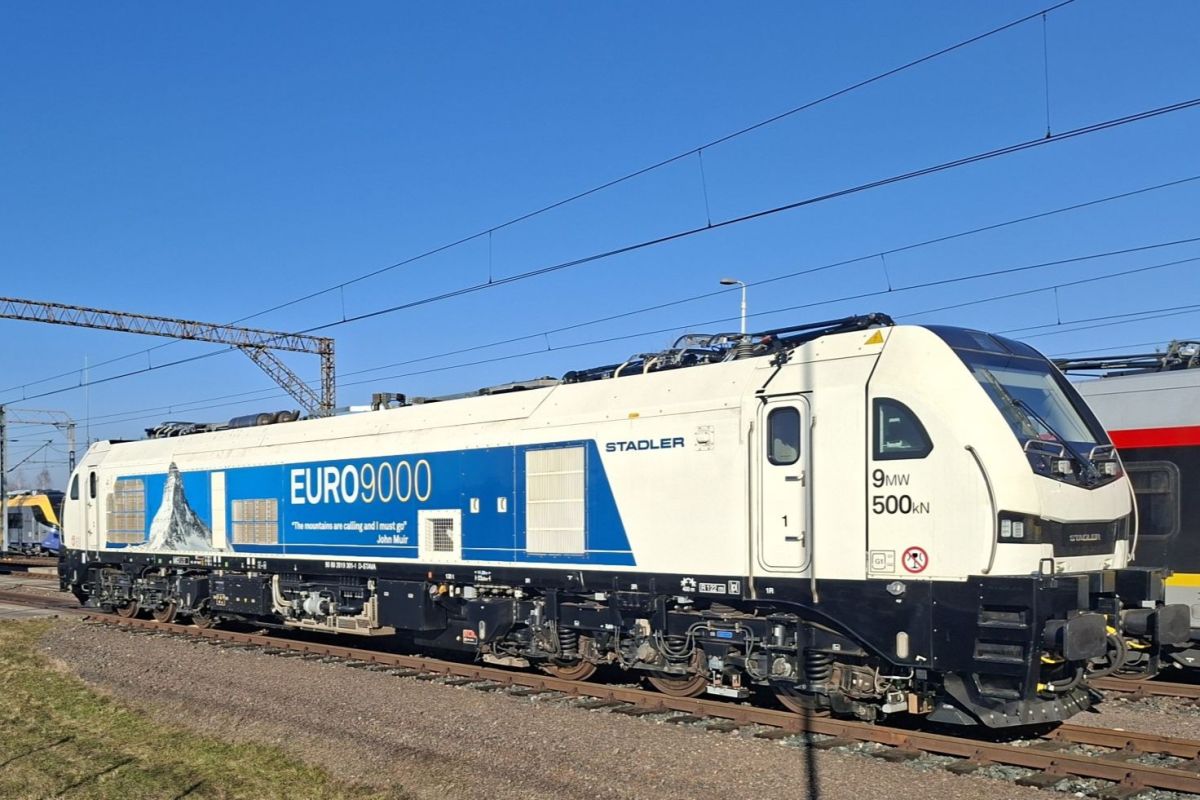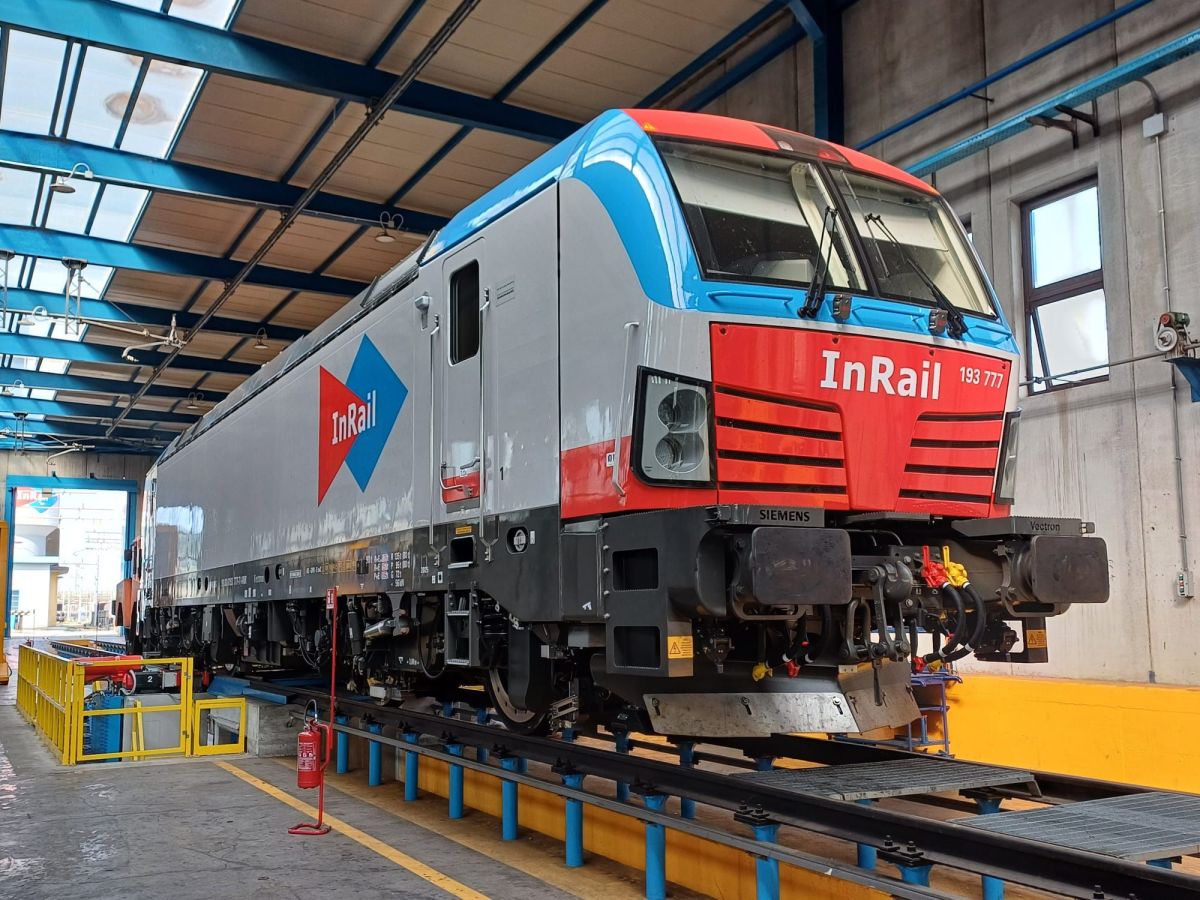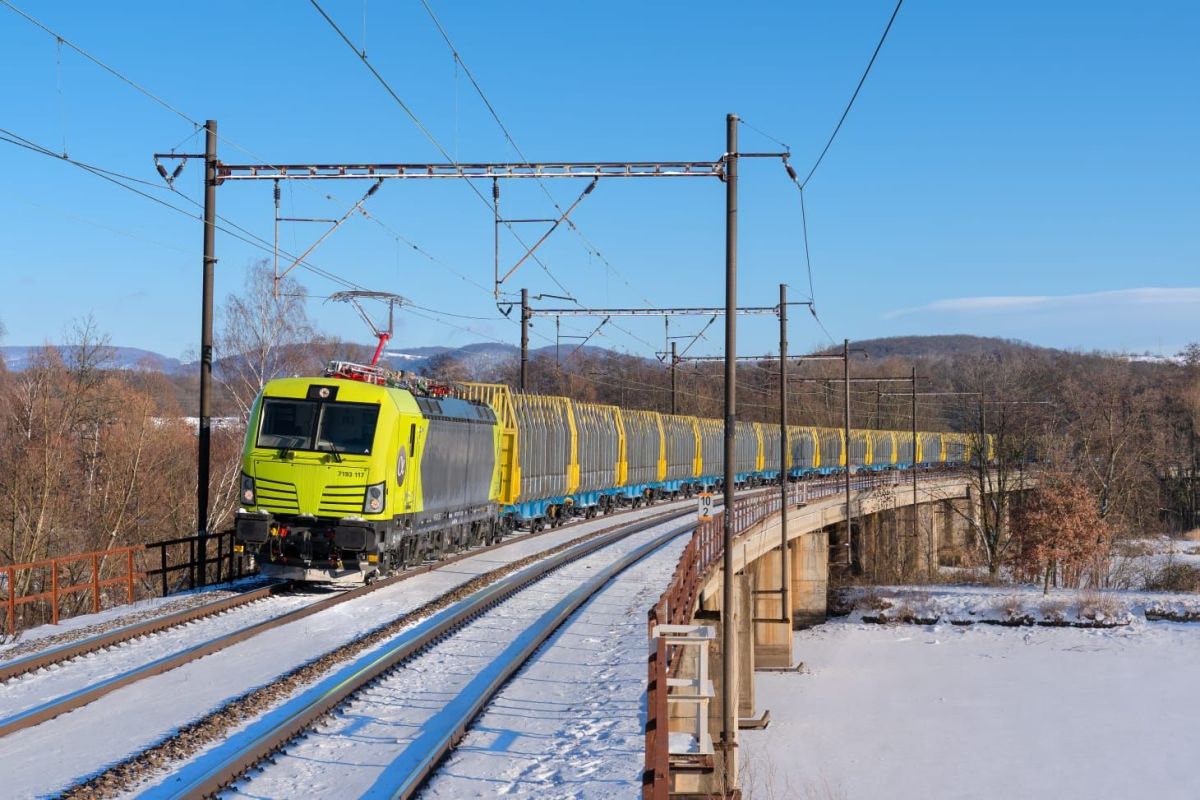

Stadler begins approval testing of EURO 9000 locomotive in Poland
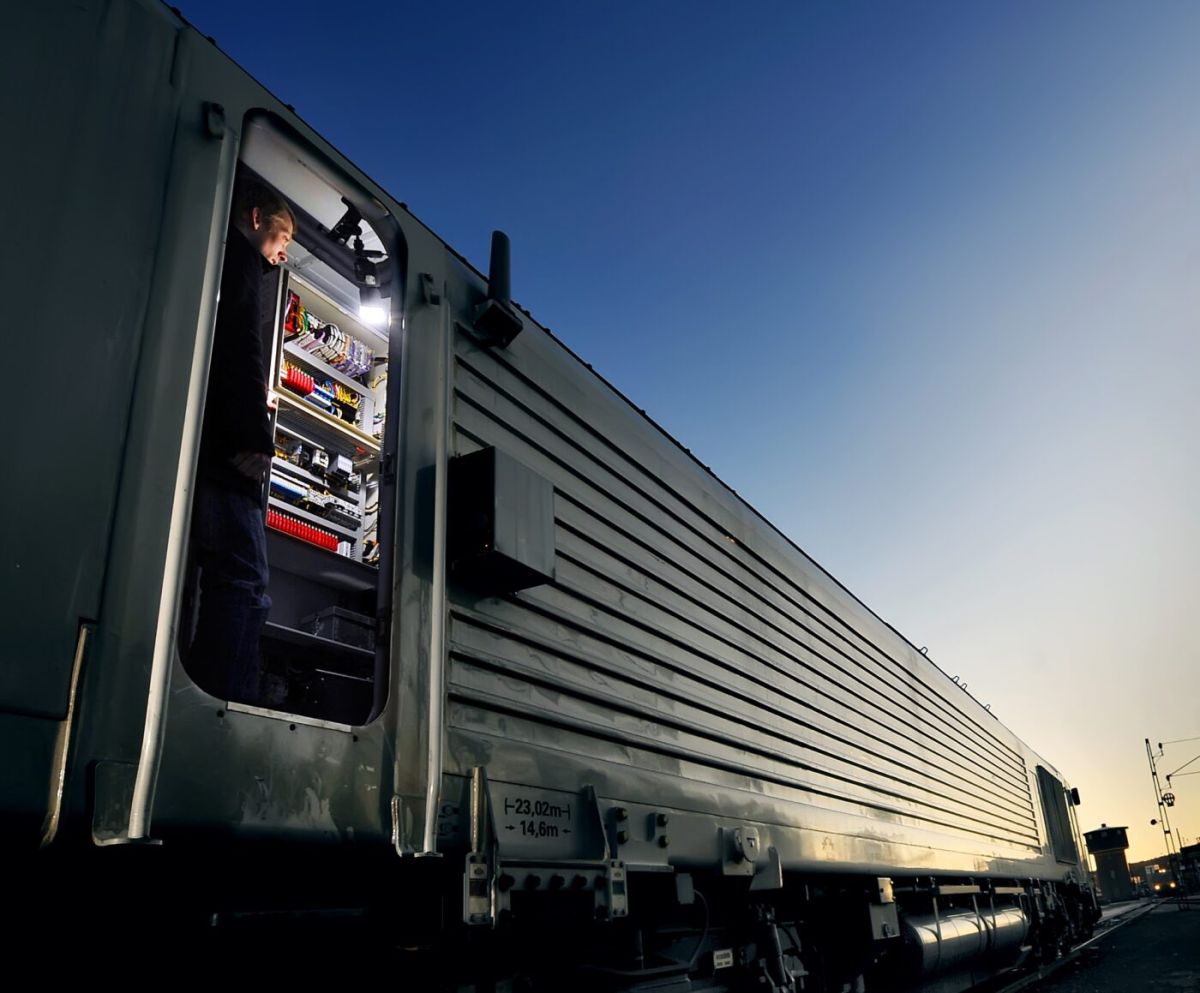
The approval programme is intended to clear the six-axle, multi-system locomotive for operation on the Polish rail network.
The Belgian operator will manage manoeuvring operations within the port area.
The operator employs more than 800 staff and runs a fleet of 76 locomotives and over 2,700 freight wagons.
The two transactions expand Contargo’s intermodal rail network in north-west Europe and extend its reach to the Adriatic ports and Southeast Europe.
The locomotives are scheduled for delivery and entry into service in 2029.
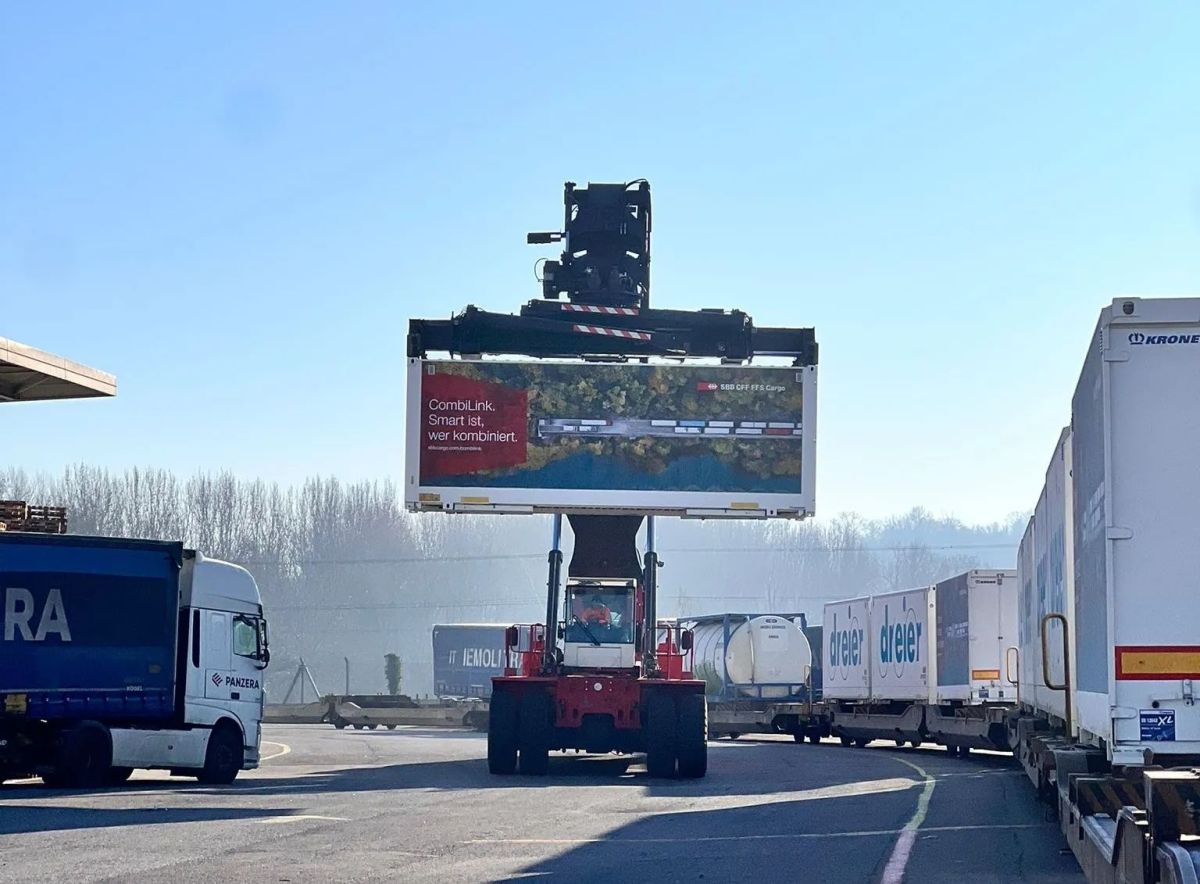
The CombiLink service operates four round trips per day and doubles capacity on the north–south axis across the Alps.
The logistics unit is headquartered in Bremen and covers evb’s rail freight, shunting and intermodal activities.
The new Polish Rail Transport Office (UTK) consultation was carried out between June and July 2025 and, for the first time, included not only rail freight operators and customers but also the national infrastructure manager PKP Polskie Linie Kolejowe (PKP PLK) and organisations representing road haulage.
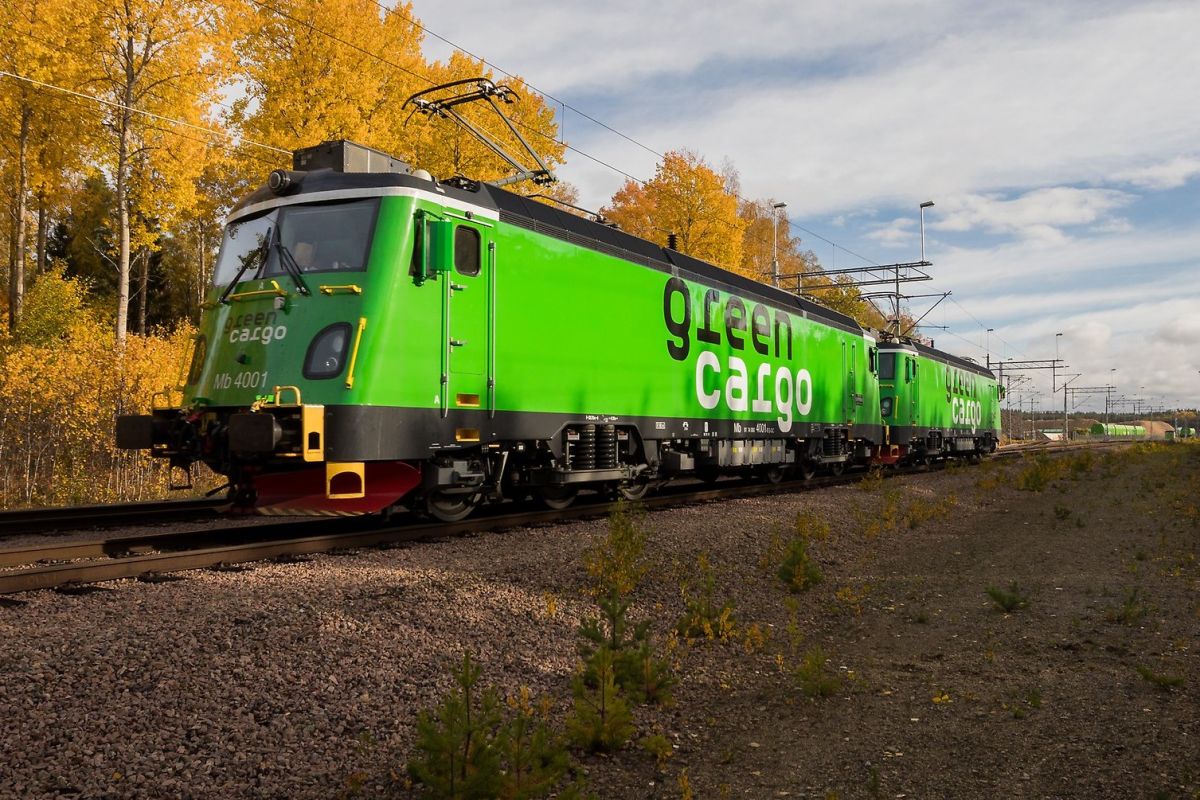
The transaction expands Beacon’s presence in the UK market and adds Eversholt Rail’s passenger and freight leasing activities to the group.
The first services entered operation with the December 2025 timetable change, running on the Dresden (Friedrichstadt) – Děčín – Kúty – Štúrovo corridor.
Rheinmetall is participating in the RemODtrAIn research project, which is developing remote-controlled train operation and AI-based obstacle detection for rail applications.
The operation took place in December and used wagons of JSC Ukrzaliznytsia adapted for operation across different track gauges.
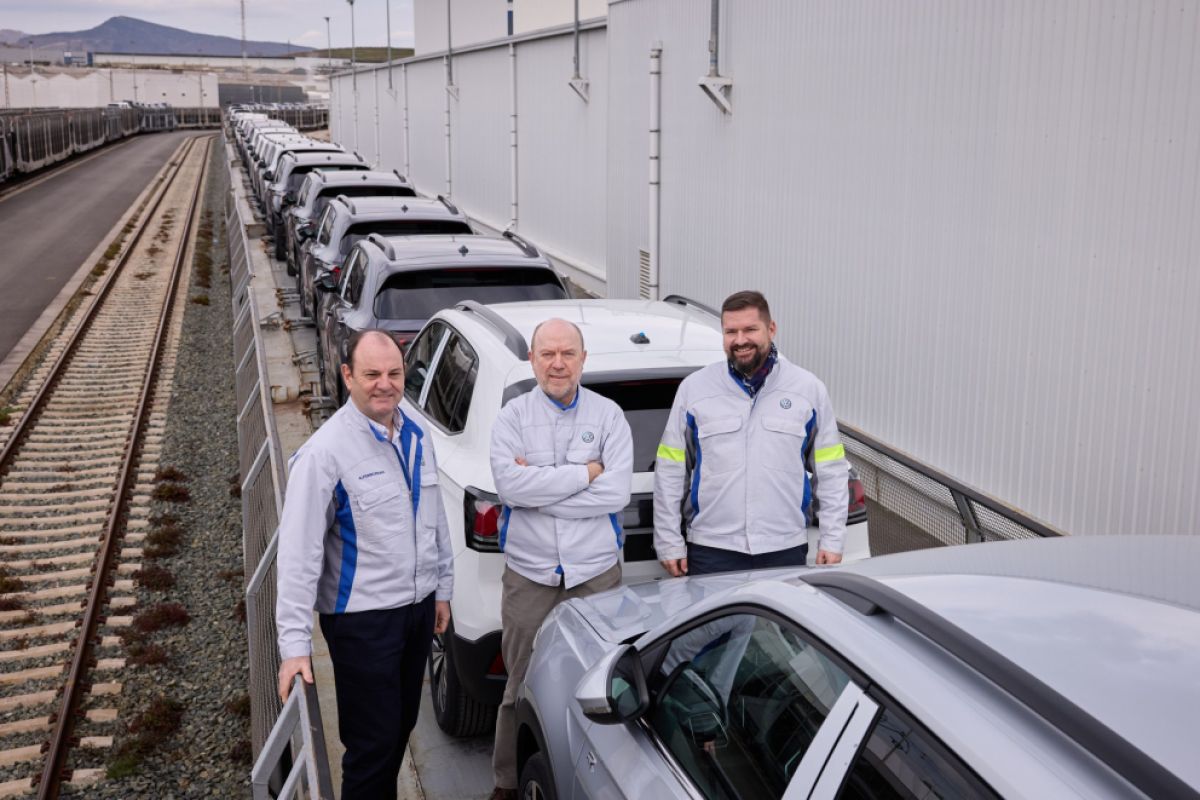
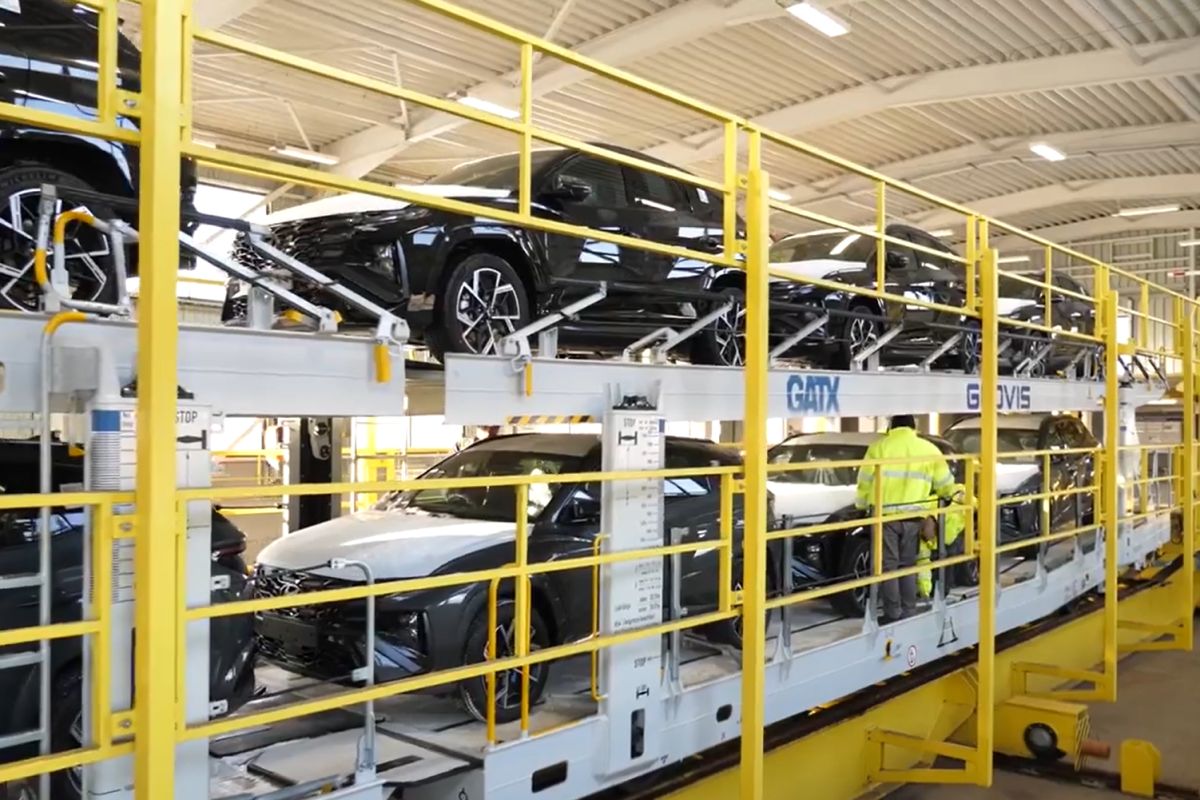
The Landaben plant shipped a total of 225,134 vehicles during the year, with 117,394 cars transported by train and 107,740 by road.
353 trains in total: Wave of new tenders for battery and electric trains from České dráhy, RegioJet, LeoExpress and Arriva
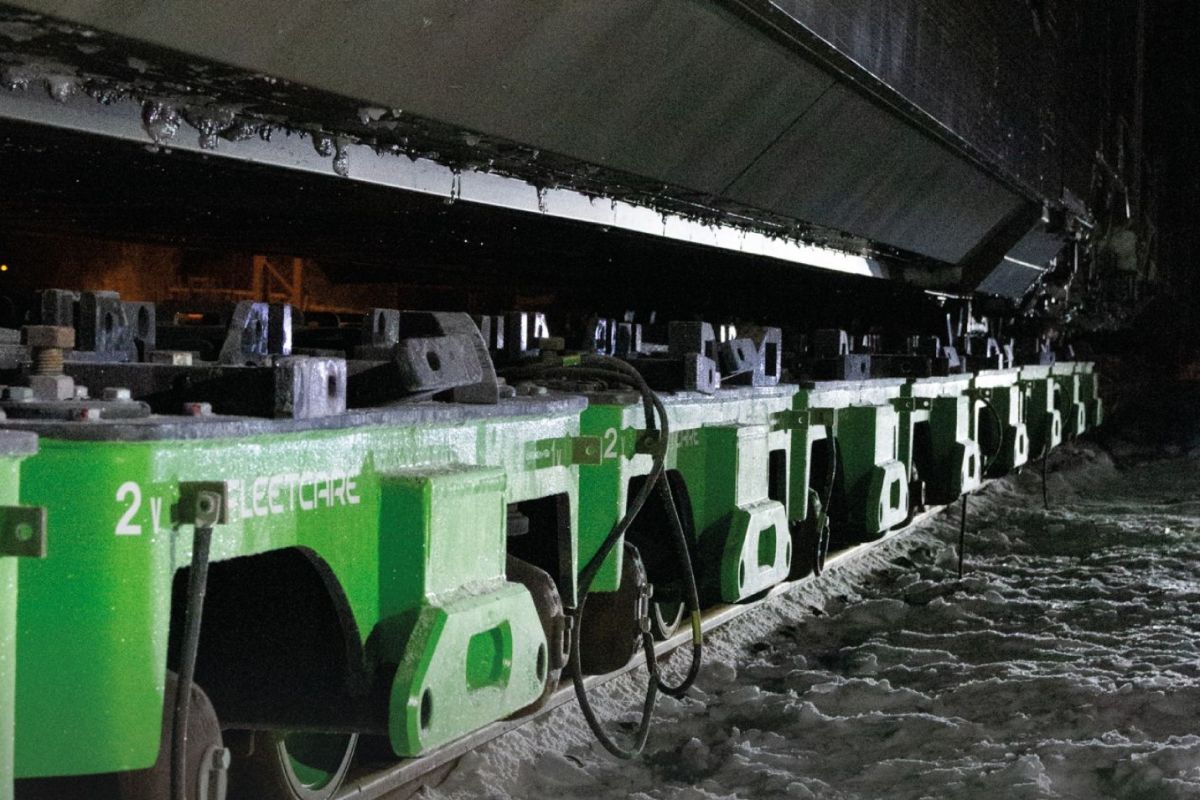
The acquisition allows Railcare to supply, install and support the system directly.
DB Cargo UK stated that the sale forms part of its fleet optimisation programme and that the locomotives are surplus to its forecast operational requirements.
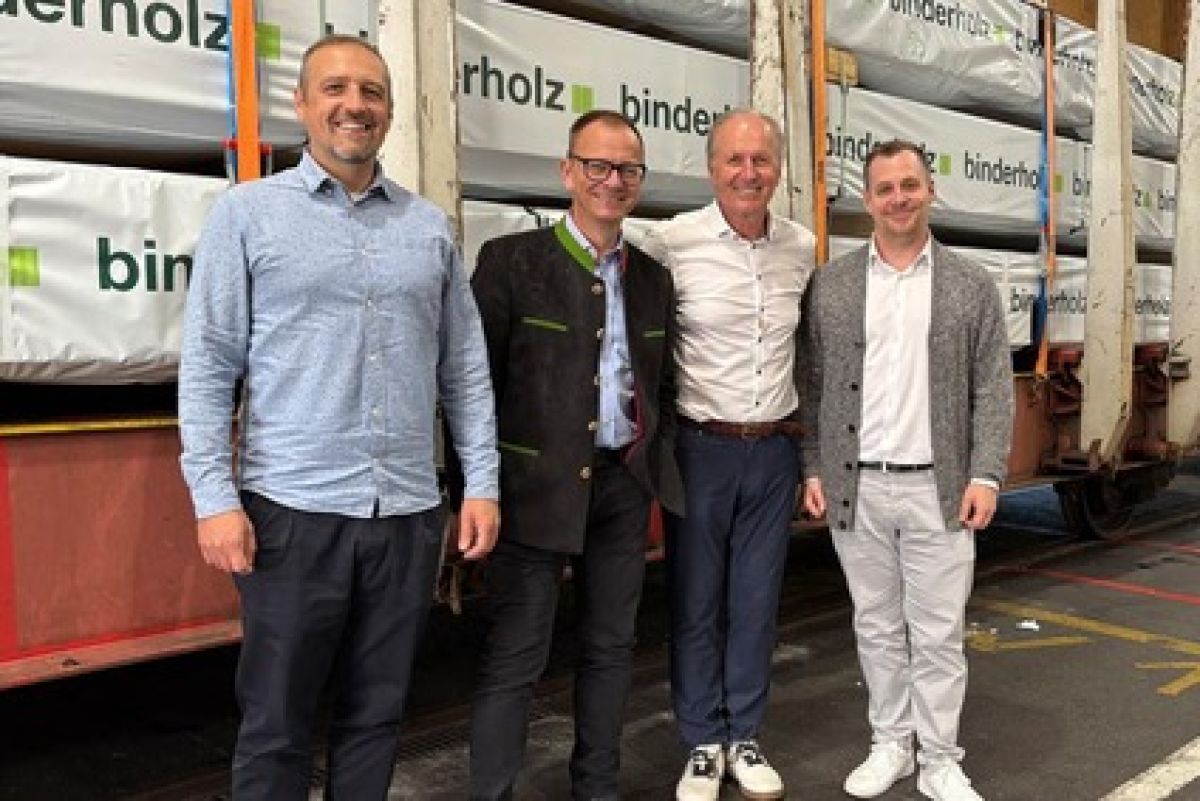
The flows are handled for binderholz subsidiary b-solution and build on a logistics relationship between the two companies spanning more than 40 years.
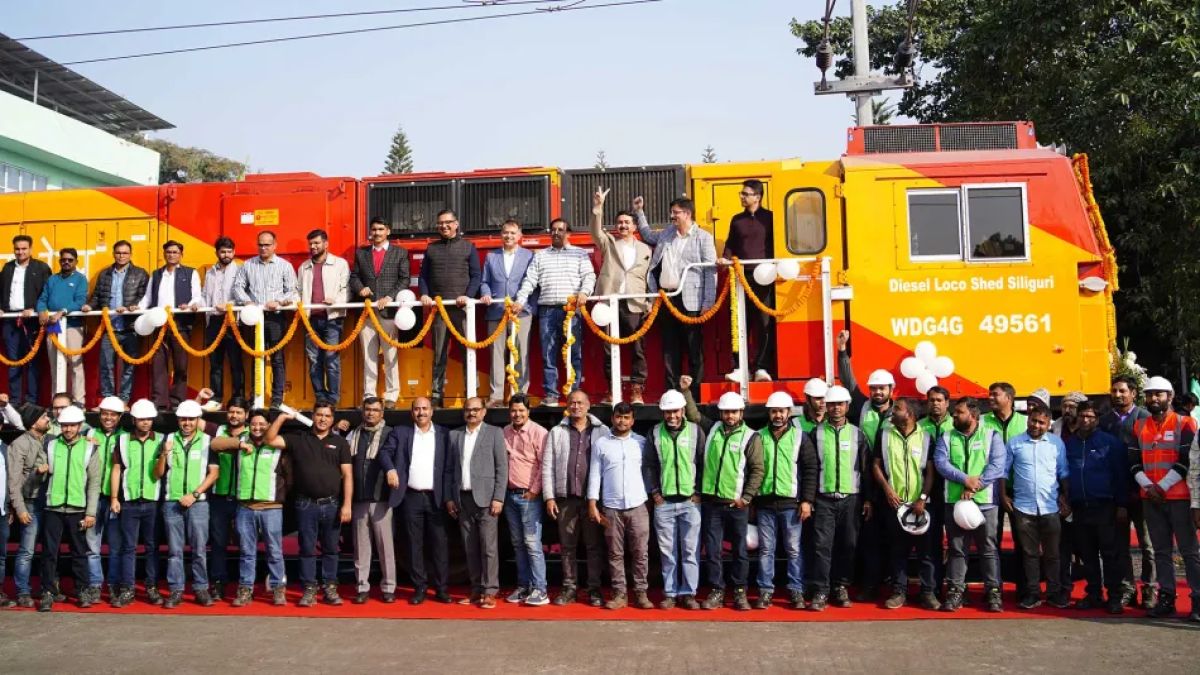
The facility began operations on 15 January and supports locomotives deployed on freight corridors serving India’s north-eastern states.
The tender also includes fleet maintenance services, with bids due by 11 May 2026.
The locomotive acquisition supports Nordic Re-Finance’s expansion into Germany and increases the share of electric traction in its leasing portfolio.
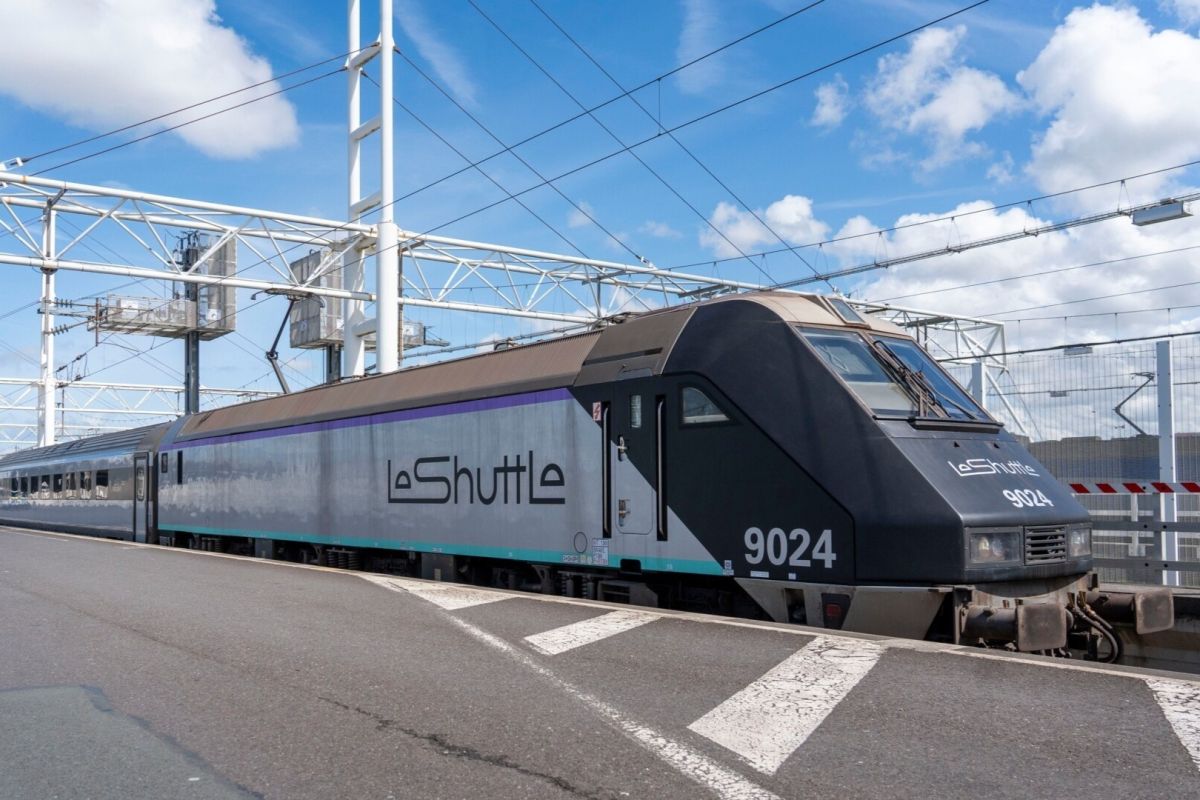
Eurotunnel has launched the first phase of its Channel Tunnel rail signalling modernisation programme, covering the installation of ERTMS on board 57 Brush locomotives used on LeShuttle services between Folkestone and Coquelles.
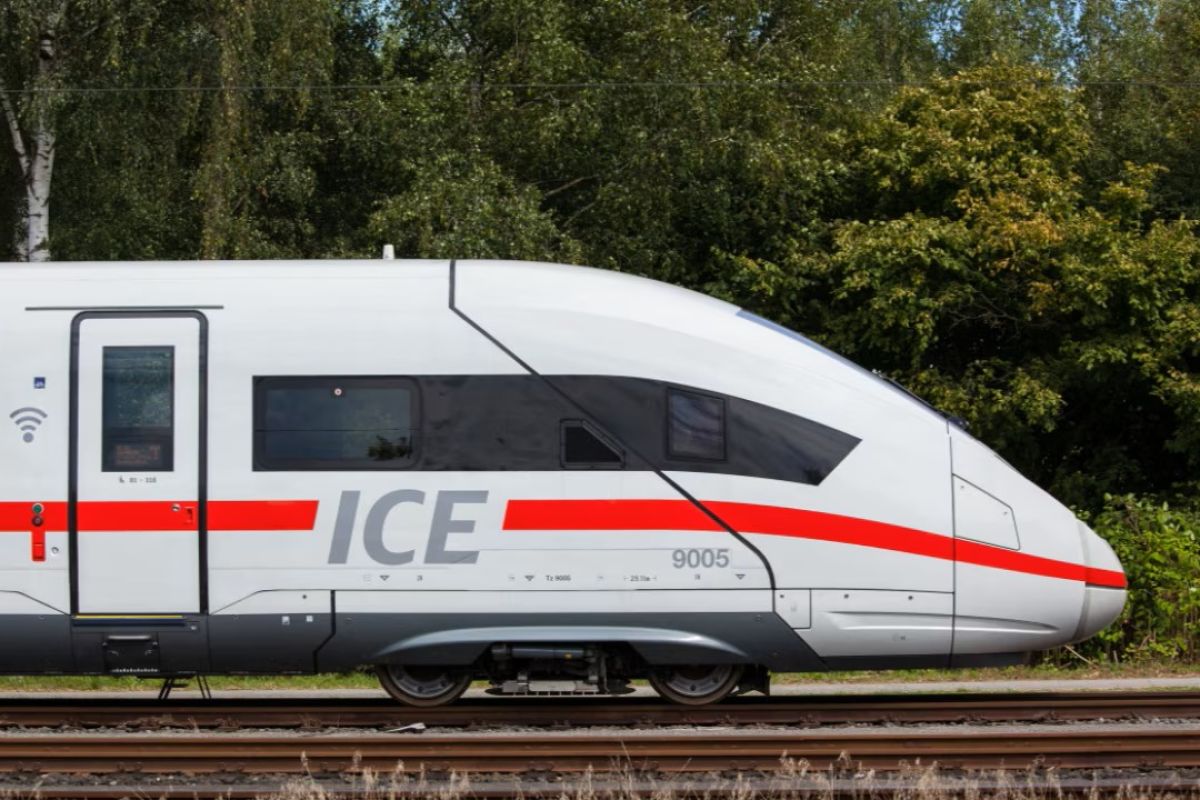
The trains are scheduled for delivery from 2029 and will be configured for cross-border operation in Europe.
The terminal is located in Friuli Venezia Giulia and serves regional industrial traffic as well as connections to national and cross-border logistics flows.
This is the first deployment of wagon assets reserved for Hyundai GLOVIS Europe’s own rail flows.
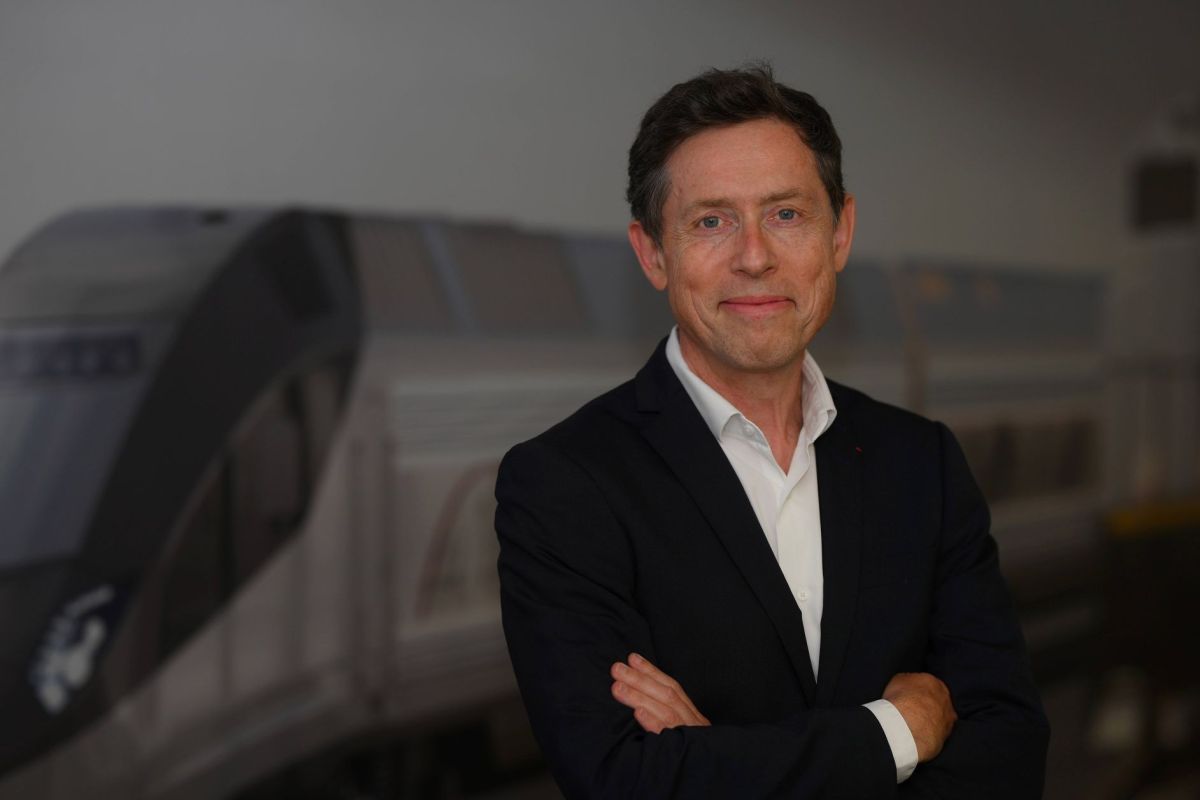
Interview with Dan Kurucz, Country Managing Director of ALSTOM Czech Republic, about tenders, ETCS, high-speed trains, market development, multisystem locomotives, hydrogen and batteries, metro projects and the production site in Česká Lípa.
The company said the service provides direct access to northern France, with onward distribution to the Paris region by truck.
The figure refers to freight trains physically moving from one network to the other at designated junction stations.
China Railway said these changes are intended to improve efficiency and reduce overall logistics costs.
The transaction was finalised on 9 January and covers NTS’s workforce and technical equipment.
The first Zeebrugge–Italy train ran on 15 January, followed by the first Italy–Zeebrugge departure on 18 January.
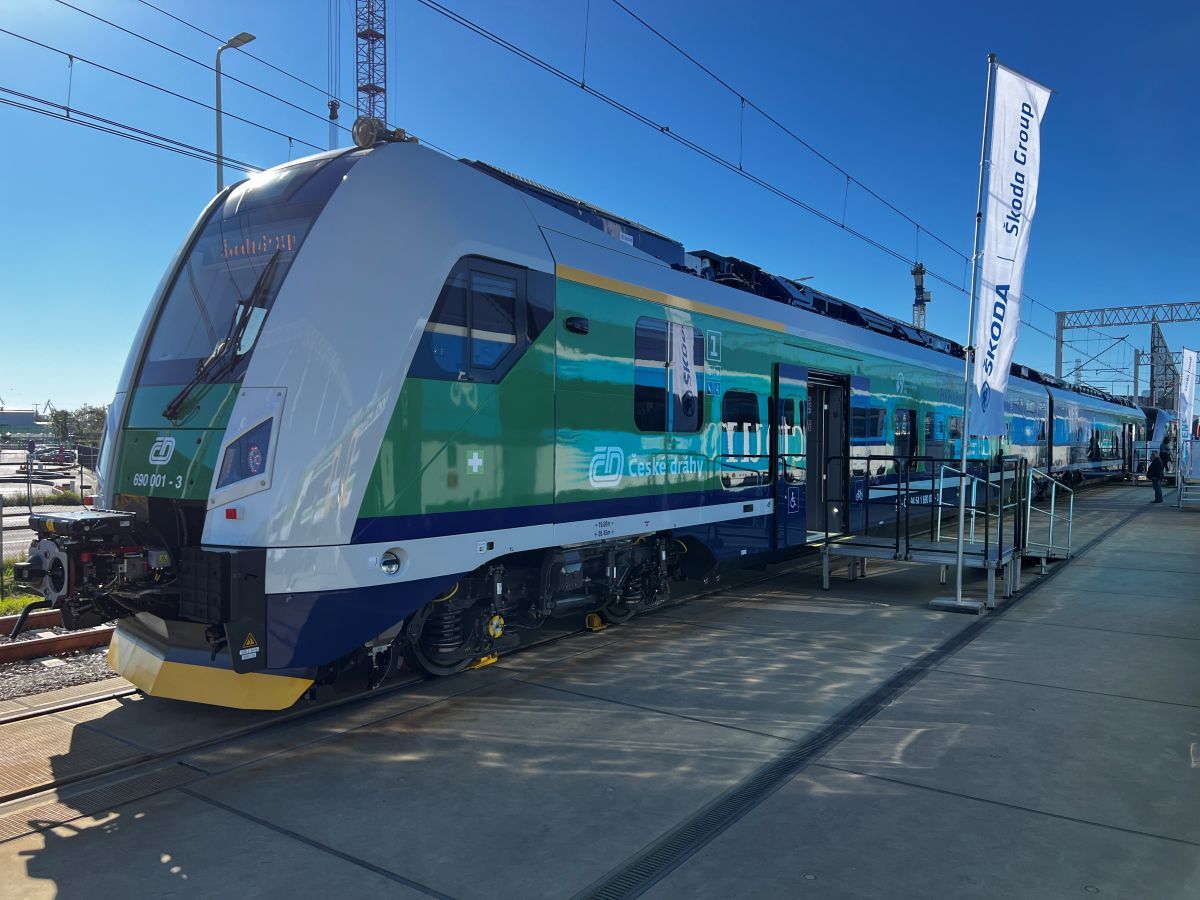
The service replaces existing České dráhy rolling stock, some of which dates back several decades, and follows infrastructure upgrades on the corridor.
The programme builds on the Transpennine Route Upgrade and targets improved connectivity between Liverpool, Manchester, Bradford, Leeds, Sheffield and York.
The new units will complement the 54 Régiolis trains already operating in Nouvelle-Aquitaine.
The contract provides for four round trips per week and covers the transport of Mega trailers moved by rail on the core Türkiye–Slovakia axis, with onward connections to neighbouring countries.
The train is designed to replicate the diversity of single wagonload traffic and to generate operational data relevant to a future European DAC rollout.
The agreement, announced on 15 January, is valued at around EUR 500m and includes vehicle delivery and full-service maintenance through to the end of 2055.
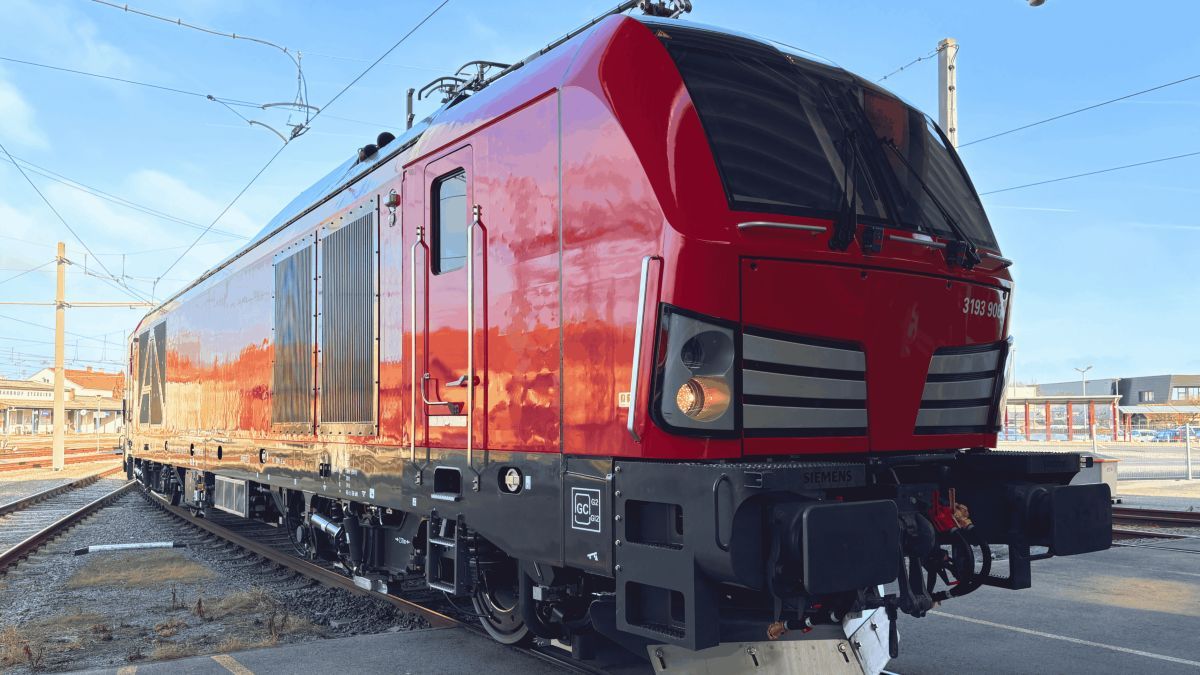
Stern & Hafferl Verkehr starts deployment of new Vectron Dual Modes in Austria
The reductions are attributed to operational reasons.
The Swedish state-owned rail freight operator said the changes are intended to support long-term competitiveness.
NIAG Logistics resumes rail supply to Steag Iqony power plants
Former CEO, Michael Reininger, shifts to Brightline West.
The EUR 62 m agreement covers maintenance services at Indian Railways’ Sabarmati locomotive depot through February 2031.
The solution was used for the first time when SJ’s first X40 double-deck electric multiple unit arrived in Oulu from Sweden via Haaparanta and Tornio.
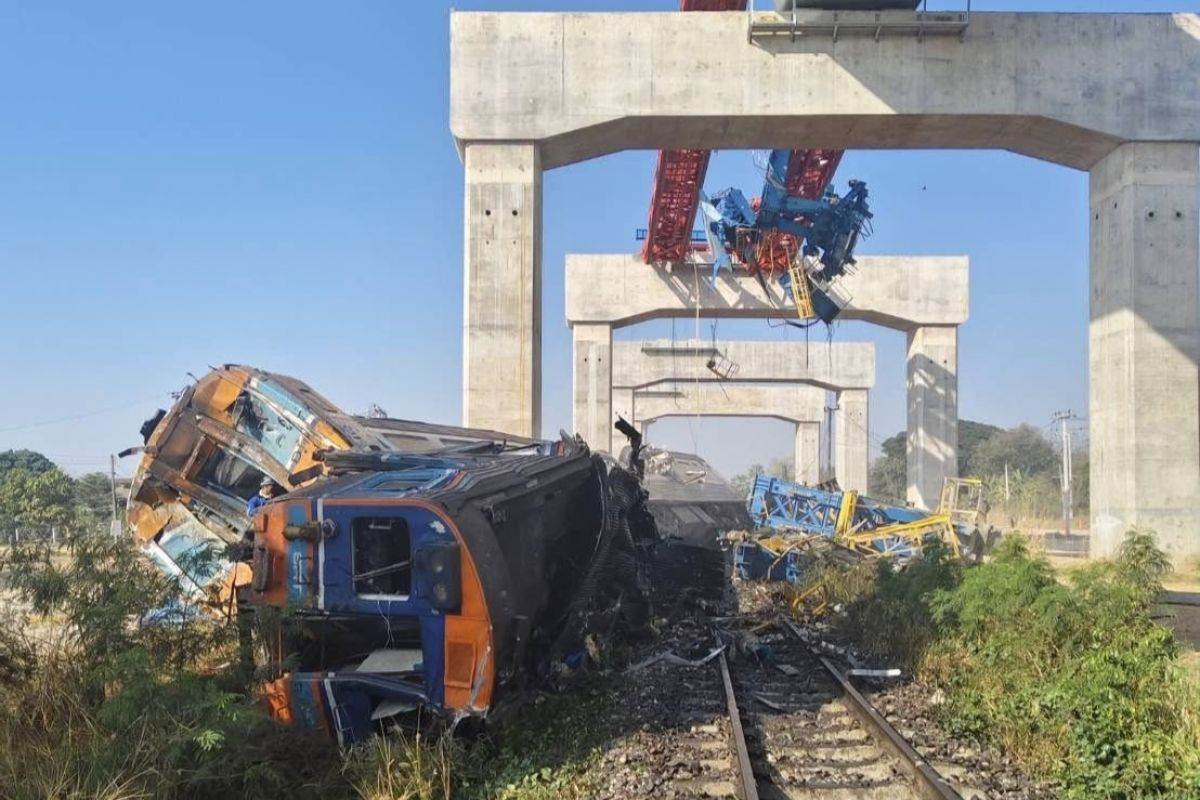
The collision occurred on January 14, 2026, at around 09:45 near Ban Thanon Kot village in Si Khiew district, causing the train to derail.
The fleet consists of 80-foot and 90-foot wagons for Iberian gauge container transport, alongside T4000 wagons designed for semi-trailer traffic on planned rail motorway services.
The forecast indicates that rail freight across the Öresund Bridge could rise by more than 40% compared with 2019 levels, driven by shorter travel times and higher capacity on the Denmark–Germany corridor.
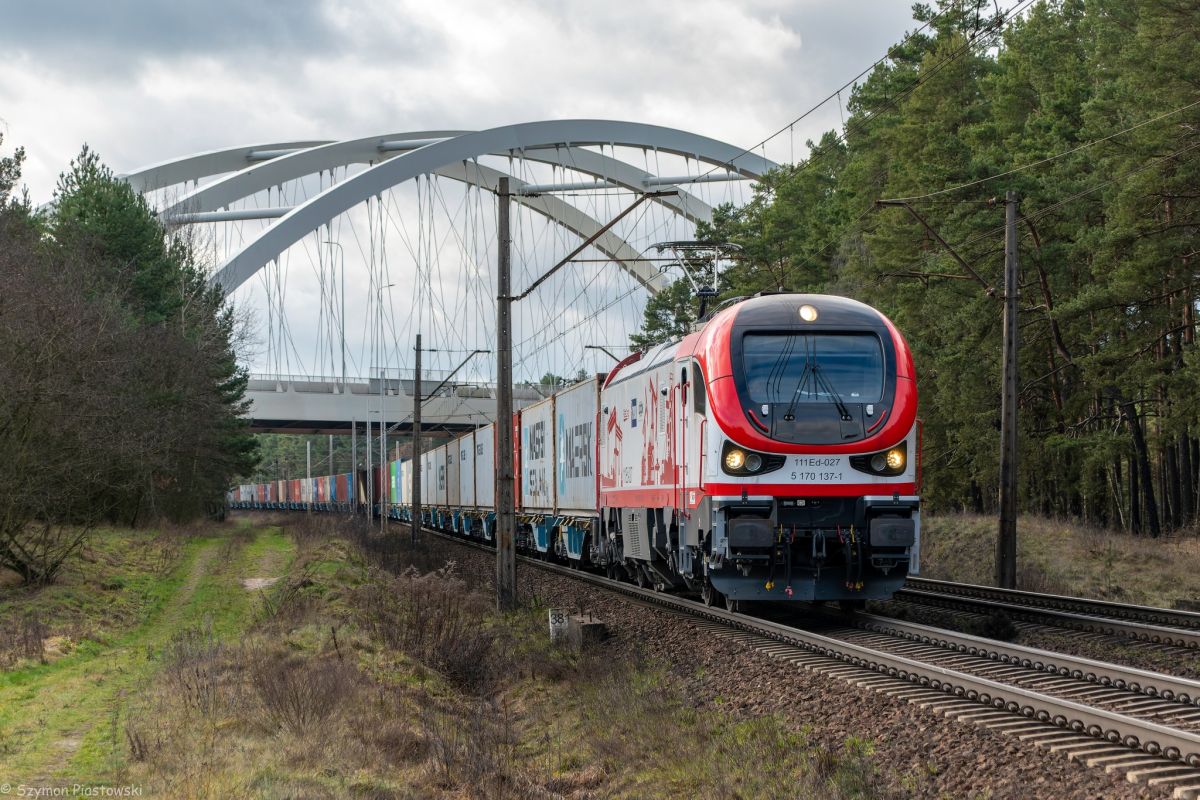
The first multi-system locomotive has been already handed over for freight operations across Central and Western Europe.
Riedl was a founding managing director of Lokomotion and has led the company since its establishment.
The non-discriminatory sale covers eight BB60000, five BB75000 and 11 BB36300 locomotives, with eligibility open to operators and industrial companies across the EU and EEA, excluding the SNCF Group and its subsidiaries.
The network will connect 11 cities and regions across the Emirates via a series of purpose-built stations, forming the country’s first integrated national passenger rail system.