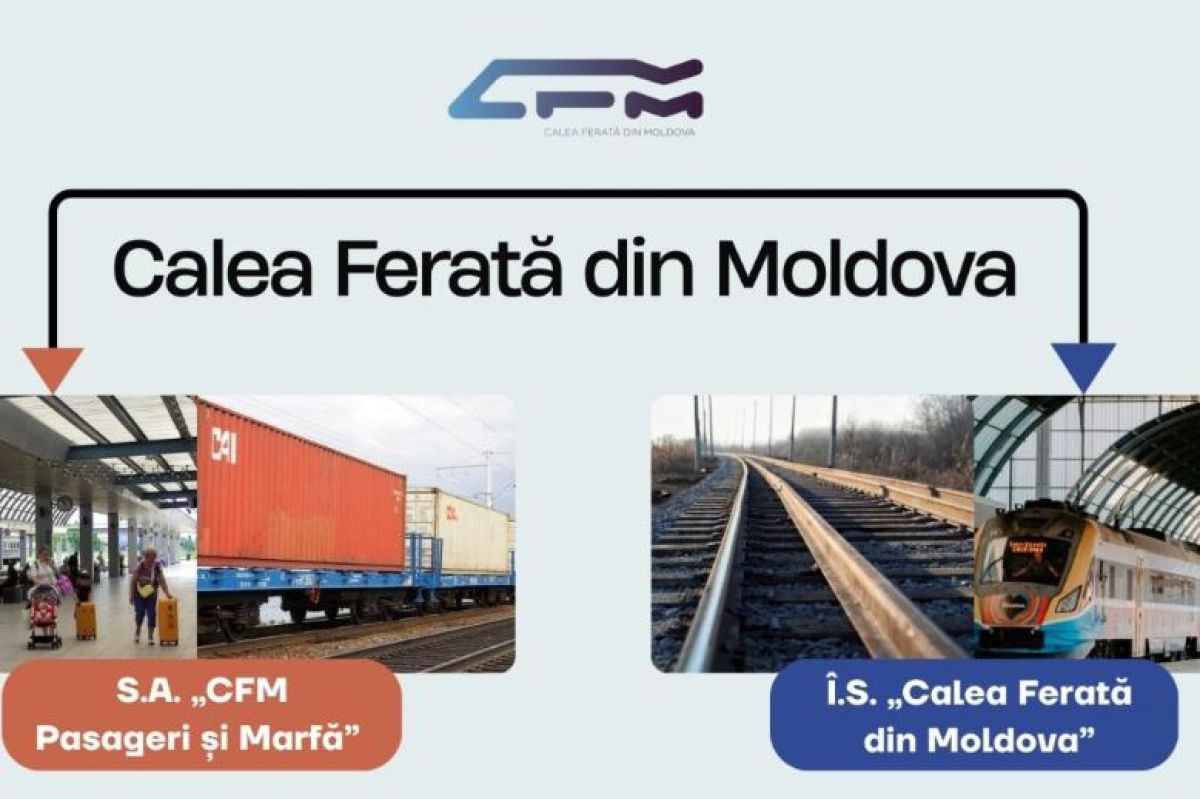

Moldova separates rail infrastructure from state-owned rail transport company
The authorities emphasise that the measure does not involve privatisation, as both the infrastructure manager and the transport operator remain fully state-owned.
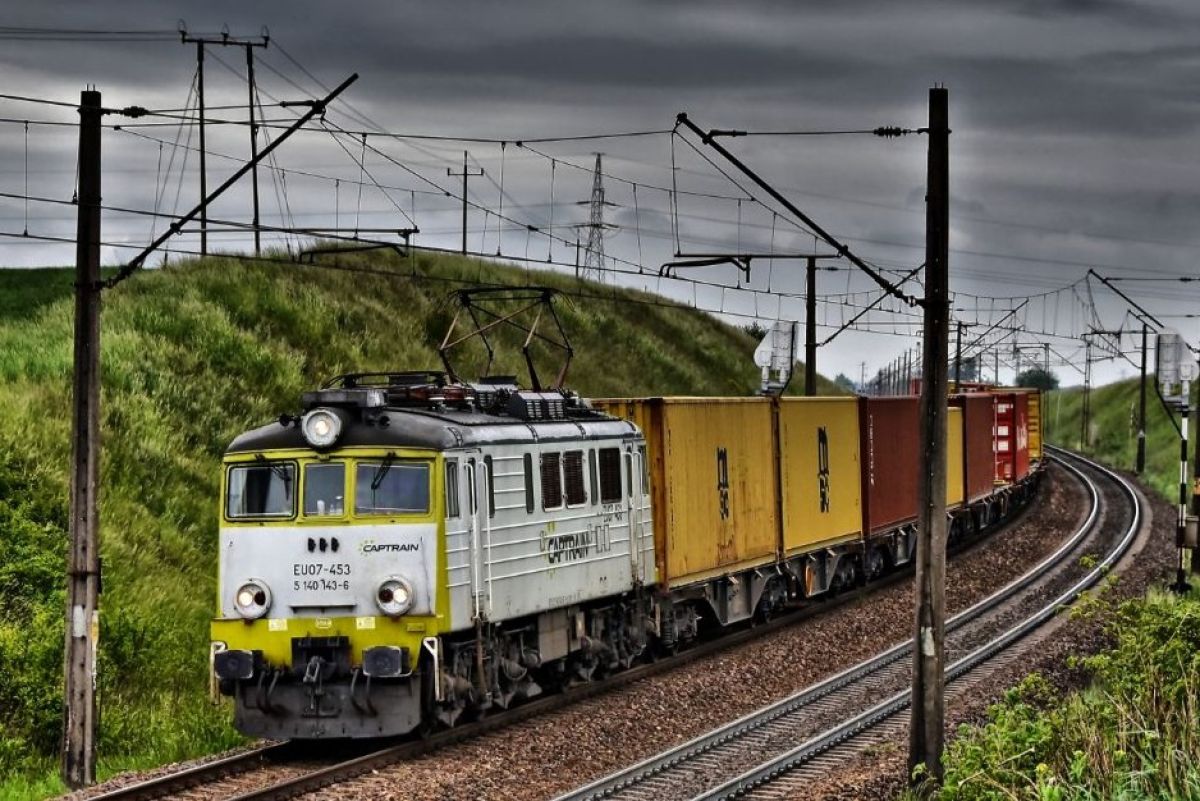
The operation covers north–south container flows within Poland and connects inland terminals with the port of Gdańsk.
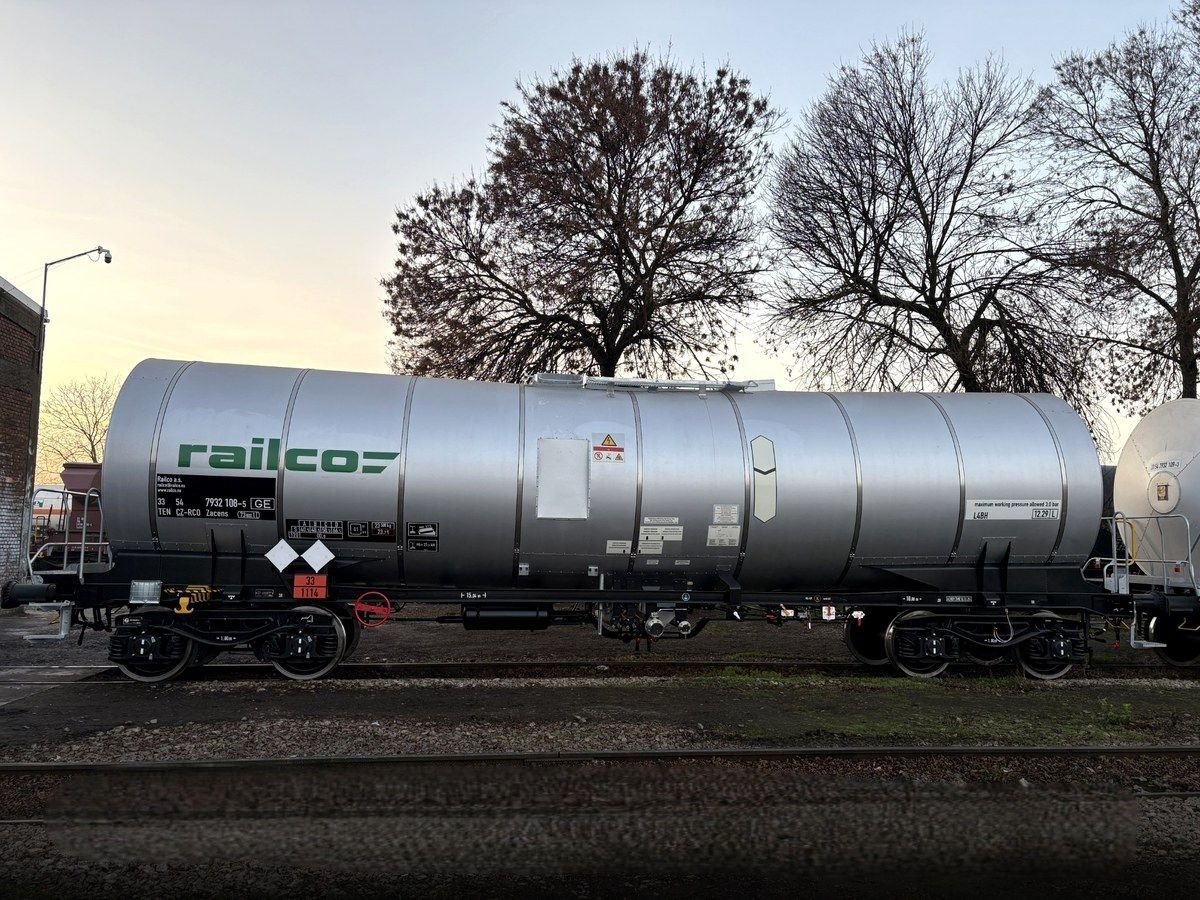
The wagons are designed for the transport of benzene and are equipped with insulation and heating systems.
The agreement was signed in the fourth quarter of 2025 and covers a multi-year programme with deliveries starting in 2027.
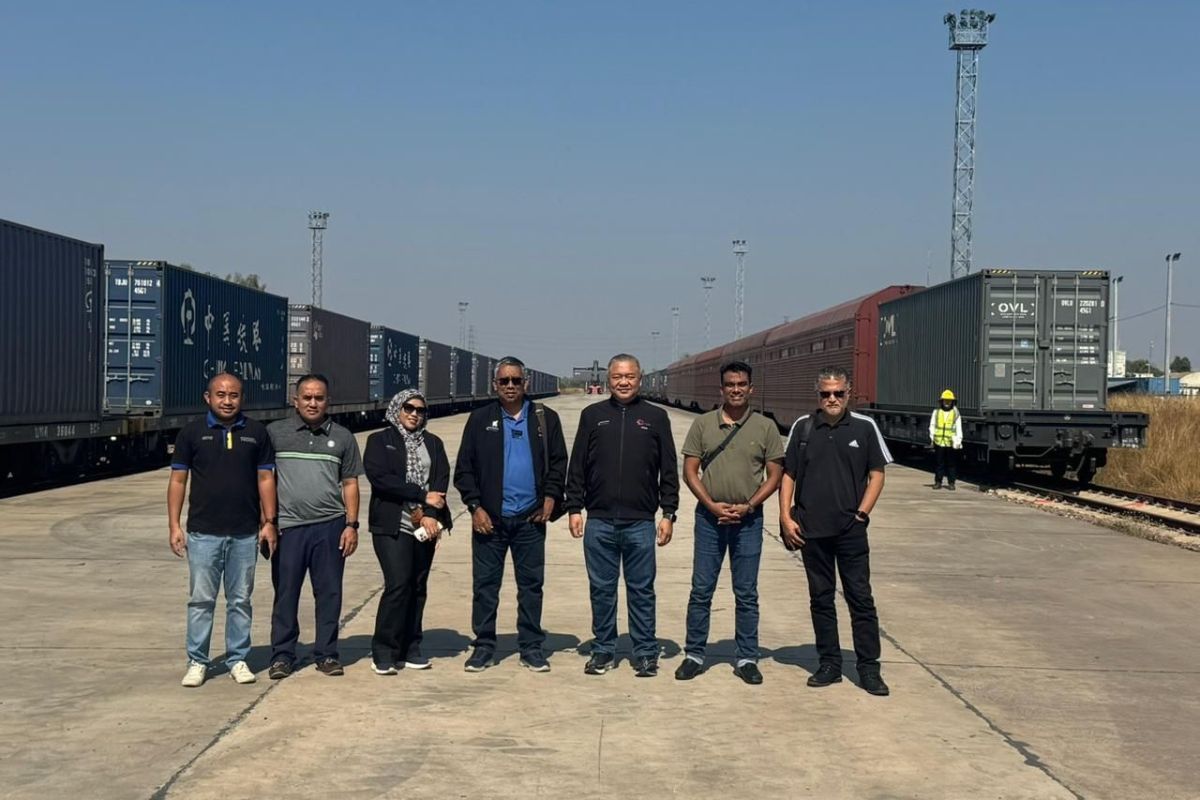
The working visit was intended to improve coordination with regional and Chinese partners on international freight movements, as ASEAN–China rail freight volumes depend on multiple national networks and interfaces rather than a single operator.
The devices were installed at locations without fixed switch heaters to prevent points and associated components from freezing during the storm.
The contract covers bogie overhauls and main circuit breaker maintenance for the double-deck EMUs used in regional passenger services in Sweden.
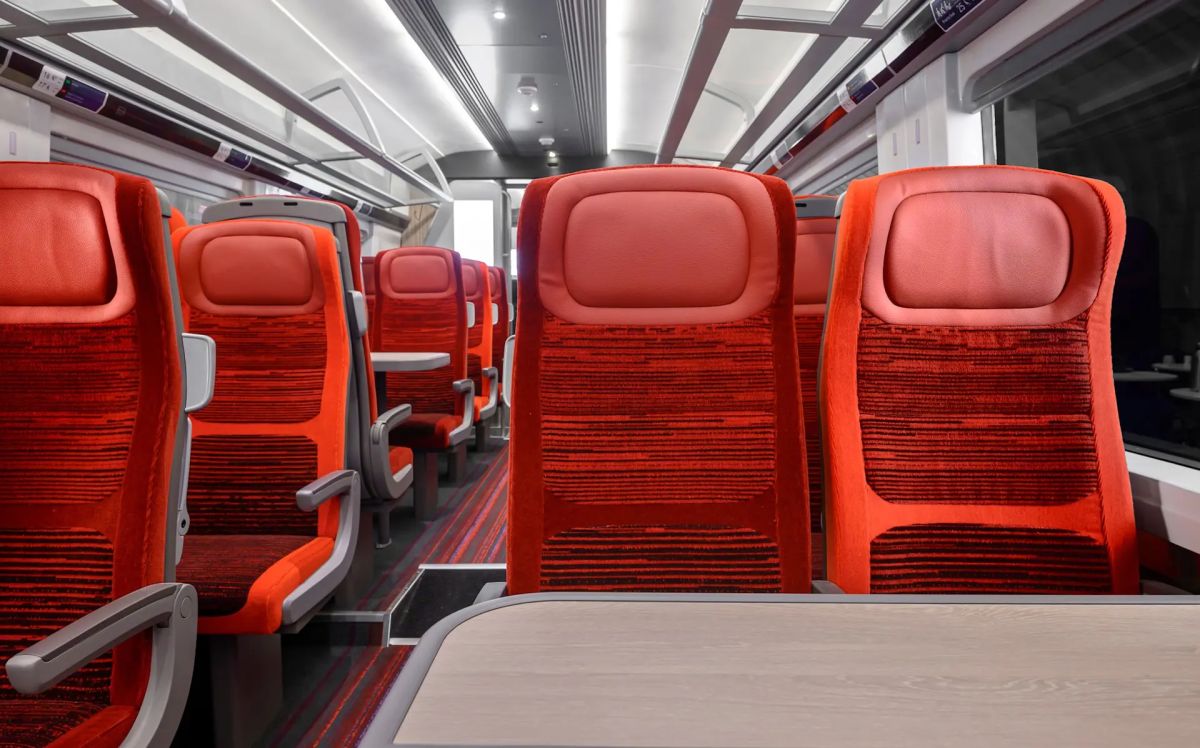
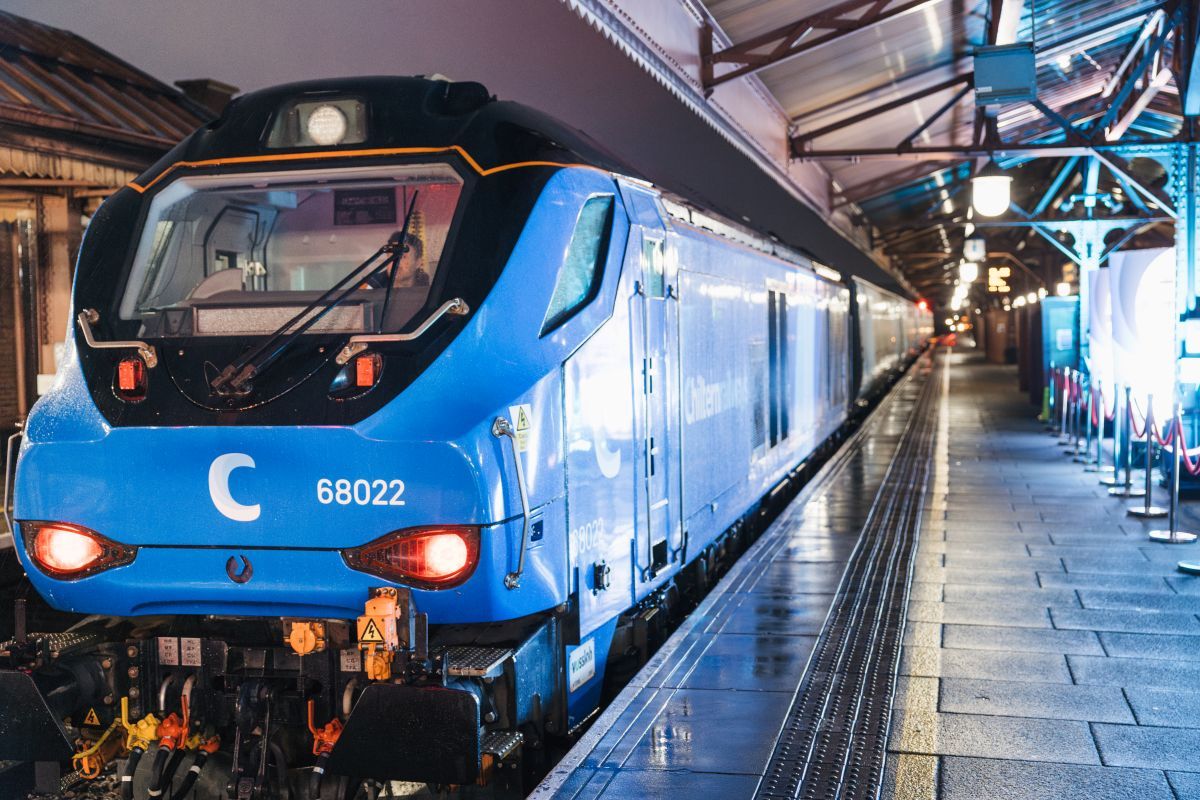
The fleet comprises 10 ten-car tri-mode trainsets intended for operation on the East Coast Main Line, with introduction planned in the coming years.
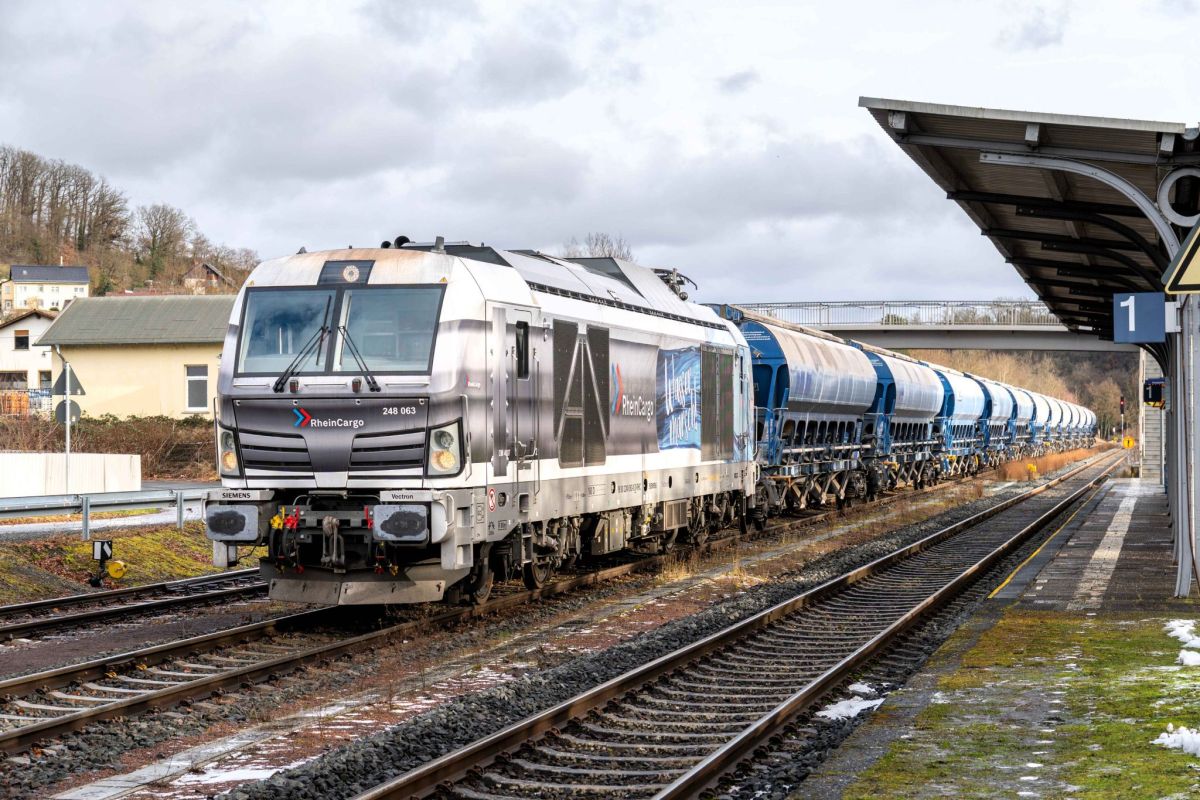
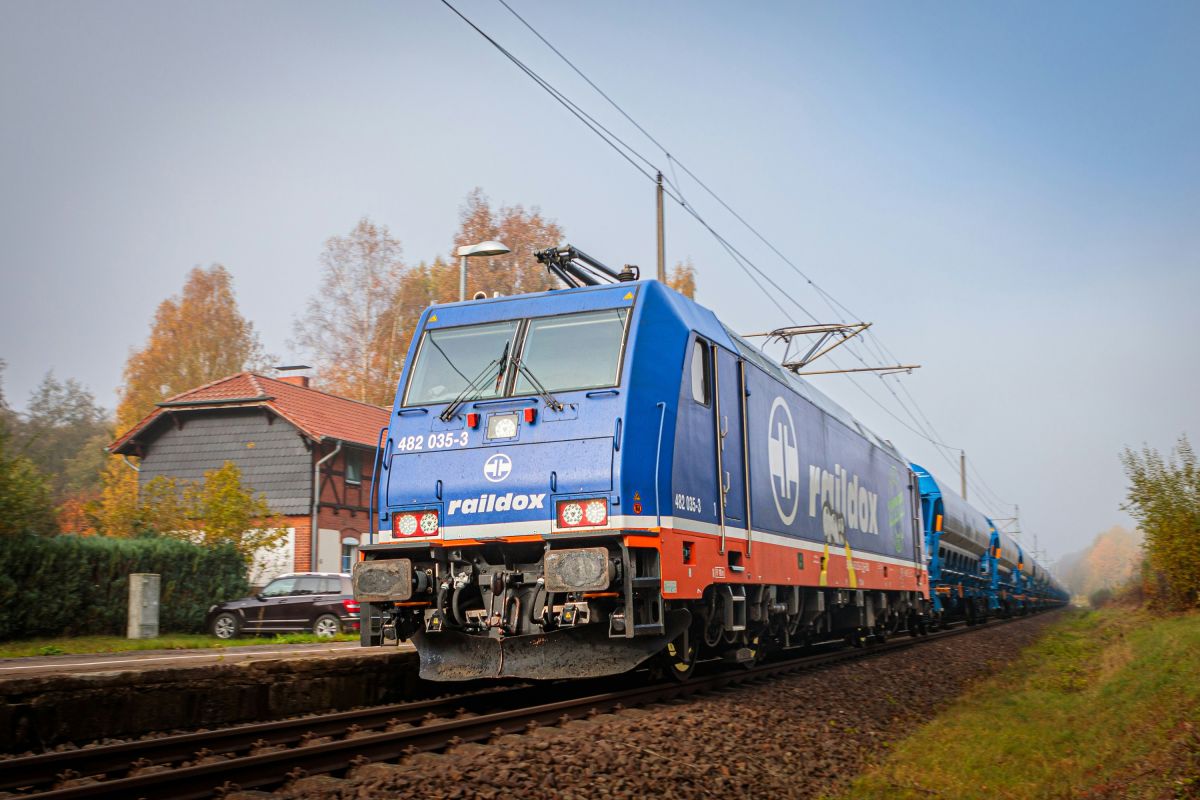
The flows add to RheinCargo’s bulk materials portfolio serving steel and heavy industry customers in the Rhine-Ruhr region.
The Czech private railway operator focuses primarily on timber transport within the Czech Republic.
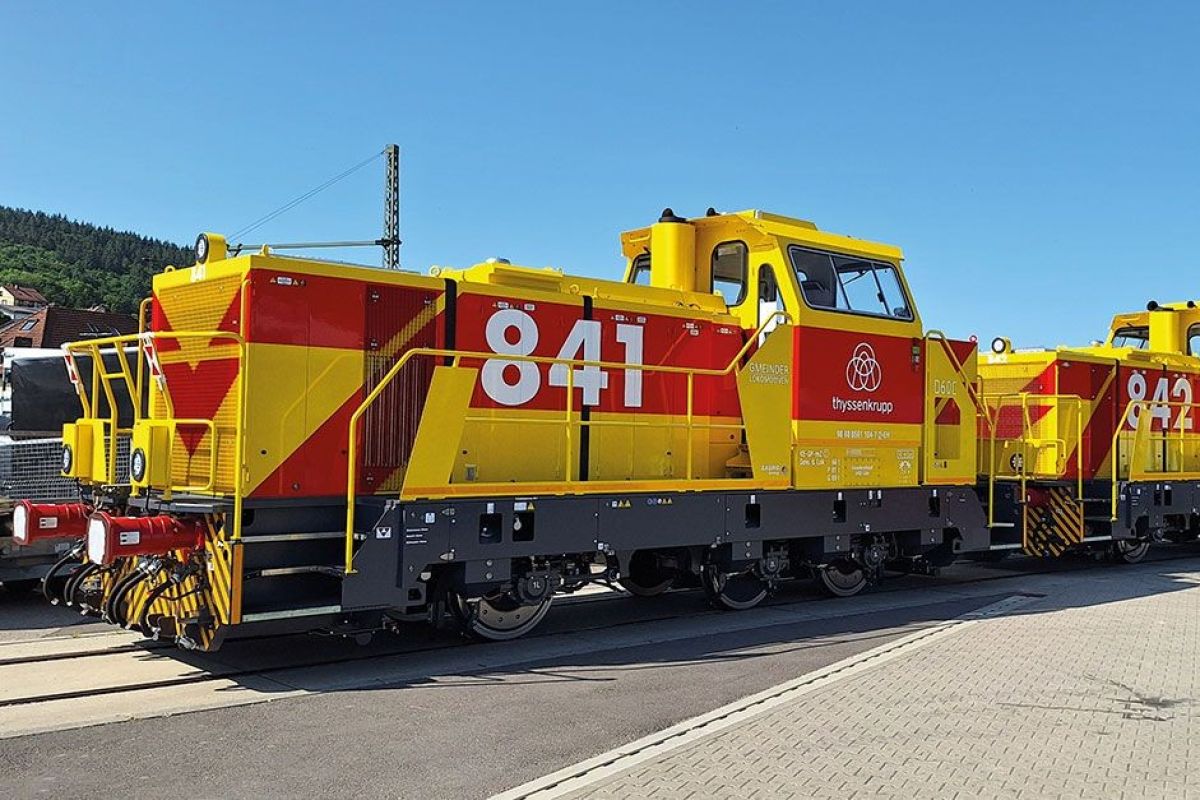
The locomotives are approved under Germany’s EBO regulations for internal works traffic and are intended for heavy industrial shunting operations on plant rail networks.
The contract confirms the tendency to lease more and more locomotives to passenger rail operators.
The approval also covers Germany, Austria, Belgium, Luxembourg and Poland, enabling multi-country operation across six European markets.
The service connects Black Sea ports in Georgia with ports and terminals in Azerbaijan and serves as a fixed-schedule rail link for container traffic along the Middle Corridor.
Since mid-January, the operator has been running four to five round trips per week on the corridor.
Growth was concentrated in rail-served traffic segments, particularly containers and RORO.
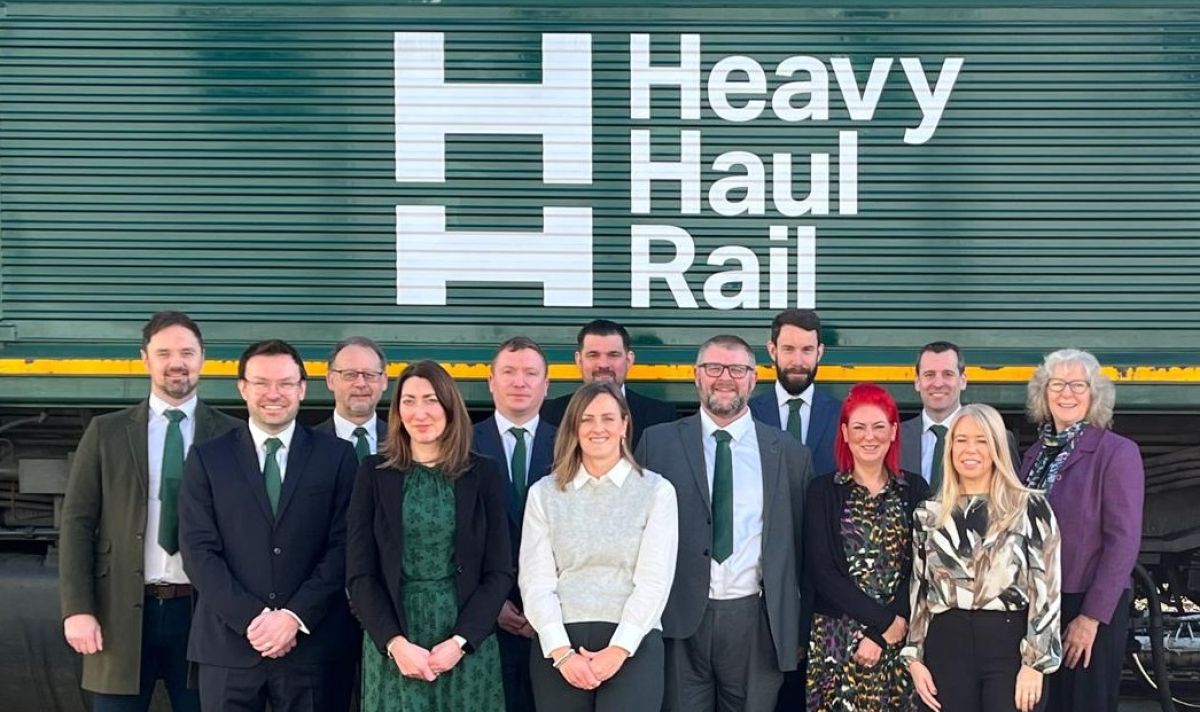
After the Freightliner brand and intermodal business in the UK was acquired by CMA CGM, a new entity was created for bulk by rail in the UK..
The corridor now offers two departures per day, reflecting higher demand on the Germany–Italy axis.
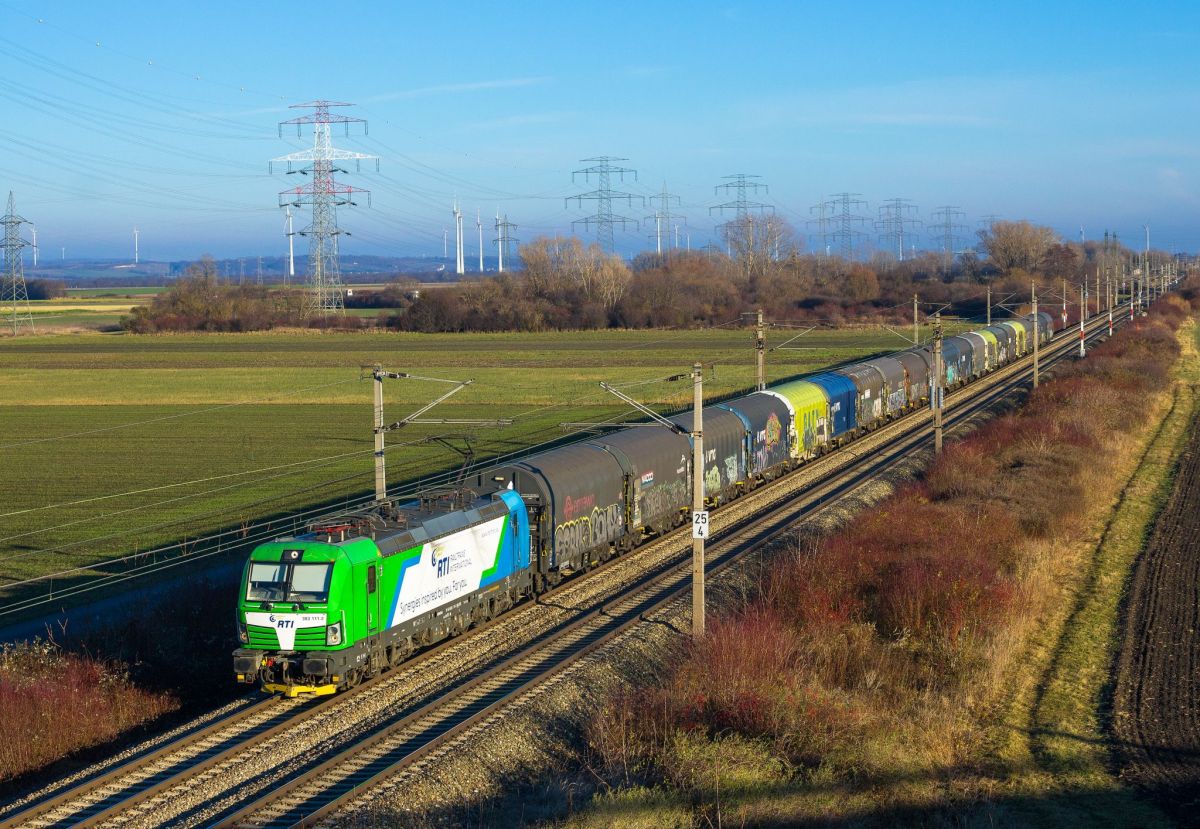
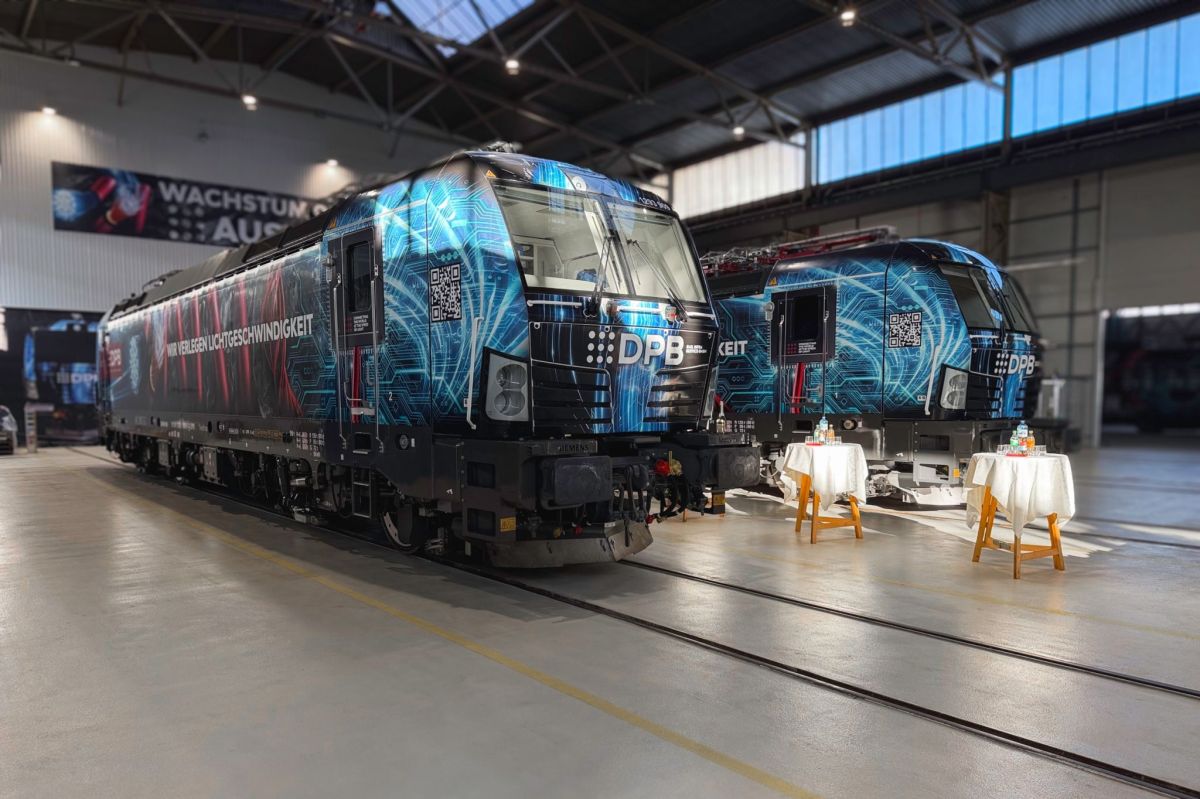
The locomotives are A17 and A10 variants and were formally received on 23 January at DPB Rail Technical Service GmbH’s site in Krieglach, Austria.
The contract will start in July 2026 and may run for up to 15 years.
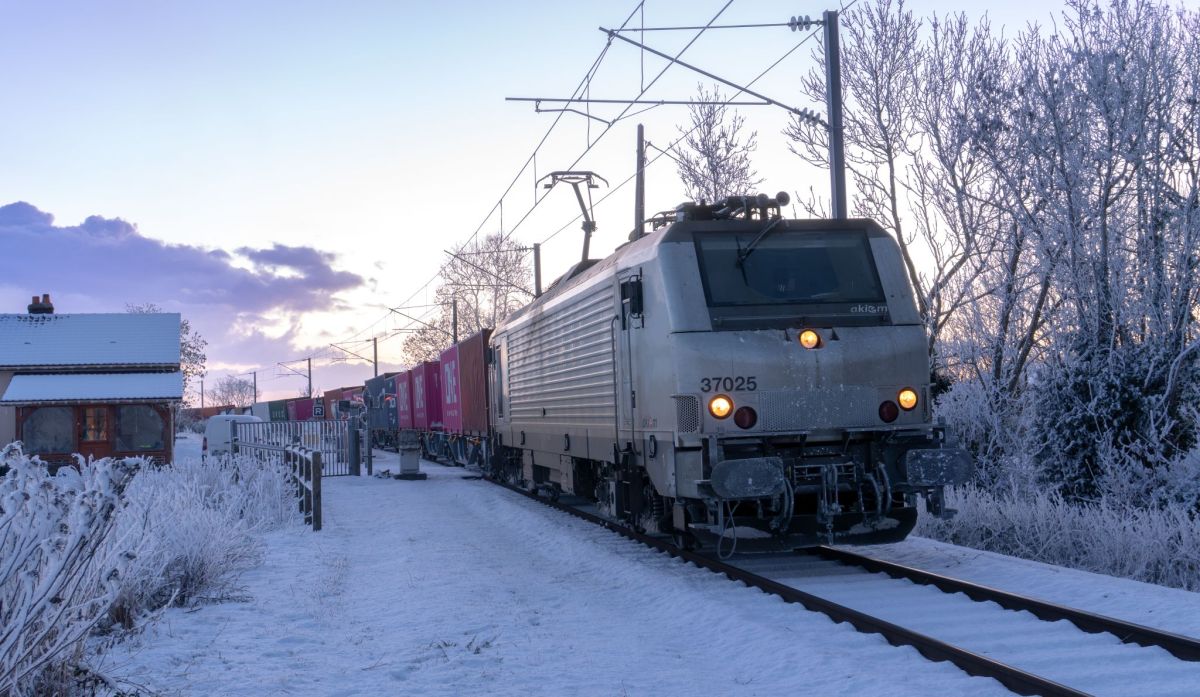
Akiem is strengthening its position in France through new maintenance and leasing agreements.
Further trains will enter service in stages during 2026.
The operator reported record levels for employee safety, freight car velocity, locomotive productivity and terminal dwell.
The finding updates the Court’s 2020 audit and shows a further deterioration in cost control and implementation schedules.
The company also confirmed a sharp increase in planned repair volumes for 2026 and preparations for upcoming regulatory changes.
German rail freight operators have warned that the scale and coordination of construction activity managed by DB InfraGO are increasing costs and pushing freight traffic back onto the road network.
The organization calls for EUR 18bn EU funding to extend rail research programme
The figure represents an increase of 0.9 percentage points compared with 2024, despite extensive infrastructure works and a high volume of special services.
The deliveries support works to replace the protective liner over the southern section of the site’s legacy waste disposal trenches.
The financing supports NS’s investment programme for new electric passenger rolling stock to be deployed in the Netherlands and Belgium.
The agreement references potential collaboration linked to PKP Intercity’s planned 320 km/h high-speed rail programme.
The programme covers wheel and brake condition monitoring across the GBXLE fleet in Europe, with installation starting from February 2026.
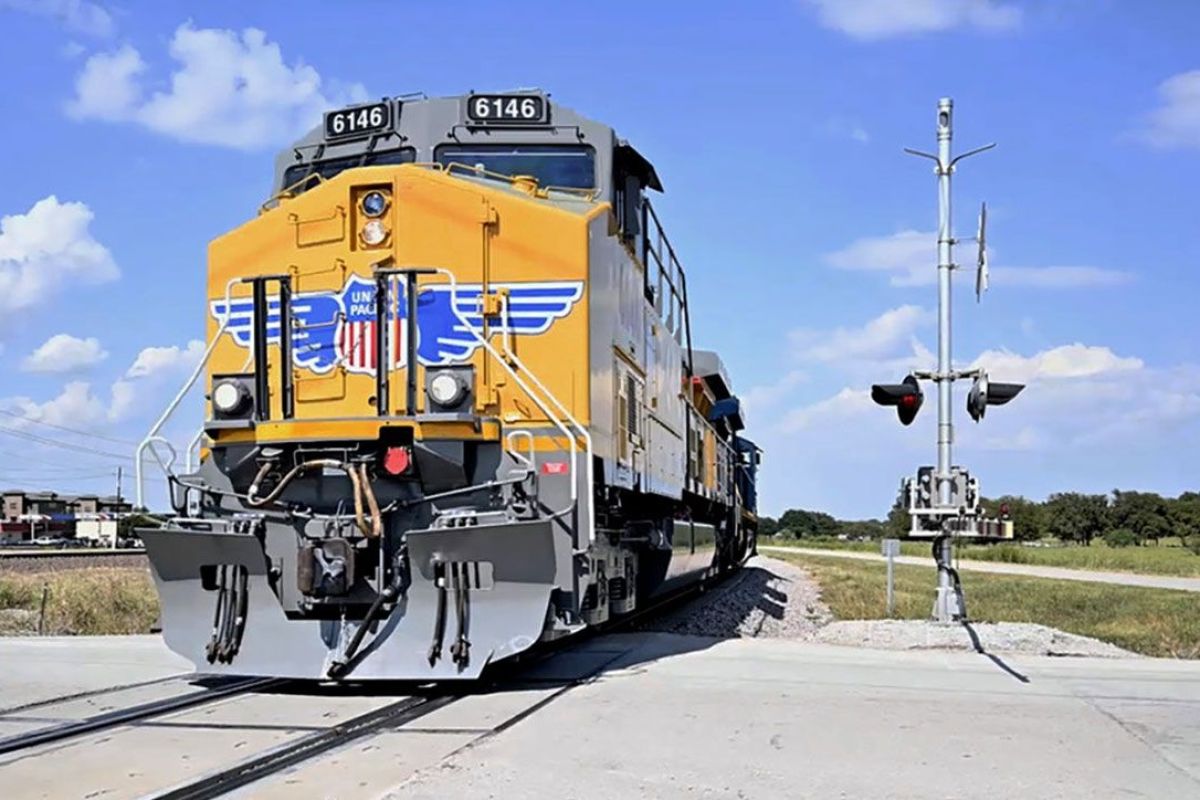
The order of 40 new ES44AC locomotives comes along with the news of opening route between Chicago and New England for double-stack container trains.
The incident caused no injuries and involved no hazardous materials, but damaged track and overhead line equipment along the corridor.
The study was published on 23 January and assesses technical and operational solutions for accommodating high-speed passenger services while maintaining capacity for conventional passenger and freight traffic.
The campaign, originally scheduled to last 80–85 days, was completed in 76 days, with deliveries finished by mid-December.
The update follows additional on-site inspections and evidence collection carried out between 20 and 21 January.
The terminal is located at Bayserke railway station in the Almaty region and operates under the name QAZContargo Almaty Ltd.
As railway operations become increasingly digital, security requirements are evolving accordingly.
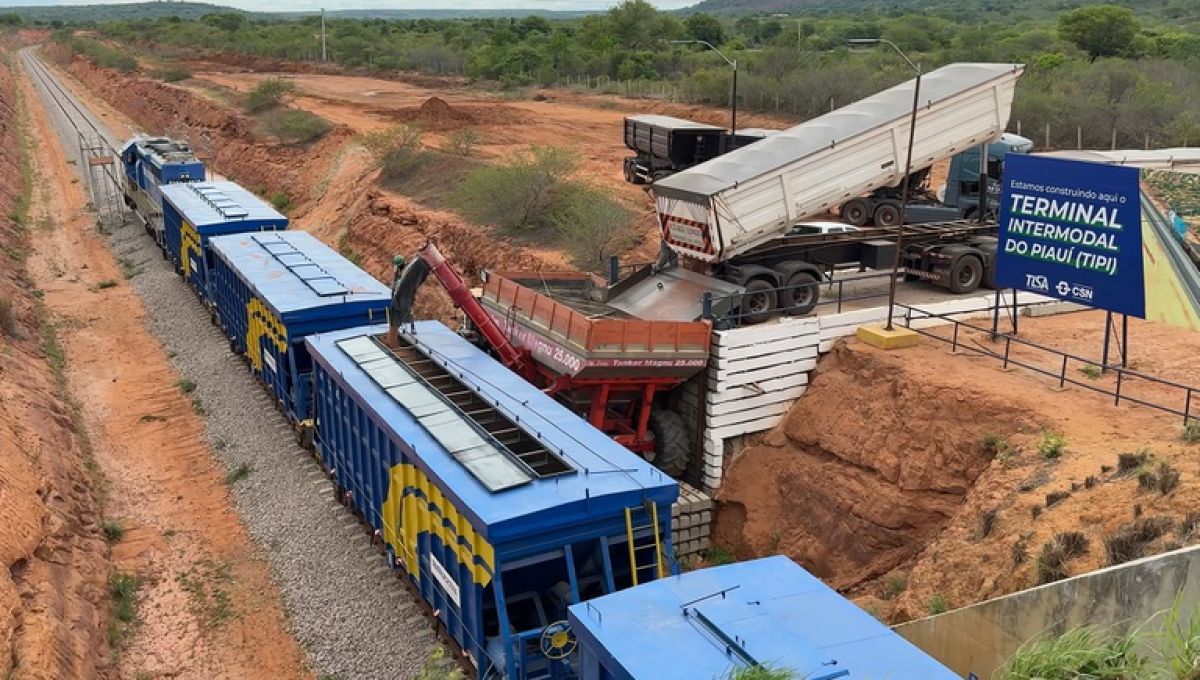
The test forms part of the commissioning phase of the 679 km railway section authorised for freight traffic by Brazil’s National Land Transport Agency (ANTT).
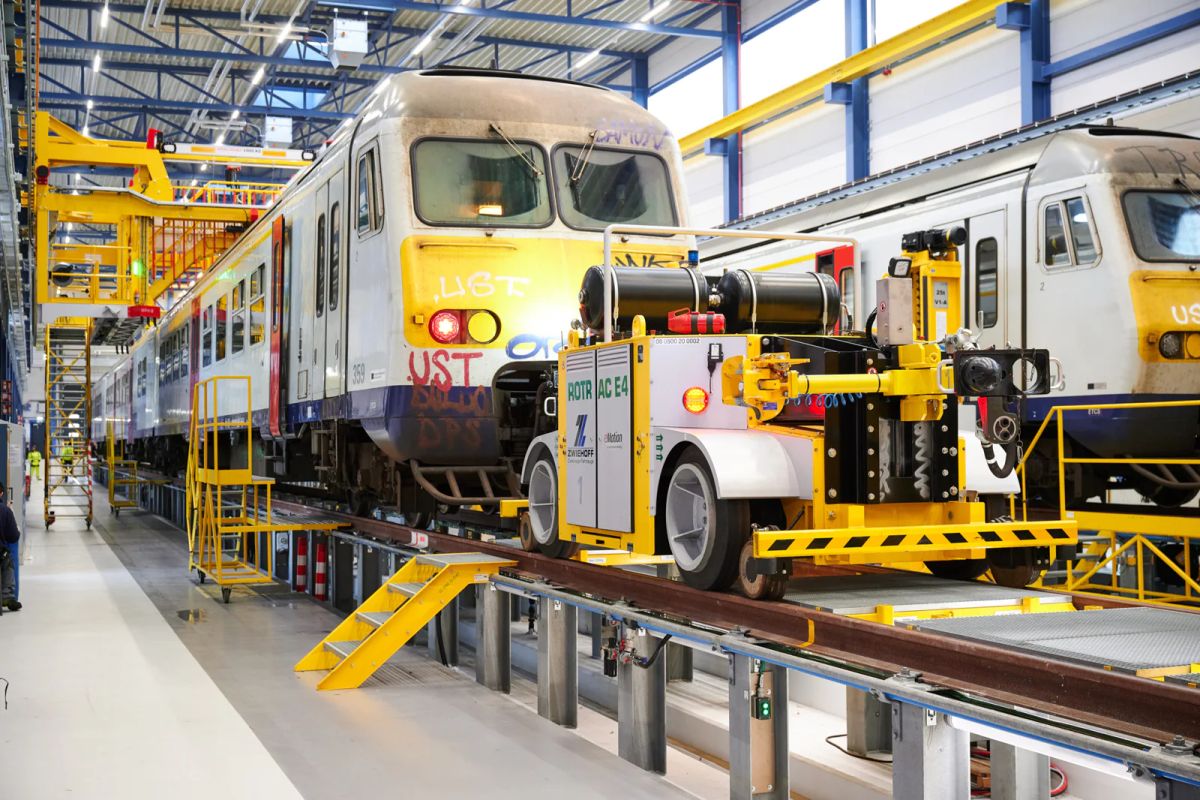
The Belgian National Railways (SNCB) has commissioned a new maintenance hall at its traction workshop in Ostend following a EUR 47m investment.
Demolition works are under way at Vienna’s former Nordwestbahnhof freight yard as part of a large-scale urban redevelopment project covering 44 hectares.
The trainsets form part of a wider procurement of 62 regional and suburban EMUs, including maintenance services, financed through the EU Modernisation Fund.
The locomotives will be built at Progress Rail’s facility in Muncie, Indiana, with deliveries scheduled through 2026.
Małopolska is continuing its large-scale electric multiple unit programme, while Podlaskie is preparing to reintroduce dual-mode units to its regional network.
The new trains were presented on 16 January 2026 at the new Tua station in Lanciano and form part of a wider programme to renew rolling stock and upgrade regional rail services.
The additional frequency will strengthen links between Paris and major Grand Est cities.
The order was received at the end of 2025 and has a value in the high double-digit million-euro range.
The new trainsets will operate in the Nuremberg–Ingolstadt–Augsburg–Munich corridor, increasing capacity on regional services.
As part of the process, majority shareholder HRG expanded the investor base and provided additional capital.