
Hupac CEO to Step Down in May 2026
Hupac Group has announced that CEO Michail Stahlhut will step down from his role in May 2026 after eight years in charge. The company has started the process of selecting his successor.
Major infrastructure works by Germany’s Deutsche Bahn from February 2026 will disrupt rail traffic between Austria and Germany, affecting both passenger and freight services. Austrian operators are adjusting timetables and rerouting trains to maintain connectivity and industrial supply.
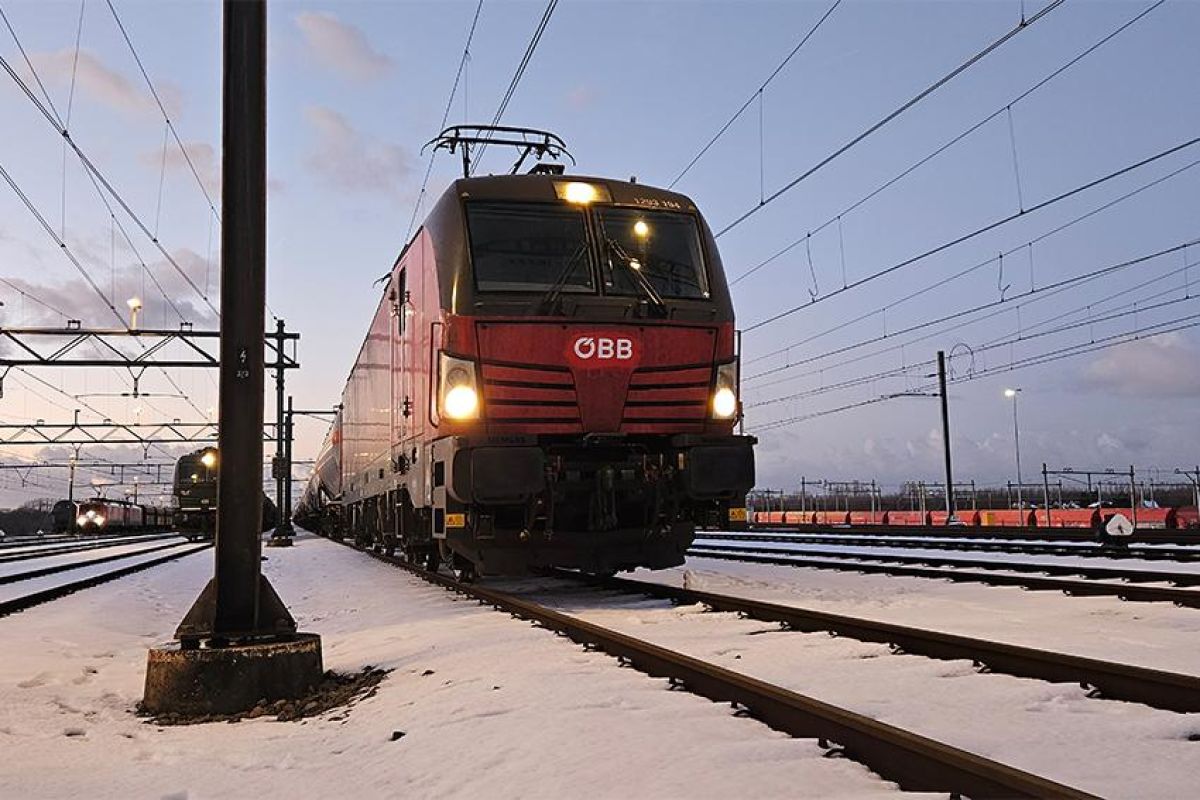
ÖBB Rail Cargo Group (RCG) has moved its Duisburg–Antwerp and Linz–Antwerp services to own traction, operating the routes with its own locomotives and crews. The operator has also increased frequencies on the Duisburg–Antwerp corridor.
Deutsche Bahn has highlighted Holocaust remembrance as part of its corporate responsibility as Germany’s state-owned rail group. The commitment was reiterated in a joint declaration issued on International Holocaust Remembrance Day.
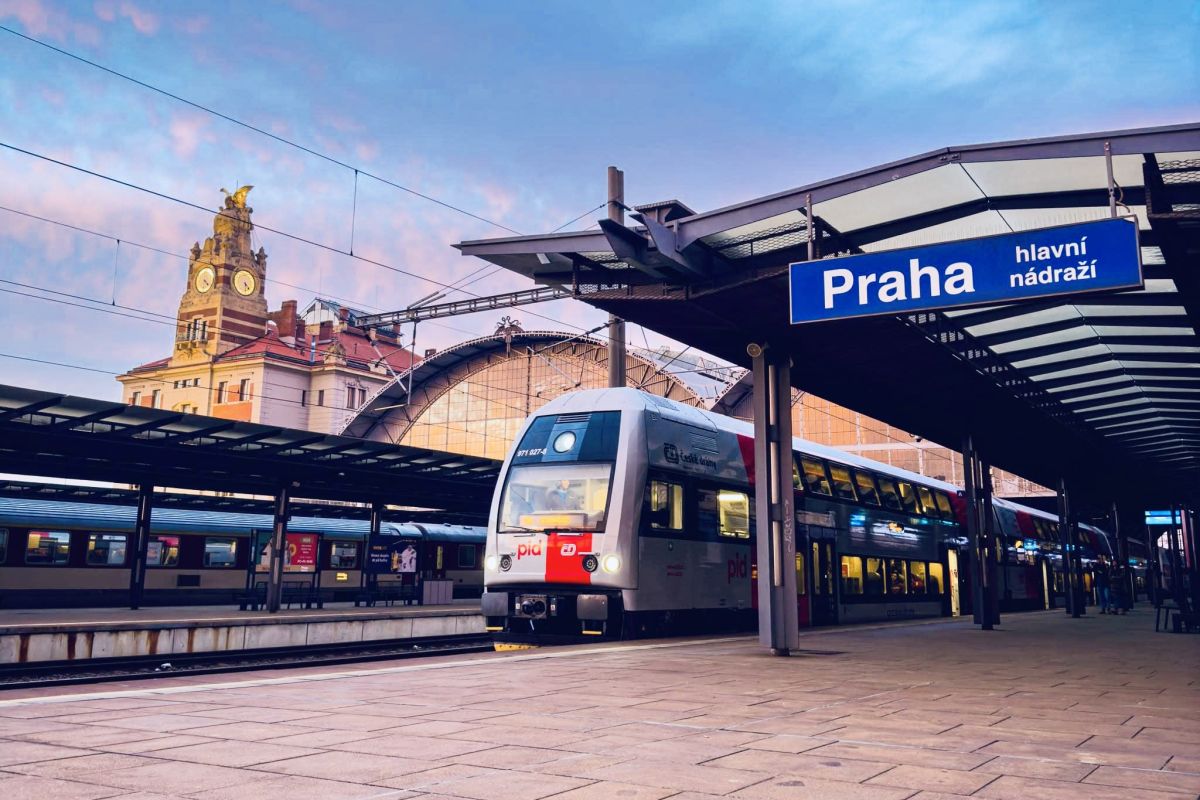
The supervisory board of Správa železnic, the Czech rail infrastructure manager, is set to take on a stronger executive role in strategic and investment decisions. The change comes alongside board reshuffles and the planned appointment of a new director-general.
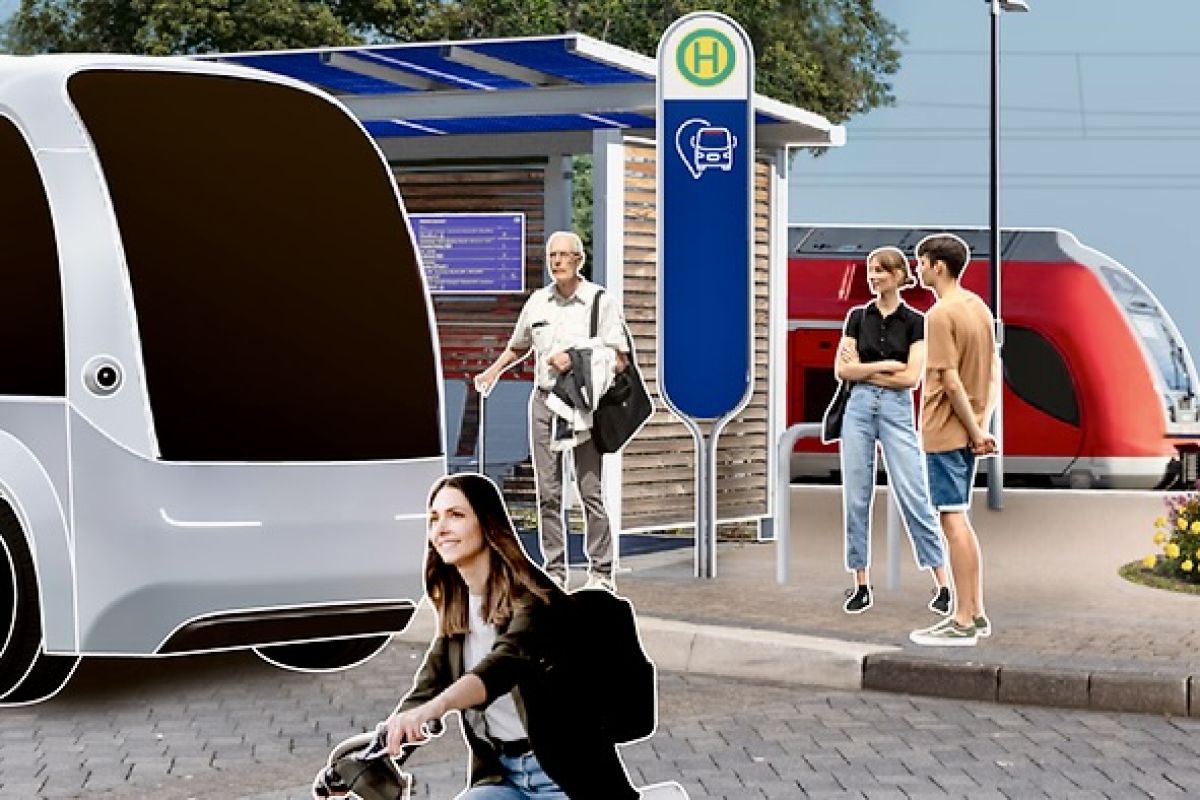
Autonomous shuttles and buses could significantly improve public transport performance in Germany if deployed as feeders to rail and integrated into an expanded network, according to a new study. The biggest gains are expected where automation supports train-based services rather than replacing them.
Around 250 representatives from politics, industry and the rail sector met in Hamburg for the 16th VPI Symposium to discuss the growing challenges facing rail freight. Topics ranged from European regulation and infrastructure policy to digitalisation and day-to-day operational constraints.
Vienna’s City Airport Train (CAT) will introduce new Stadler KISS double-deck trains from autumn 2027 on the route between Vienna Airport and the city centre. The operator has presented the exterior design of the new fleet ahead of its planned entry into service.
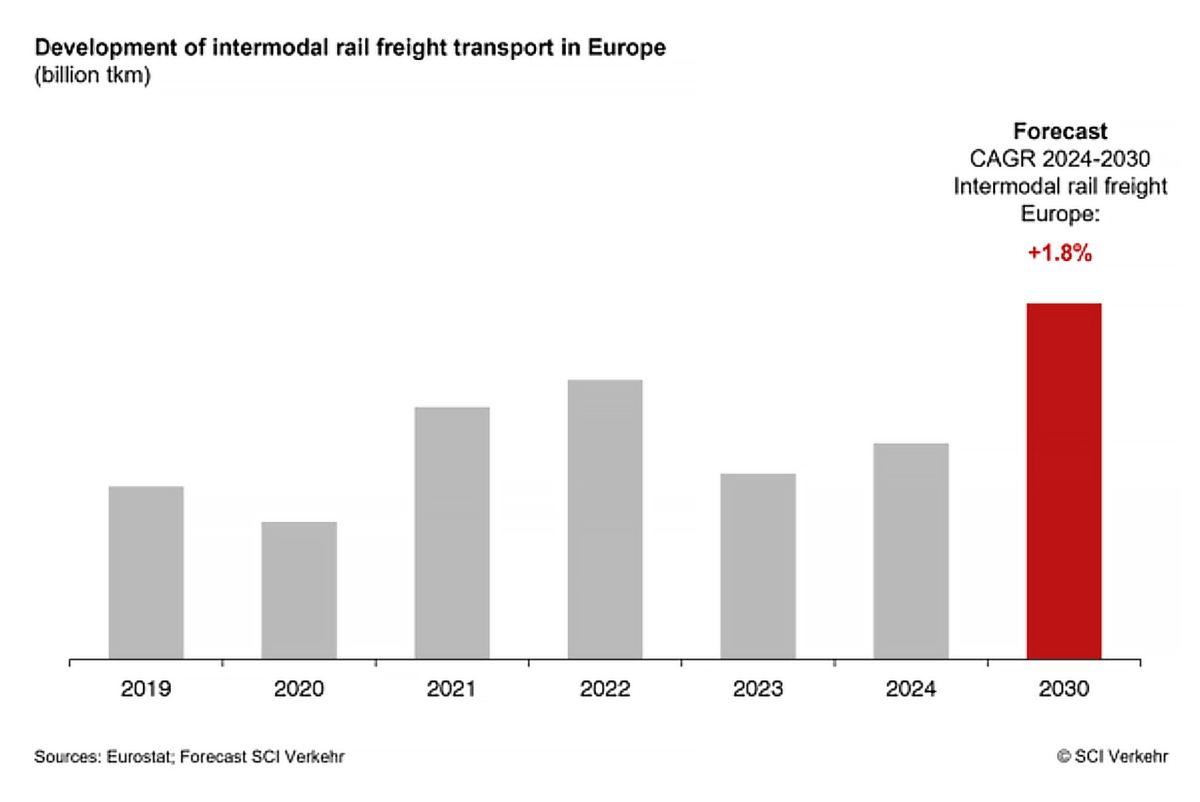
European intermodal rail freight remains a stabilising pillar of rail transport, but growth is no longer broad-based. New SCI Verkehr's market data show expansion concentrating on specific corridors, customers and business models.
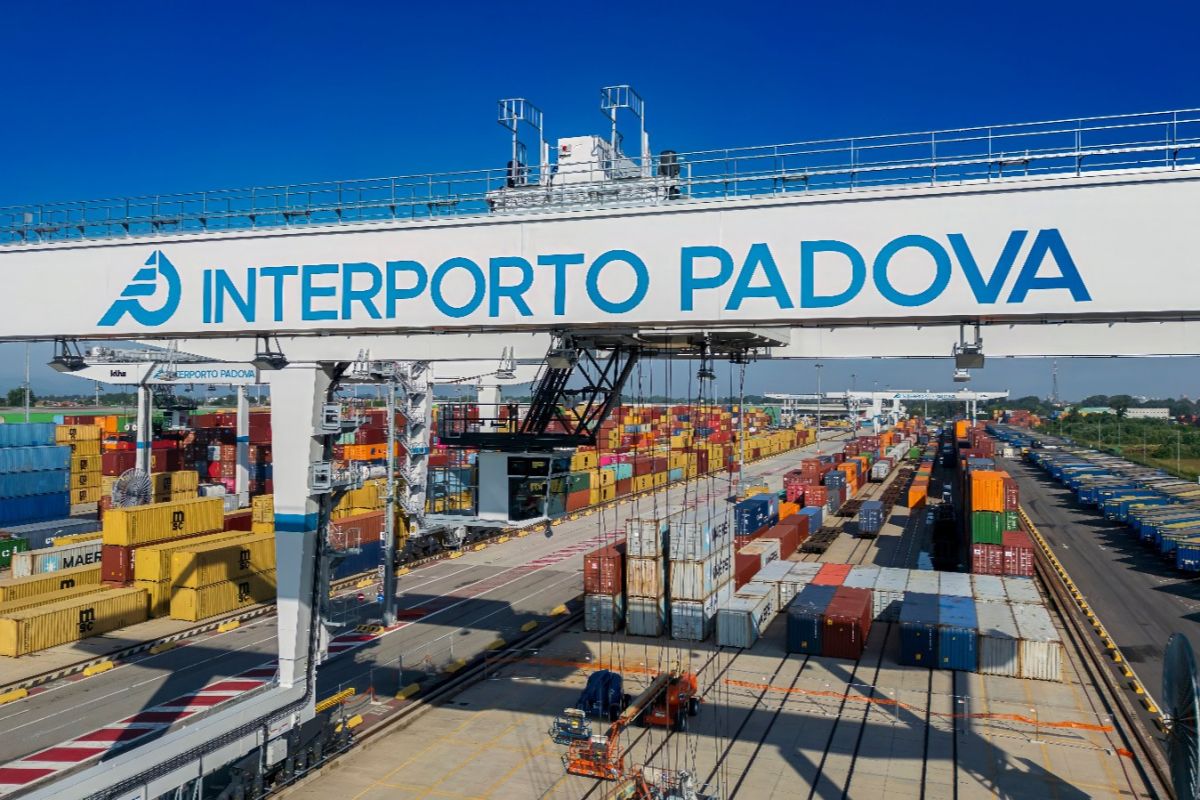
Under the tender conditions, a new company, Intermodal Terminal Padova, will be established and the terminal assets transferred to it.
Czech rail freight operator ČD Cargo has appointed Radim Ječný as Chairman of the Board, effective 1 February 2026. The move comes as European rail freight faces falling volumes, rising costs and structural pressure.
At least two dozens people were killed and several others injured when two high-speed passenger trains derailed and collided on Sunday evening near Adamuz in southern Spain. The crash forced the suspension of rail traffic between Madrid and Andalucía.
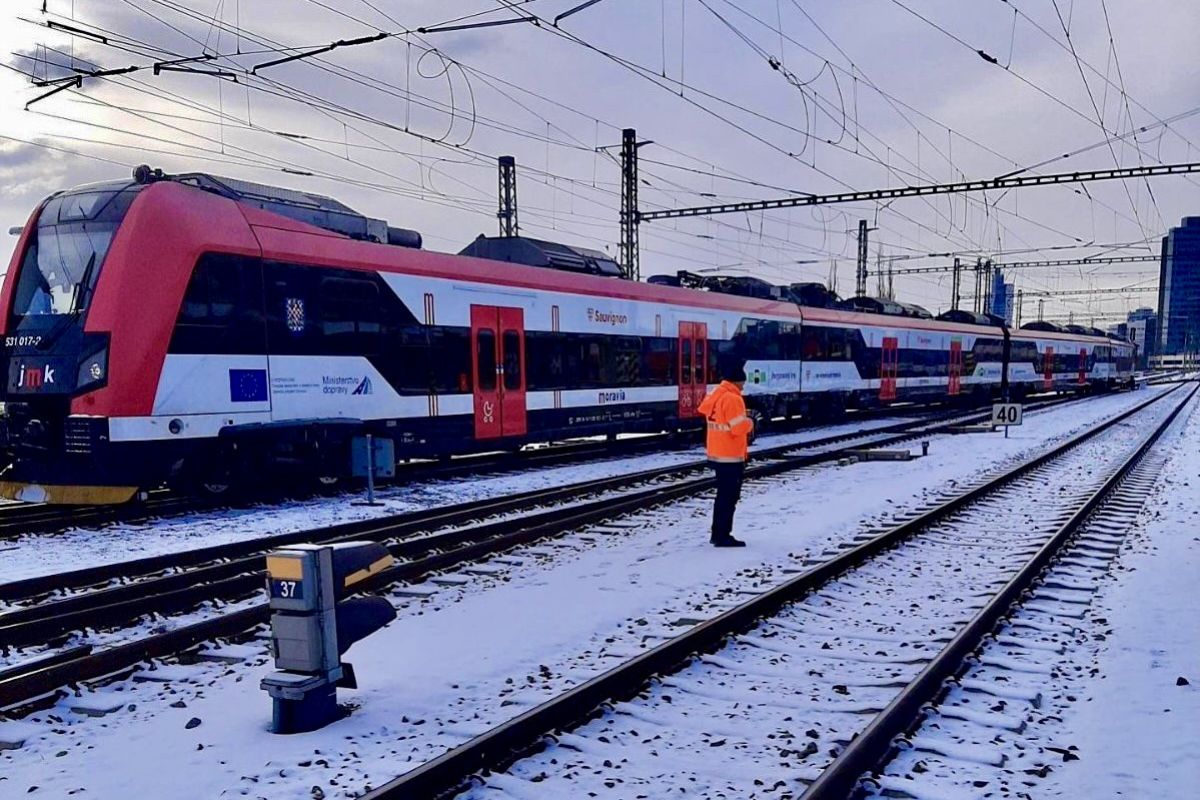
Czech national carrier České dráhy (ČD) has launched two public tenders for battery electric multiple units (BEMU), covering up to 120 trains for regional passenger services. The framework contracts aim to support zero-emission operation on partially electrified routes.
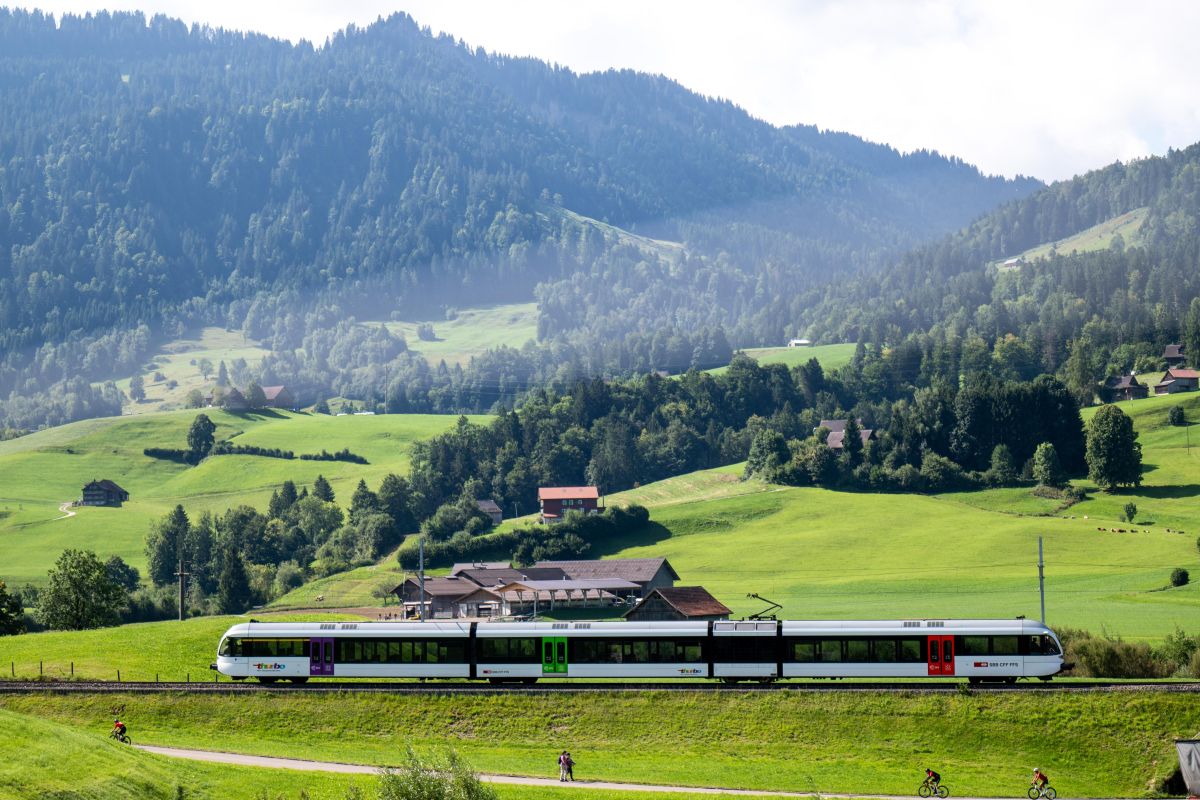
Stadler will modernise and resell 93 GTW multiple units from Swiss operator Thurbo to Hungarian State Railways (MÁV), providing 14,000 additional passenger seats. The project offers a faster alternative to new rolling stock procurement while extending the service life of existing trains.
Two key Czech rail organisations are expected to appoint permanent leadership in the coming weeks, ending a prolonged power vacuum. The changes affect both rail infrastructure and state-owned freight operations.
CargoBeamer has launched a new intermodal rail connection between Liège in Belgium and Domodossola in northern Italy. The route strengthens transalpine rail capacity at a time of structural change in Alpine freight flows.
Severe icing has disrupted rail operations across large parts of the Czech Republic, causing delays and cancellations. The situation is affecting both domestic services and cross-border connections to Germany.
A new study on rail freight in North America highlights structural trends affecting the sector, from cost pressures to capacity management. While the analysis focuses on the US and Canada, many of the findings are increasingly relevant for European rail freight markets as well.
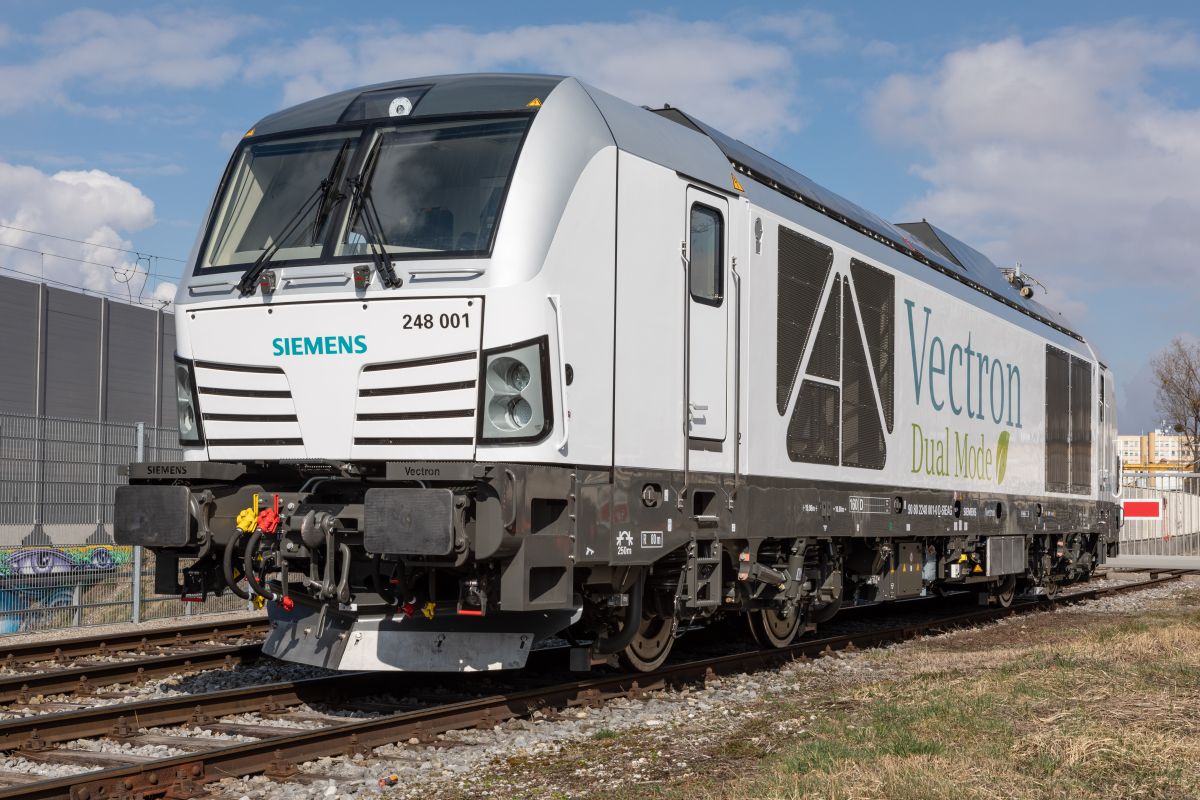
Siemens Mobility’s Vectron Dual Mode locomotive has received authorization for operation in Germany, Austria and cross-border services between the two countries. The approval enables seamless traction on partially electrified routes using ETCS Baseline 3.6.
A recent acquisition in the US cold-chain sector underlines the growing role of container-based logistics facilities in supporting intermodal rail freight flows linked to major ports. The move reflects broader shifts in how temperature-controlled cargo is integrated into rail-served supply chains.
LTG Infra has launched an international tender for design services on the Rail Baltica section from Panevėžys to the Latvian border. The 54 km segment is the final missing link on the Lithuanian part of the corridor.
Intermodal rail operator CargoBeamer has appointed Julian Hagenschulte as its new Chief Digital Officer. The move underlines the growing importance of digital leadership in modern rail freight.
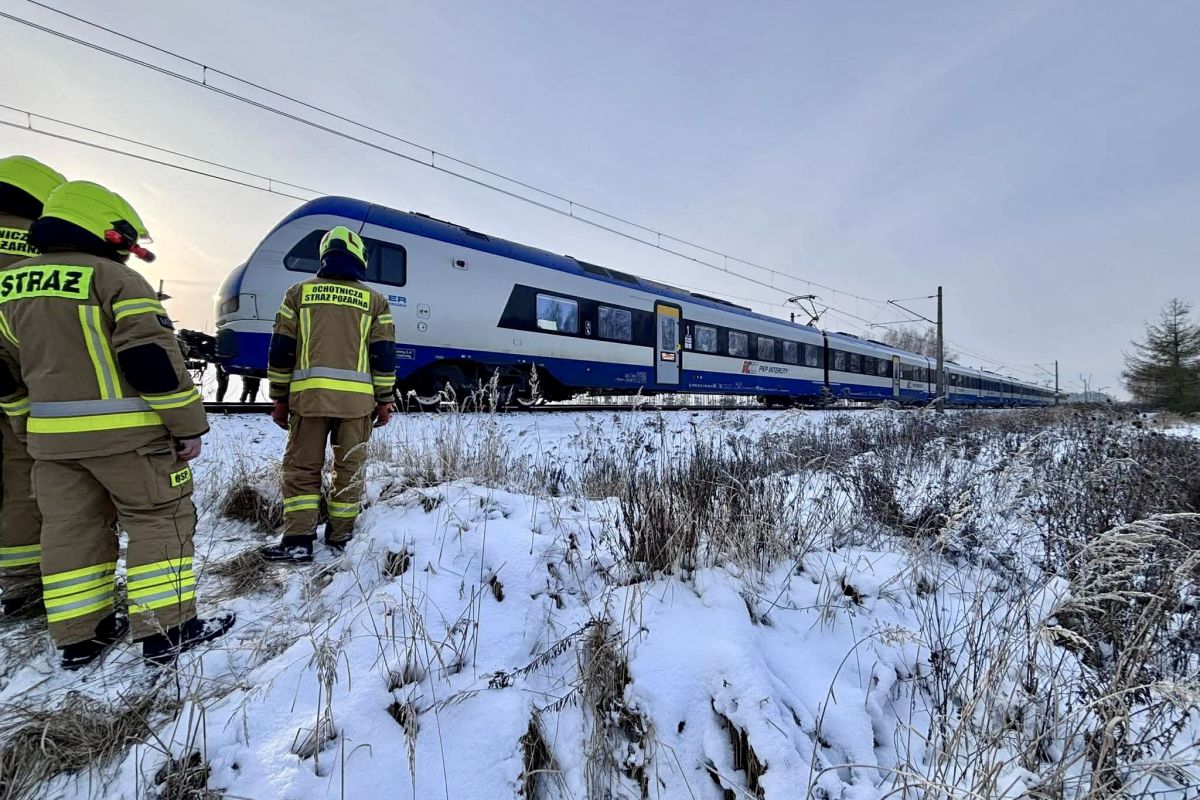
An emergency stop of an Intercity train on the Lublin-Szczecin route in the Łódź Province was the result of serious damage to the railway infrastructure. The driver noticed a gap in the rail over a metre long and immediately stopped the train. Railway services have ruled out sabotage – the most likely cause of the incident was severe frost.
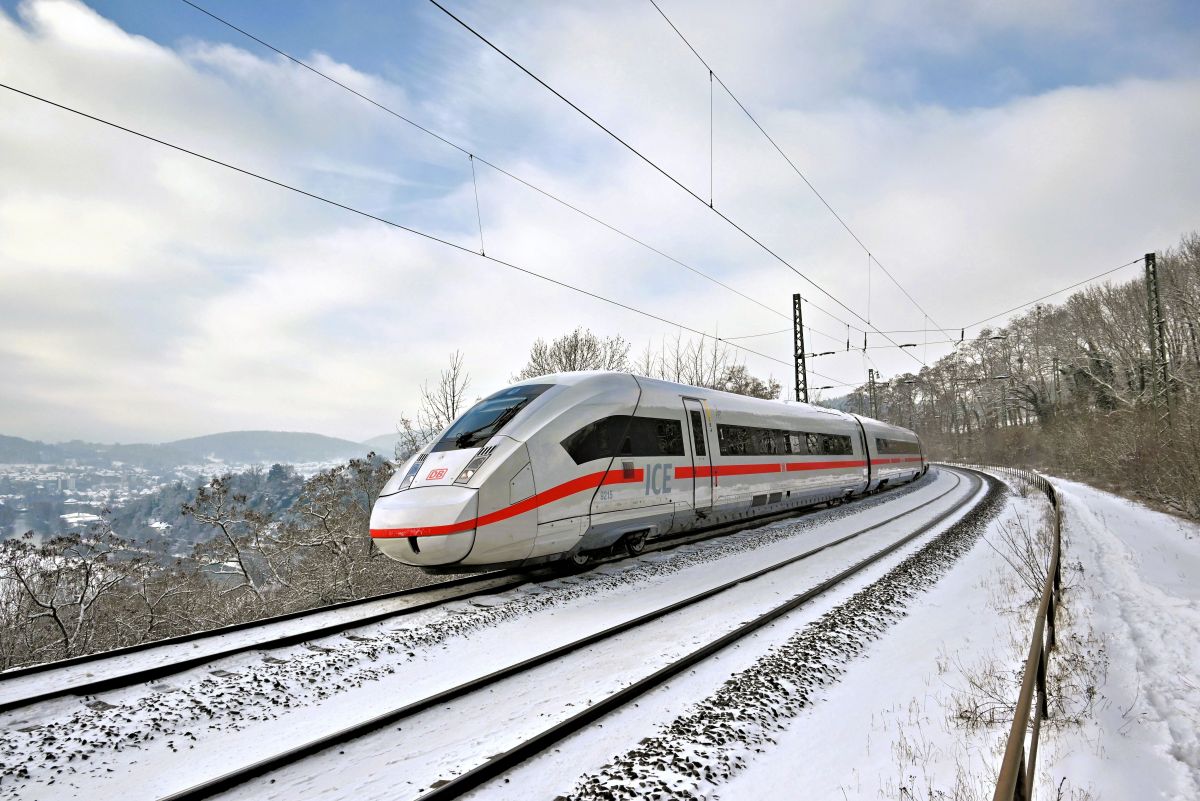
Germany’s long-distance rail services reached a historic low in punctuality in 2025. According to figures reported by BILD, only 60.1% of Deutsche Bahn’s long-distance trains arrived on time, marking the weakest annual result on record.
Network Rail has completed rail infrastructure upgrades at Mossend in North Lanarkshire, one of Scotland’s most important freight hubs. The works targeted reliability and performance for freight and passenger services.
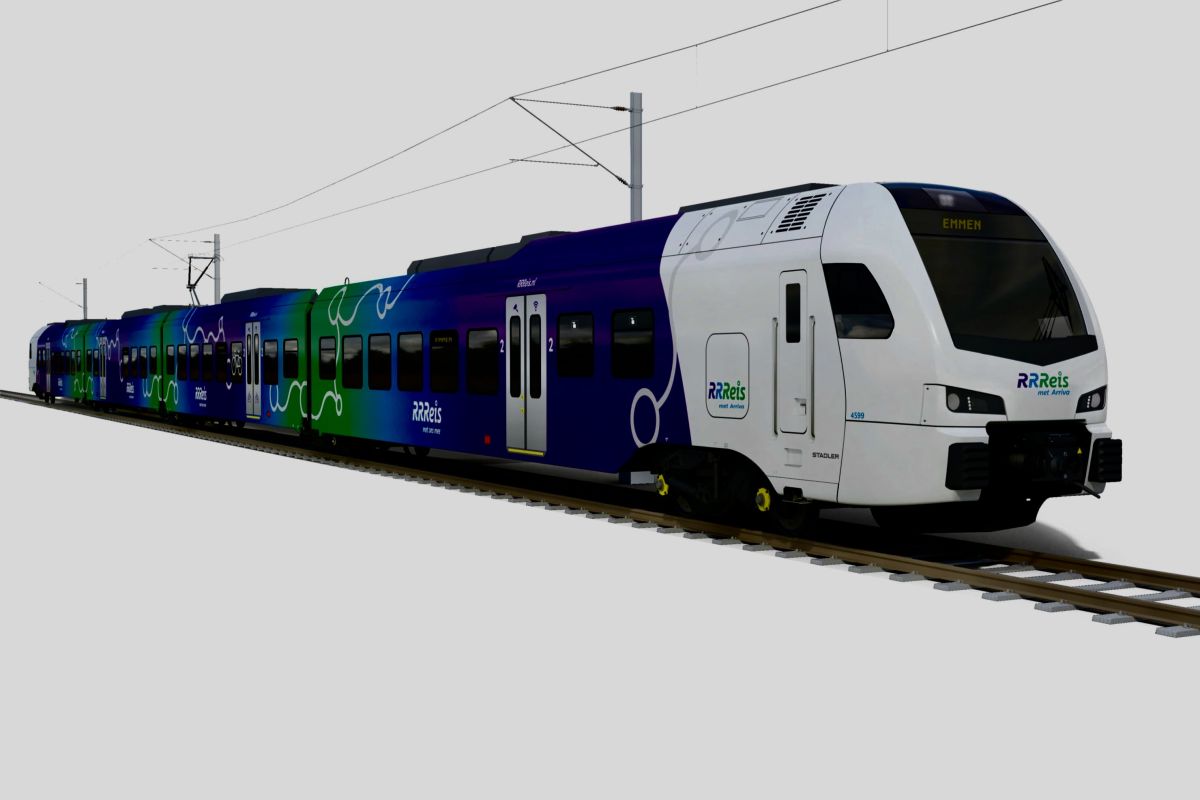
Arriva Nederland has placed an order with Stadler for five new FLIRT electric multiple units. The trains will be deployed on the Vechtdallijnen routes in the eastern Netherlands.
Poland’s intermodal rail freight recorded stable performance in the first three quarters of 2025, according to data from the national rail regulator UTK. While TEU volumes increased year-on-year, total tonnage and transport work slightly declined.
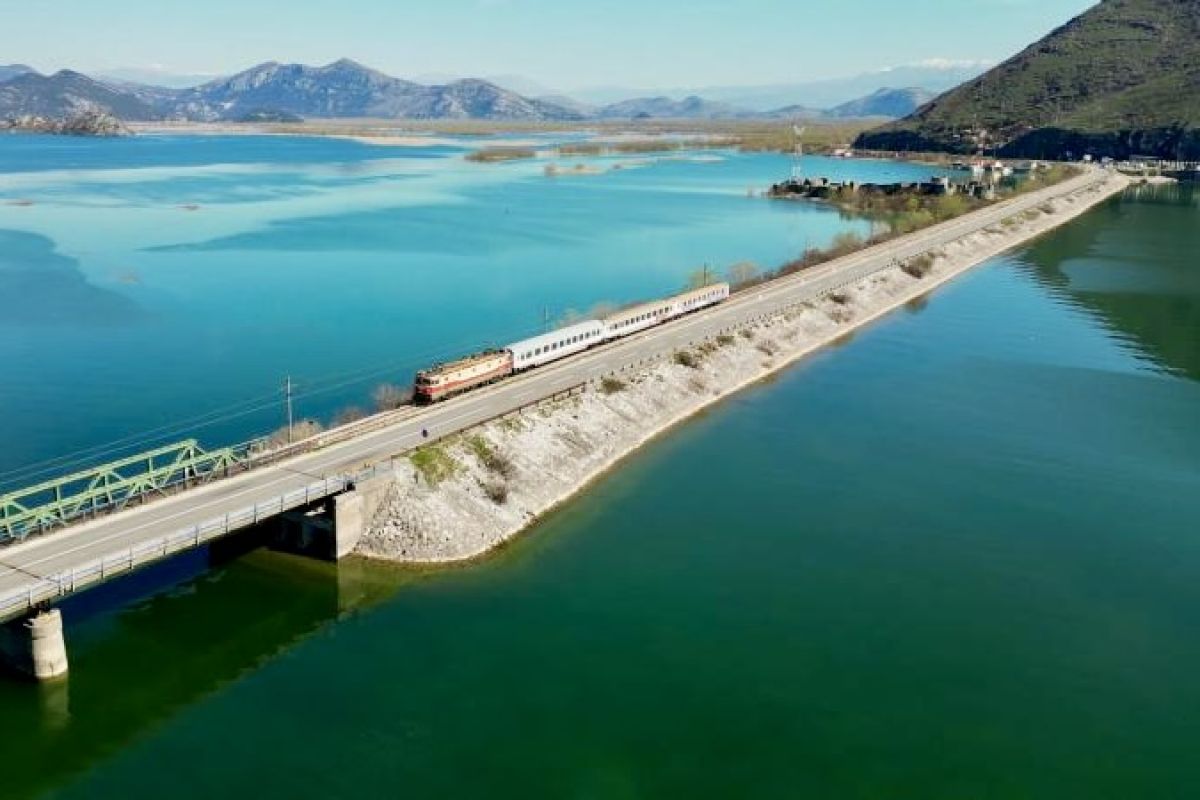
The European Union will invest €175 million to modernise the Bar–Golubovci railway line in Montenegro. The project targets higher speeds, improved capacity and better reliability on a key TEN-T corridor.
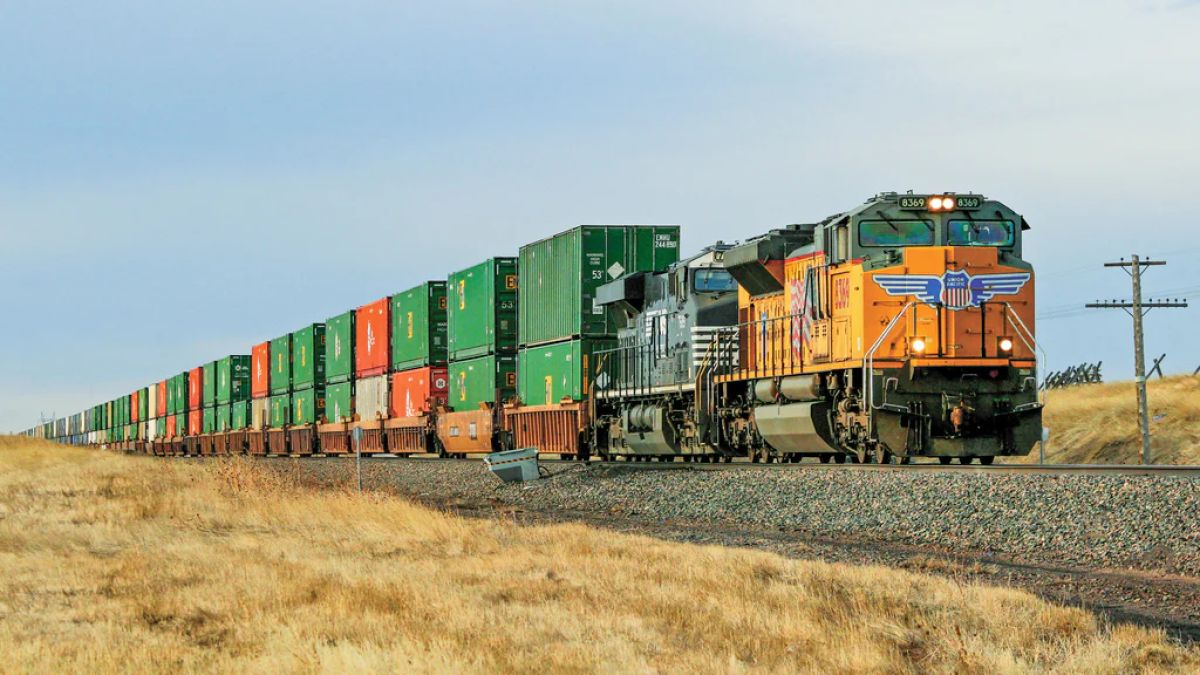
Union Pacific and Norfolk Southern have formally applied to merge their rail networks, seeking approval from the Surface Transportation Board. The proposed transaction would create the first coast-to-coast freight railroad in the United States.
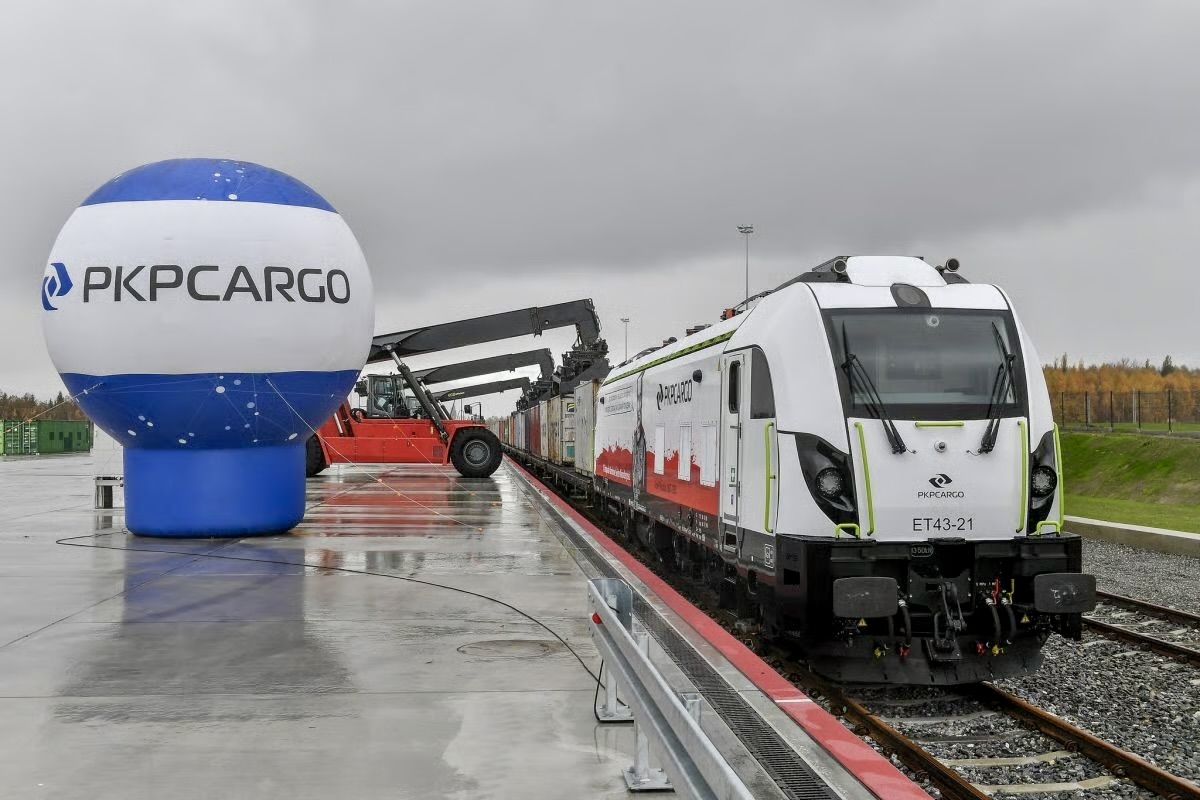
PKP Cargo has sharply reduced its share capital as part of its ongoing restructuring. The move is aimed at covering accumulated losses and restoring balance-sheet flexibility.
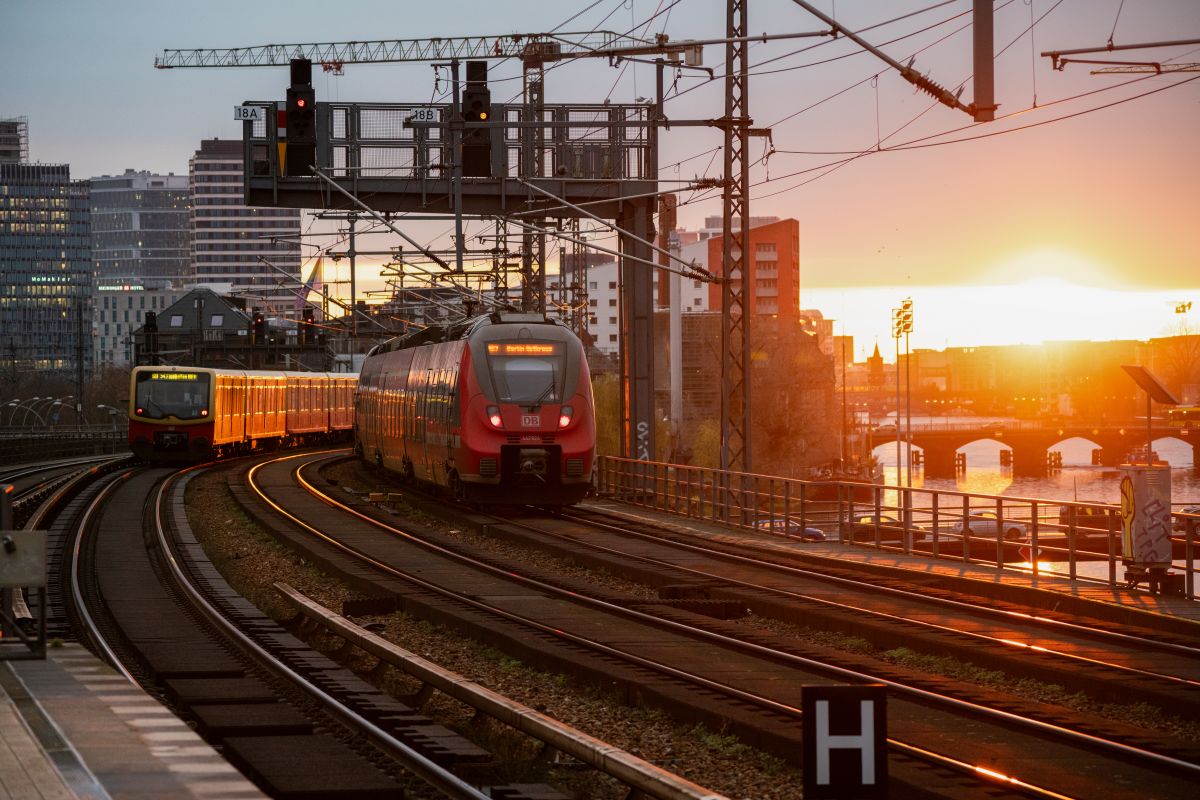
Germany’s rail infrastructure manager DB InfraGO invested more than €19 billion in network renewal and modernisation in 2025. The year was marked by a high construction workload alongside ongoing rail operations.
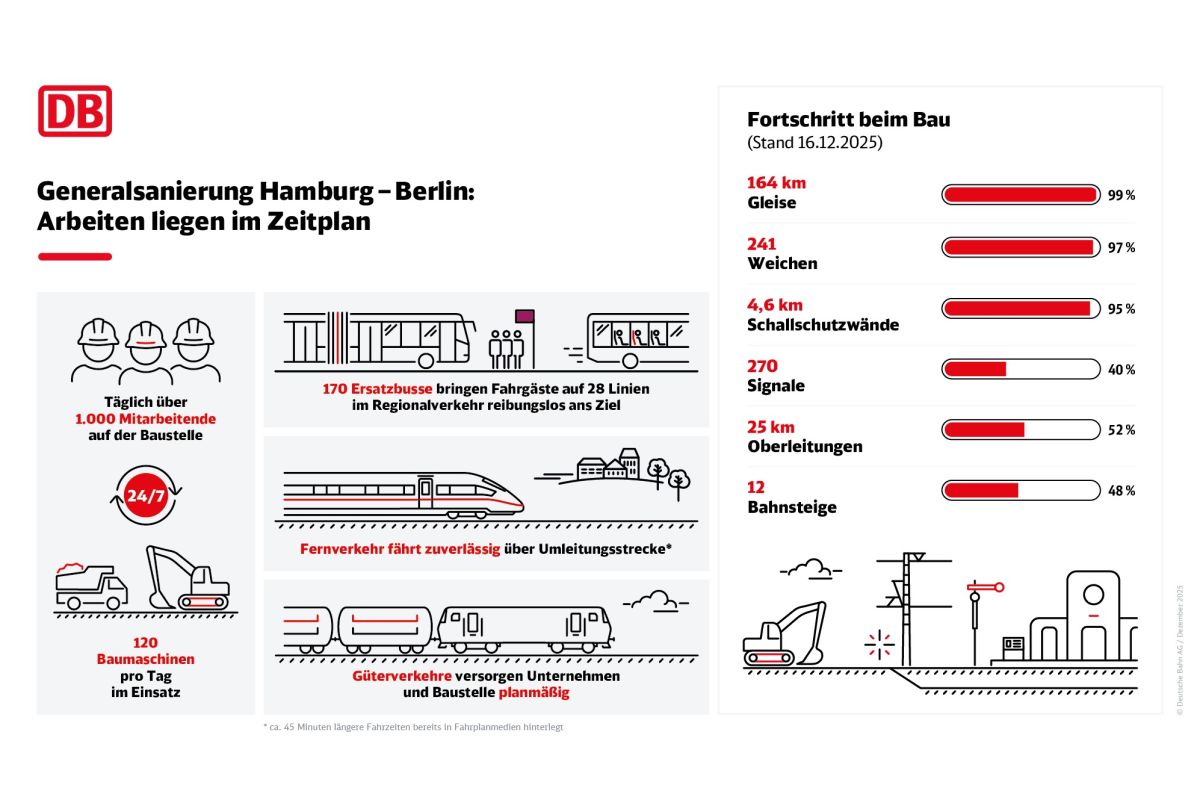
The first construction phase of the large-scale overhaul on the Hamburg–Berlin railway line is nearing completion around five months after works began. Focus is now shifting from track renewal to signalling systems and station upgrades.
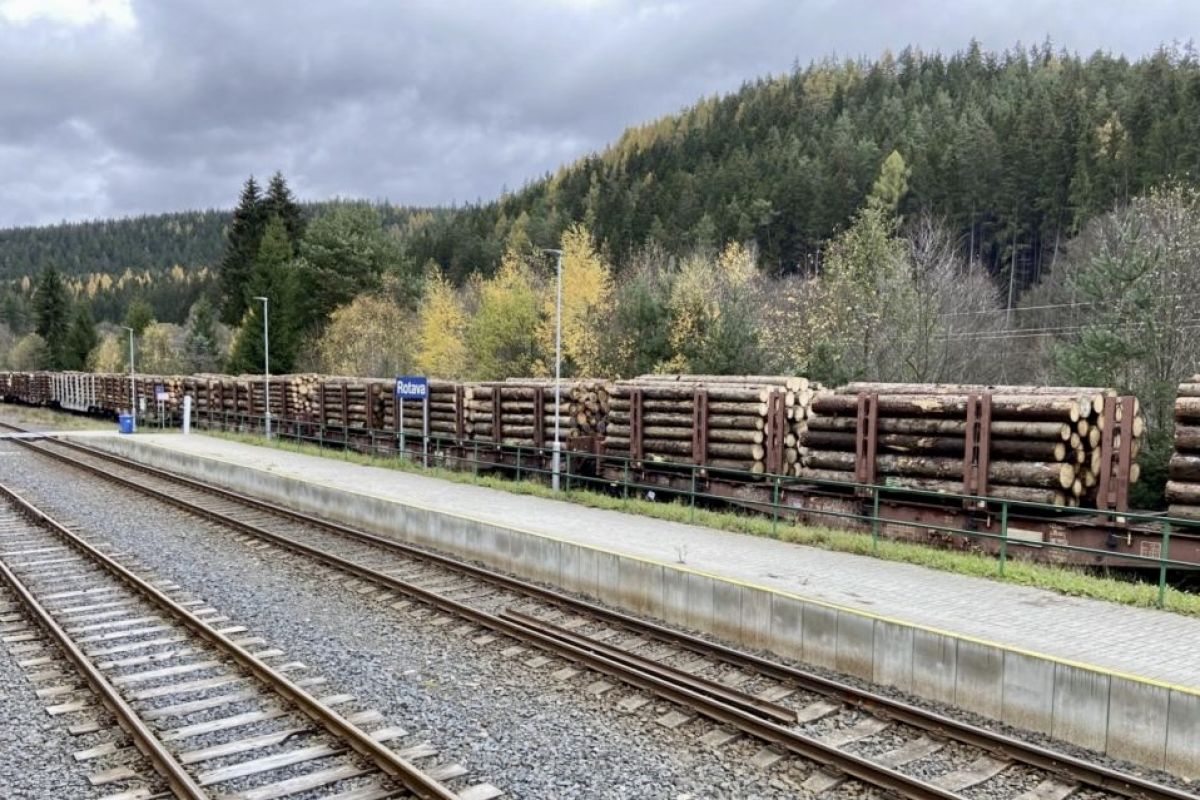
Czech logistics provider MIB Logistics is focusing on shifting freight flows from road to rail, offering end-to-end rail transport, siding services and last-mile solutions. The company targets a wide range of commodities while responding to ESG and sustainability requirements.
Czech Transport Minister Ivan Bednárik has called for a European debate on the future of rail freight, arguing that current EU policies are accelerating its decline. In an interview with the Czech News Agency, he points to high electricity prices and distorted competition with road transport as key issues.
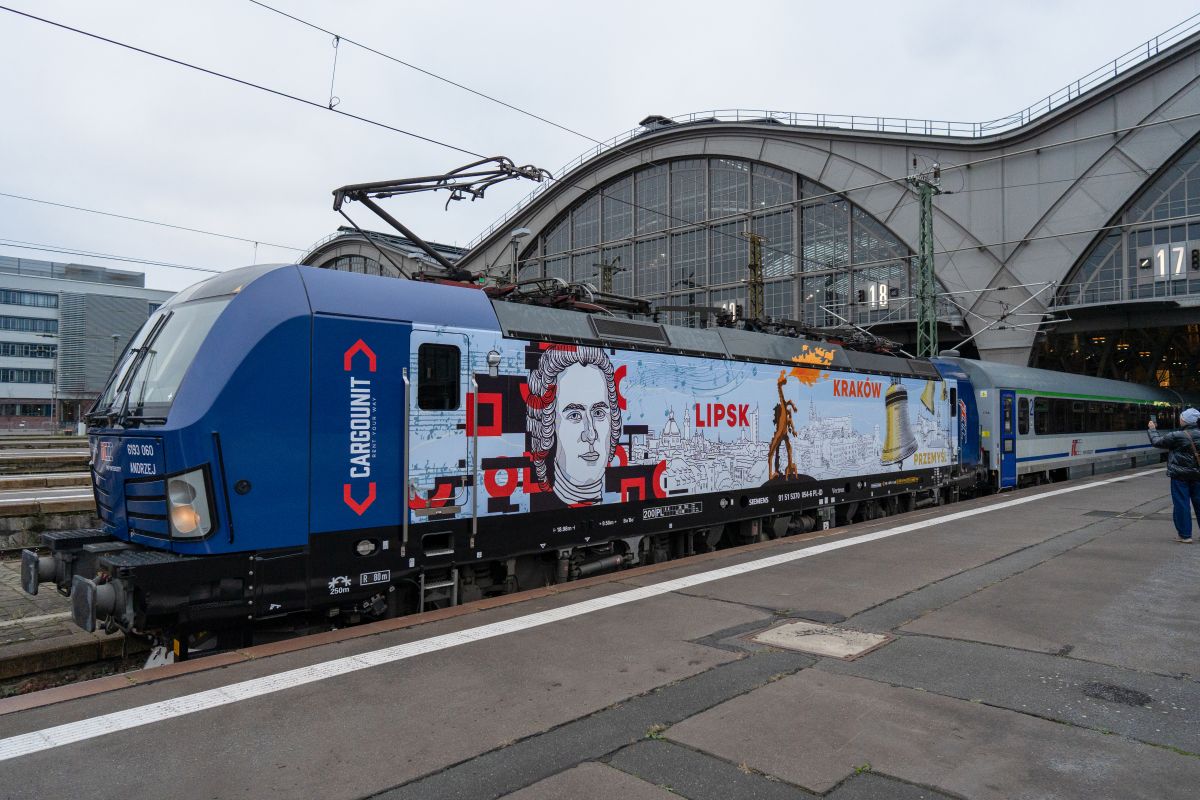
Germany and Poland have launched a new EuroCity corridor linking Leipzig with Wrocław, Kraków and Przemyśl near the Ukrainian border. The service expands cross-border long-distance rail between the two countries by 50%.
Vietnam is moving forward with its first high-speed rail projects after VinSpeed and Siemens Mobility signed a comprehensive cooperation agreement. Siemens is expected to act as technology partner for rolling stock, signalling and core rail systems.
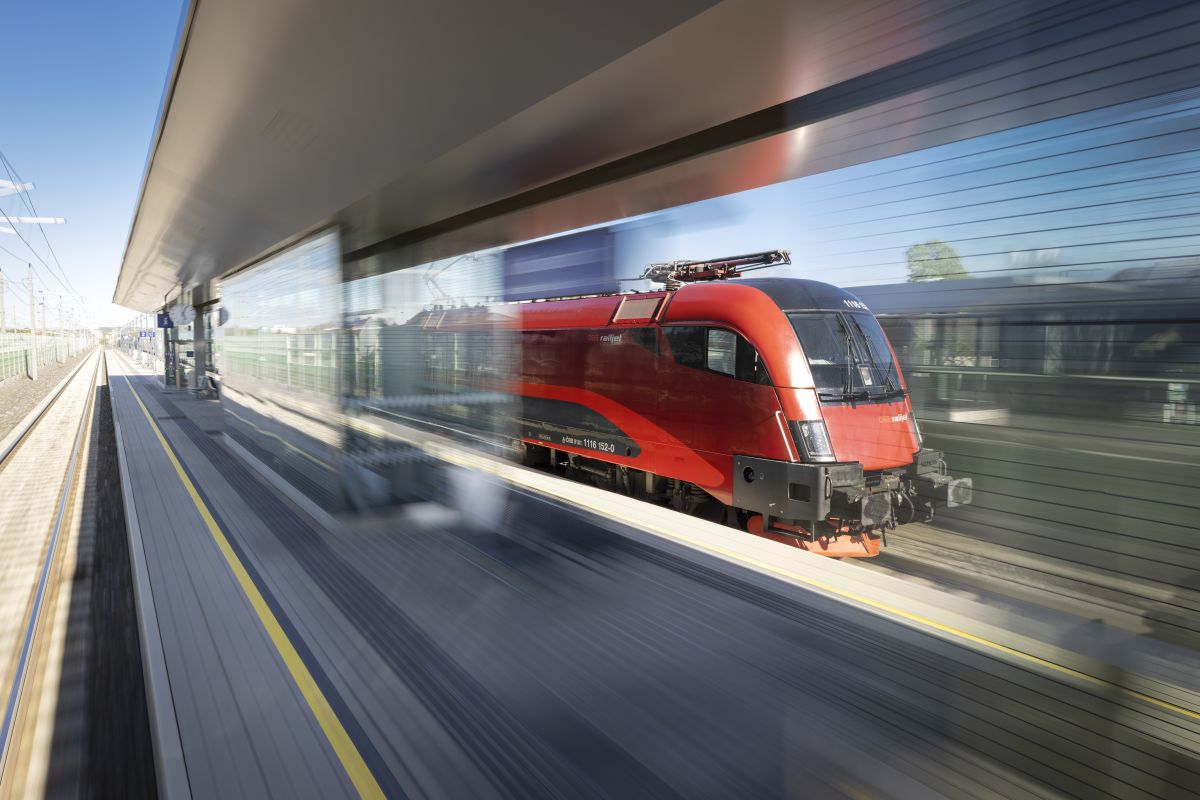
ÖBB has launched a new, faster Railjet connection between Vienna and Trieste following the opening of the Koralmbahn. The route significantly reduces journey times and strengthens rail links between Austria and Italy.
Koleje Mazowieckie has ordered 11 additional FLIRT electric multiple units from Stadler, completing the largest rolling-stock investment programme in the operator’s history. The framework agreement now covers a total of 75 trains.
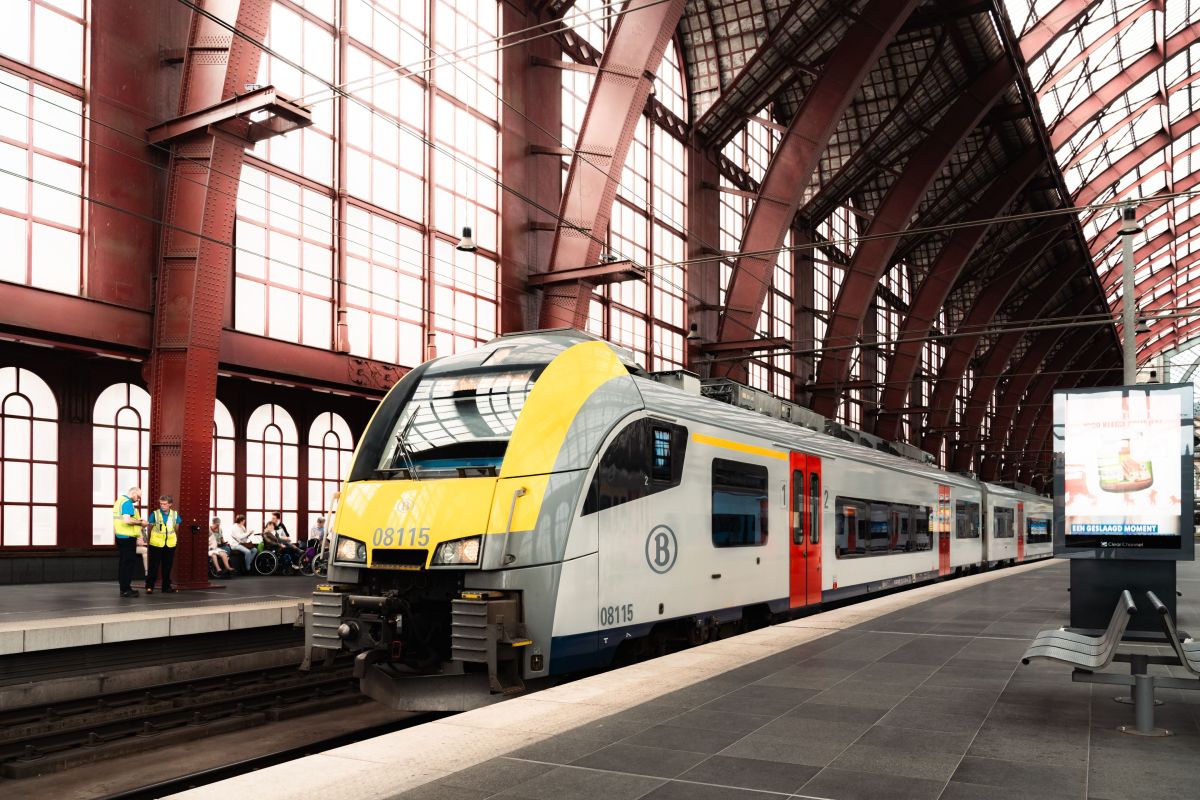
Belgium has completed the nationwide rollout of ETCS, upgrading its rail network to European interoperability standards. The project positions the country among the first in Europe to deploy ETCS across a complex, live network.
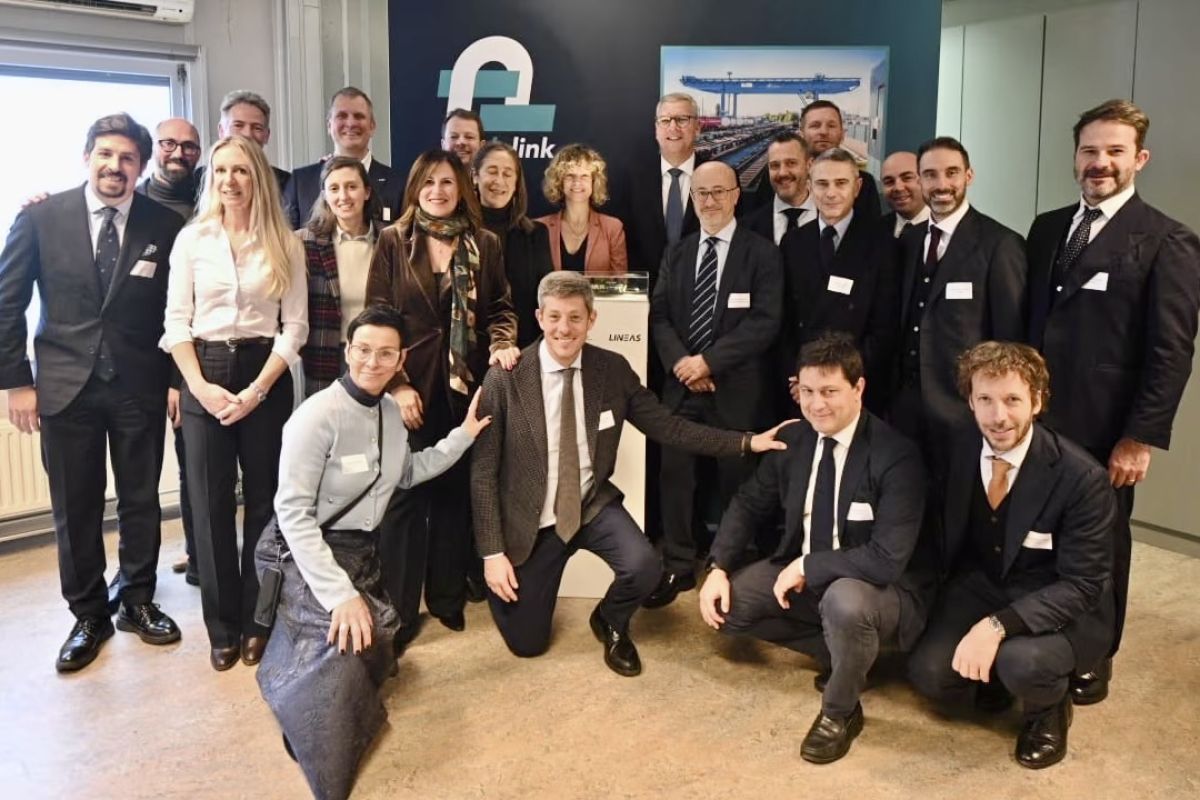
Lineas and FS Logistix have launched Modalink, a joint venture managing Antwerp Mainhub Terminal to strengthen intermodal services between Belgium and Italy. The initiative aims to increase capacity on one of Europe’s busiest North–South freight corridors.
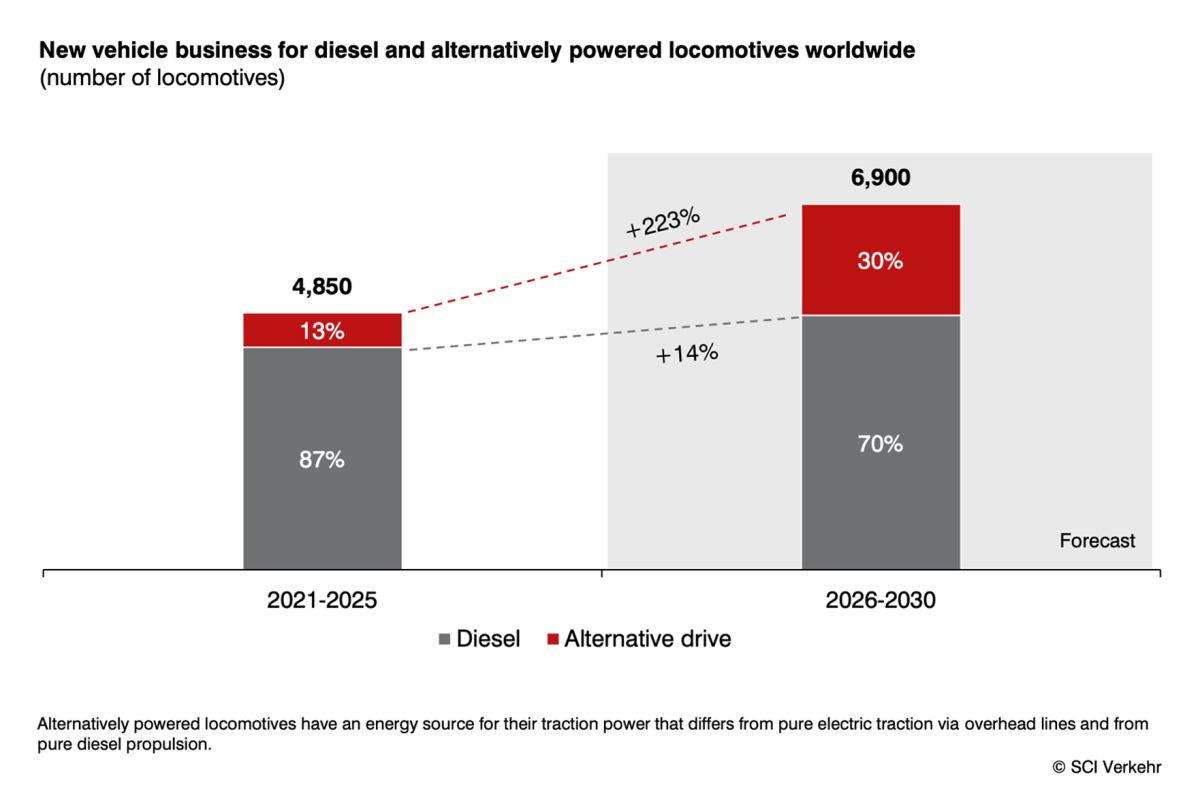
Diesel locomotives continue to dominate rail freight operations despite growing interest in alternative drives, according to a new study by SCI Verkehr. High costs and complex approval procedures are slowing the transition, particularly in Europe.
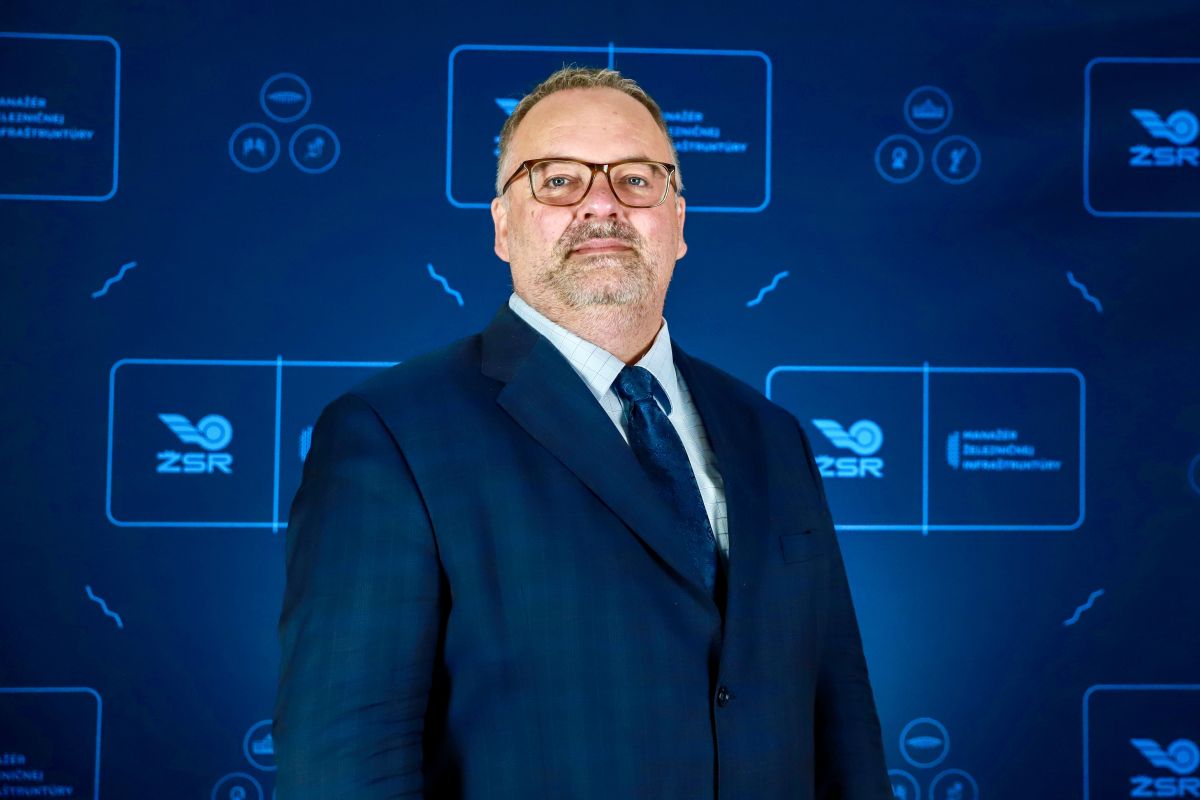
Ivan Bednárik, a senior rail executive with experience across freight, passenger and infrastructure management, is expected to become the next Czech transport minister. His career spans leadership roles at ČD Cargo, České dráhy and Slovakia’s infrastructure manager ŽSR.
Stadler has signed a contract with Mount Rigi Railways for four additional rack-and-pinion trains. The order extends the modern fleet to the Goldau–Rigi Kulm line, following earlier deliveries on the Vitznau route.
ÖBB and Austrian Post are launching a programme to install roughly fifty 24/7 parcel lockers at railway stations across Austria. The rollout includes the first off-grid lockers powered by roof-mounted photovoltaic modules.
Deutsche Bahn (DB) and Eurostar have signed a Memorandum of Understanding to explore a direct high-speed service between London and major German cities such as Cologne and Frankfurt, with operations targeted for the early 2030s.
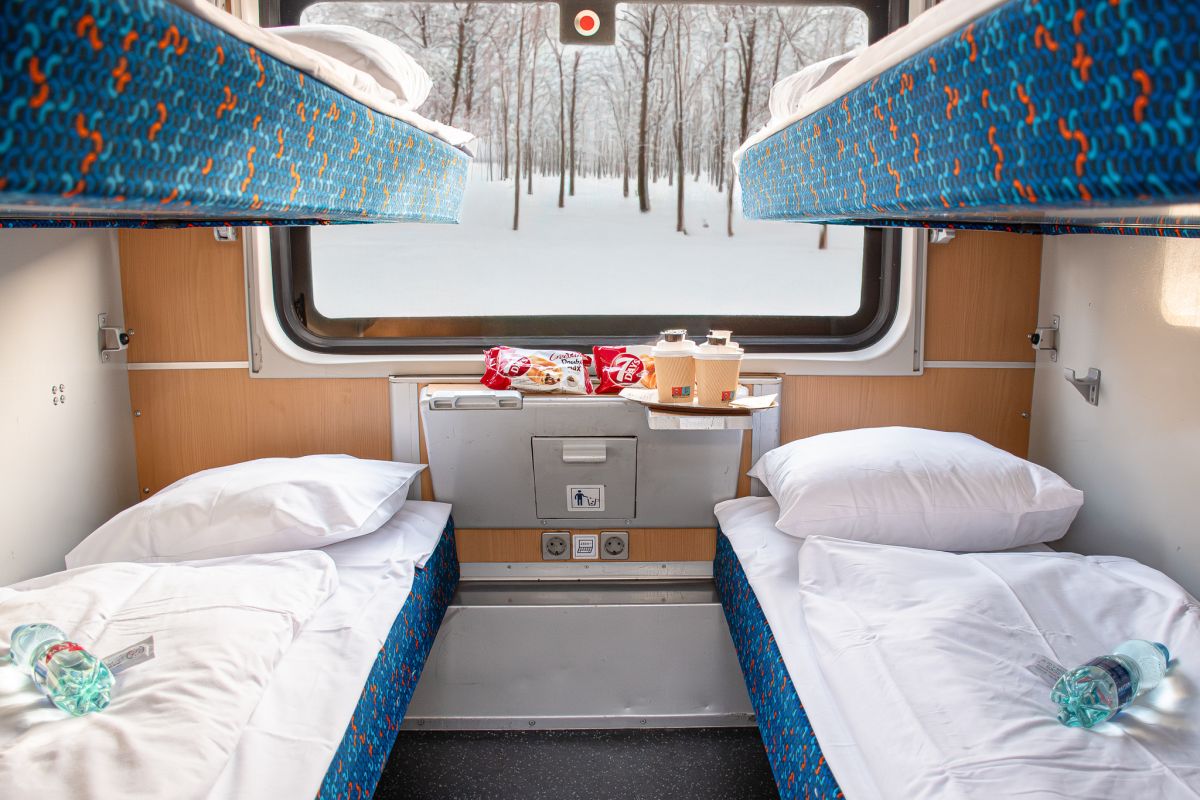
České dráhy (ČD), the Czech national railway carrier, will introduce a new night service from Prague to Przemyśl from 14 December. The route offers direct access to southeastern Poland and coordinated onward connections to Ukraine.
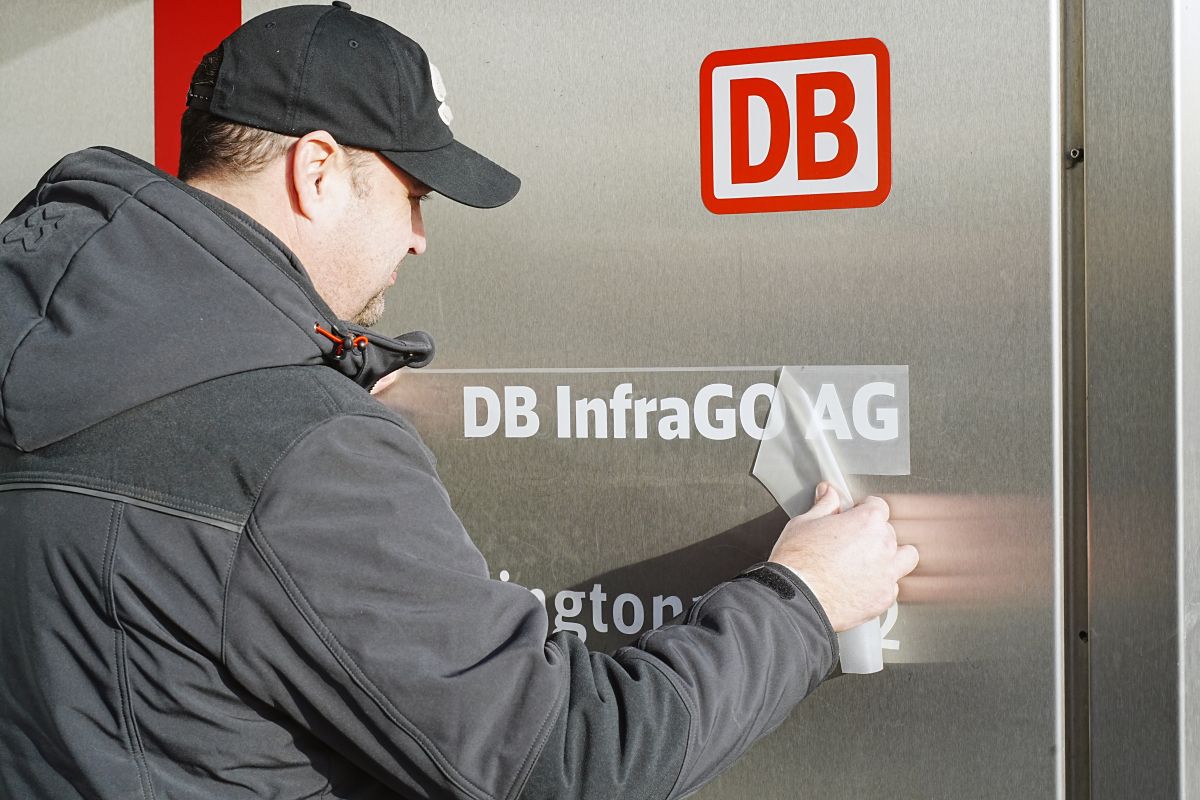
The supervisory board of DB InfraGO has approved a major restructuring of the organisation from 1 January 2026, reducing the number of board divisions from eight to six. Several new executives have been appointed to lead key infrastructure and station-related portfolios.
Hitachi Rail has entered a new technical collaboration with Google Cloud to accelerate digitalisation, deploy advanced AI systems and support the long-term shift toward autonomous and energy-efficient rail operations.
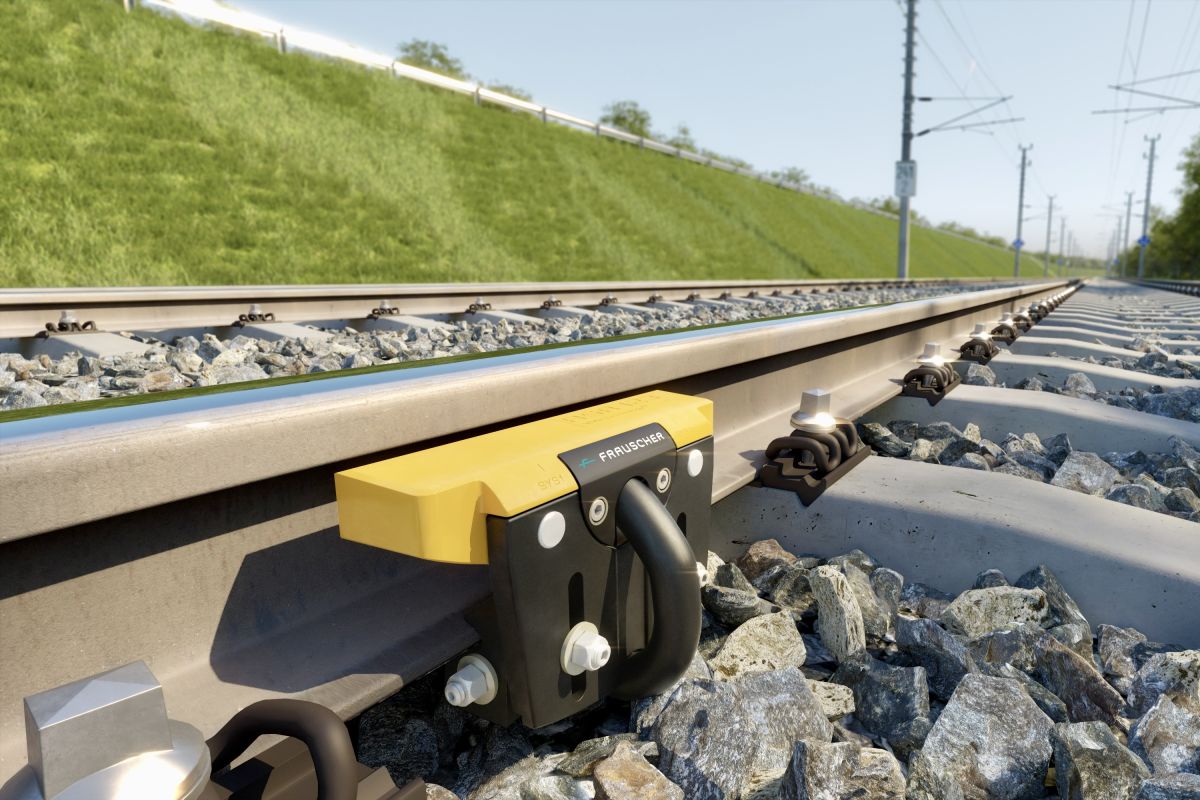
Wabtec has finalized its acquisition of Frauscher Sensor Technology Group, expanding its footprint in train detection and signalling. The Austrian-based company will join Wabtec’s Digital Intelligence division.
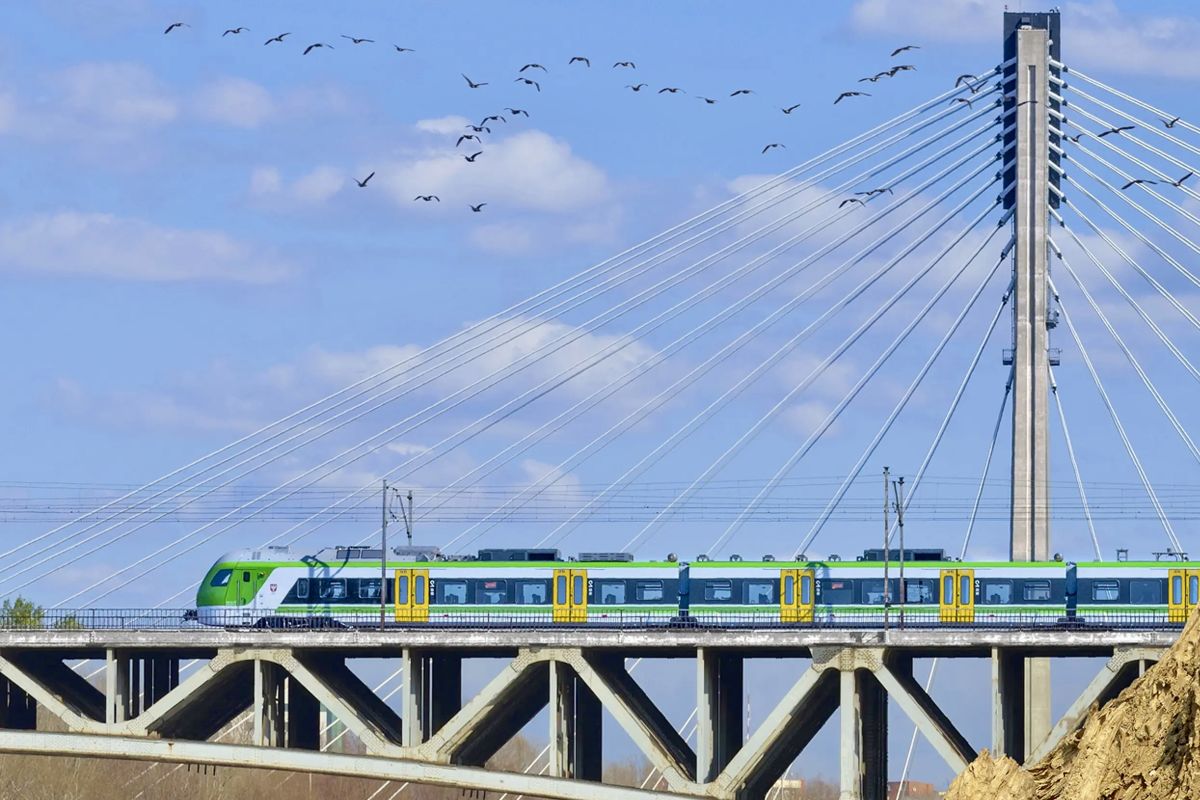
A new SCI Verkehr study shows that Europe’s freight-rail crisis has reached the rolling-stock maintenance sector. While the global MRO market continues to grow, European workshops serving locomotives and freight wagons face structural pressure.