
Return flows overtake outbound on China–Europe rail
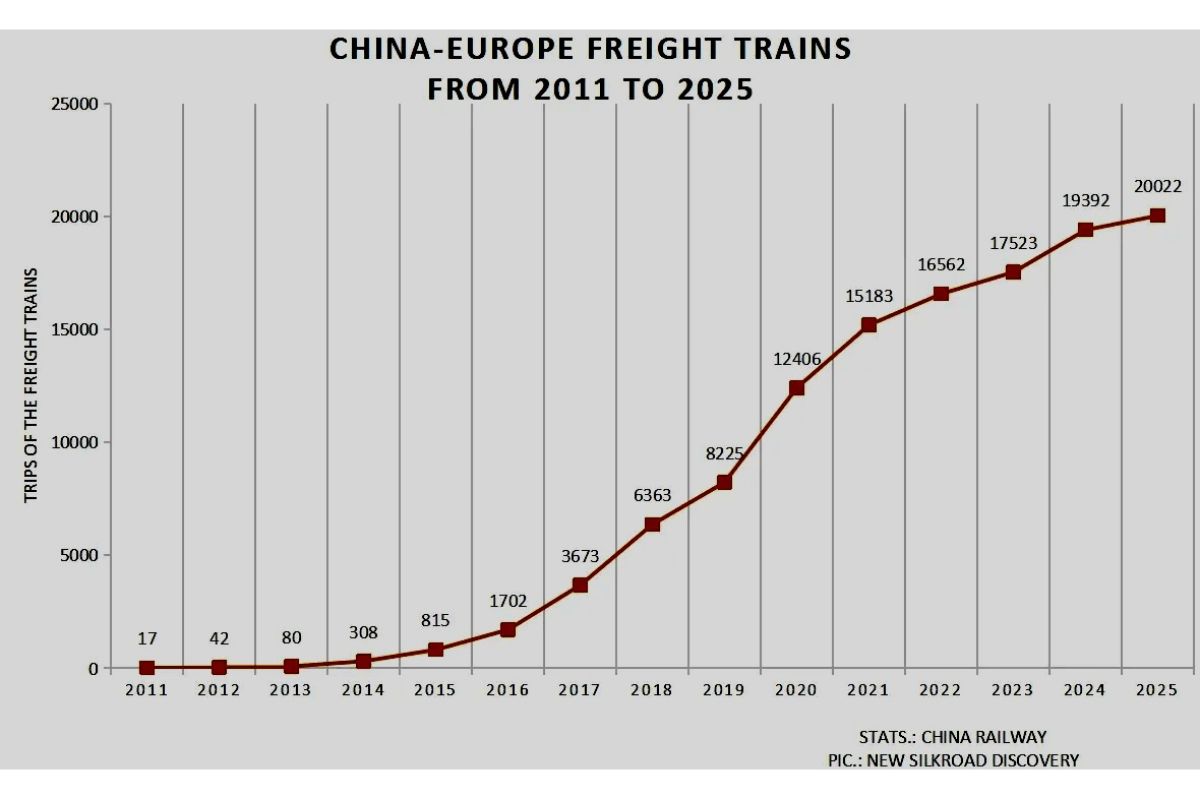
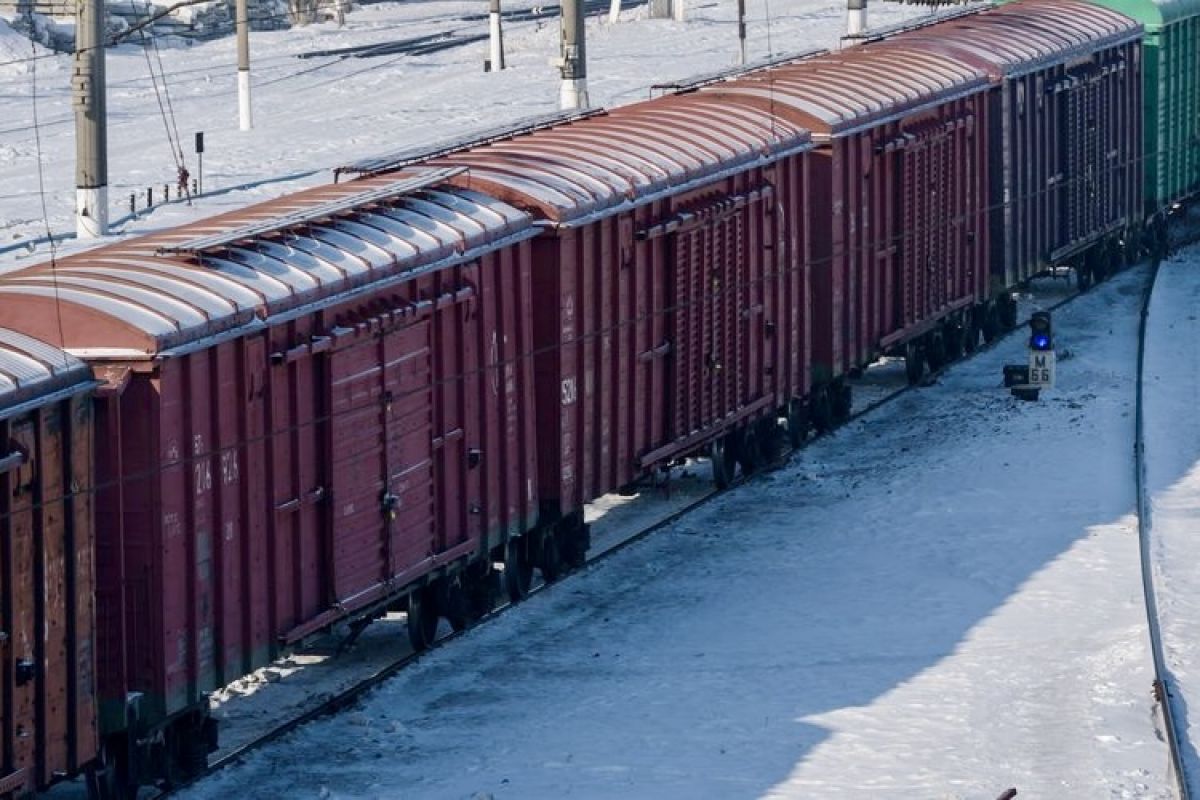
China–Europe freight train services operated 20,022 trips in 2025, up 3.2% year on year, while return services outnumbered outbound trains for the first time in recent years.
A new direct rail connection between Parma and Sweden has launched this week, offering a fixed weekly schedule and three-day transit time between Italy and Örebro.
Rail and intermodal decision-makers will gather in Wisła from 4–6 March 2026 for the 15th International Railway and Intermodal Congress.
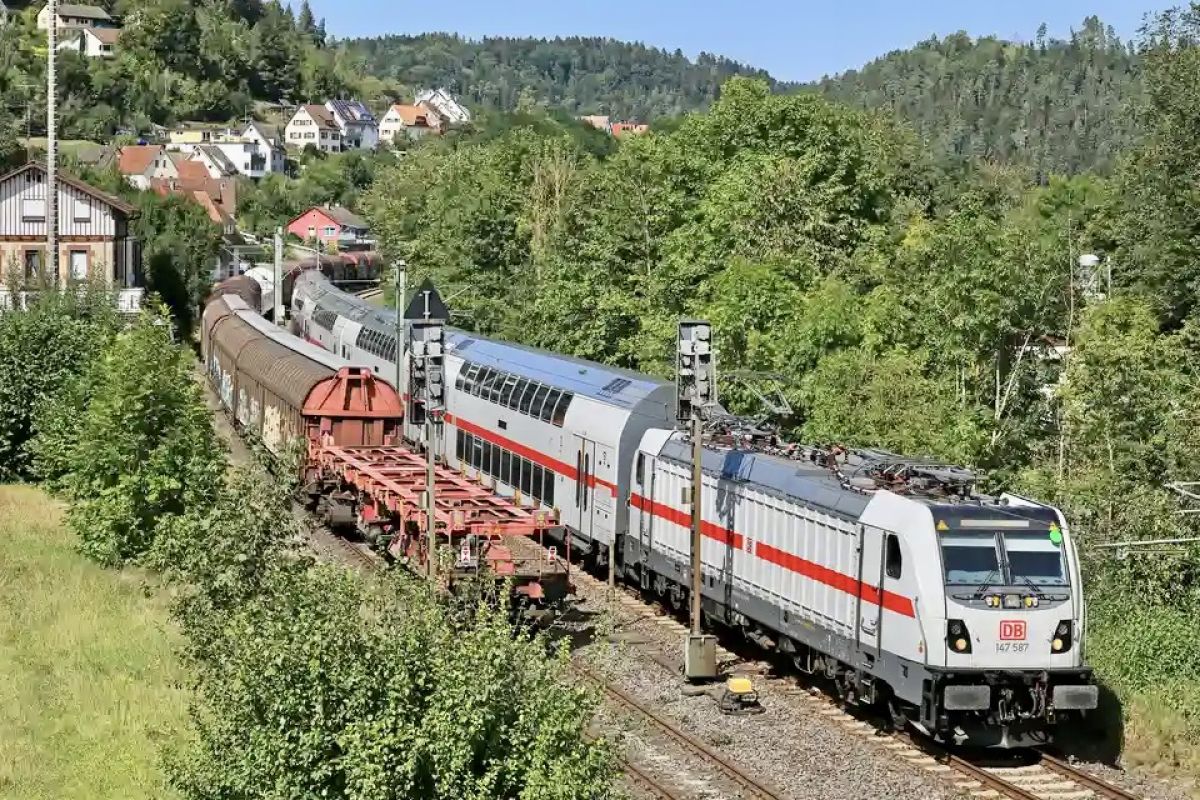
DB and SBB report a significant improvement in punctuality on the Stuttgart–Zurich IC route and will extend the current operating concept until December 2026.
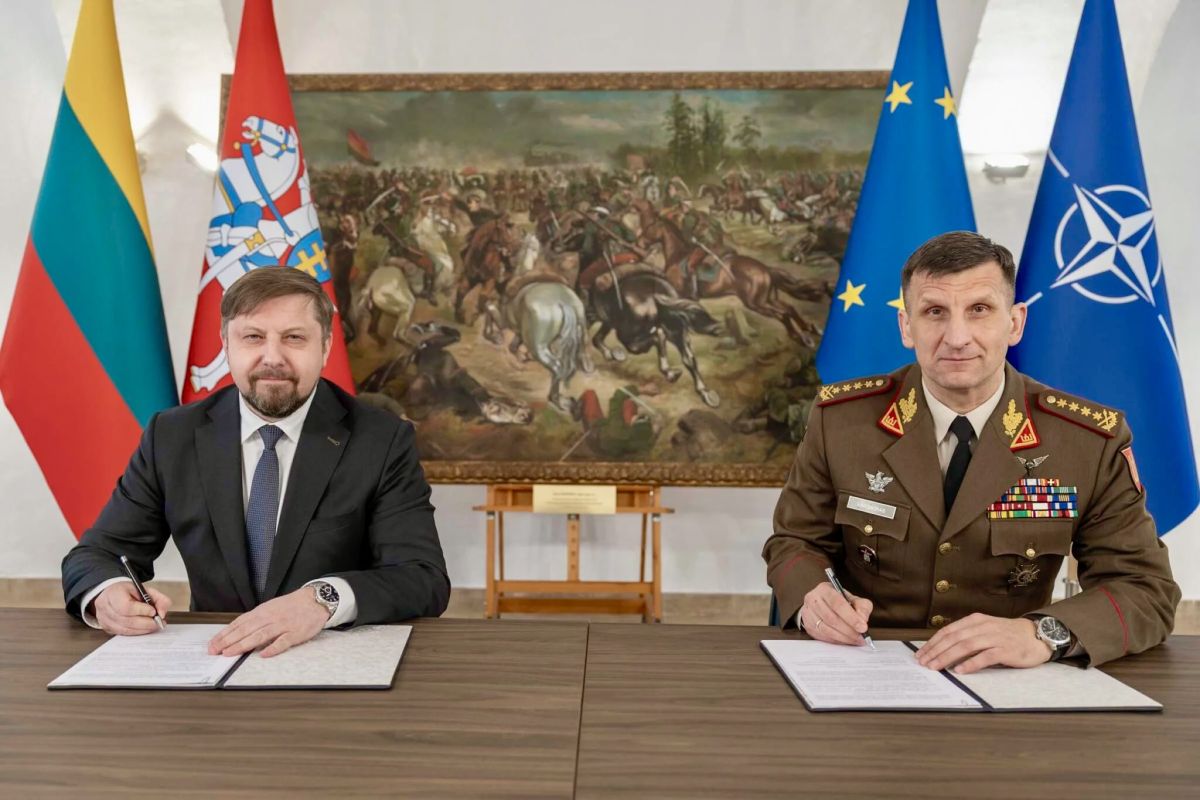
The Lithuanian Armed Forces and LTG Group have signed a cooperation agreement to strengthen military mobility, logistics and national resilience, with a focus on NATO interoperability and crisis preparedness.
Streem and its subsidiary Ermewa have announced key management changes, combining continuity with strategic repositioning as European rail freight faces structural and regulatory challenges.
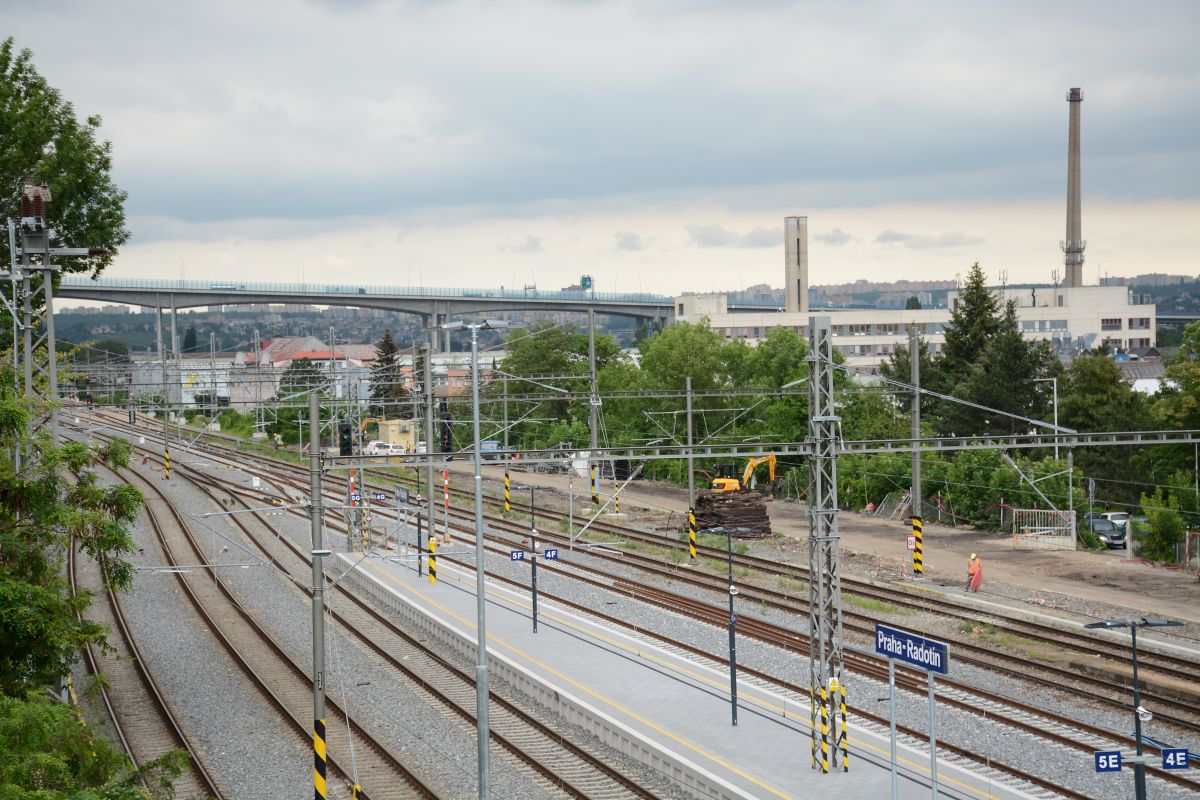
Správa železnic (SŽ) has unveiled the first phase of an internal reform programme aimed at reducing bureaucracy, widening access to tenders and delivering annual savings of more than CZK 335 million (€13.4 million).
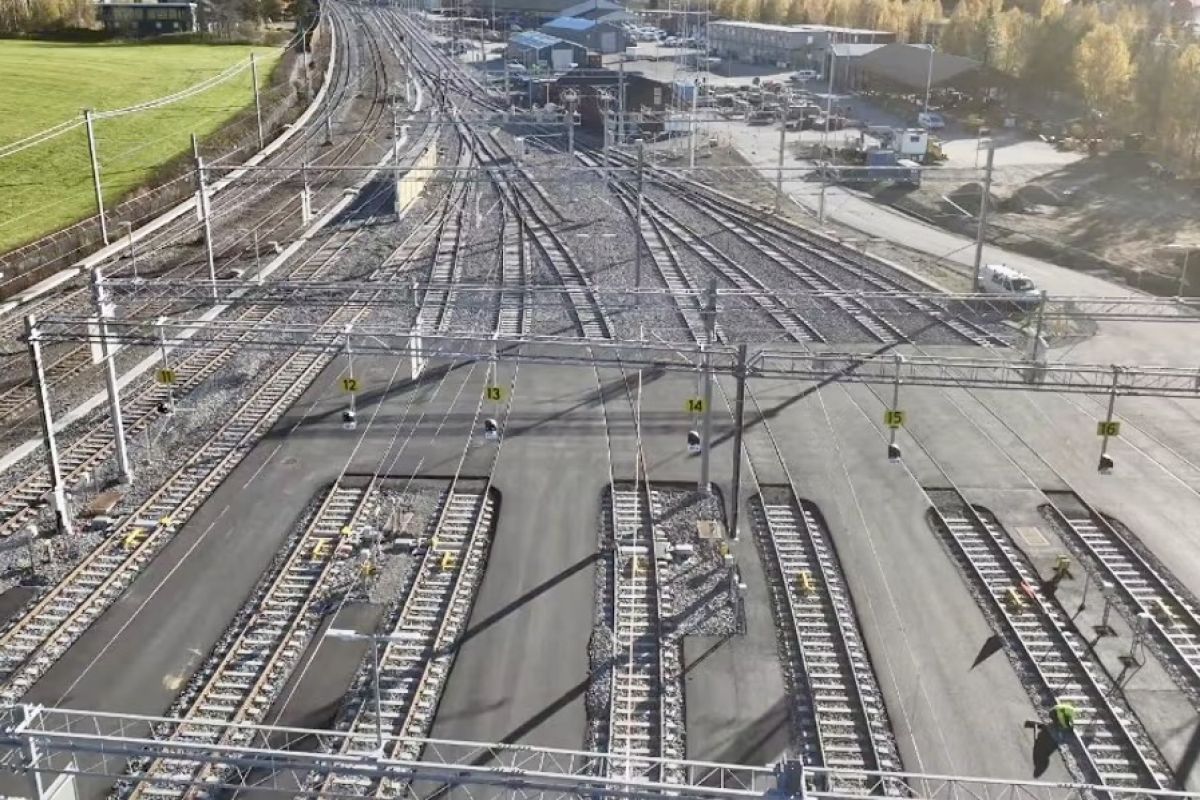
Hitachi Rail and Bane NOR have commissioned a new electronic interlocking system in Hove, strengthening digital traffic control on Norway’s Dovre Line.
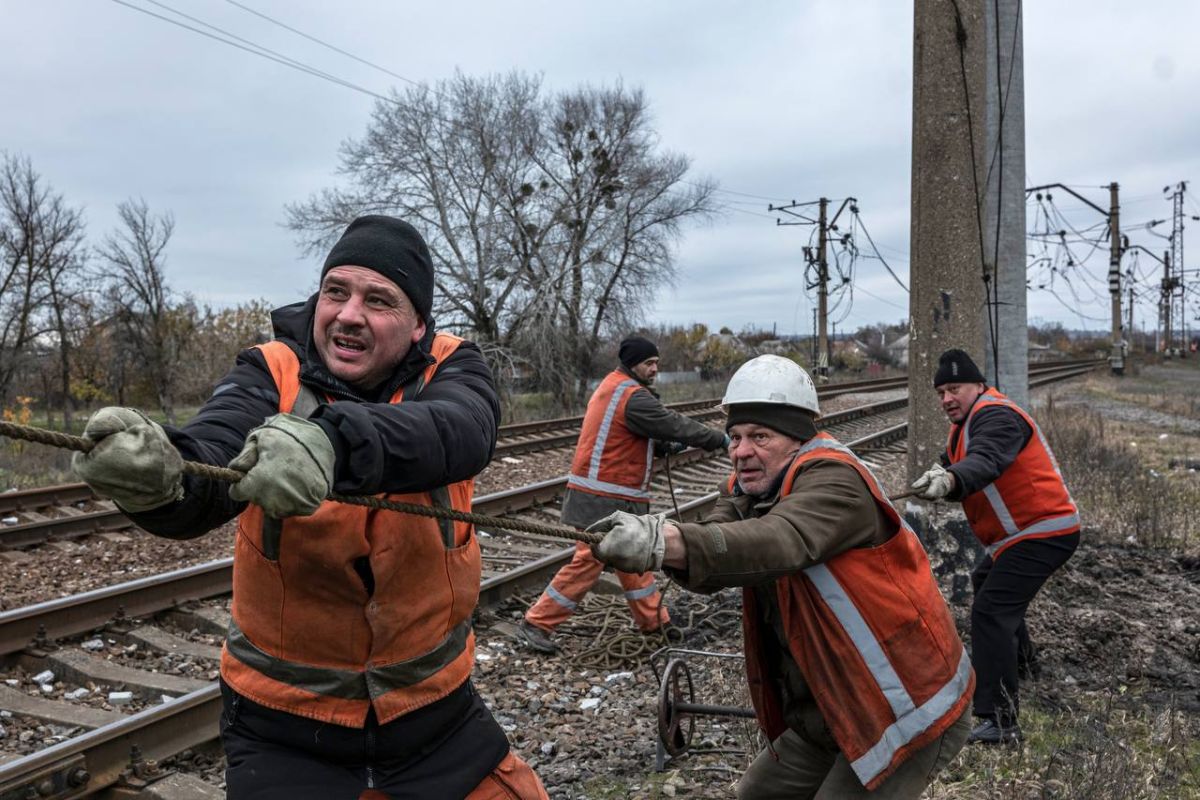
Vienna Central Station is hosting "Iron People", a photo exhibition documenting the resilience of Ukrainian railway workers during four years of war.
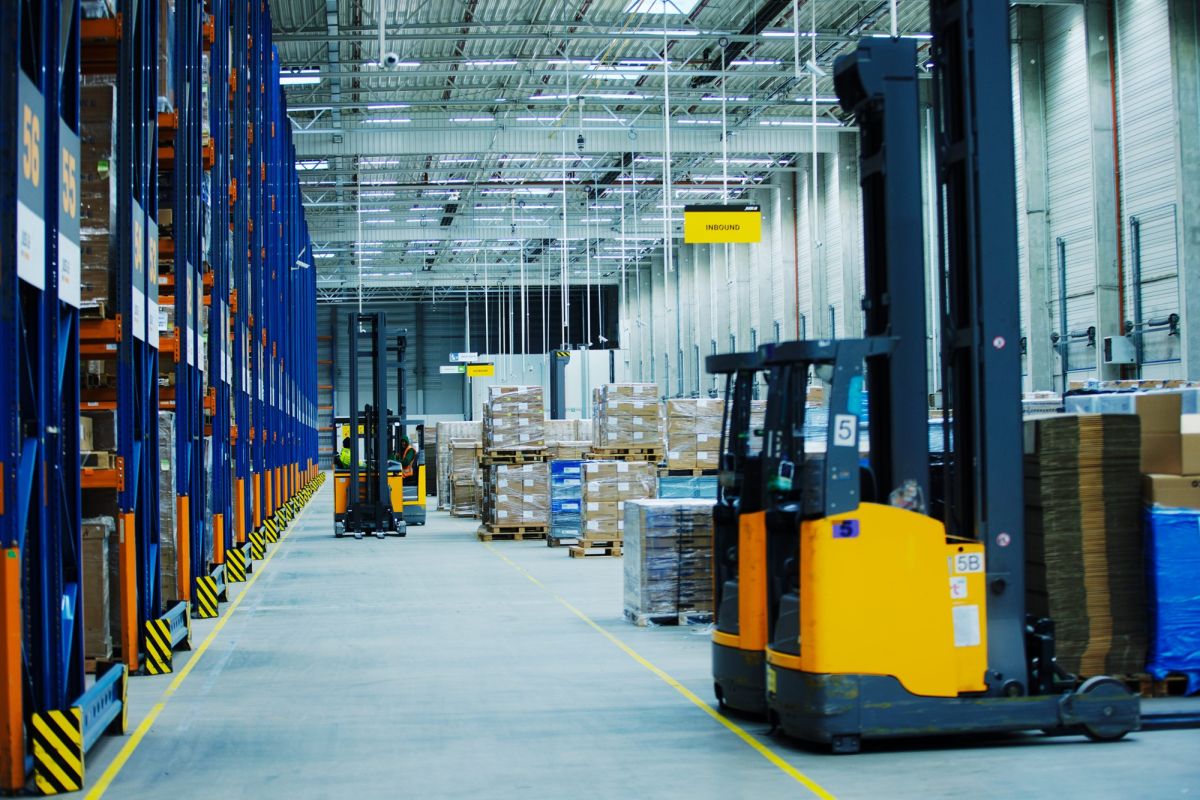
JUSDA Europe has opened a new logistics branch and distribution centre in Serbia, positioning Zrenjanin as a hub for Southeast European supply chains.
Alstom is moving to the next phase of its partnership with Swedish start-up Stilfold, assessing how advanced steel-folding technology can be applied across rail vehicle components.
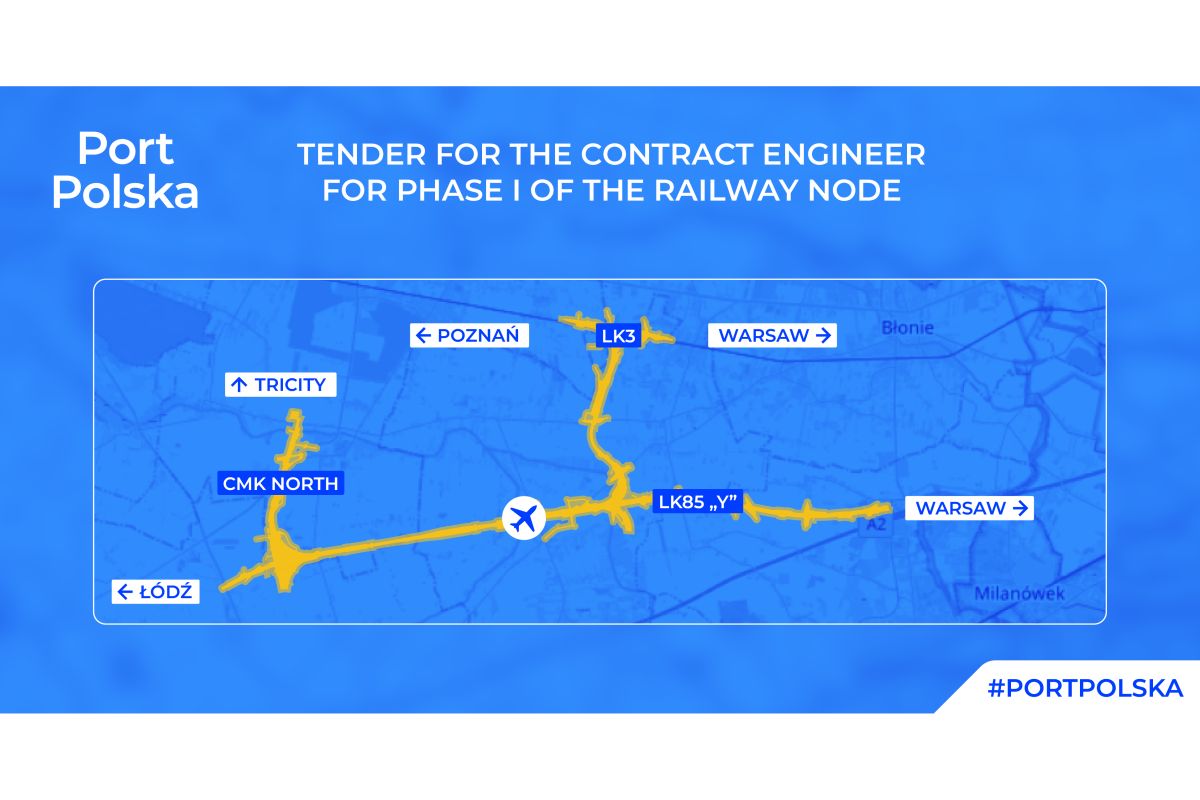
Poland’s Centralny Port Komunikacyjny (CPK) has launched a tender to appoint a contract engineer for the first construction package of the airport-area railway node, part of the Warsaw–Łódź high-speed corridor. Bids are open until 9 March.
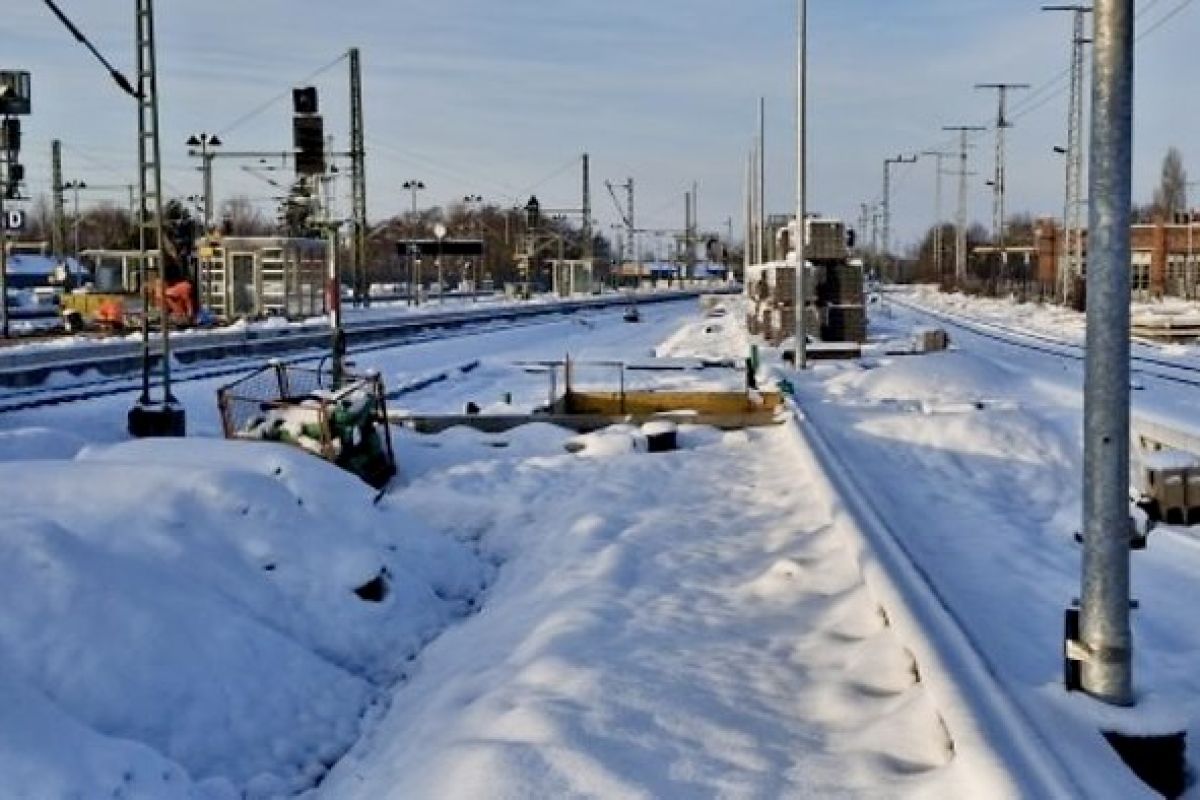
Prolonged frost and heavy snowfall in northern Germany have delayed the reopening of the Hamburg–Berlin railway corridor, forcing DB InfraGO to revise its construction timetable.
Hupac Group has appointed Britta Weber as its new Chief Executive Officer, marking a leadership transition at one of Europe’s key intermodal operators.
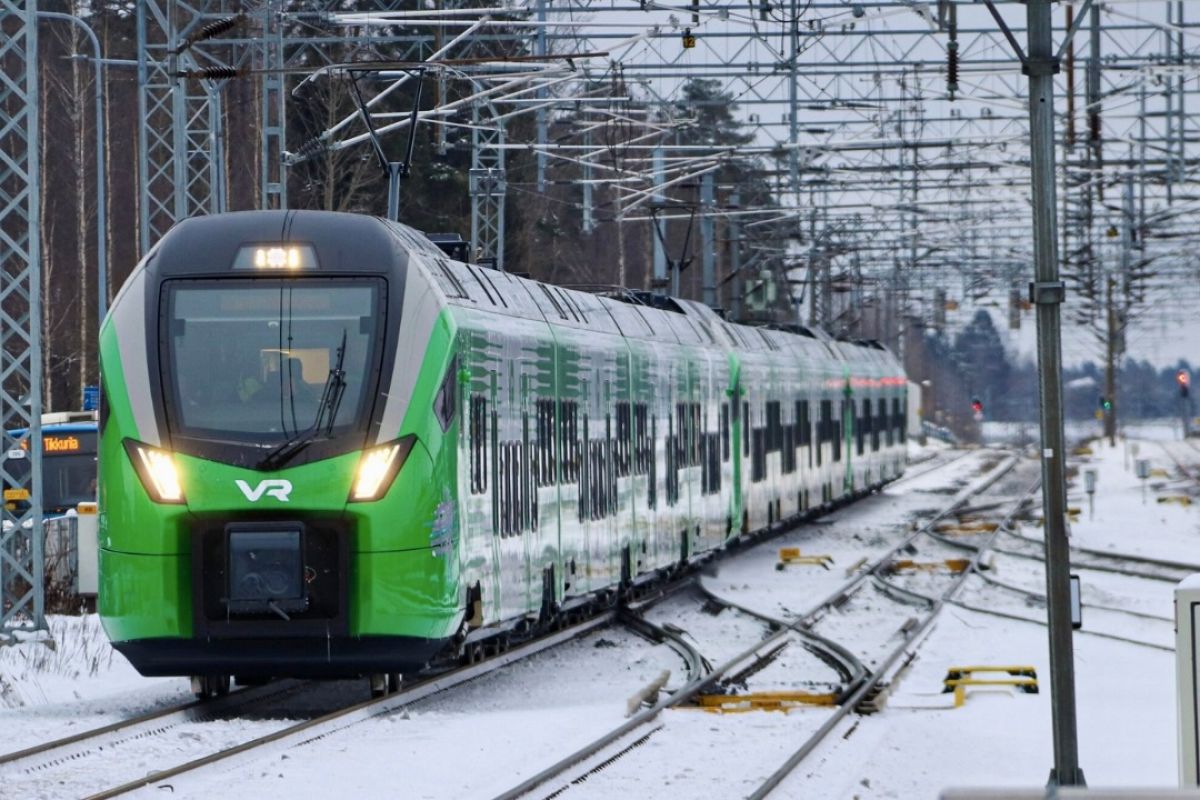
Finnish rail operator VR significantly improved profitability in 2025, with comparable EBIT rising by more than 53% year-on-year, supported by strong long-distance demand and a recovery in rail logistics. Revenue remained broadly stable on a comparable basis despite contract expiries.
Kazakhstan Temir Zholy and Estonian Railways are stepping up cooperation to strengthen freight corridors between Central Asia and Europe, with rail volumes between the two countries more than doubling in 2025.
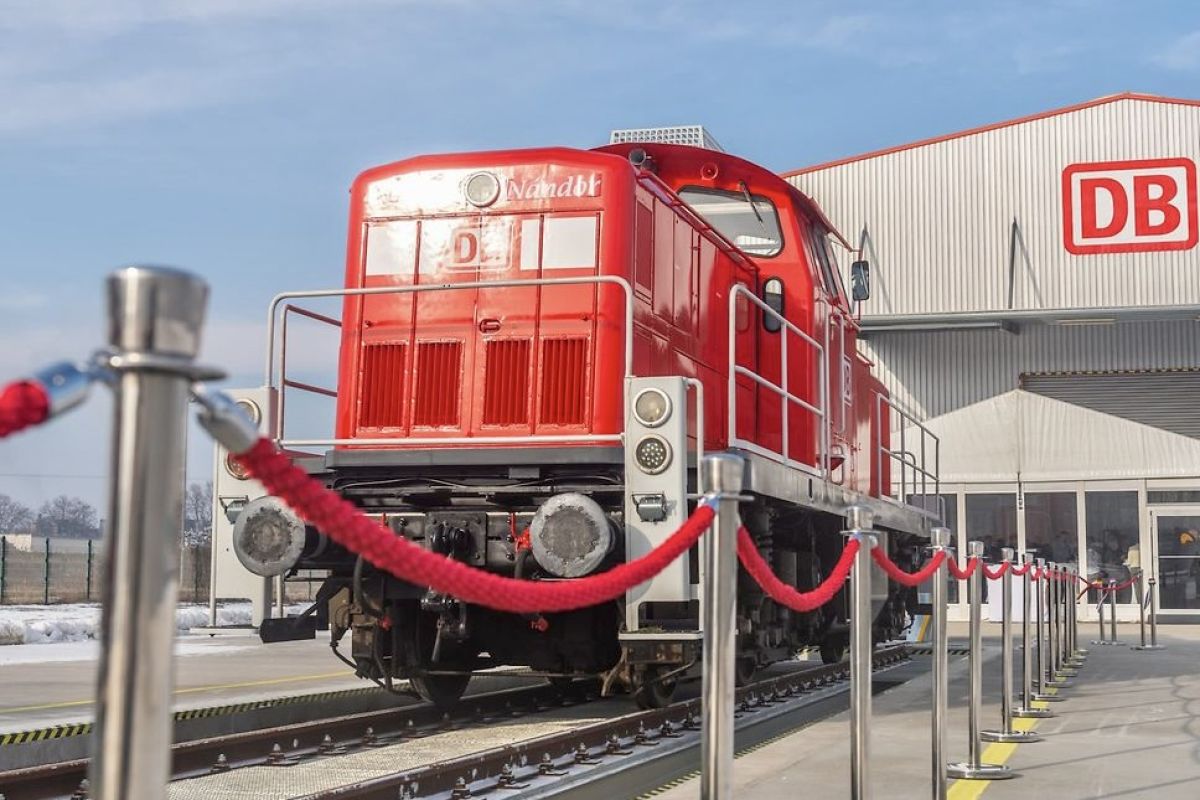
DB Cargo and DB Cargo Hungária have expanded the Győr terminal in western Hungary, increasing maintenance capacity and strengthening support for automotive and industrial freight flows in Central and Eastern Europe.
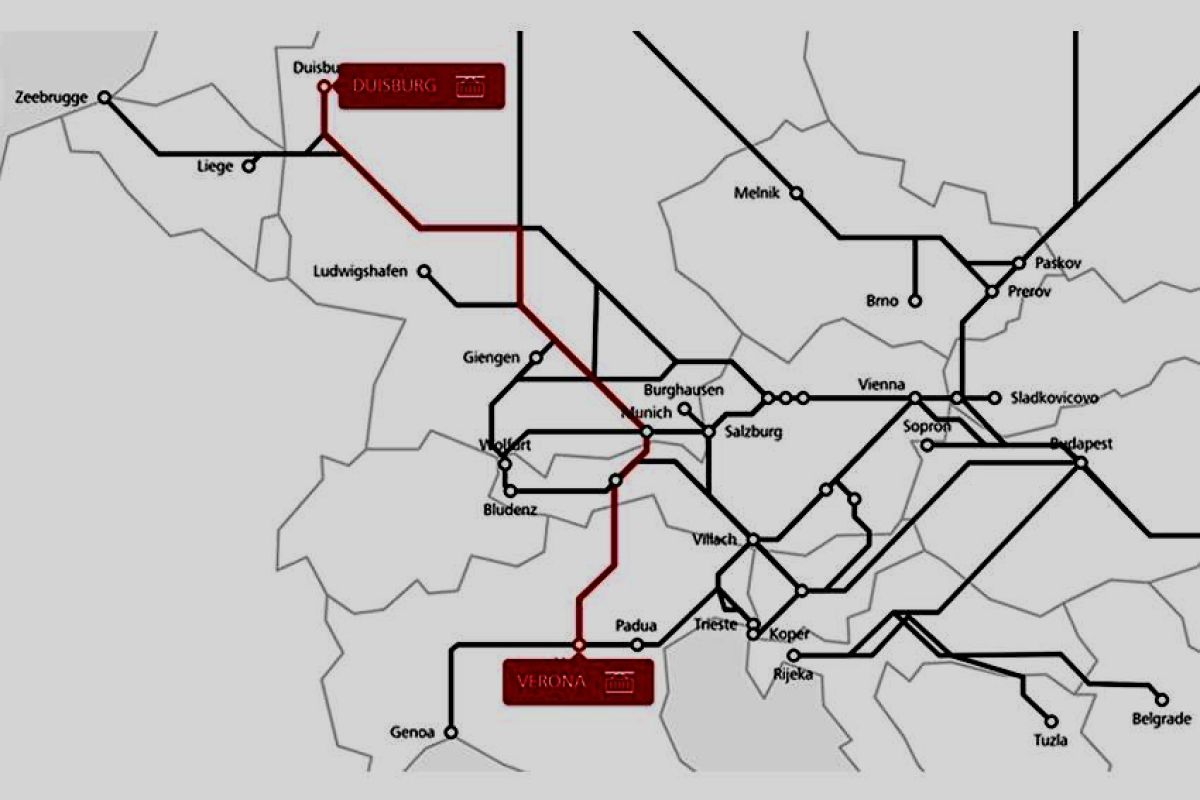
ÖBB Rail Cargo Group relocates its Verona–Germany TransFER from Wuppertal to Duisburg and increases weekly roundtrips from six to ten, strengthening intermodal flows between Italy and Germany.
Polish security services detained a Moldovan national after a handbrake incident on a freight train running between Szczecin and Dorohusk, amid heightened anti-sabotage operations on the rail network.
UIP has raised concerns over the Swiss Federal Office of Transport’s decision to maintain national rail safety measures, despite a jointly agreed European framework.
Deutsche Bahn will equip all customer-facing employees with bodycams from 2026 as part of a nationwide rail safety action plan agreed with federal and state authorities following a fatal attack on a DB employee.
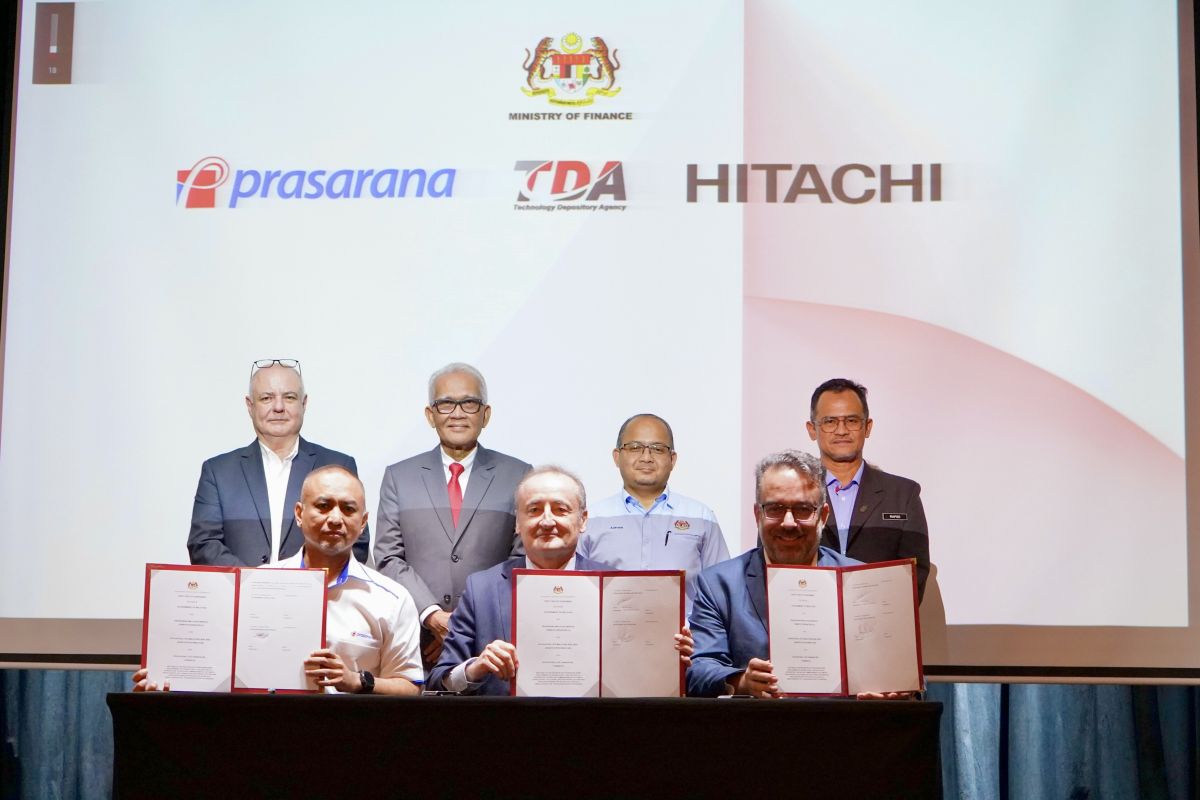
Hitachi Rail and Malaysian operator Prasarana are strengthening their long-term cooperation through a new Industrial Collaboration Program focused on signalling technology, local skills development and localisation in the rail supply chain.
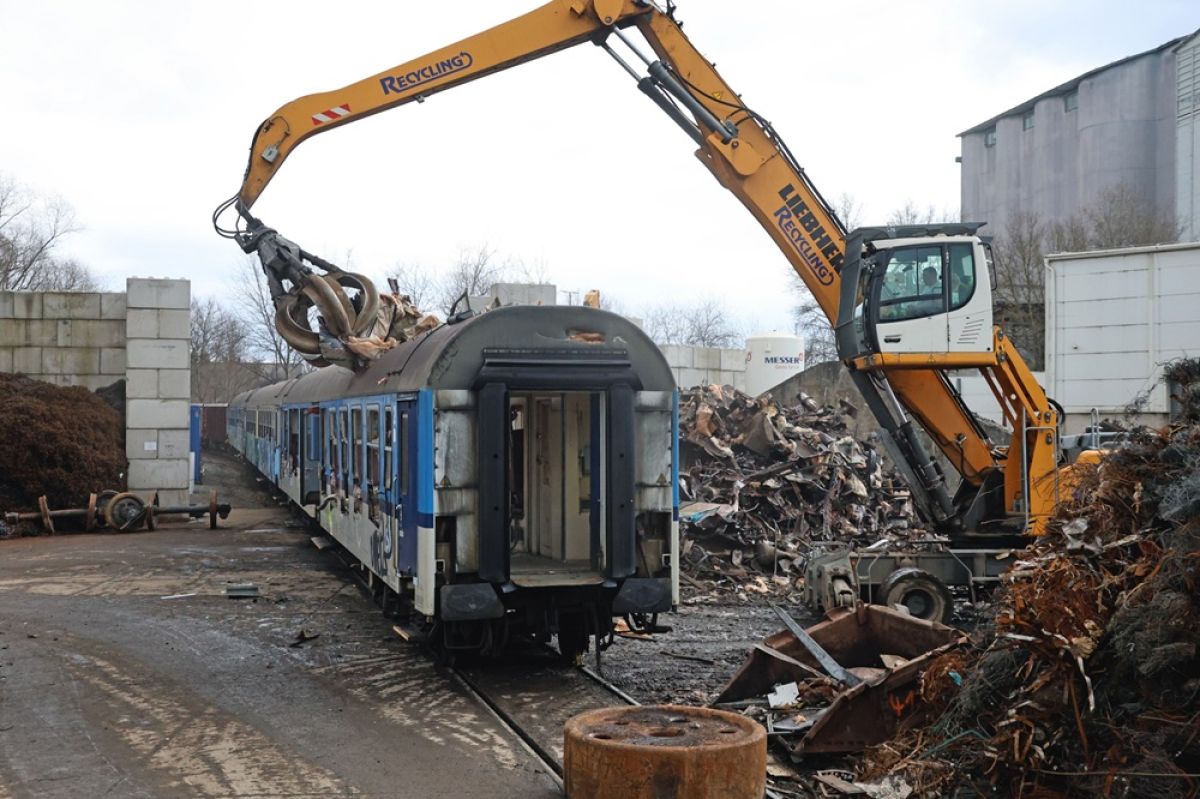
České dráhy is accelerating the phase-out of legacy rolling stock as part of the largest fleet renewal programme in the country’s history, with hundreds of older vehicles being scrapped or sold.
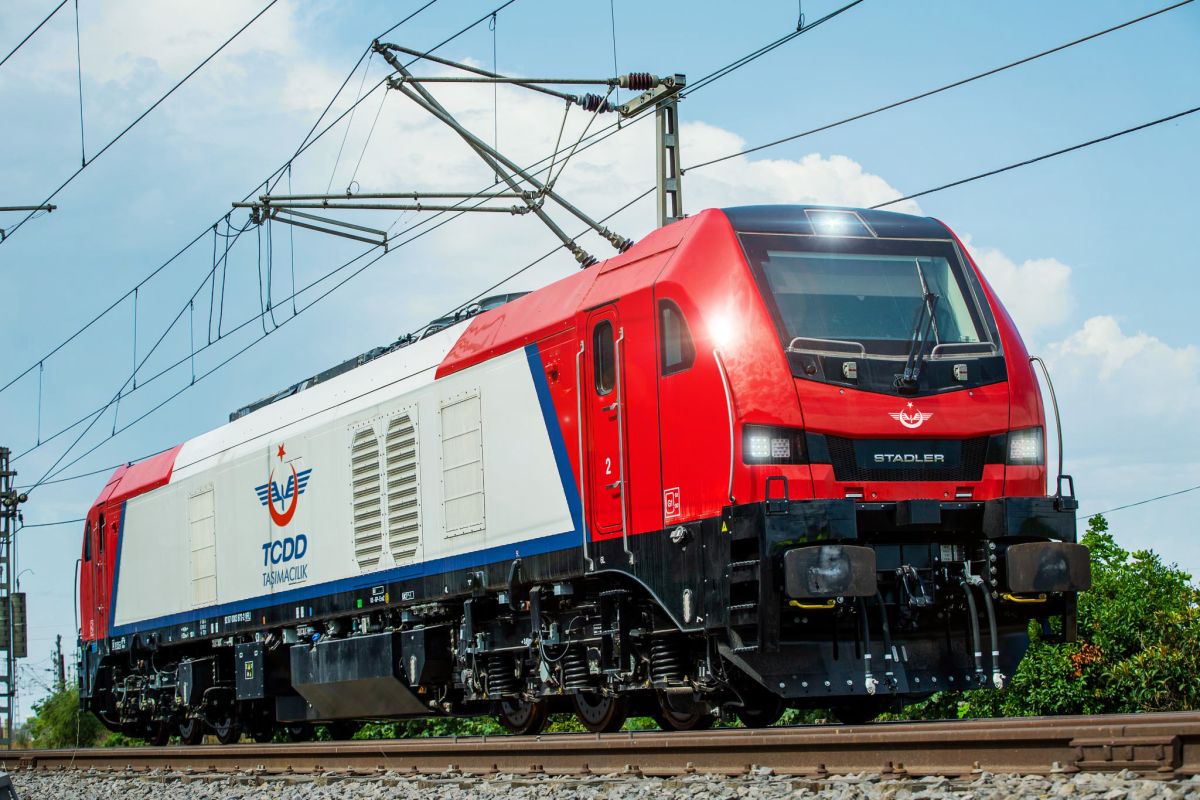
Stadler will supply 35 diesel-electric EURO4001 locomotives to Turkish operator TCDD Taşımacılık, supporting freight capacity and emissions reduction on non-electrified routes.
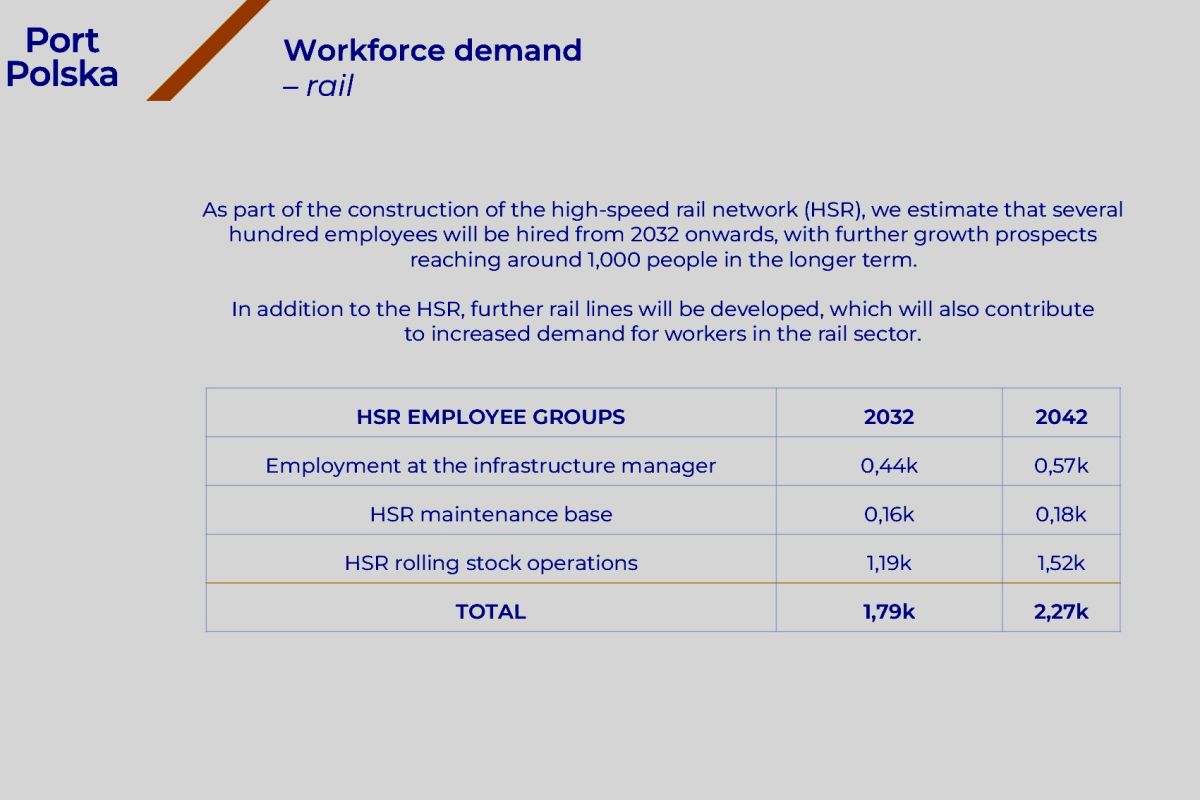
Poland’s Port Polska programme is expected to create thousands of rail jobs alongside the development of a new national airport and high-speed rail network. The project aims to strengthen long-distance rail demand and workforce capacity across Central Europe.
Stadler has nominated two new candidates for election to its Board of Directors at the 2026 Annual General Meeting. The move is part of a planned generational transition aimed at strengthening industrial, mobility and international project expertise at board level.
Suspected sabotage incidents disrupted rail traffic around Bologna, one of Italy’s key rail hubs, causing major delays across high-speed, intercity and regional services. Authorities linked the events to coordinated infrastructure damage on the first full day of the Winter Olympic Games.
DB InfraGO has launched two major corridor renewal programmes in western and southern Germany, covering routes between Hagen–Cologne and Nuremberg–Regensburg. The works are part of Germany’s wider strategy to stabilise heavily used passenger and freight corridors.
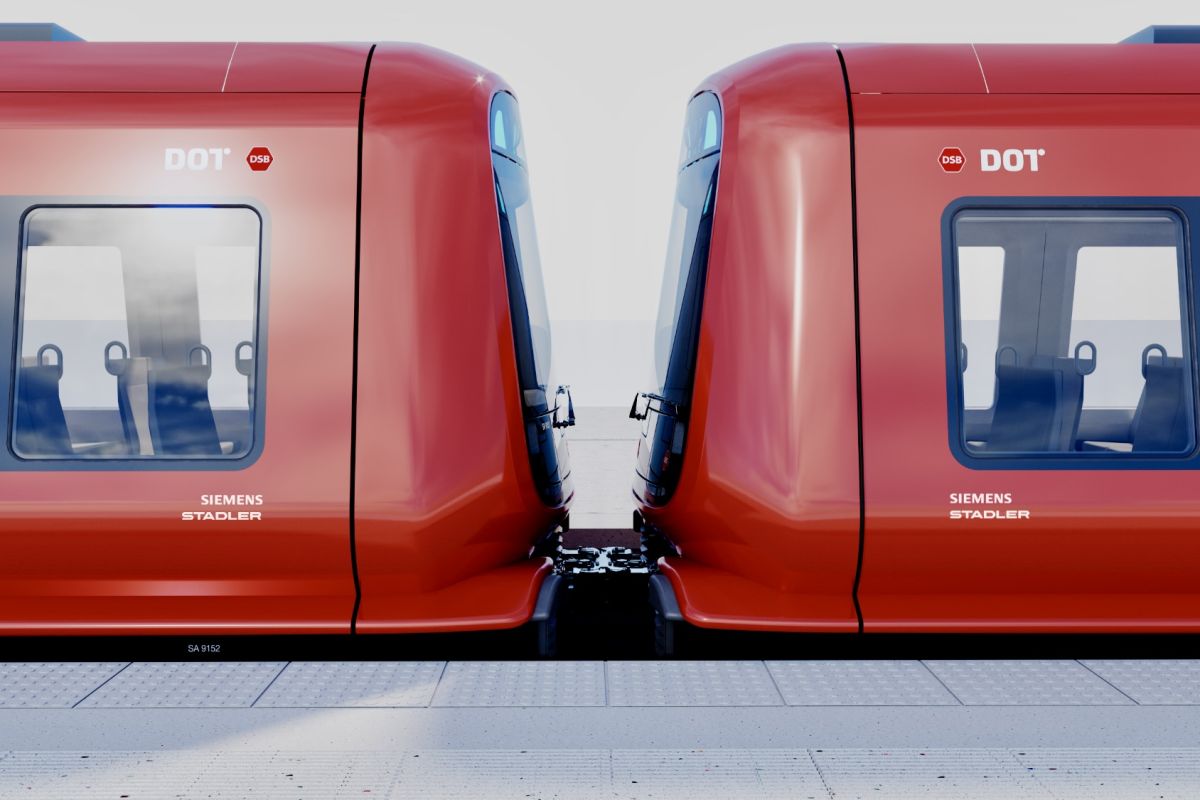
DSB has signed a major framework agreement with Siemens Mobility and Stadler for up to 326 fully automated S-Bahn trains for Copenhagen. The project will support capacity growth and full network automation in the 2030s.
Germany’s railway heritage network DB Museum reported its highest visitor numbers in a decade in 2025. The museum will open a new railway tunnel exhibition in Nuremberg in July 2026.
Apart from the tragic Adamuz accident, Spain is tackling separate infrastructure failures heavily impacting both freight and commuter traffic in Catalonia.
Lithuania’s state-owned rail group LTG Group has appointed Robertas Vyšniauskas as Chair of the Board. The move comes as the company advances major infrastructure and freight-related projects.
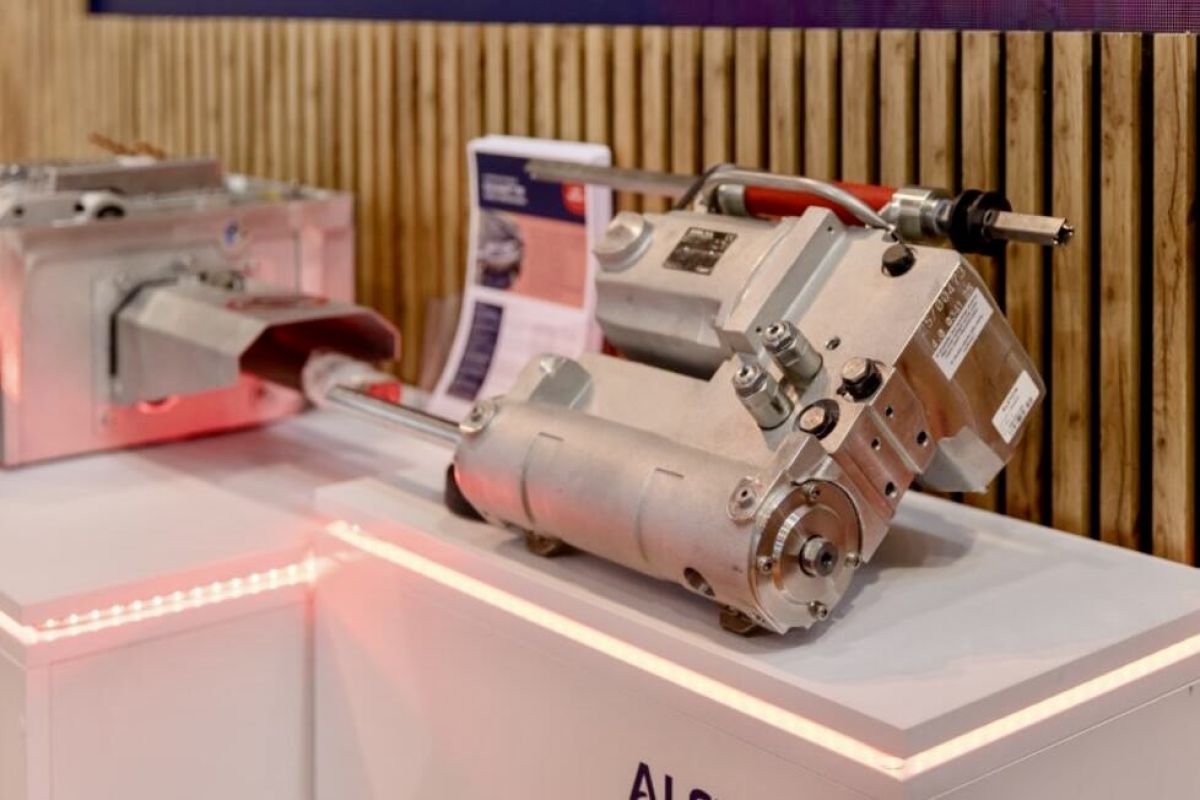
Alstom has signed a four-year agreement with Poland’s infrastructure manager PKP Polskie Linie Kolejowe to maintain and overhaul electric point machines across the national network. The contract covers nearly 3,500 units, with an option for a further 800.
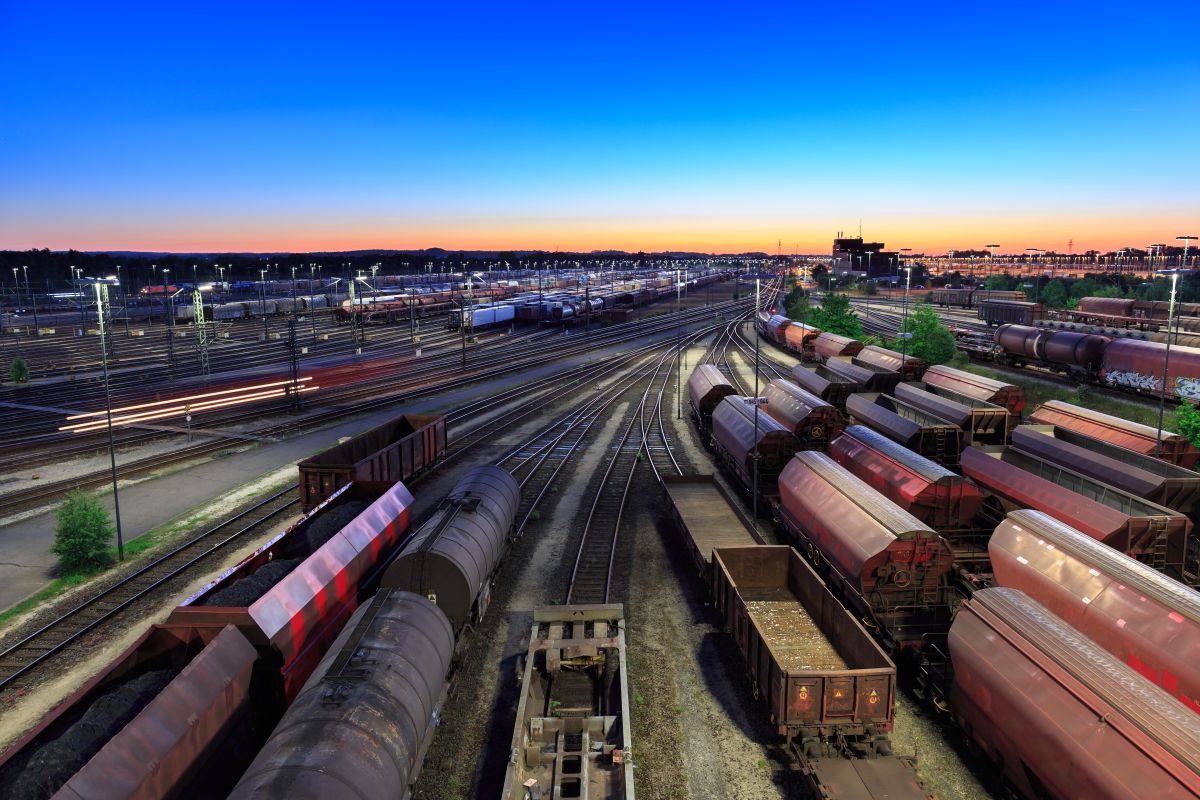
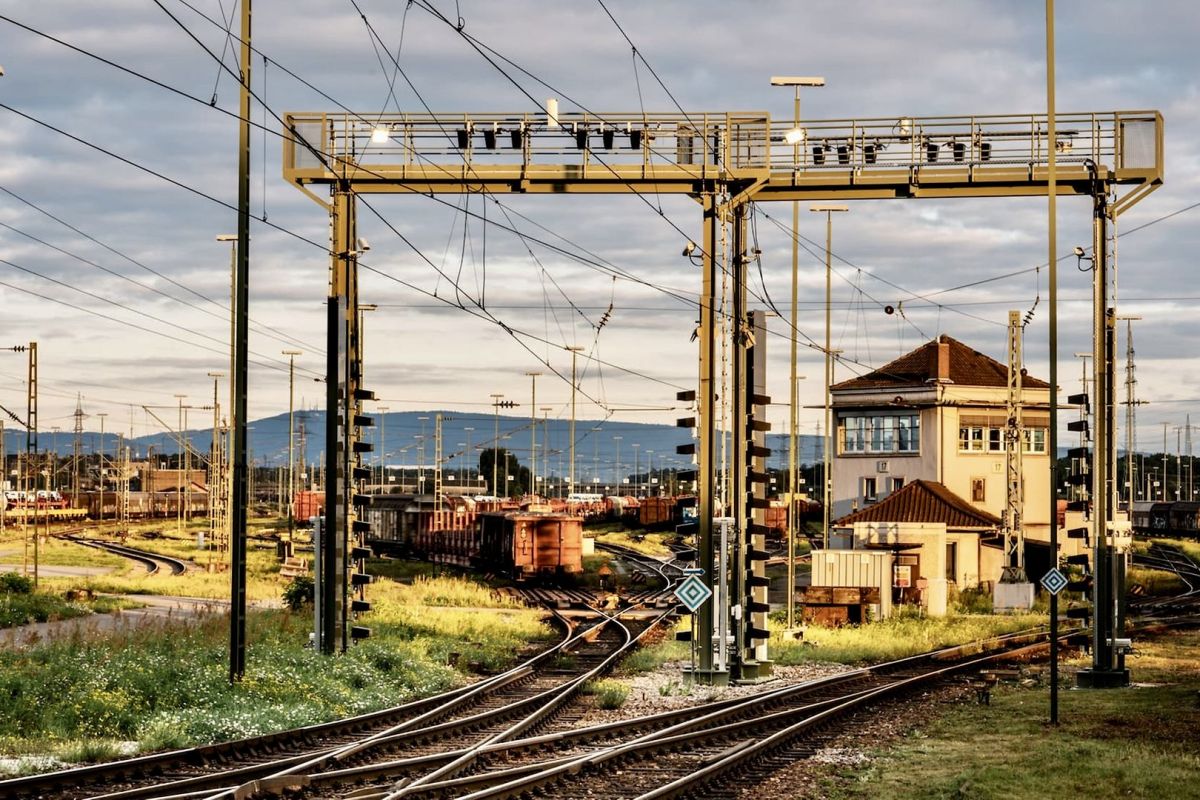
DB Cargo has rolled out artificial intelligence to speed up freight wagon inspections at major marshalling yards in Germany. The system analyses wagons while trains pass through camera gantries, reducing manual checks before departure.
Passenger satisfaction at České dráhy increased again in 2025, driven mainly by fleet modernisation and service improvements. Data from the operator’s mobile app show a steady upward trend in customer ratings.
Streem Group has acquired the tank container fleet of VTG with effect from 1 February 2026. The assets will be managed under the Eurotainer and Raffles Lease brands.
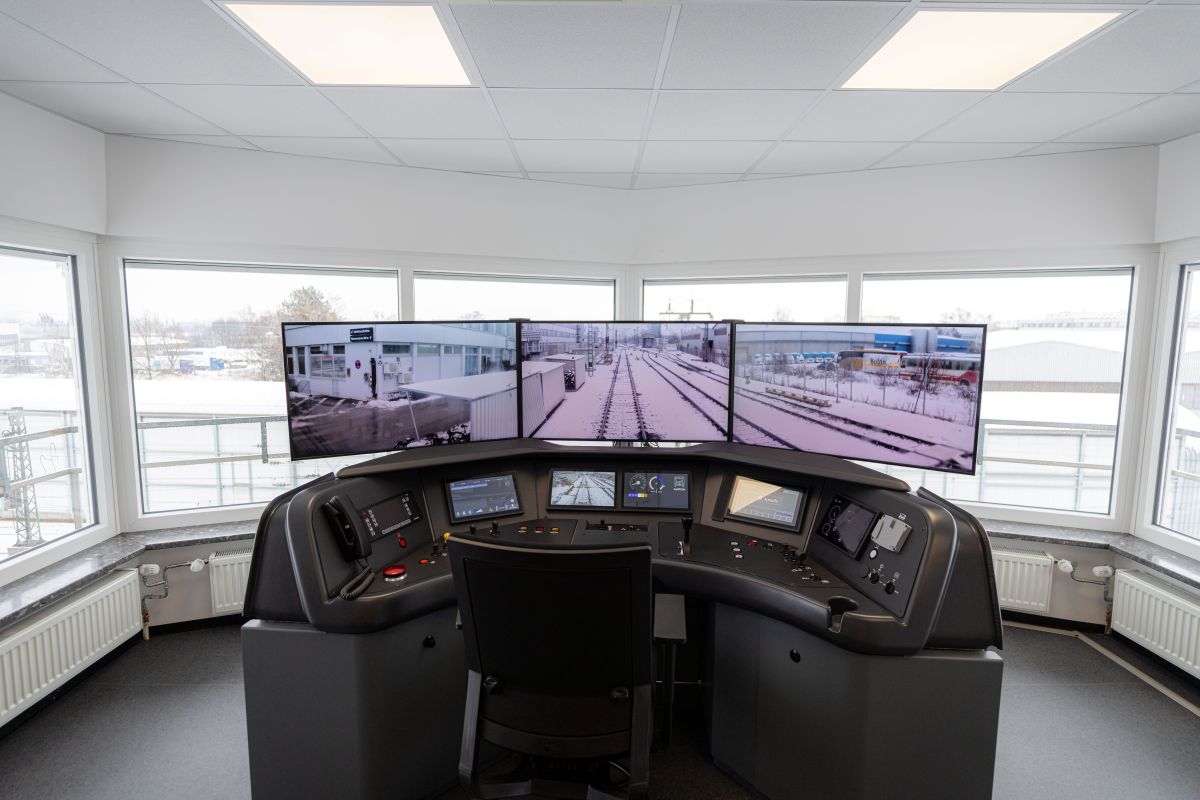
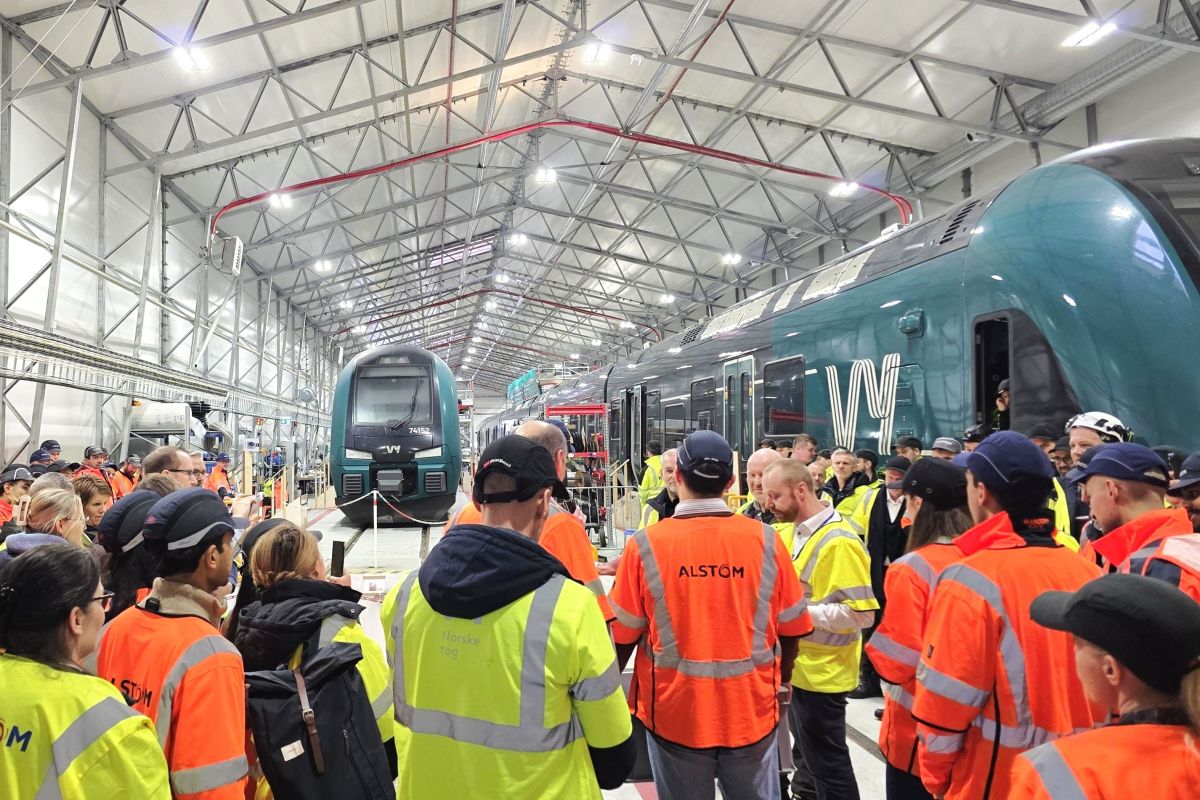
Deutsche Bahn and Alstom have completed a first test of remotely driven commuter trains in a depot environment in Munich. The trial focused on shunting movements controlled from a remote operation centre.
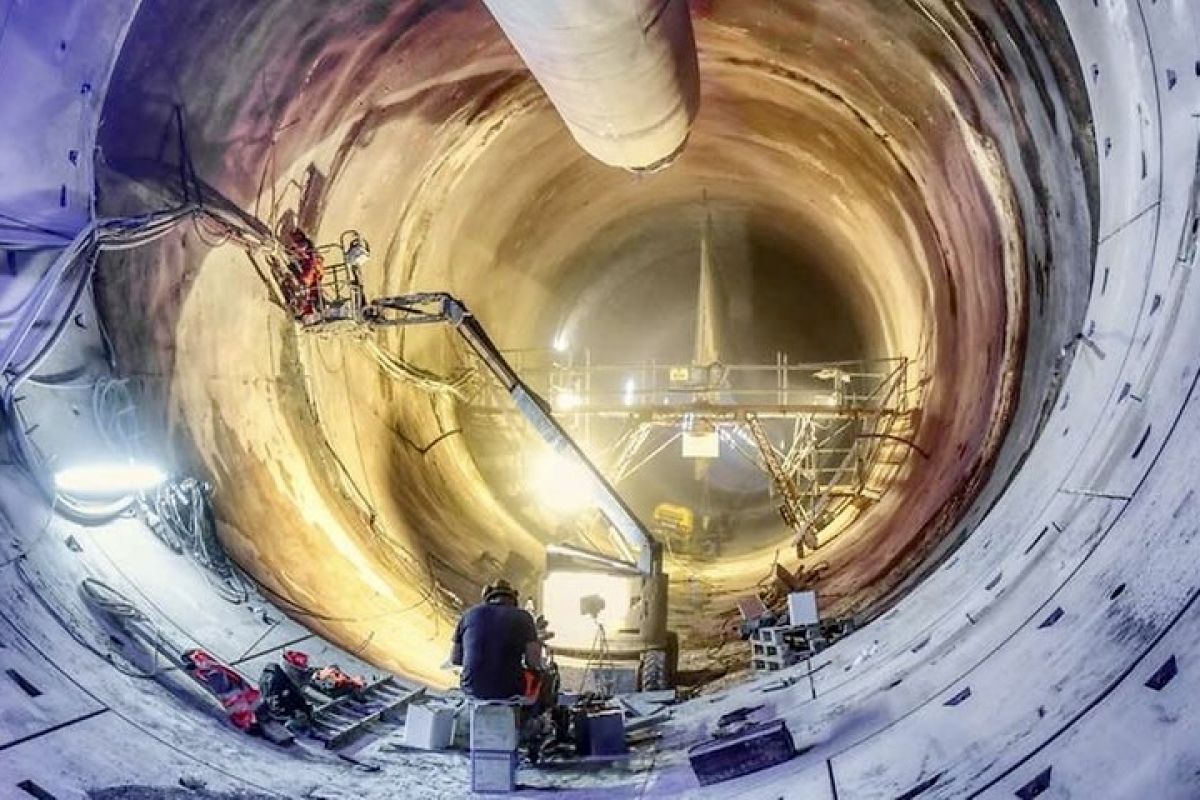
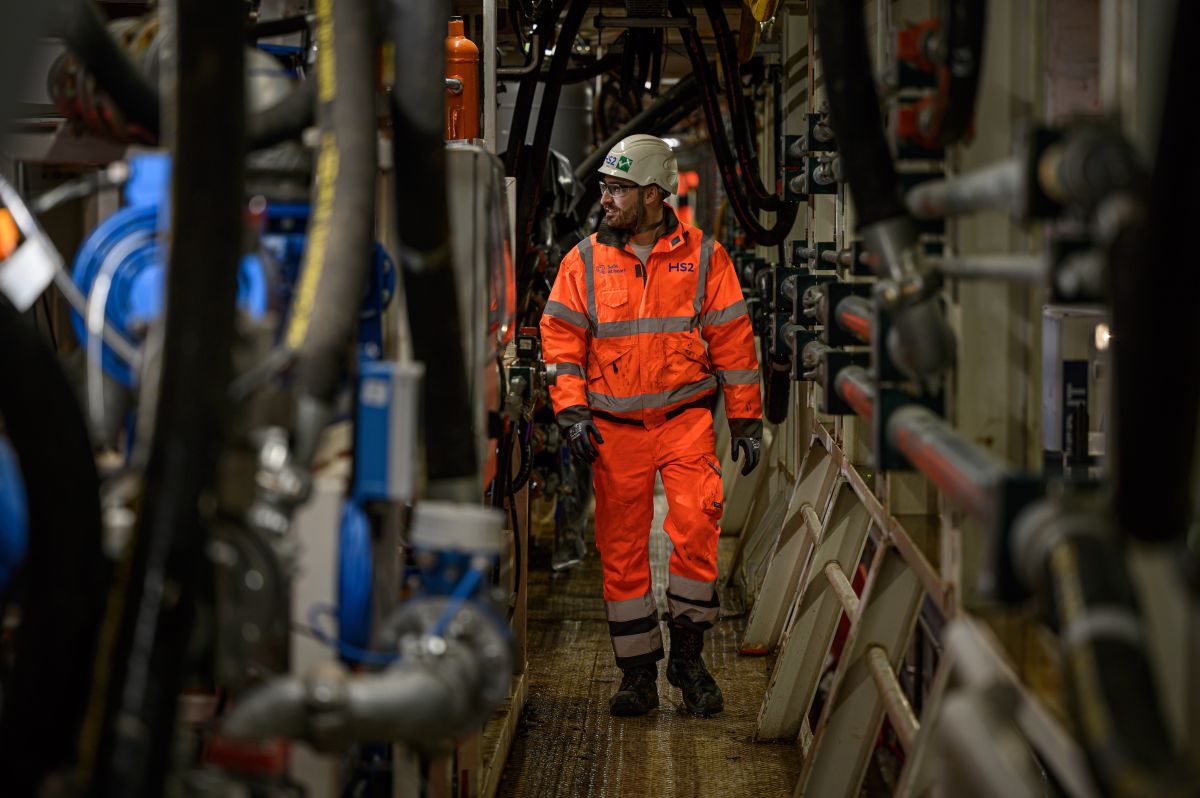
HS2 has begun tunnelling towards central London as the first tunnel boring machine started work on the 4.5-mile Euston Tunnel from Old Oak Common. The tunnel is the final deep-bore section on the high-speed route between London and Birmingham.
Czechia plans to invest a record €2.9 billion in its rail network this year, targeting maintenance, electrification and major capacity projects. The funding is aimed at improving daily operations and accelerating key corridor upgrades.
Polish rail freight operator PKP Cargo has appointed Zbigniew Prus as its new Chief Executive Officer as part of its ongoing restructuring process.
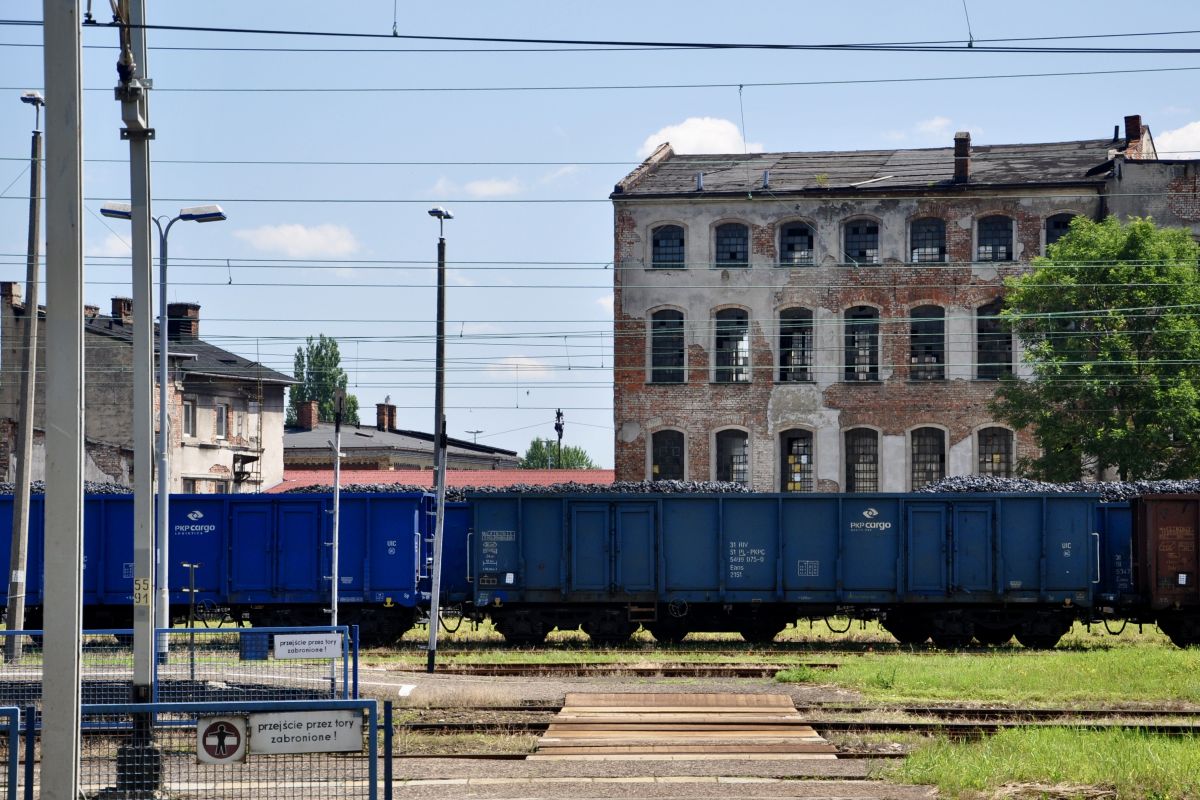
Poland’s rail freight sector recorded its weakest performance in more than a decade in 2025, while passenger traffic reached a 30-year high. New data from the national rail regulator highlight diverging trends between freight and passenger markets.
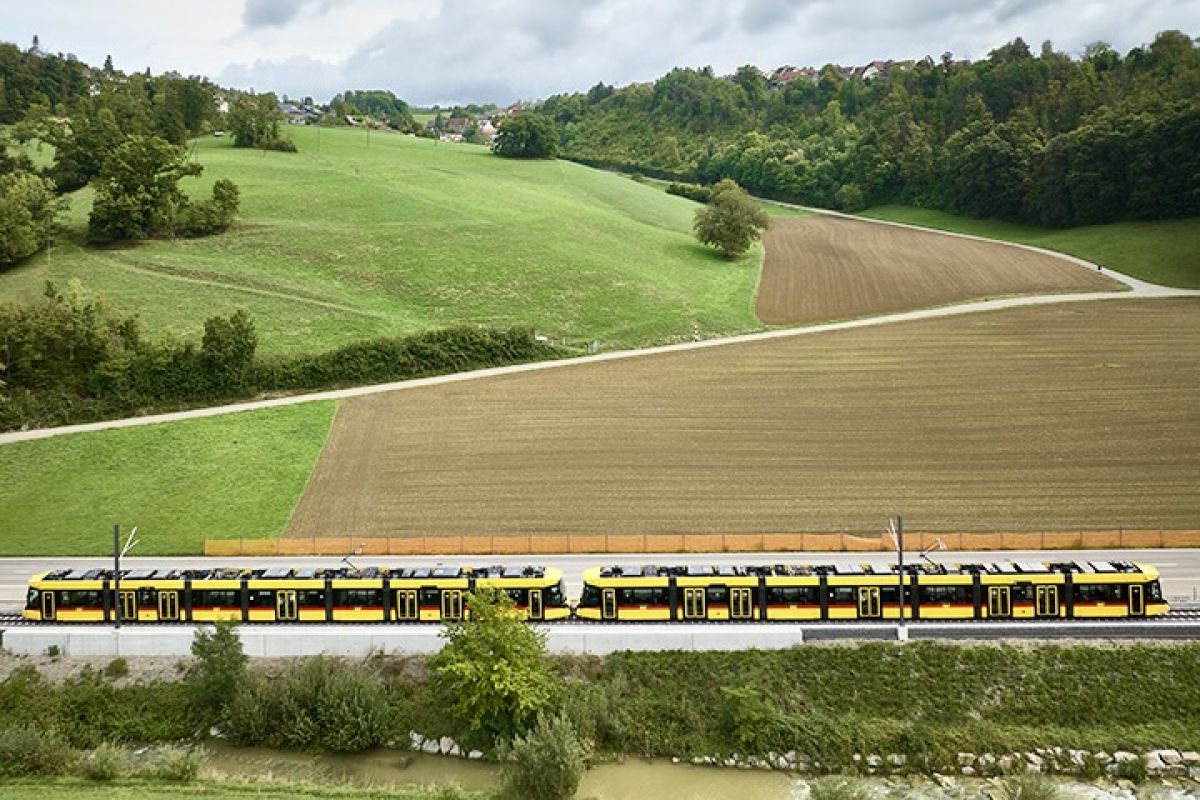
Switzerland has launched its first semi-automated rail operation (GoA2) on the Waldenburg railway line, following approval from the federal transport authority. The system is based on a new digital train control solution supplied by Stadler.
Norway has reached a milestone in its nationwide ERTMS rollout with the upgrade of the 100th train to digital signalling. The programme is part of a broader plan to equip more than 350 vehicles across the national fleet.
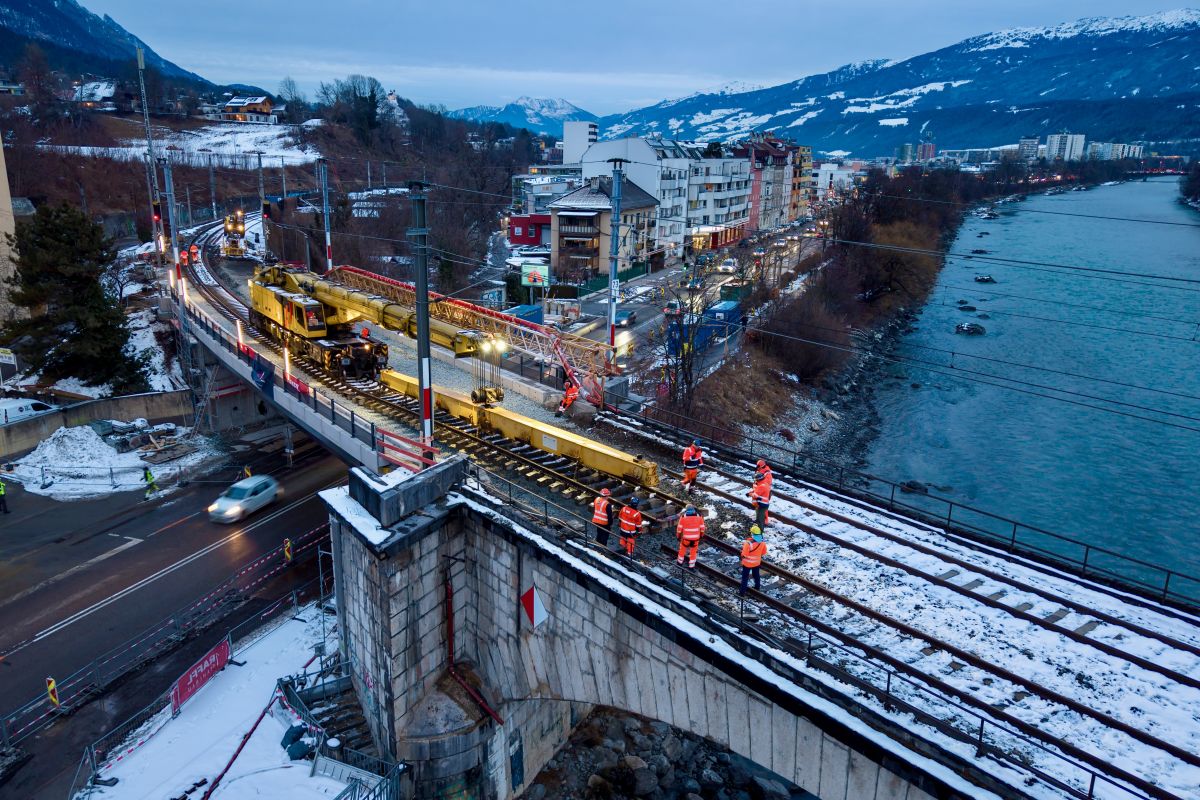
Rail traffic has resumed on one of Austria’s busiest rail sections after ÖBB completed the replacement of the Rauchmühl Bridge near Innsbruck. Around 270 trains per day are returning to the route between Hall in Tirol and Innsbruck main station.
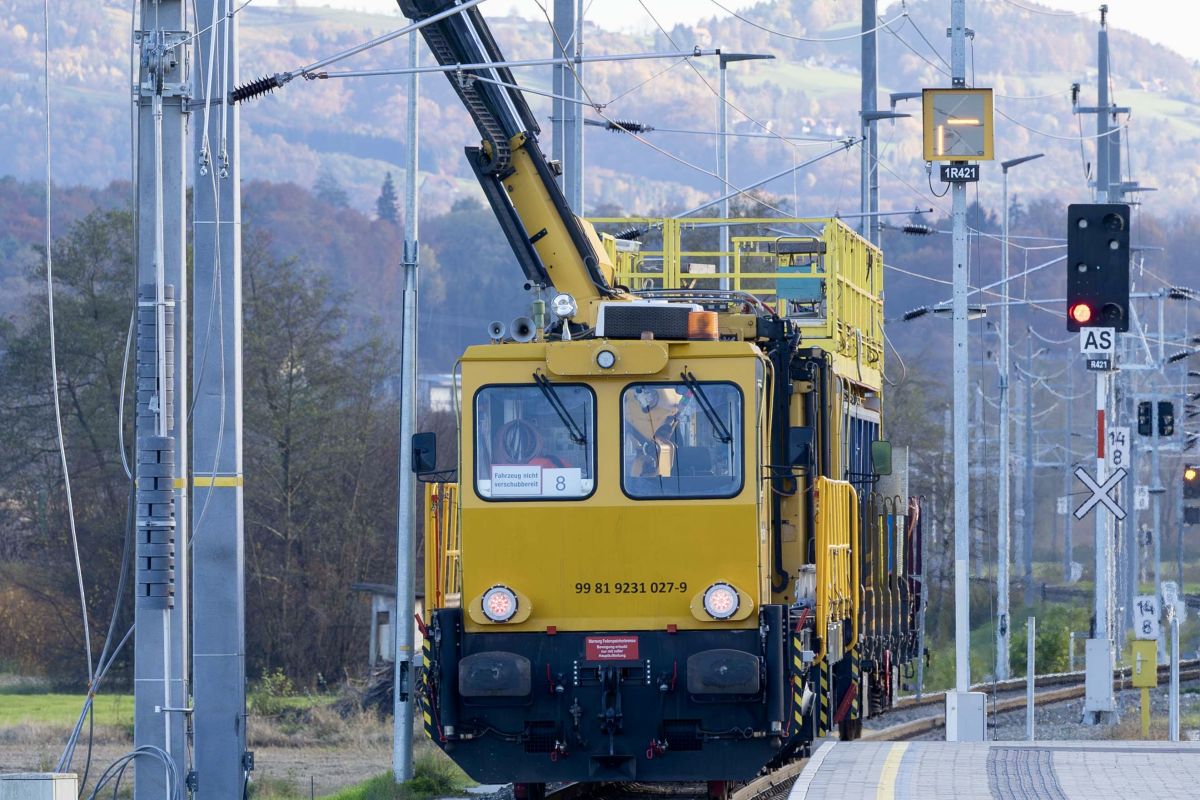
Austria has launched the second phase of the modernisation and electrification of the Styrian West Railway, following completion of the first section in 2025. The 91 km route between Graz and Köflach and towards Wies-Eibiswald is to be fully electrified by 2033.
Alstom has opened a new welding and fitter training centre at its Mátranovák site in Hungary to support production of railway bogie frames. The facility is aimed at securing skilled labour for rail manufacturing and improving production quality.
European combined transport association UIRR says insufficient terminal capacity remains a major barrier to shifting freight from road to rail. The assessment follows a new European Commission study and the updated TEN-T Regulation on multimodal terminals.
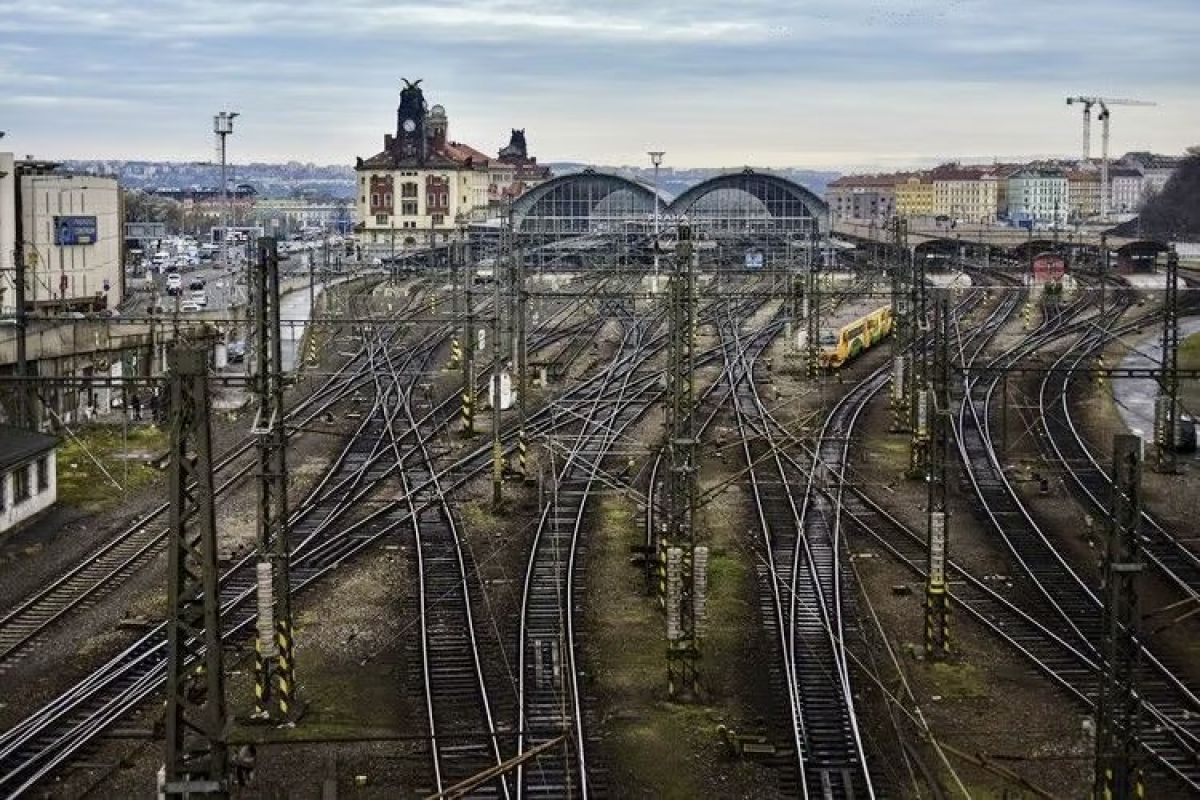
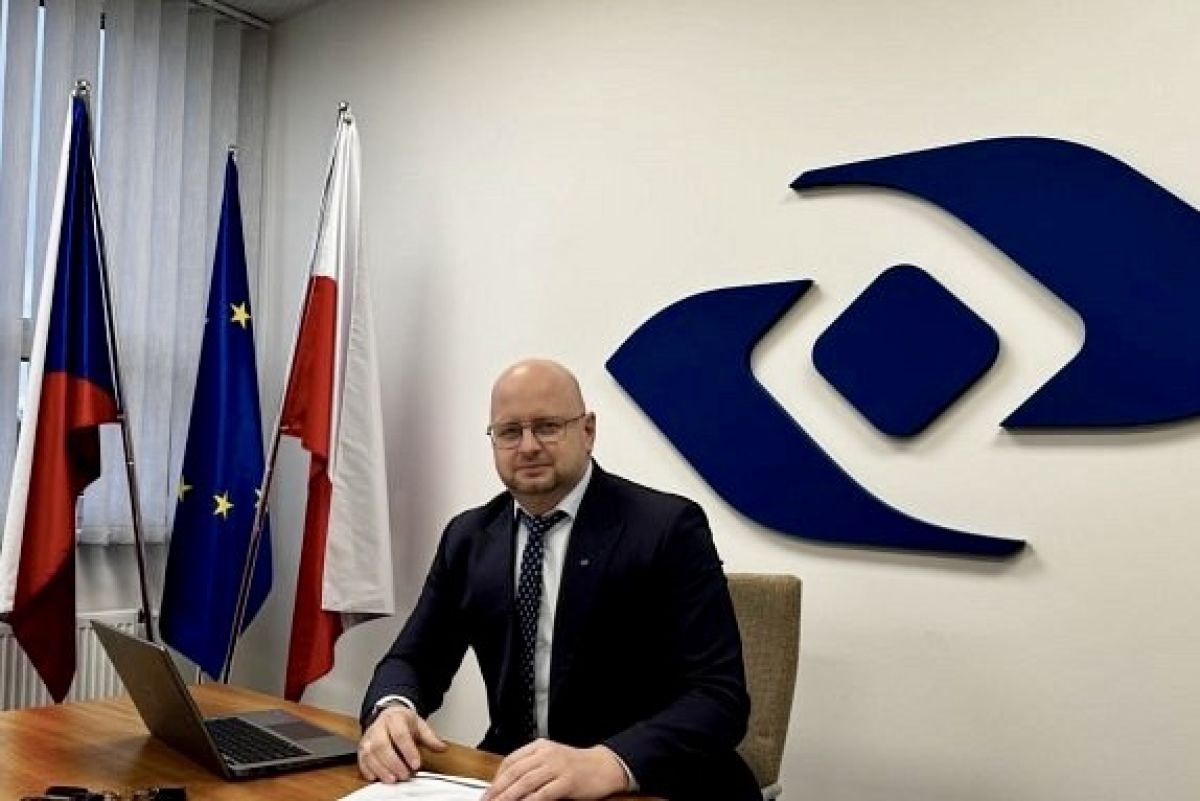
Czech investor Jaroslav Strnad and J&T investment group are close to acquiring a blocking stake in Polish port operator OT Logistics, according to Czech news website Seznam Zprávy. The move could strengthen rail-linked logistics corridors between the Baltic Sea and Central Europe.
Kazakhstan and China have reviewed rail freight results for 2025 and agreed on further cooperation for 2026, focusing on border operations, digitalisation and infrastructure capacity. The talks took place at Alashankou, the main rail gateway between the two countries.
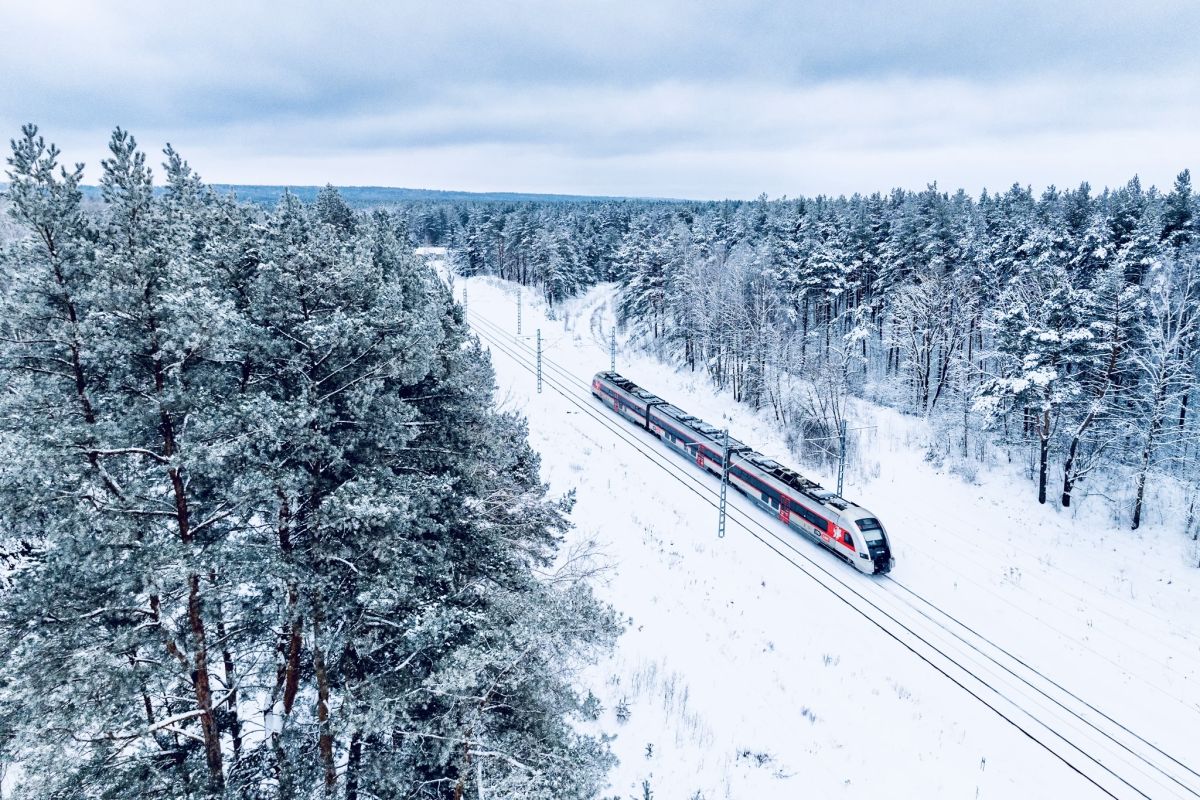
Lithuanian passenger operator LTG Link carried 5.9 million passengers in 2025, up by around 350,000 compared with the previous year. Growth was driven mainly by domestic routes and rising international demand.