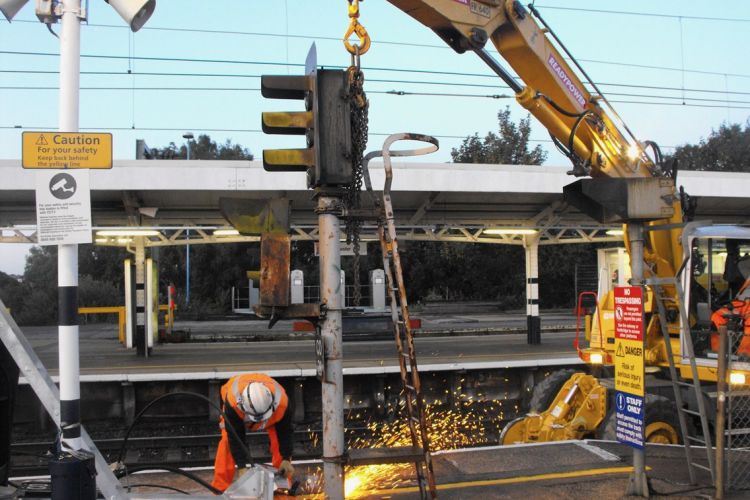
Adif AV starts €214m Murcia-Almería high-speed signalling upgrade
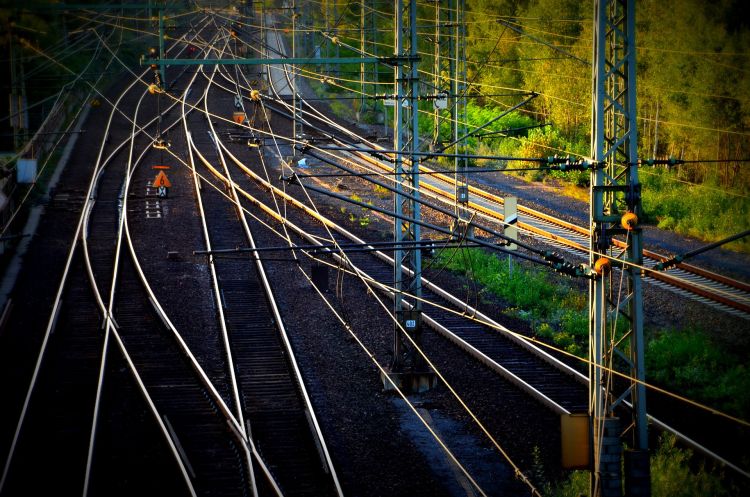
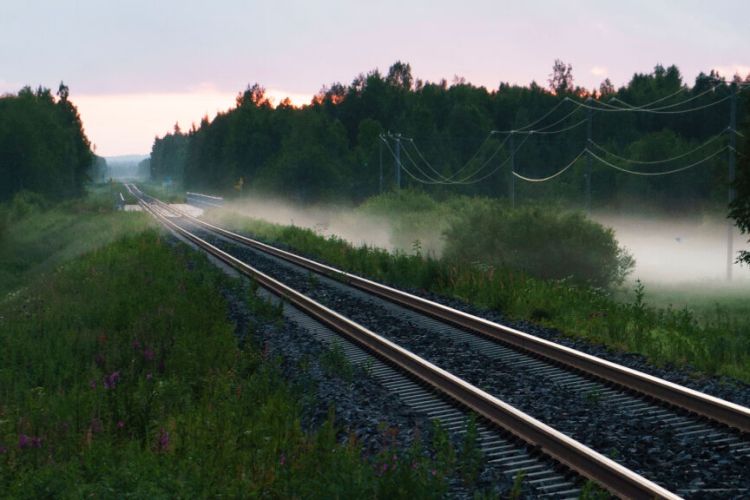
The project aims to improve safety and efficiency with advanced interlockings, train protection systems, centralized traffic control, and telecommunications for railway operations.
Stories about trillions of brain cells in action: smartest inventions, smart assets, artificial intelligence, and other up-to-date devices in high tech section.
The project aims to improve safety and efficiency with advanced interlockings, train protection systems, centralized traffic control, and telecommunications for railway operations.
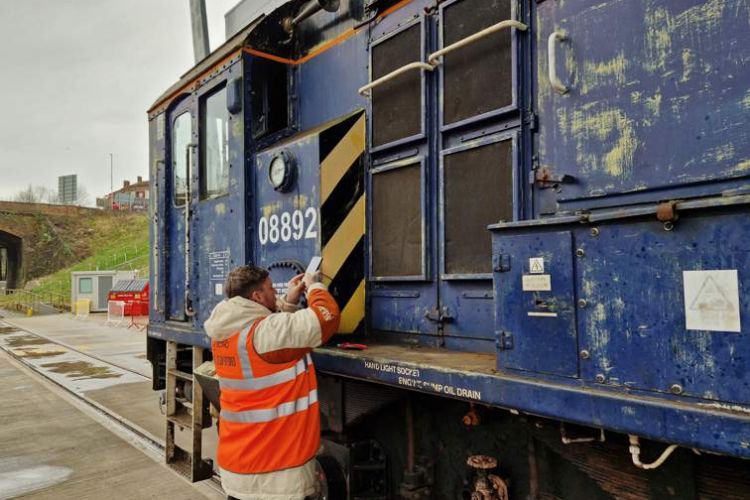
The aim of this initiative is to retrofit 163 locomotives and self-propelled wagons in order to bring Lithuania's railway infrastructure up to EU standards and to ensure a reliable supply of spare parts.
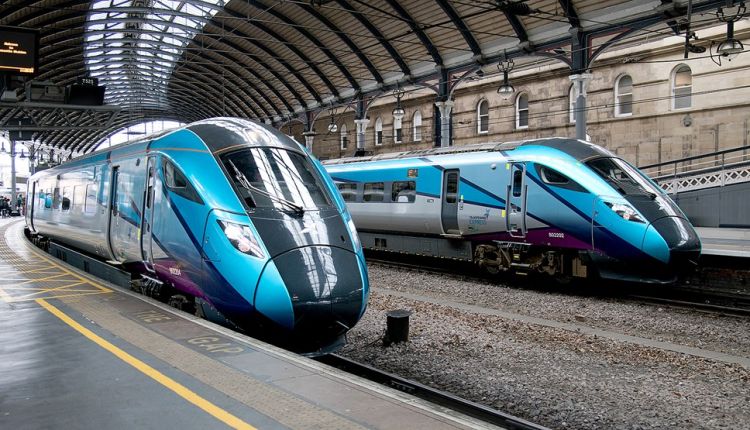
A new chapter in UK rail transport is beginning as the first-ever trial to add a battery on an intercity train gets underway.
This technology aims to increase productivity by 40%, cut installation costs by 30%, and reduce embodied carbon by minimizing construction equipment movement.
Developed by Stadler at €230 million, the vehicles combine electric, battery, and diesel power sources.
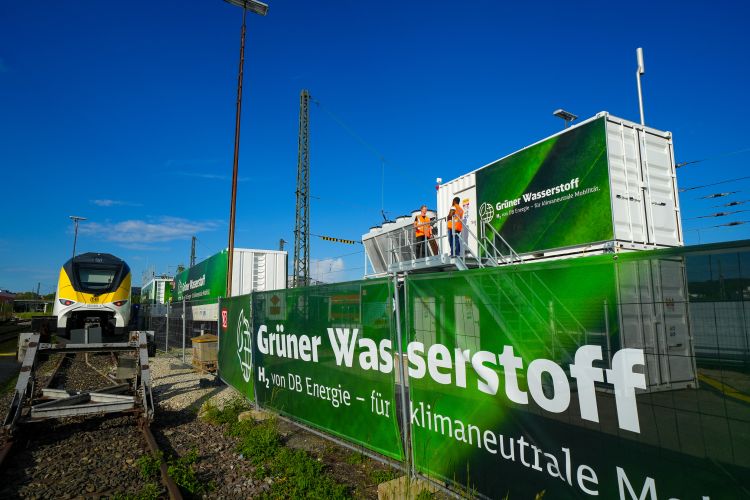
The company tests advanced technologies for feeding renewable energy directly into railway overhead lines.
The platform provides a comprehensive view of how passenger and freight train operators use the rail network's capacity.
With plans to extend the test track to 60 km, the next goal is to reach speeds up to 1,000 km/h, potentially outpacing commercial jets.
The project involves the conversion of two locomotives to dual-fuel hydrogen and includes extensive research into the feasibility and environmental impact of the technology.
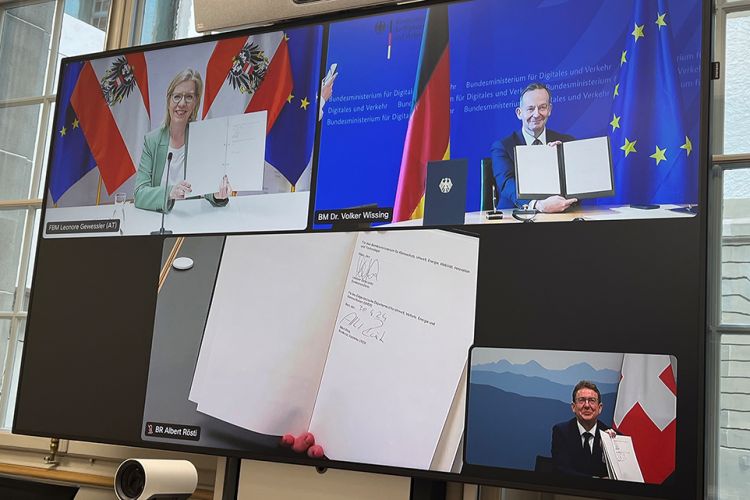
By signing a joint position paper, European transport ministers from Austria, Germany, and Switzerland have committed to co-funding this technology that promises to increase rail freight's efficiency, safety, and environmental sustainability.
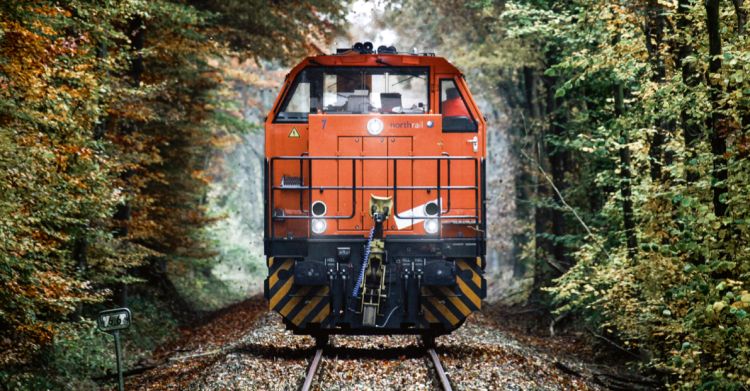
Three supplementing options were chosen as alternatives to the standard diesel.
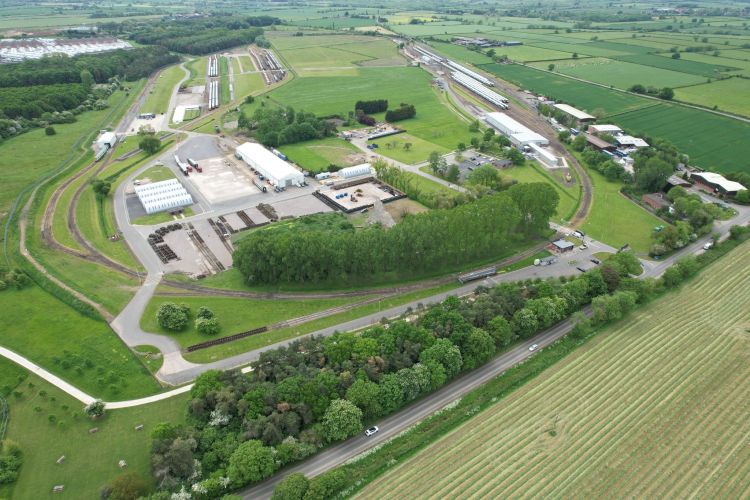
Three years after the site acquisition, Porterbrook electrifies the test circuit.
This collaboration is a model for integrating renewable energy solutions in the rail industry.
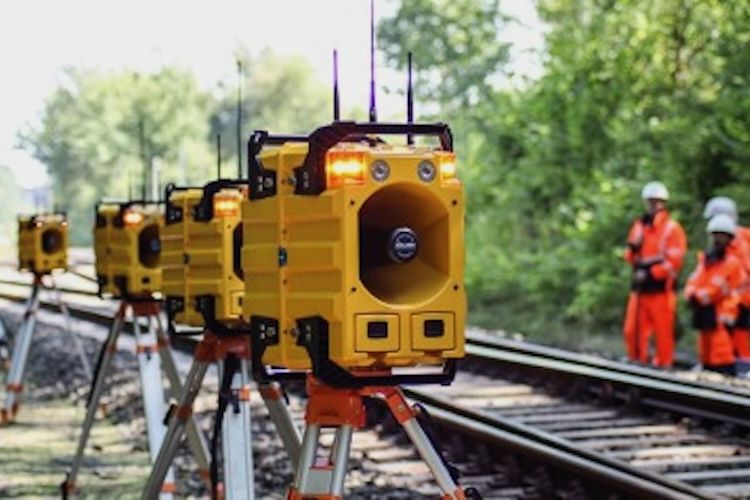
The system, which uses light and sound signals to warn construction site workers of approaching trains, reduces reliance on manual safety announcements and improves efficiency and safety.
The new technology, designed to improve the monitoring and safety of freight operations, features a self-generating wireless power unit for continuous system checks.
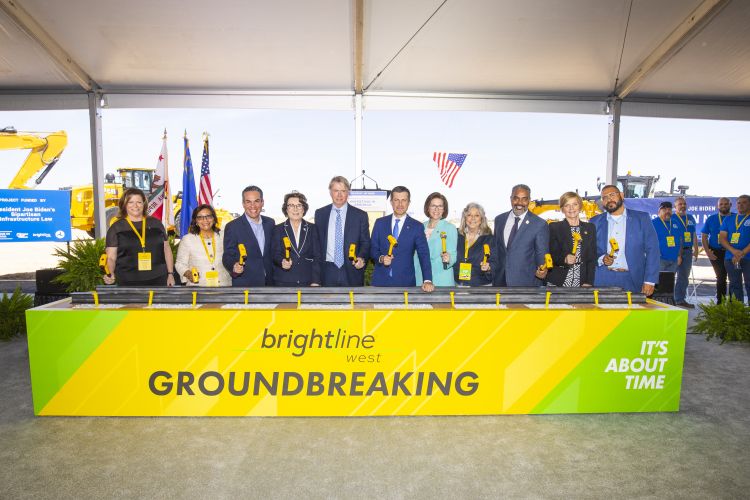
The rail line will offer speeds of up to 200 miles per hour, significantly reducing travel times between these key destinations.
Siemens Mobility is converting the entire 170-kilometre Copenhagen S-Bane network to the highest grade of automation.
Nevomo's MagRail technology has been selected by the Institute of Hyperloop Technology for integration into the CargoTube high-speed freight transport project.
The project will see six leading companies work together to deliver these systems from Carlisle to Brighton, significantly improving passenger and freight services.
The collaboration aims to integrate ATMS with ETCS Level 2 standards, focusing on improving the safety, efficiency and overall competitiveness of rail transport across the country.