EVG warns over Italo’s German entry
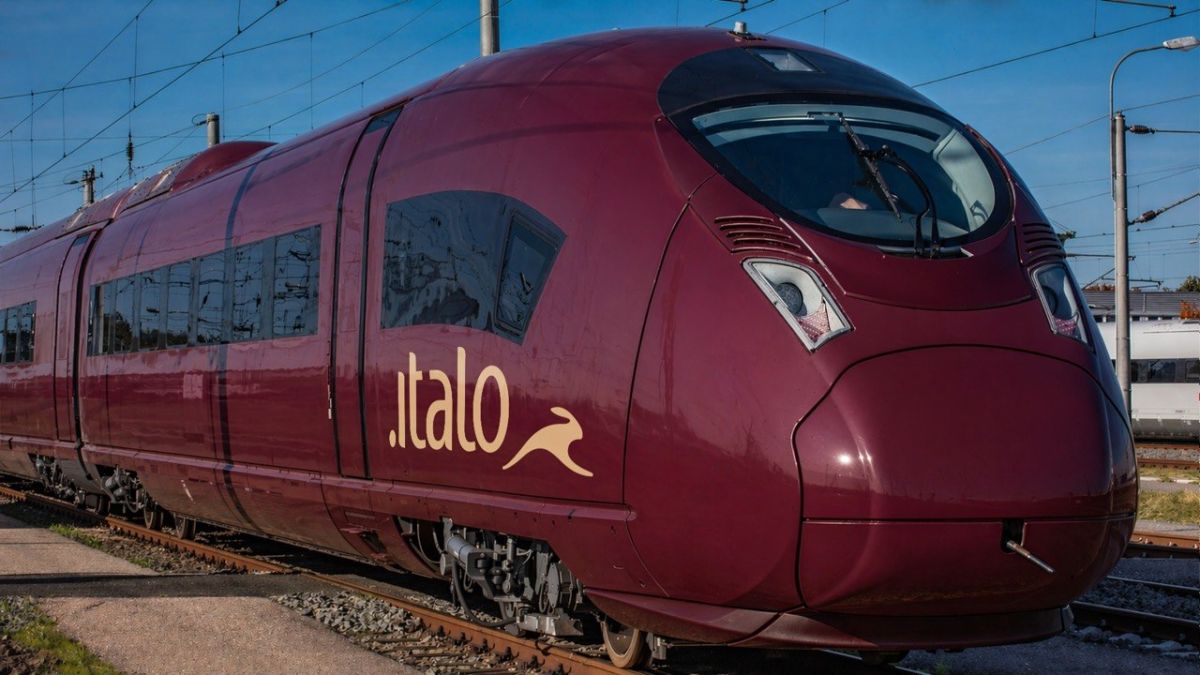
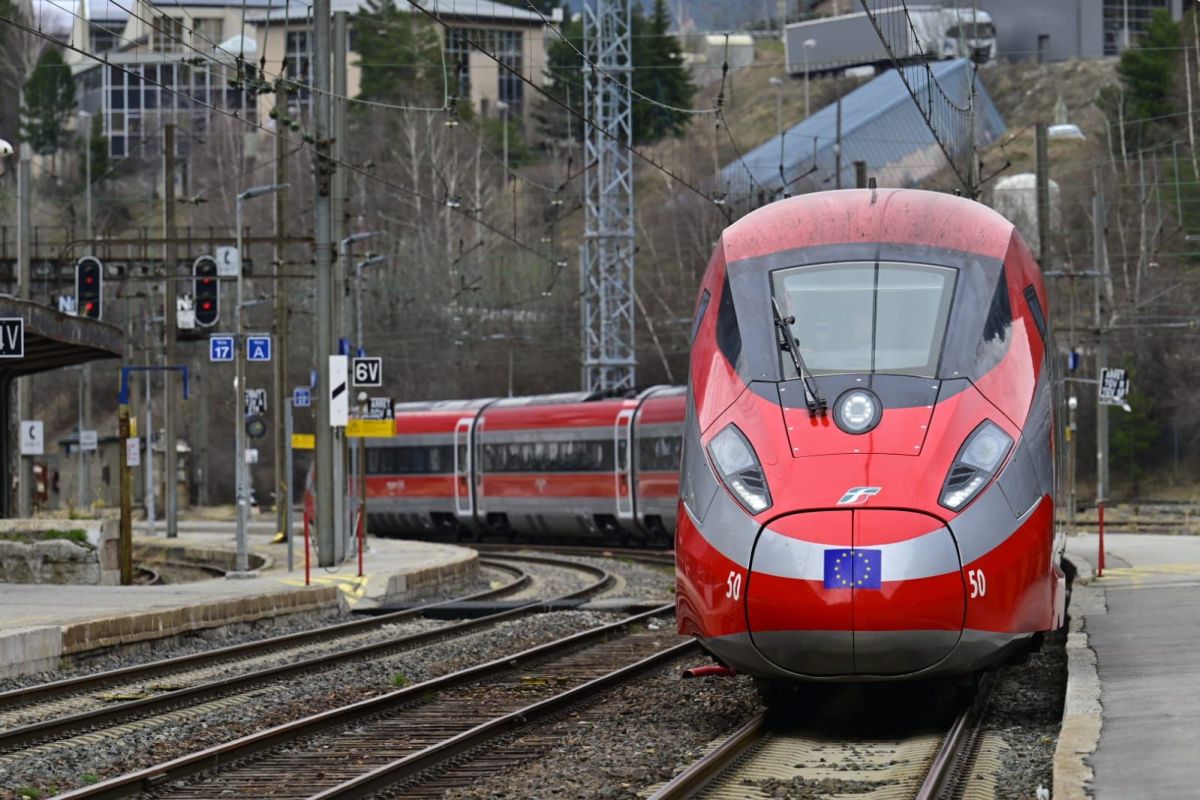
EVG has warned that Italo’s planned entry into Germany’s long-distance rail market could weaken ICE and IC services in several cities outside the main corridors.
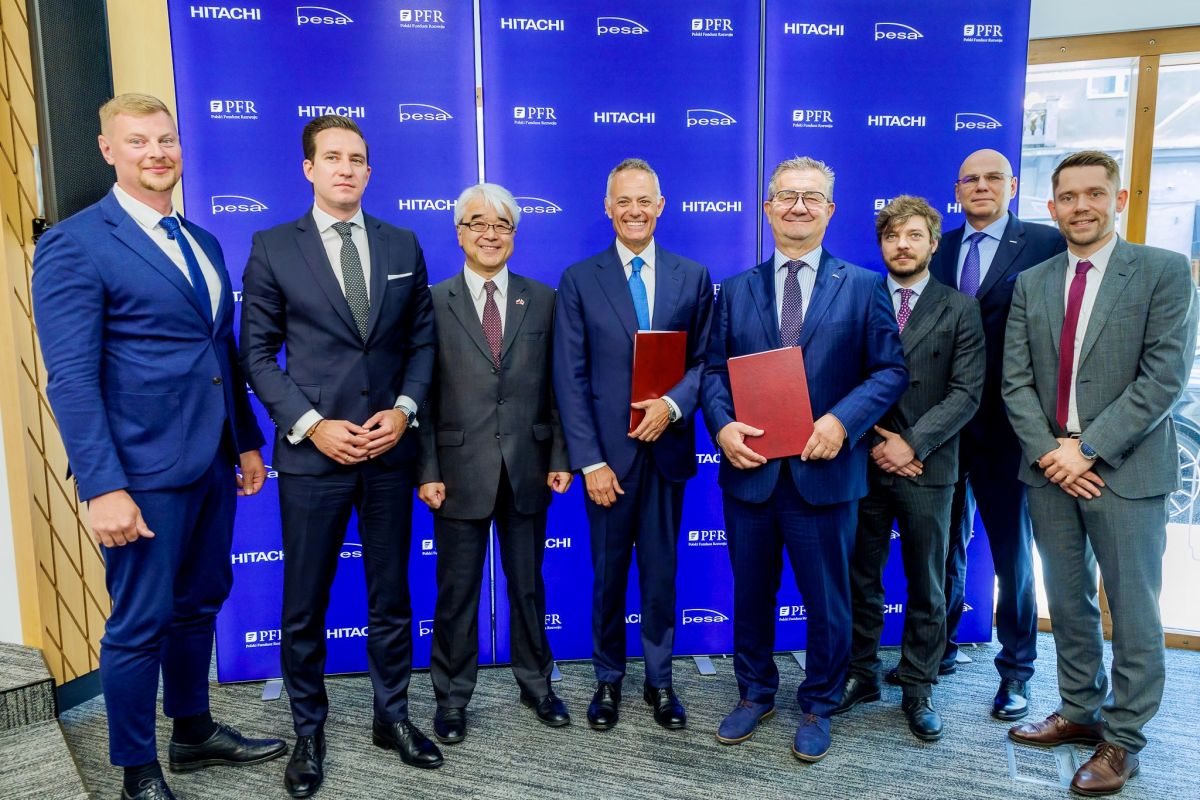
Hitachi Rail and PESA Bydgoszcz have signed a strategic cooperation agreement covering high-speed trains, double-deck vehicles and technology transfer in Poland.
The operator reported revenue above EUR 2bn, a 1.7% increase, and EBITDA of EUR 337m.
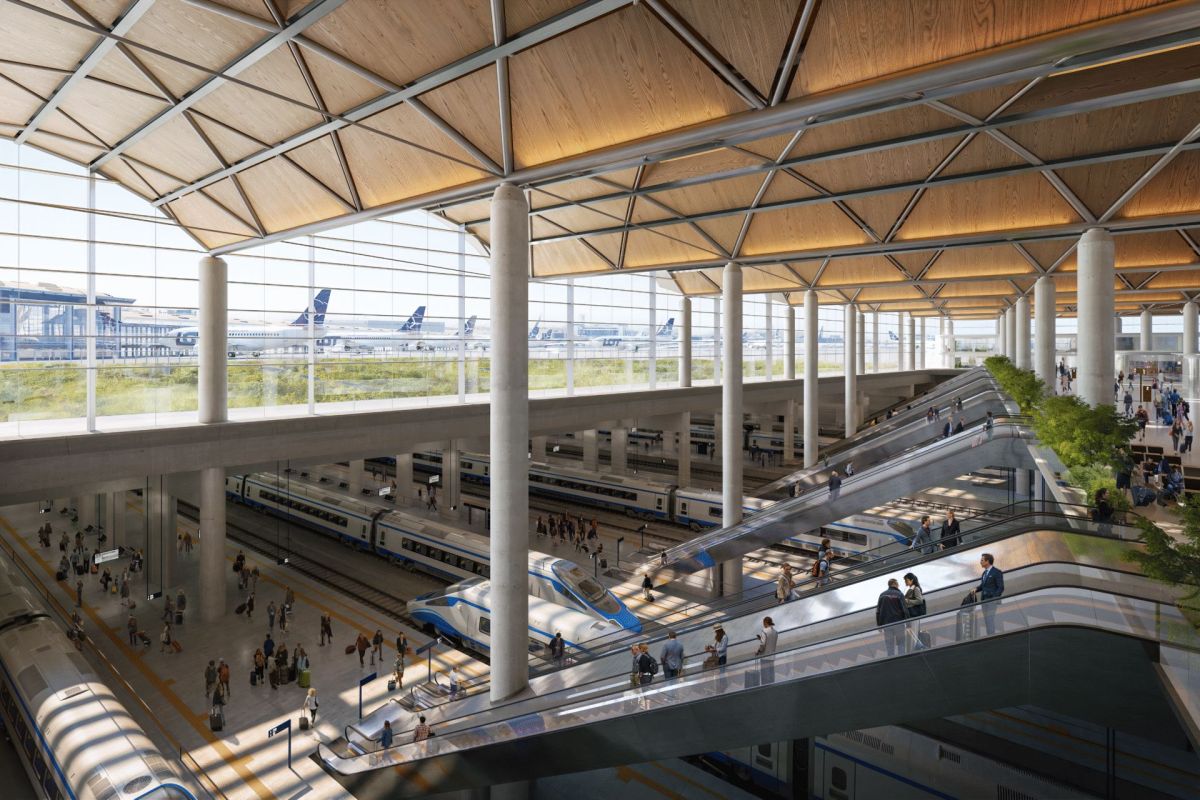
Port Polska.KDP will procure and lease trains for Poland’s future high-speed, airport and regional express services, with tenders planned later this year.
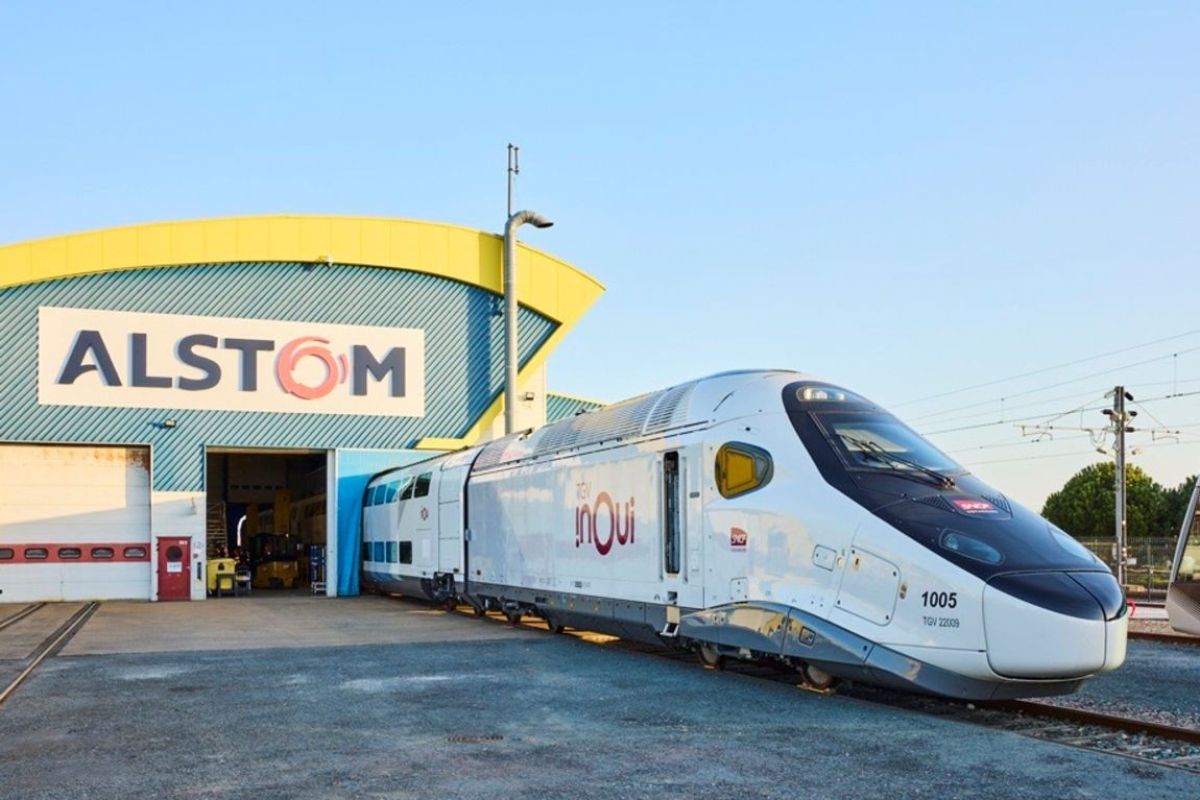
The European Union Agency for Railways (ERA) has granted marketing authorization for the TGV-M, clearing the new high-speed train for commercial operation in the EU.
The contract also includes an option for up to eight additional trainsets.
The revised figures were published on 19 May 2026 following a government-commissioned review of the project’s scope, costs and delivery structure.
Forecasts indicate around 30,000 passengers per day on the Warsaw–airport–Łódź corridor by 2035.
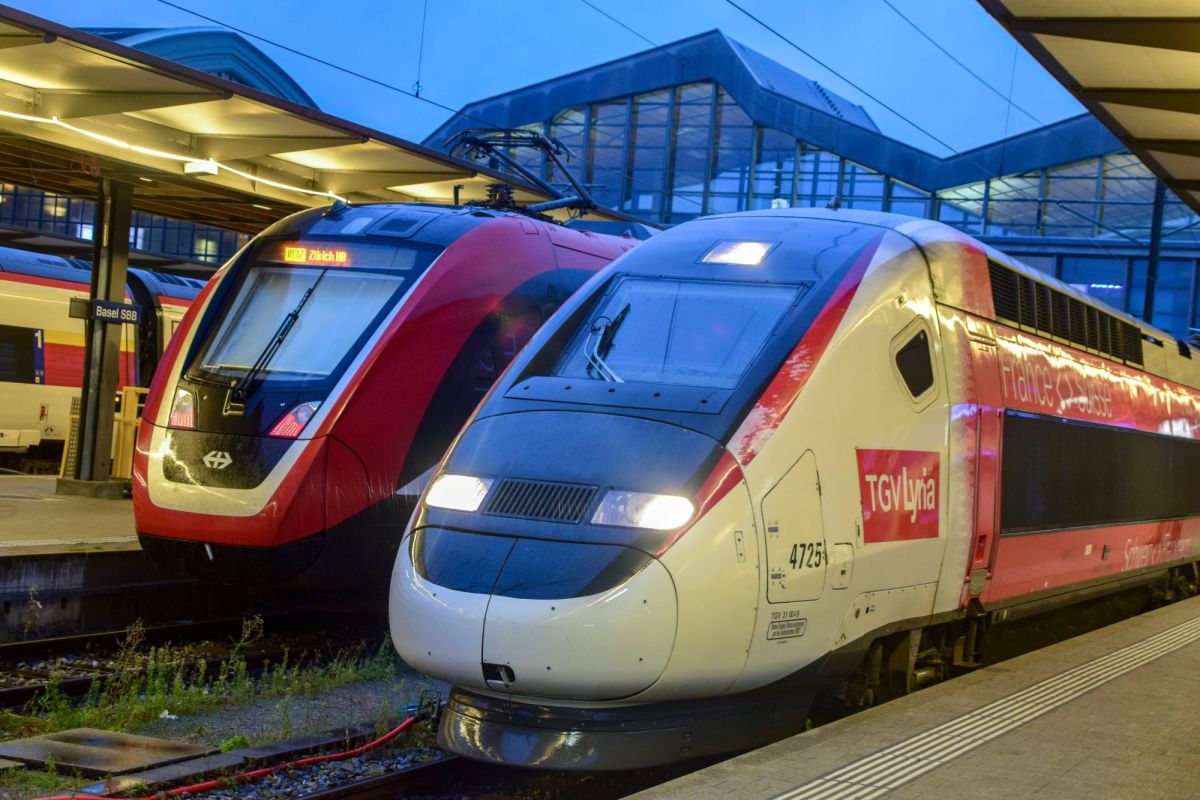
The agreement, announced on 11 May 2026, follows a cooperation agreement signed in March between SBB and SNCF Voyageurs to develop new international routes.
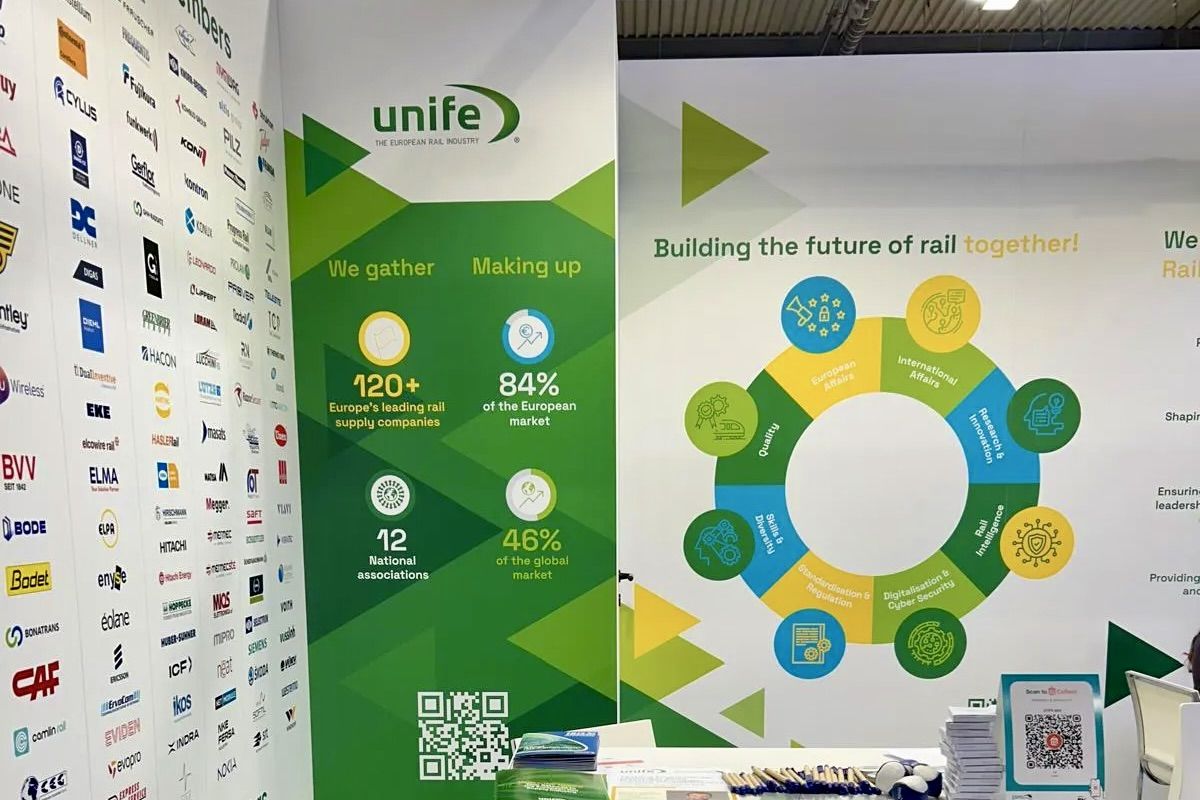
UNIFE has presented proposals to help finance a future European high-speed rail network, including emissions revenues, infrastructure bonds and more EU funding.
The Italian private operator plans to deploy a new fleet of up to 30 high-speed trains to challenge the long-distance dominance of the German state incumbent.
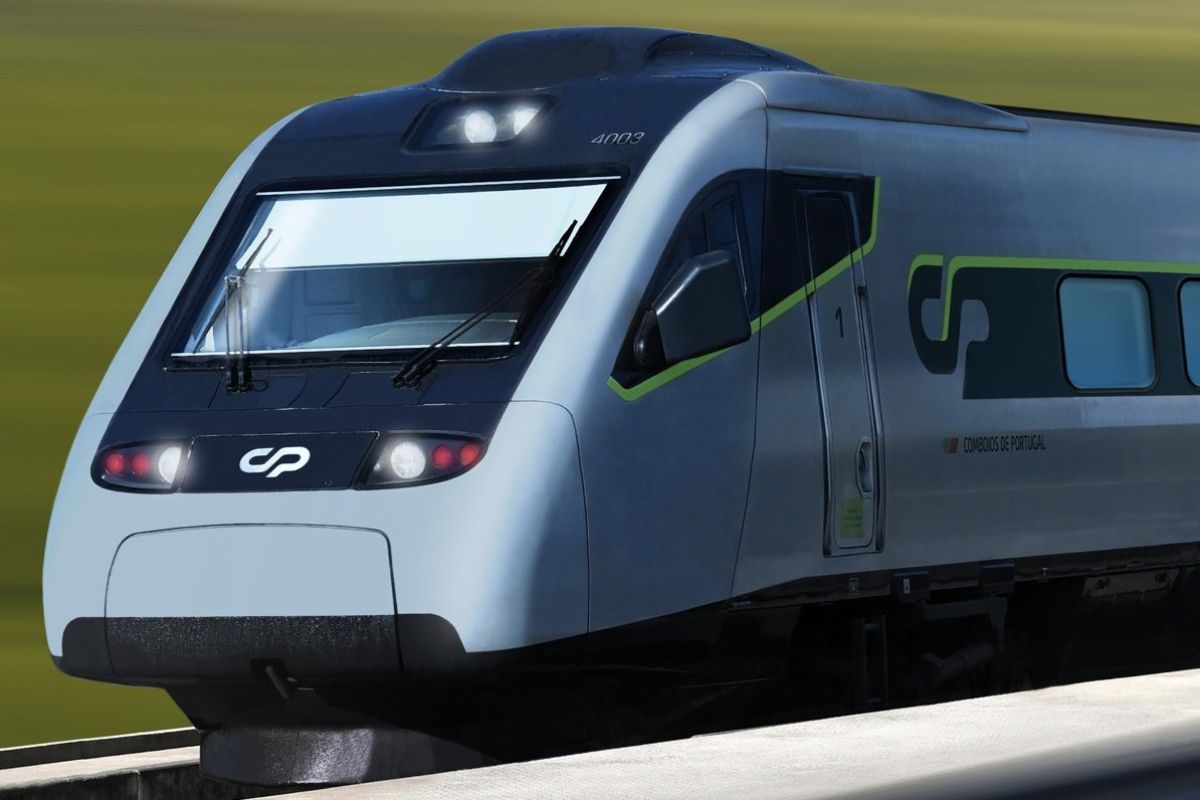
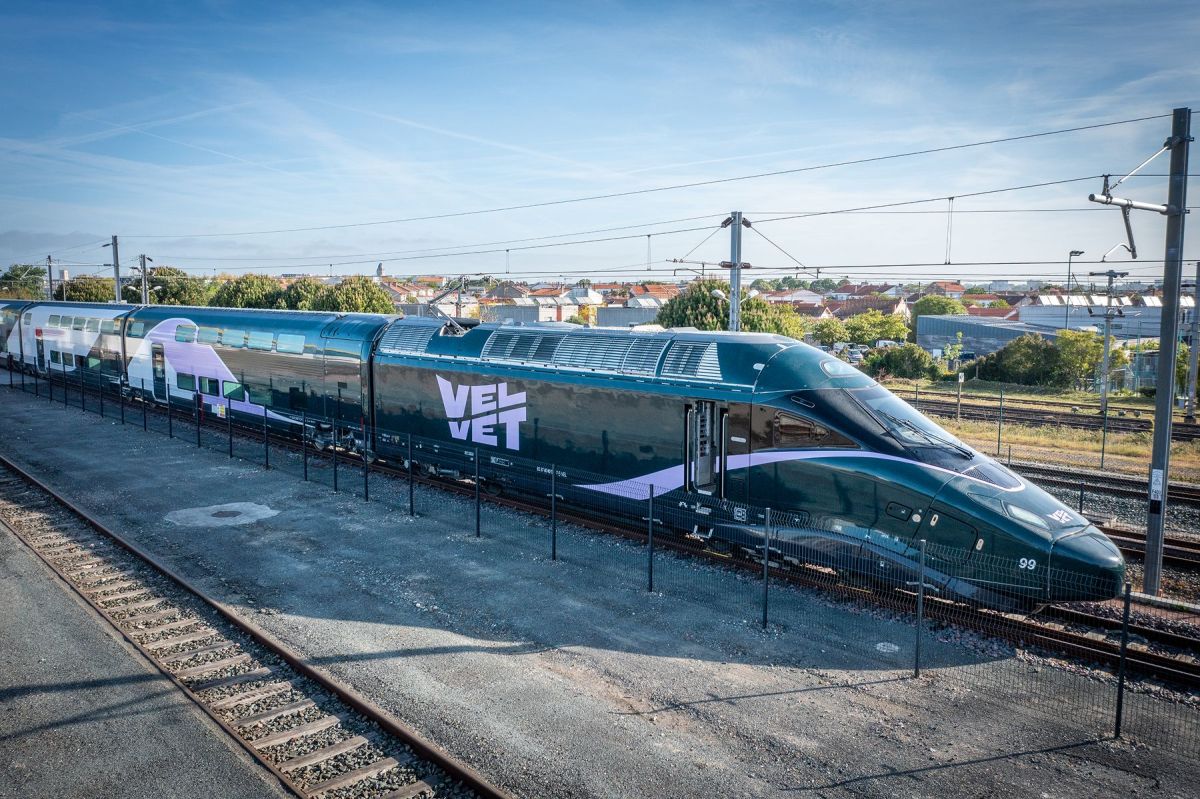
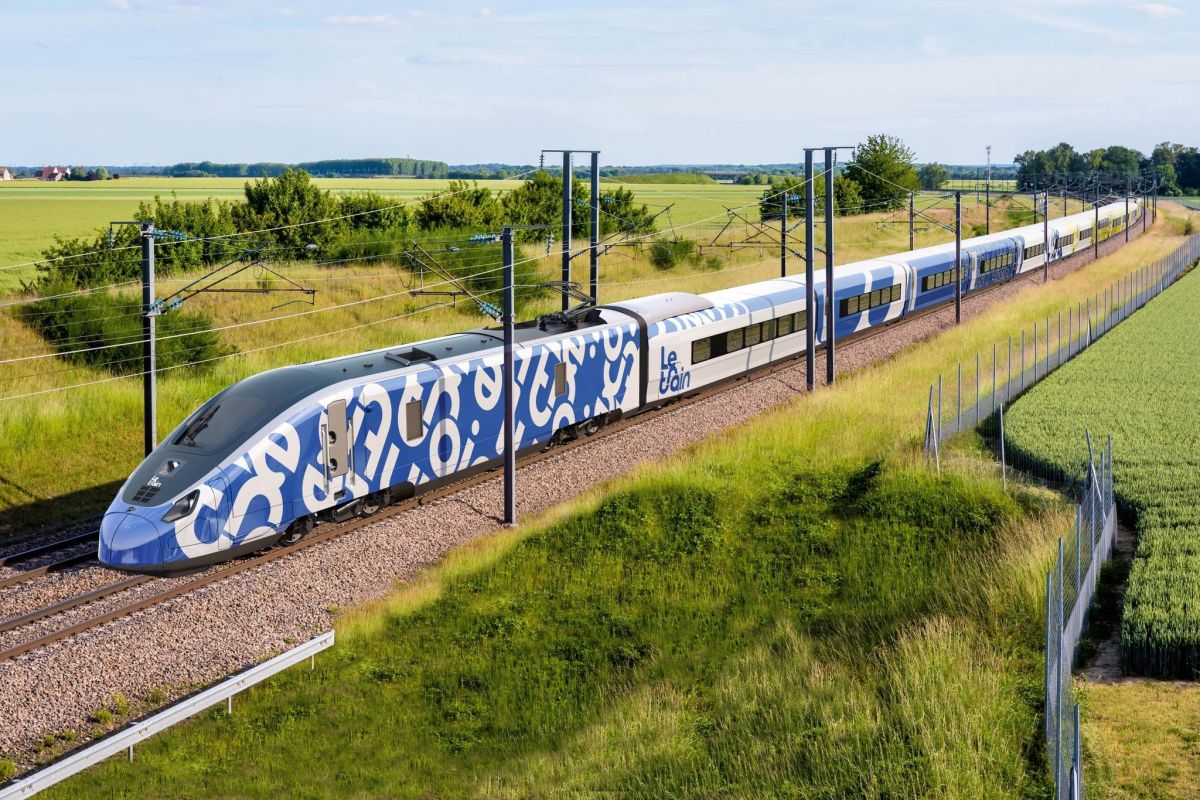
The independent operator has rolled out its first very high-speed trainset as part of a fleet order designed to challenge the state incumbent on the Atlantic corridor.
The HSL 1 line, which entered service in 1997, is undergoing a broader modernisation programme.
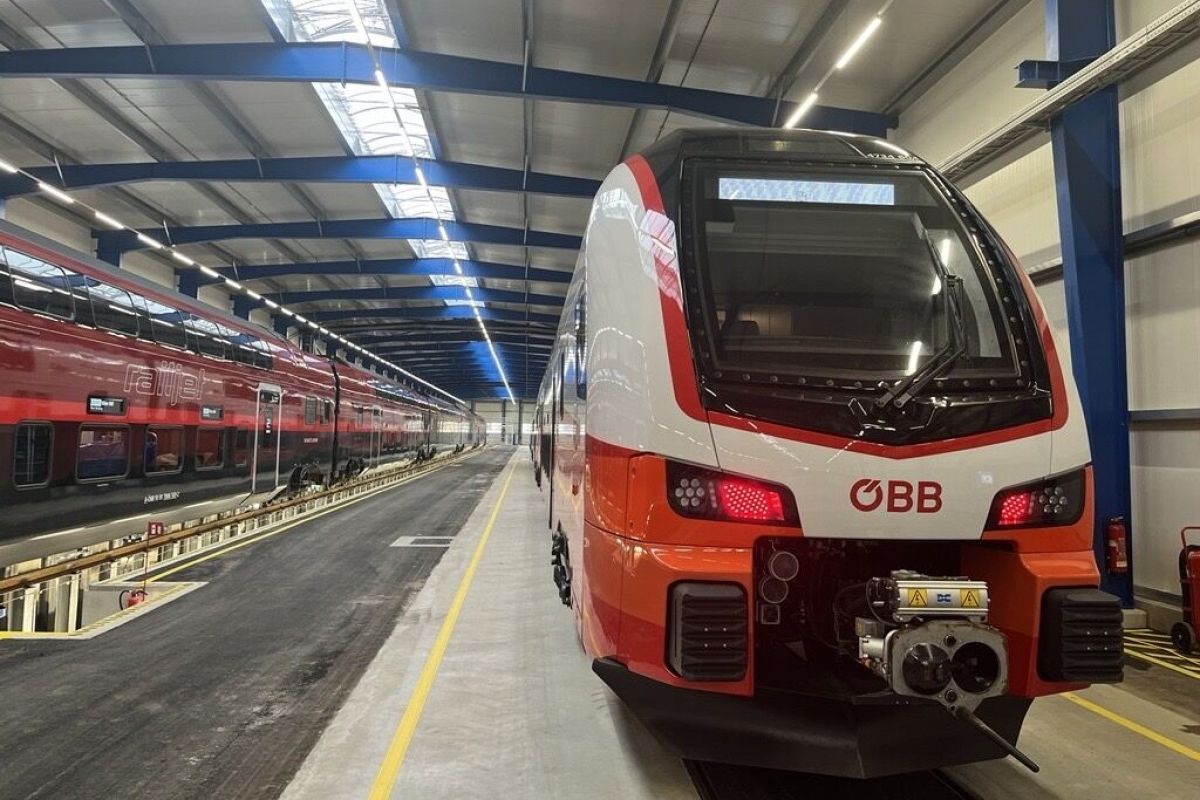
The facility is directly connected to the Austrian rail network and supports preparation for test runs and entry into service of new vehicles.
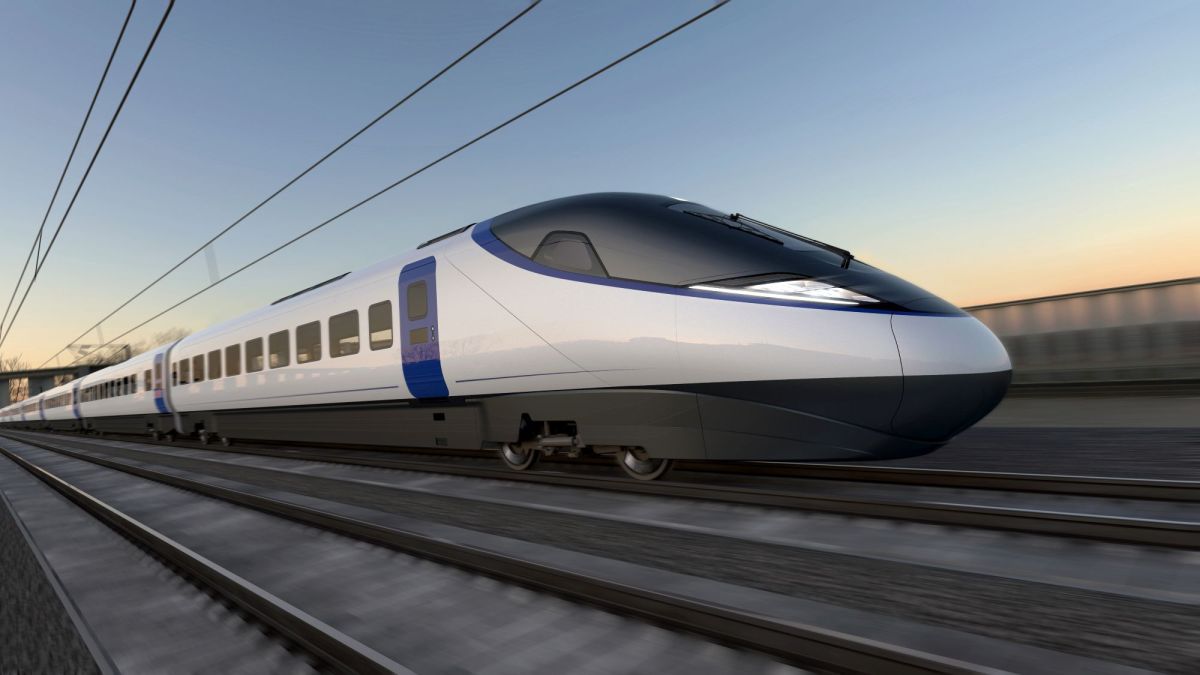
The review will assess whether changes to the line’s 360 km/h design specification could save billions of euros and bring passenger services into operation earlier.
The project has a planned commissioning scheduled by the end of 2029.
The route would combine upgraded sections for speeds of up to 200 km/h with new double-track lines designed for 250 km/h.
The agreements formalise capacity arrangements on two of France’s busiest intercity axes.
Centralny Port Komunikacyjny has launched a tender for laboratory testing services linked to the Warsaw–Łódź section of the future high-speed “Y” line and the long-distance tunnel in Łódź.
The eight-car National Electric High-Speed Train set was placed on the test track on 5 March, with dynamic testing now ongoing.