Italo eyes German high-speed market and Siemens Velaro high-speed trains
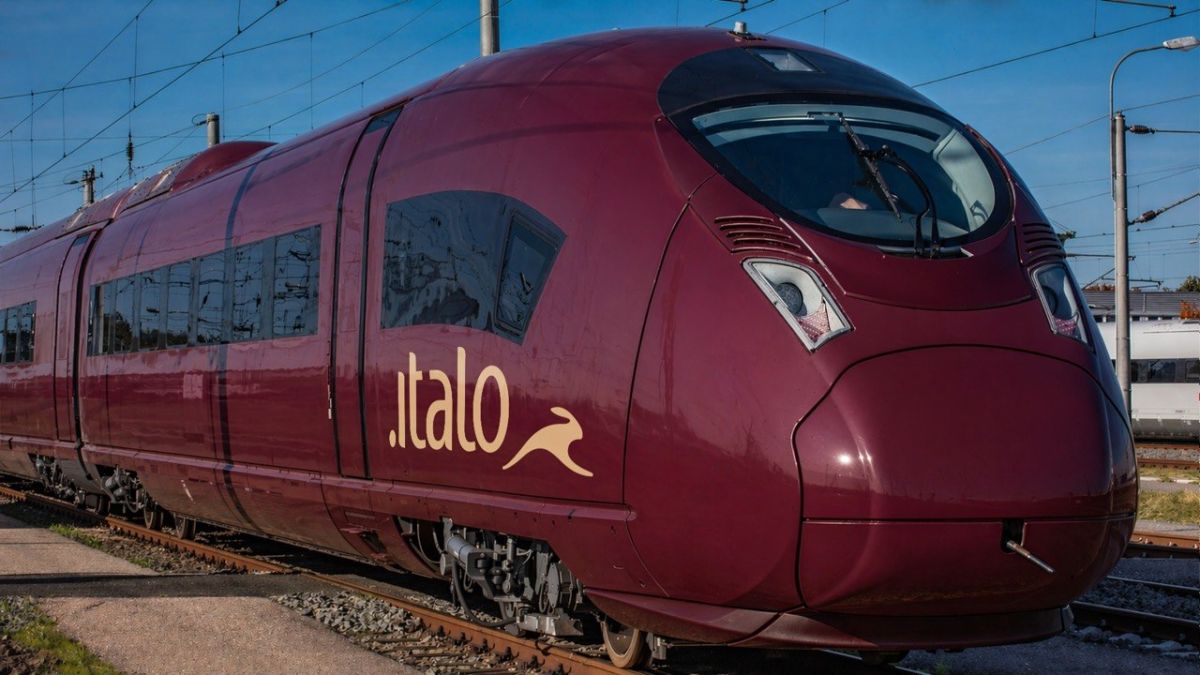
The Italian private operator plans to deploy a new fleet of up to 30 high-speed trains to challenge the long-distance dominance of the German state incumbent.
The 10-year contract, valued at EUR 965m in constant euros, was awarded following a tender launched in 2023.
The 79-train order includes 200-meter units capable of carrying 1,884 passengers to increase hub capacity by 20%.
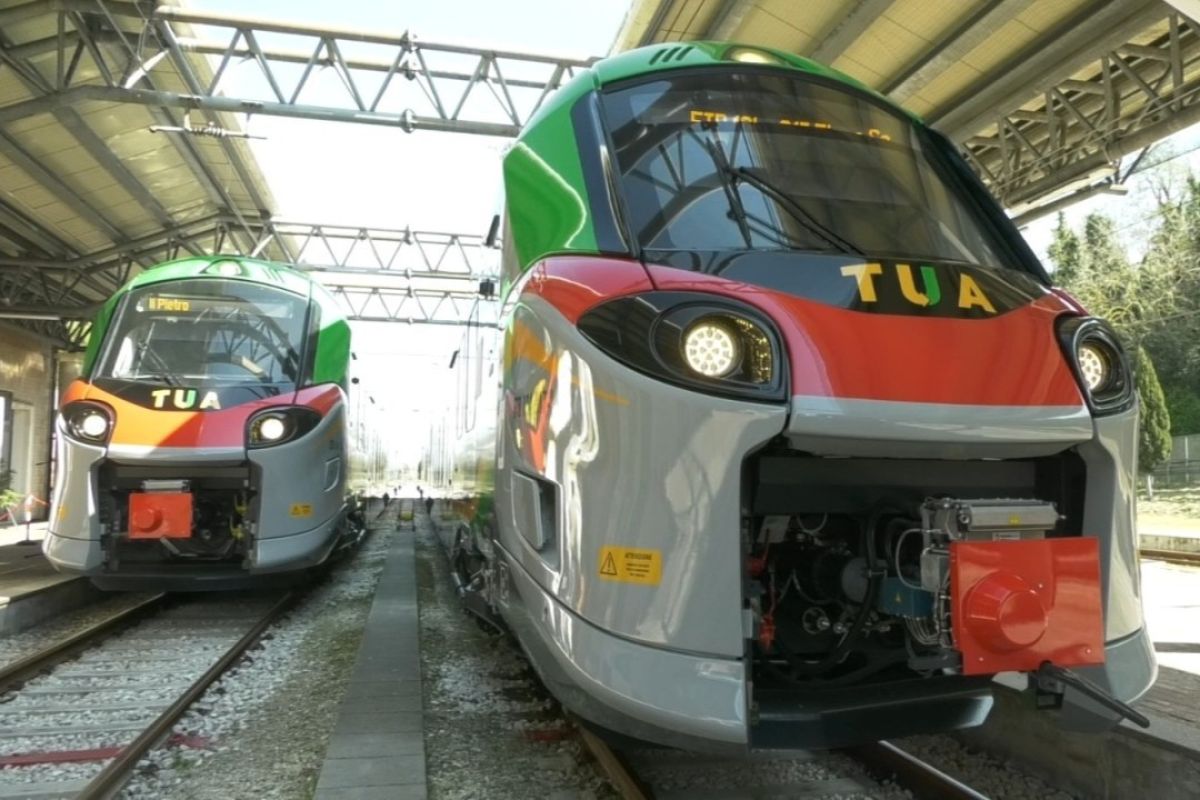
The additions increase TUA’s ETR 104 fleet to nine trains.
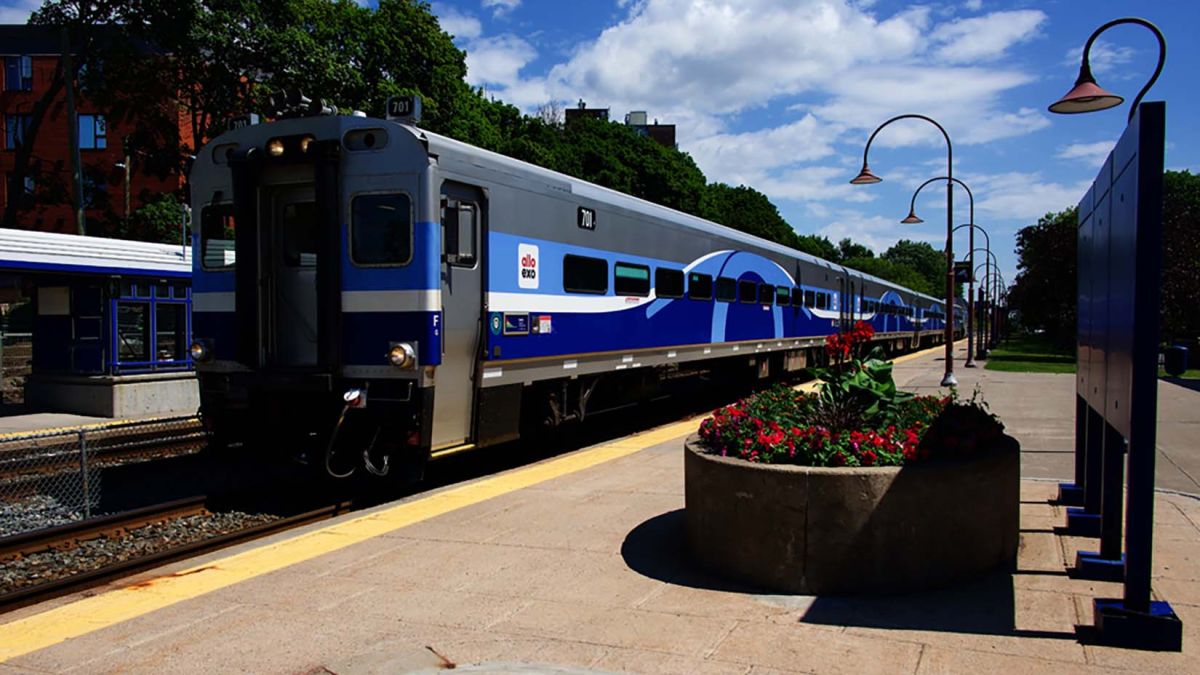
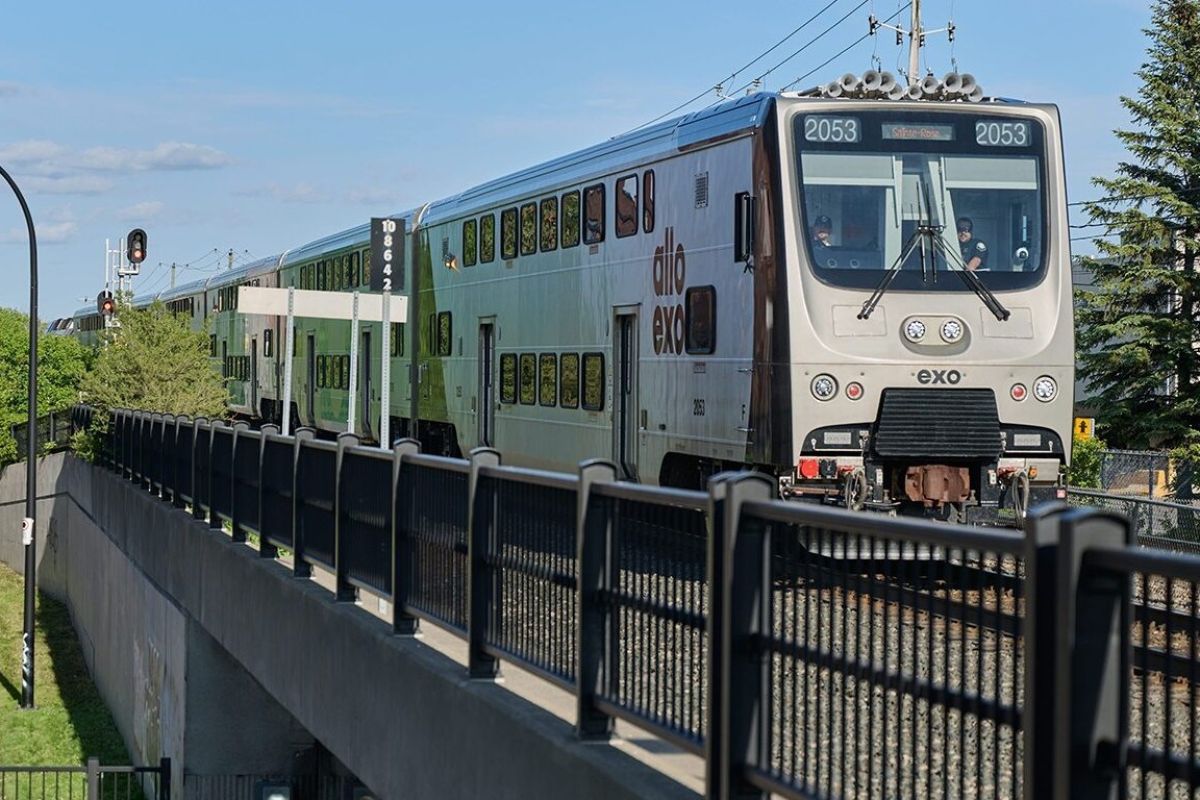
The coaches, manufactured in the late 1980s, will operate in push-pull formations with SEPTA’s Siemens ACS-64 electric locomotives.
The train entered passenger operation as part of a EUR 55m mid-life renovation programme covering 12 trainsets, with completion scheduled by 2030.
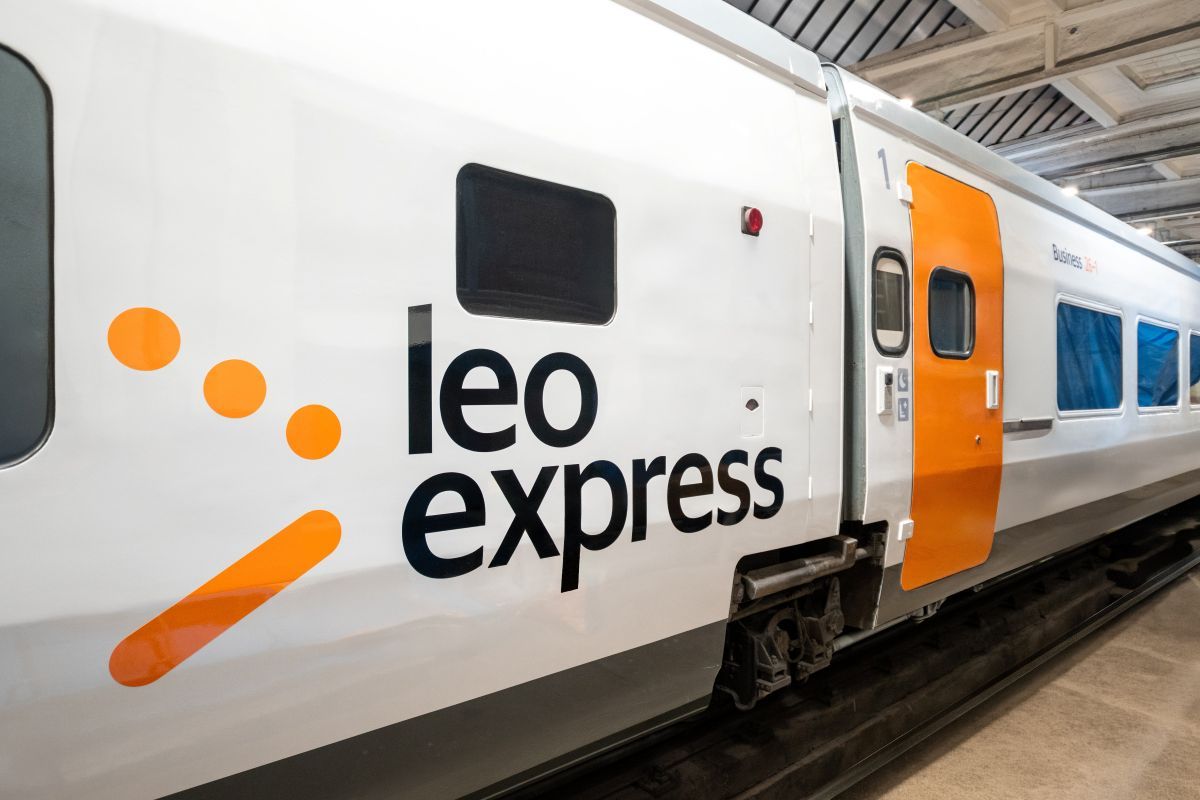
The Czech private operator entered the Polish market in September 2025 with a trial service on the Kraków–Warsaw corridor and started full timetable implementation from 1 March 2026.
Rail passenger numbers in Germany increased in 2025, driven by growth in both local and long-distance services, according to preliminary data published by the Federal Statistical Office (Destatis) on April 8.
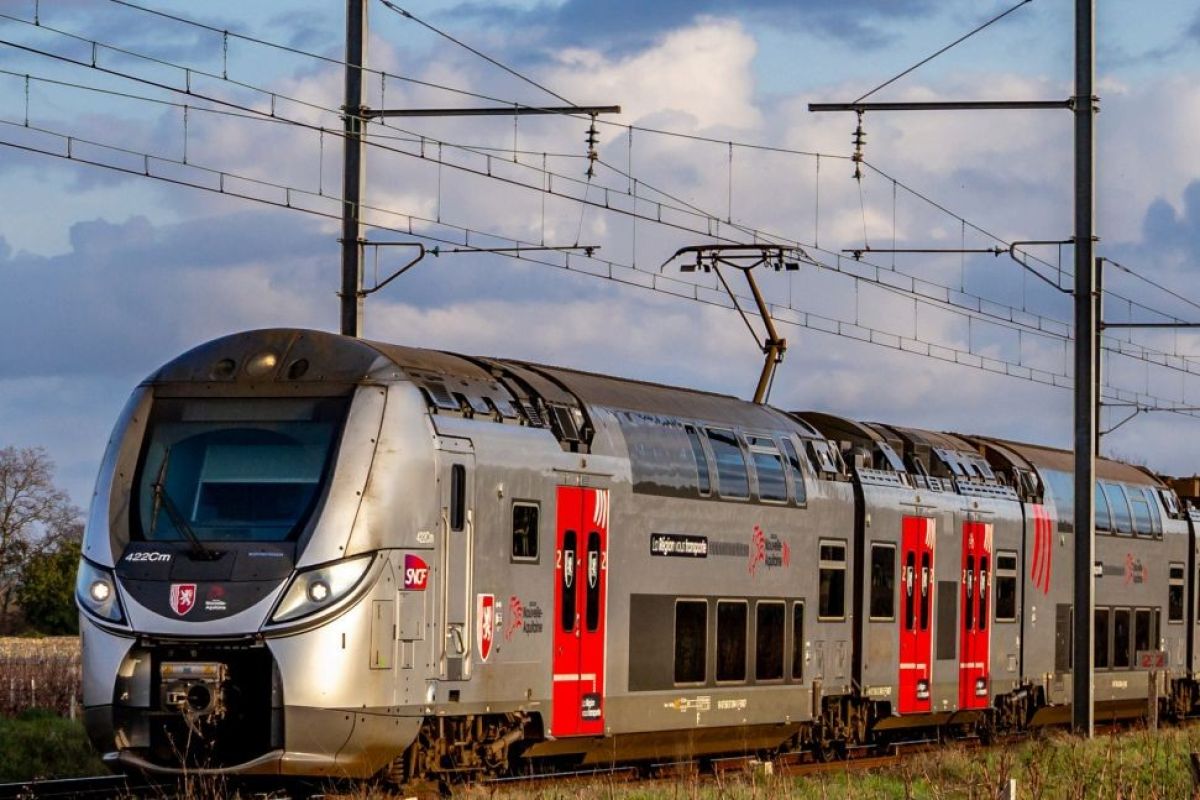
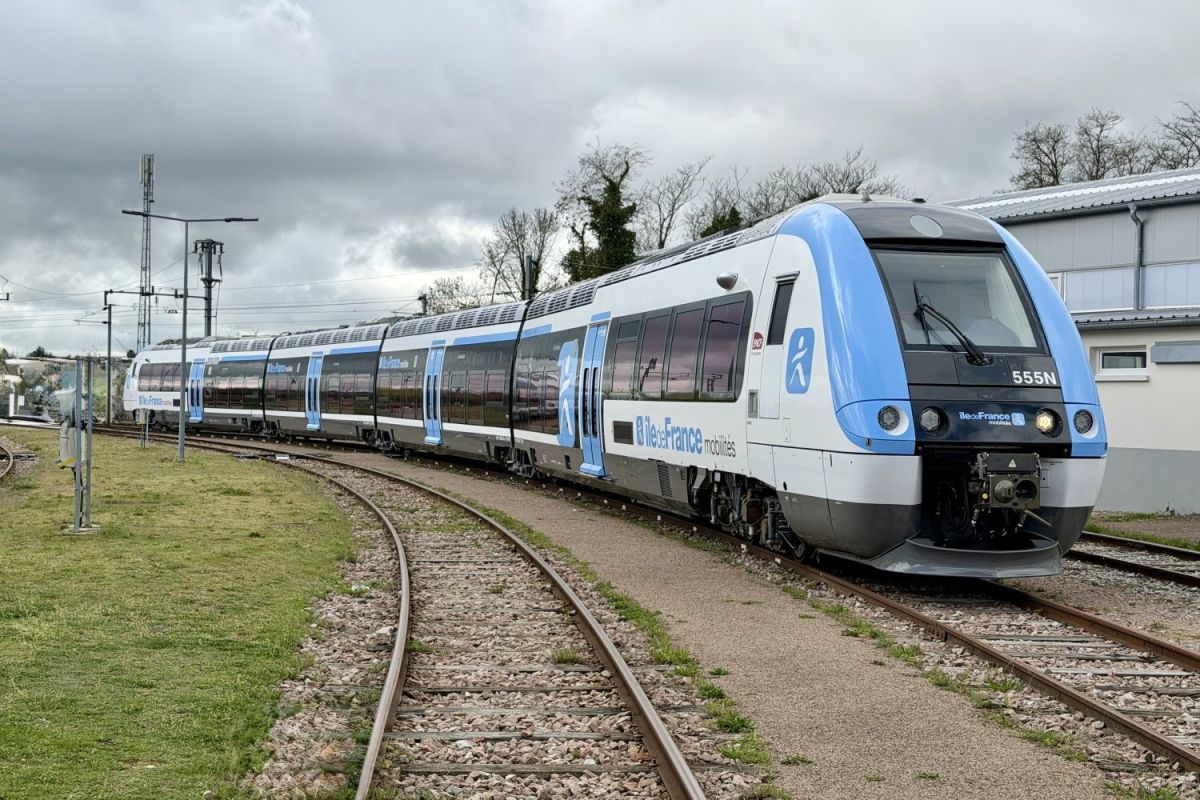
The selection follows a competitive bidding process involving three candidates and is the first step in the region's mandatory transition toward open-access tendering for its TER services.
The return forms part of the operator’s December 2025 timetable, which adds 10,000 services annually.
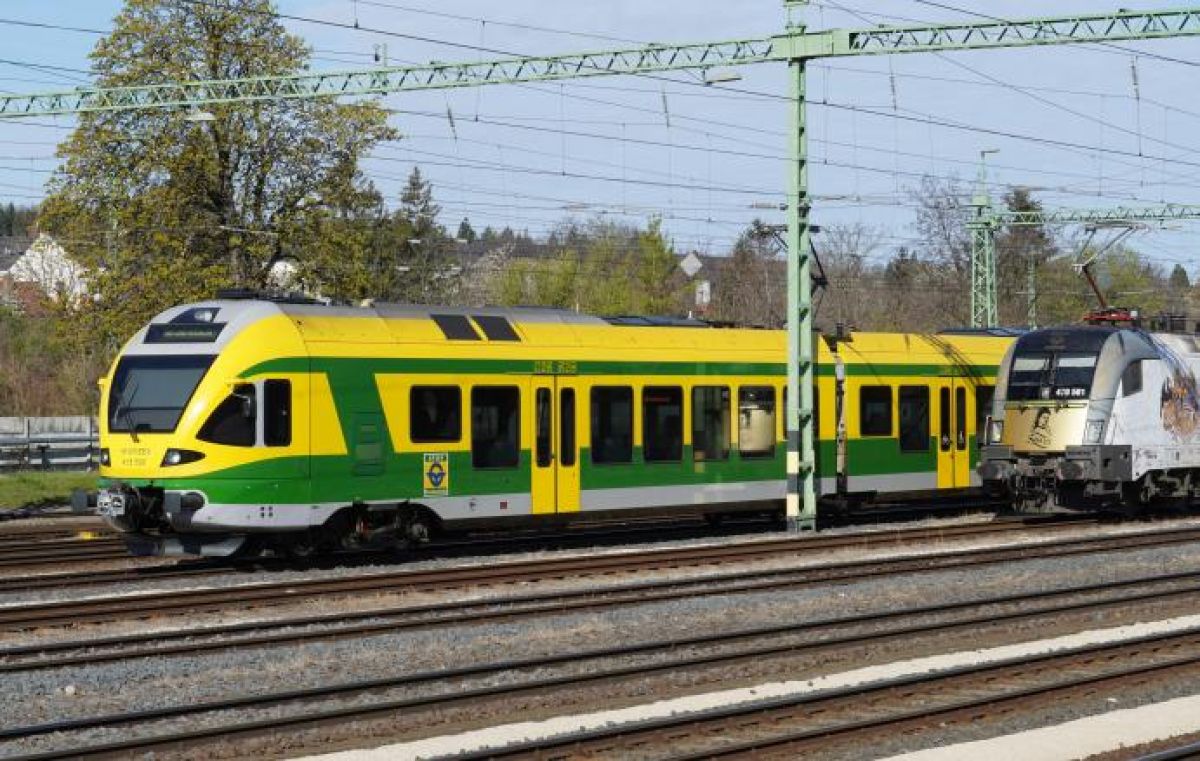
The Győr–Sopron–Ebenfurth Railway (GYSEV) has officially expanded its passenger transport portfolio from 1 April 2026, taking over regional services on two additional routes in Western Hungary.
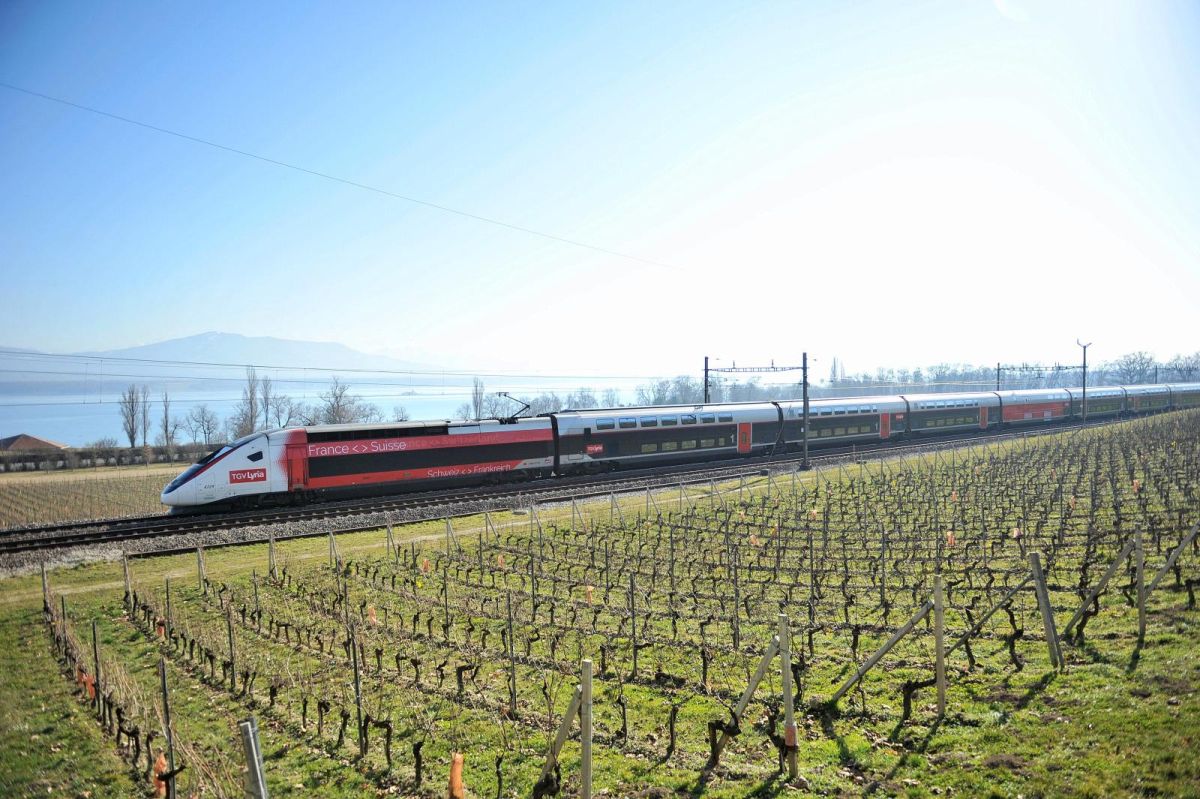
The agreement secures continued joint operation of TGV Lyria high-speed services between Switzerland and France, a cooperation that has been in place for more than 45 years.
The five-year contract was awarded at approximately EUR 17m, excluding infrastructure charges.
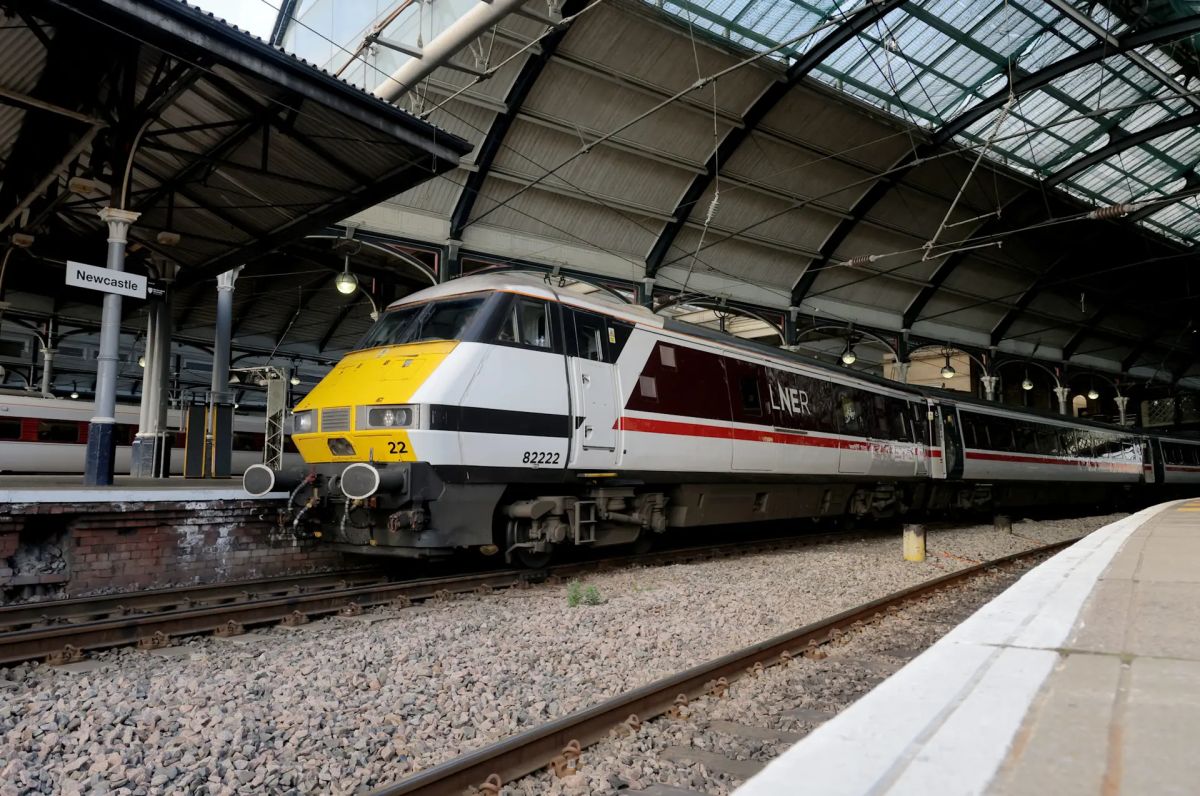
Passenger kilometres rose 3% year-on-year to 16.7 billion, while inflation-adjusted revenue increased 2% to GBP 3.1 billion (EUR 3.6bn).
The agreement follows a two-year tender process and includes a one-year mobilisation phase, with an option to extend for an additional four years.
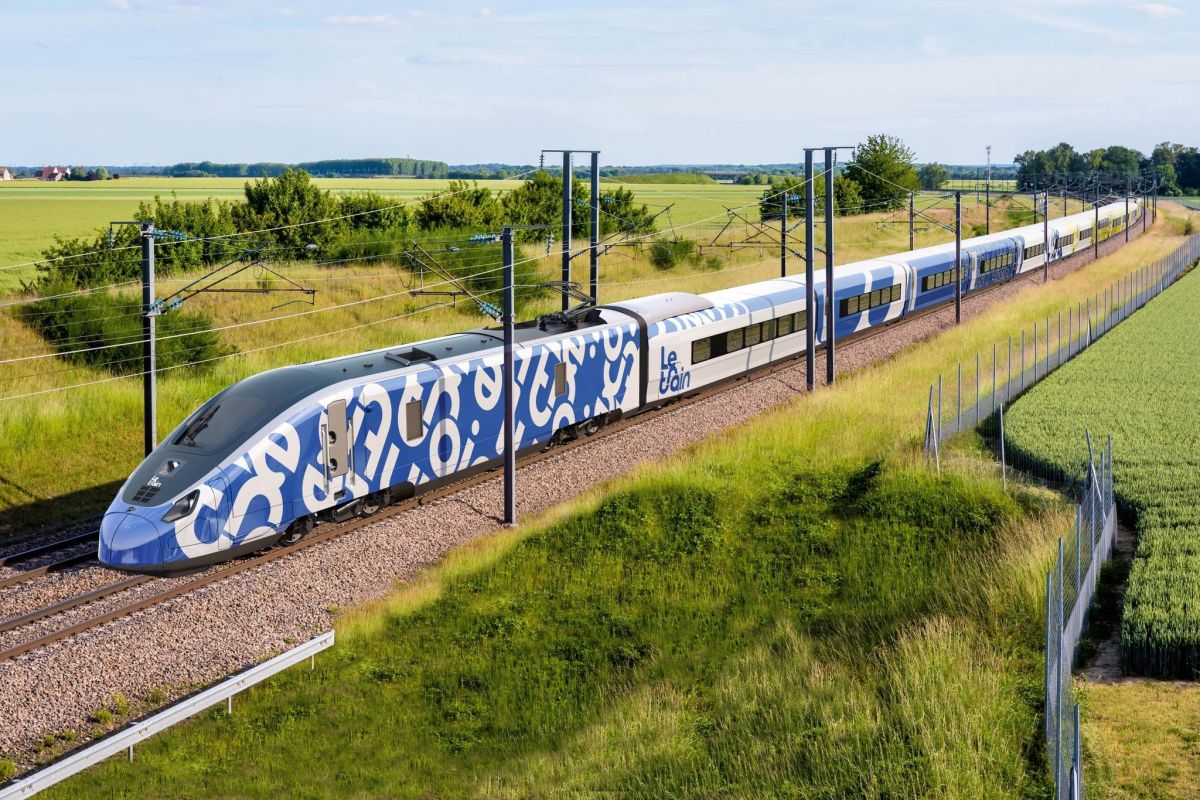
The agreements formalise capacity arrangements on two of France’s busiest intercity axes.
The 91 coaches are intended to address a shortage of passenger rolling stock, which the ministry says has affected service quality.
The Dutch operator plans three weekly return services on each route at launch, increasing both corridors to daily operation by summer 2026.
The operator is seeking sufficient train paths to run nine daily return services between Turin and Naples and four between Turin and Venice.
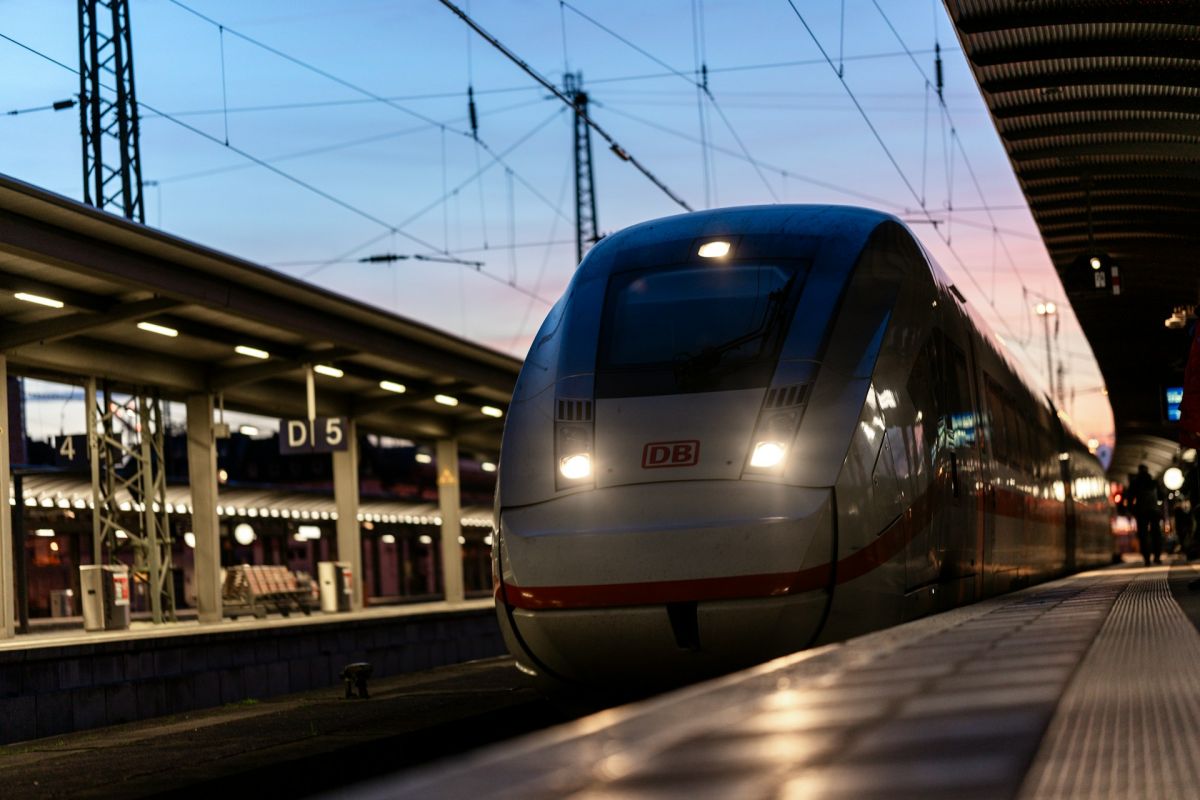
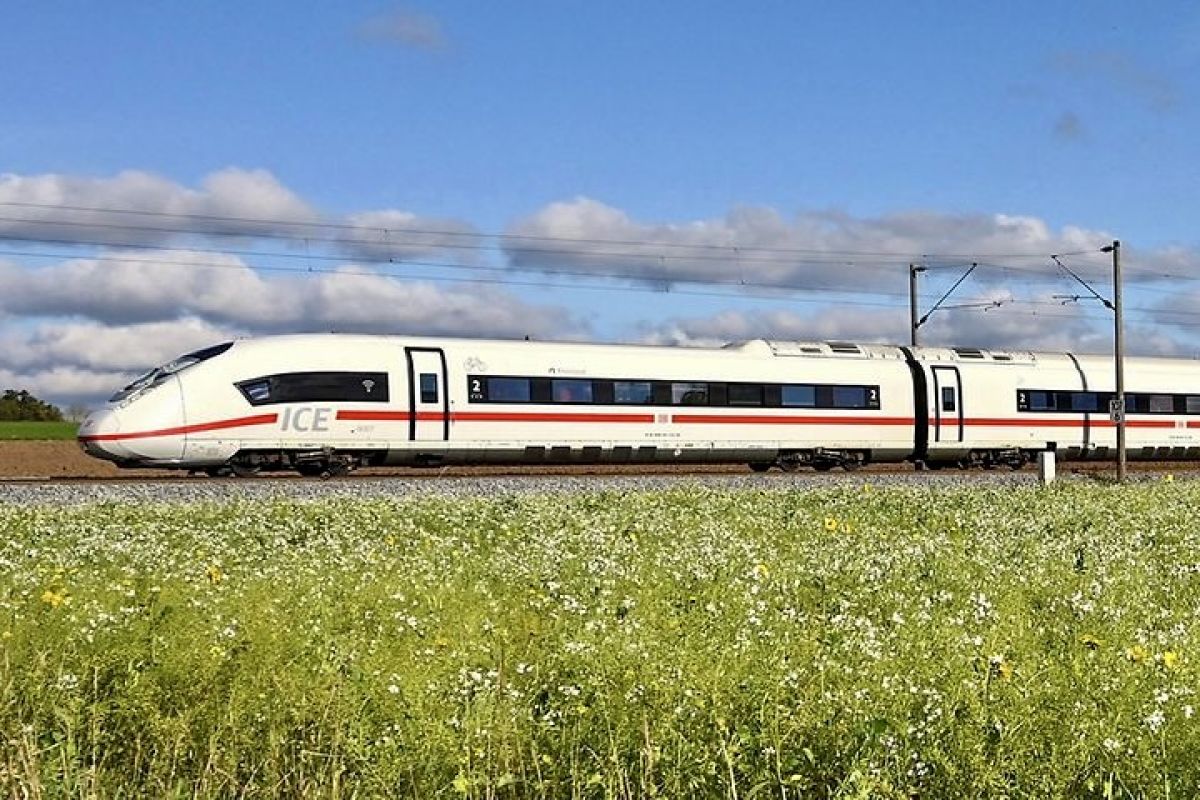
Deutsche Bahn will expand its cross-border services to Belgium this summer, introducing a seasonal ICE connection that continues from Brussels to cities such as Ghent, Bruges and the North Sea coast.