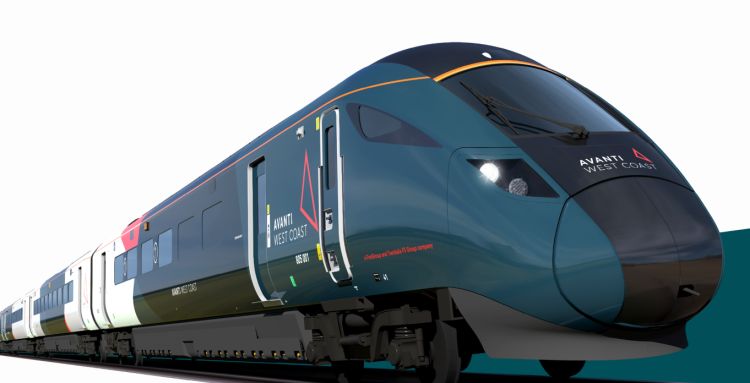
First Rail has released a report detailing strategies aimed at increasing train travel among young people in the UK, with an ambitious goal of engaging this demographic as lifelong rail users by 2050. The initiative, termed ‘Generation Rail,’ outlines several recommendations based on recent research conducted among 18-25-year-olds in major UK cities, including Exeter, Manchester, Glasgow, and London.
FirstGroup owns three major UK train operating companies - Avanti West Coast (Avanti), Great Western Railway (GWR), South Western Railway (SWR) and two open access passenger rail services, Hull Trains and Lumo.
The research, carried out by Field Research, reveals that young people are inclined to use trains but are often deterred by issues related to reliability, value for money, and inconsistent amenities. Respondents expressed a desire for dependable services that offer consistent on-board features such as toilets, plug sockets, and Wi-Fi. They indicated that they would be more likely to use trains frequently and even pay higher fares if these conditions were met.
The report highlights the current state of train usage in the UK, noting a 13% increase in journeys between the first quarters of 2023 and 2024, largely driven by the opening of the Elizabeth Line. This new service has attracted a significant number of new users, many of whom would otherwise have used different modes of transportation.
Despite this growth, there is still a considerable opportunity to increase train occupancy, with only 35% of available seats being utilized daily. This underutilization suggests potential for significant growth in train travel, particularly among young people who are showing a declining interest in obtaining driving licenses. Statistics indicate that only a quarter of individuals aged 17-20 hold a driving license, a third fewer than in 2019.
First Rail’s recommendations to address these issues include enhancing railcard benefits for young travelers and introducing flexible 'Superfares' nationwide to make train travel more affordable. The report also suggests protecting late-night services to make it easier for young people to use trains after social outings.
Furthermore, the report calls for future train procurement to guarantee minimum standards for amenities and connectivity, ensuring a consistent experience that meets the expectations of young travelers. The creation of a Young Persons Advisory Panel is also recommended to maintain an ongoing dialogue with 16-25-year-olds and keep their needs at the forefront of decision-making in the rail industry.