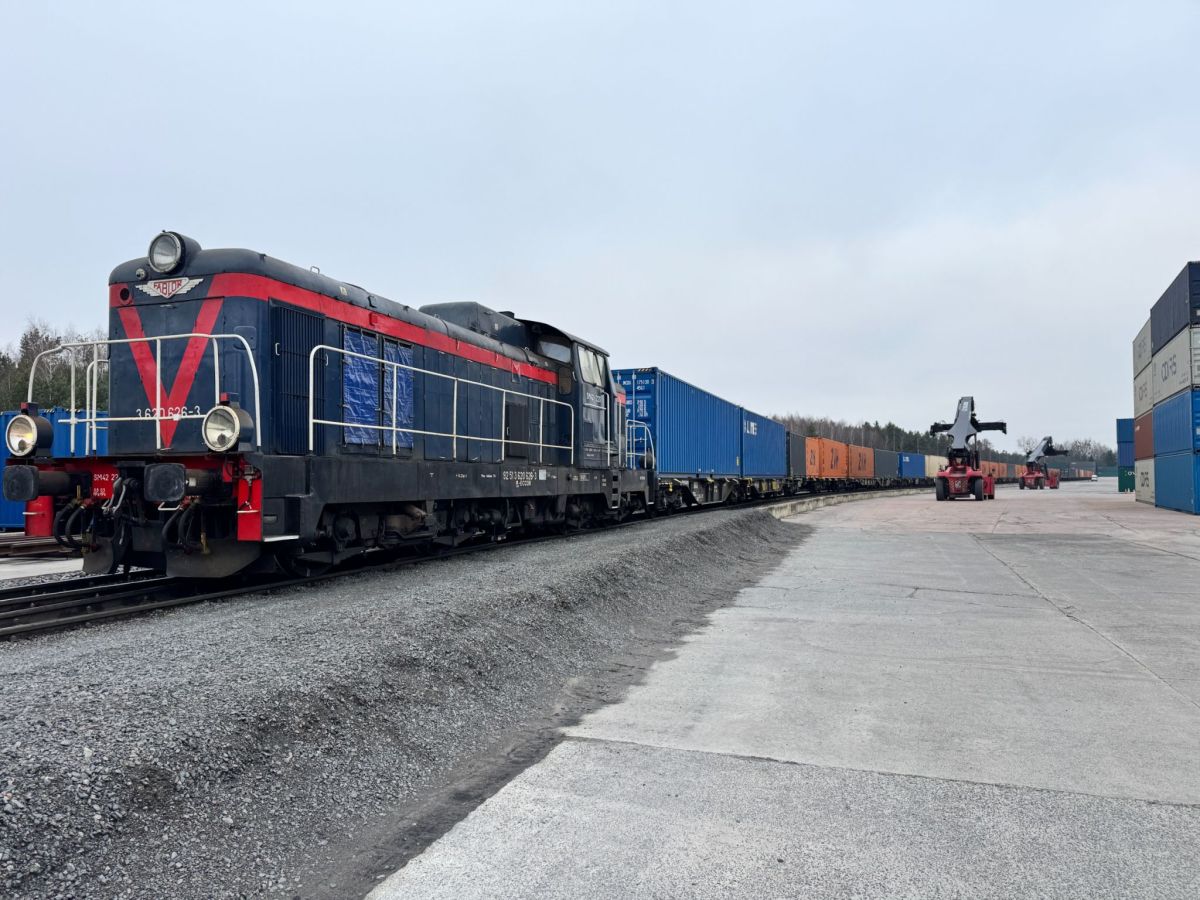
METRANS adds Dębica to its Polish intermodal network
Dębica serves as an industrial and transport hub for the region.
Both Laude and Loconi indicate that the cooperation opens further development possibilities in cross-border container transport, combining their respective networks and operational capacities.
The Grand Est Region and the French State have introduced a joint scheme aimed at upgrading and expanding freight connections between private industrial sites and the national rail network.
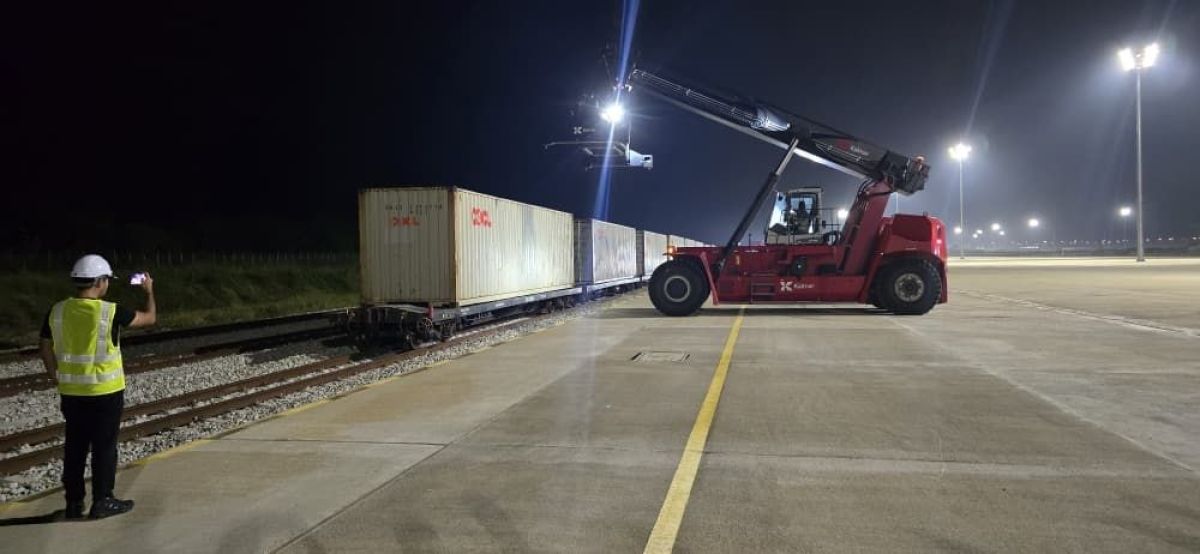
The inaugural train moved 40 containers in the 40-foot category, equal to 80 TEU.
The new schedule is a response to demand for more predictable planning during periods of high freight volumes.
Both corridors operate on a weekly pattern and follow the company’s full-schedule model.
ÖBB Rail Cargo Group has added two new TransFER connections, linking Tuzla with the port of Rijeka and launching a new non-stop route between Budapest and Curtici. Both services strengthen end-to-end transport chains in Central and South-Eastern Europe.
Rail freight volumes in Poland declined in the first half of 2025 compared to the same period a year earlier, reflecting broader downward trends across the European market.
Buzzi Unicem presents this reorganisation as a response to evolving environmental and logistics frameworks under the European Green Deal and national legislation on sustainable mobility.
Nymwag has completed construction of a new freight-wagon plant in Kolkata, developed through a joint venture with Texmaco. Trial production starts in November 2025.
MAN and VEGA roll out intermodal scheme for lower carbon truck deliveries
A new rail motorway terminal has been inaugurated at the commercial port of Sète, southern France.
The simulation focused on verifying the compatibility of the infrastructure and terminals at both ends of the corridor.
Operating under the name “SLoT Ost” (Salzgitter Logistic Transport Ost), the system connects the steelworks in Salzgitter with receiving points in Chemnitz, Gera, Glauchau, and Zwickau.
The agreements, some extending up to ten years, include customers such as Migros (retail food), fenaco (agricultural), Stahl Gerlafingen (steel), and Schweizer Salinen (salt).
The drop brings rail freight transport services to 9.6 billion tonne-kilometers—the lowest figure recorded since 2009.
The renewed route forms part of Ukrzaliznytsia’s broader attempt to increase cargo throughput and counterbalance the financial pressures caused by a decline in domestic and export freight volumes.
PKP Cargo has confirmed its strong position in Poland’s intermodal market, reaching 19.1% by mass and 18.6% by transport performance in H1 2025. The results come during the company’s restructuring process.
The launch follows a cooperation with Pasifik Eurasia and is part of the company's wider service between Turkey and Slovakia.
Leading companies and associations have launched the 'Save Combined Transport' initiative, warning that current rail network disruptions in Germany risk pushing freight back onto the roads. The sector calls for stable conditions, workable diversion routes and fair pricing.