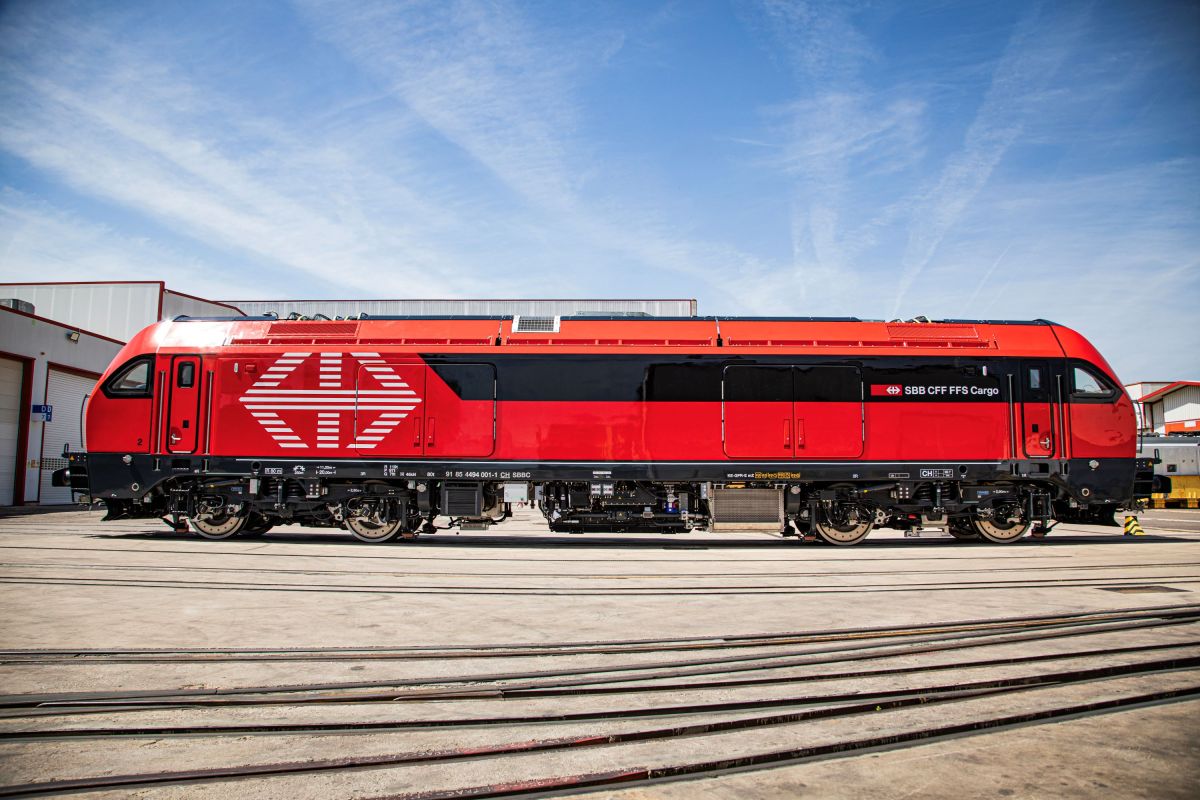
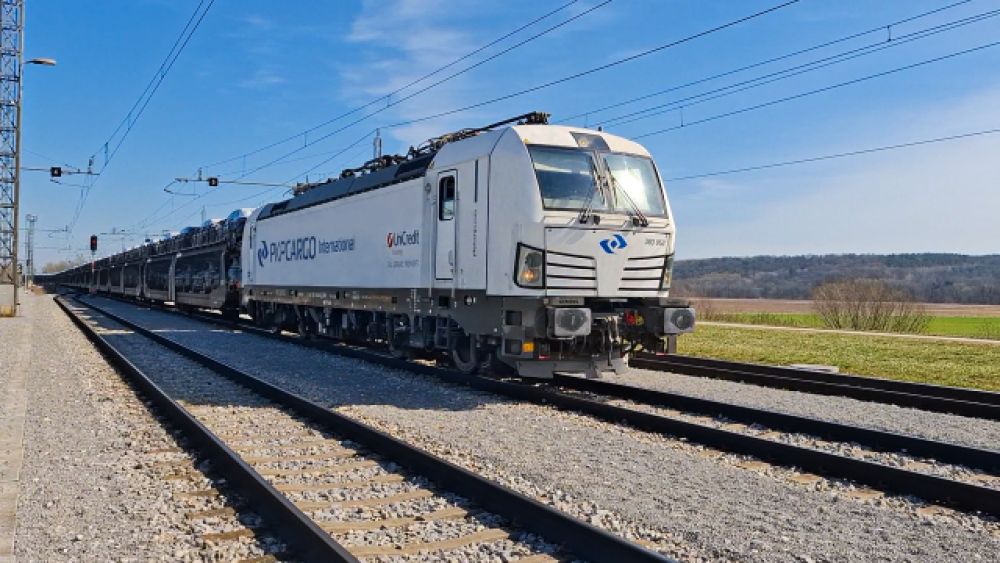
PKP CARGO Group has extended its operations in the automotive segment, focusing on cross-border rail transport from car manufacturing plants in Slovakia to the Slovenian port of Koper. The transport service is handled by PKP CARGO International, using multi-system locomotives that operate across Slovakia, Hungary, and Slovenia without requiring traction change.
One-day transit across three countries
The rail route between Slovakia and Slovenia spans approximately 650 km. Trains complete the journey within a single day by utilising through-haulage with multi-system locomotives. These locomotives are capable of crossing border sections without changing the traction unit, with only driver changes required, based on national certification and language requirements.
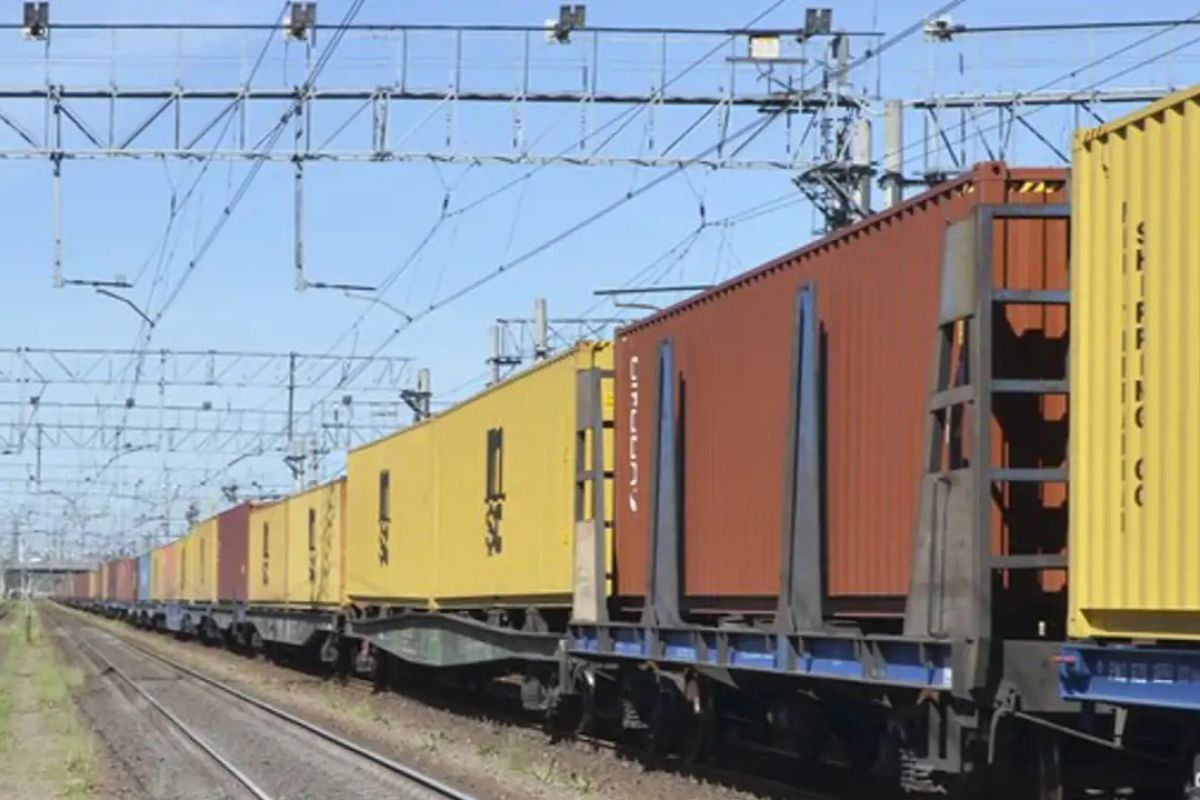
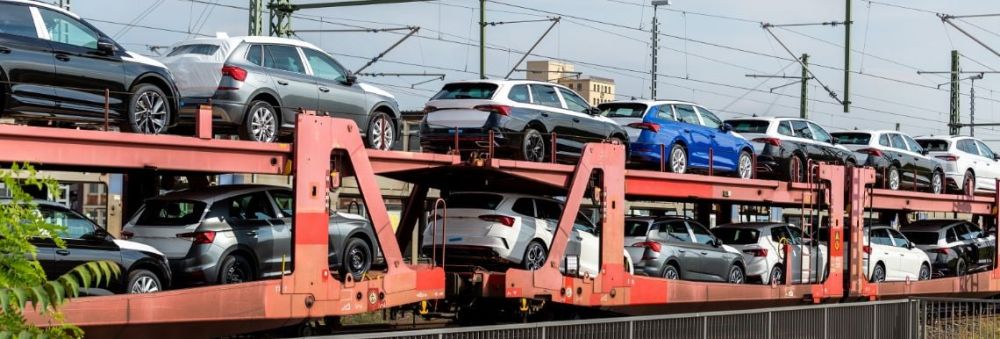
The shipments consist of finished vehicles, automotive components, and spare parts. Current contracts cover vehicles from eight different brands, transported on rakes measuring over 500 metres in length. Depending on the configuration and vehicle type, a single train may carry between 90 and 200 cars.
Long-term agreements and operational adjustments
Transport is conducted under contracts signed with international logistics providers, some of which include commitments extending up to three years. The Group has reported increasing volumes of automotive shipments and is adjusting its service planning and fleet allocation accordingly.
The logistics setup is designed to maintain fixed delivery times to support the continuity of production and distribution chains within the automotive sector. Route planning and railcar allocation are coordinated to meet reliability and lead time expectations.
Shift in modal preferences and rail-based logistics
The rising cost of road freight and stricter environmental regulations have influenced transport choices in the automotive industry. Rail continues to be used for medium- and long-distance shipments, especially when a consistent and scheduled solution is required across multiple national networks.
PKP CARGO has stated that its current fleet and traction planning focus on reducing transit time variability and adapting to infrastructure access requirements in all three countries involved in the route.