The driver, despite trying to brake, was unable to avoid the collision. As a result of the accident, two elephants died on the spot and one was seriously injured. In addition to the driver, there were two other workers on the train. None of them were injured.
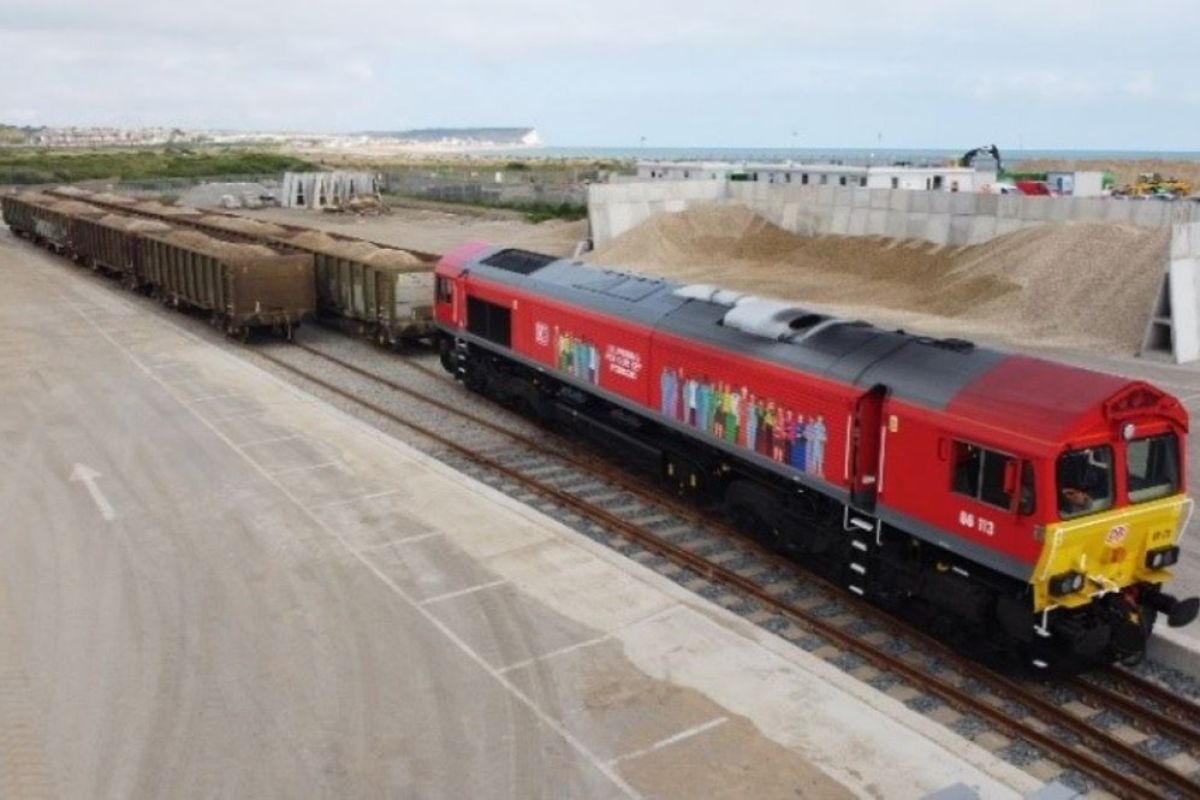
The train consisted of eight tankers - five of which were transporting diesel and the others petrol. Each had a capacity of approximately 50,000 litres. As a result of the collision, two wagons derailed, with their contents partially spilling onto the track. Due to the extensive damage, rail traffic on this section was suspended.
In Sri Lanka, elephants often cross railway tracks, especially in search of water and food, as their natural habitats are increasingly destroyed by agricultural and construction activities. In such situations, the animals become victims of collisions that not only affect the local fauna, but also cause danger to humans and damage to property.
In recent years, the number of collisions between elephants and trains has increased in Sri Lanka. This year, seven elephants died as a result of hit-and-runs, and by 2023, 24 elephants had lost their lives. It is estimated that the number of these animals has decreased from around 14,000 to six thousand since 2000.
The Sri Lankan authorities have been trying for years to find a way to solve this problem. One proposed solution is to build special fences along the tracks or create alternative migration routes for the elephants, but the process faces many logistical and financial difficulties. Protecting elephants, a cultural symbol of the region, is becoming increasingly difficult in the face of increasing demands for human expansion.
Source: sektorkolejowy.pl