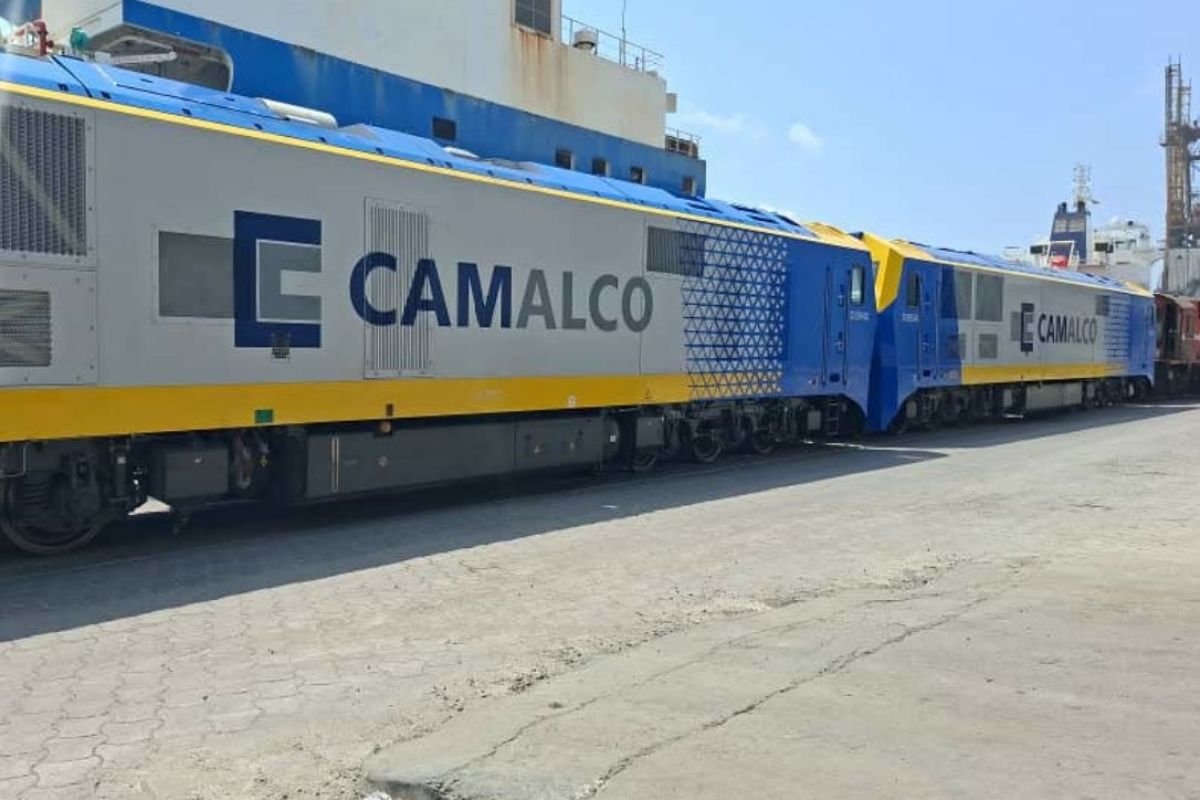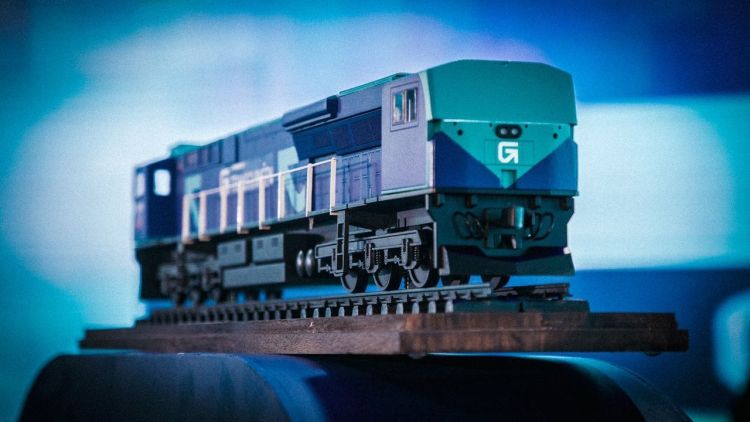
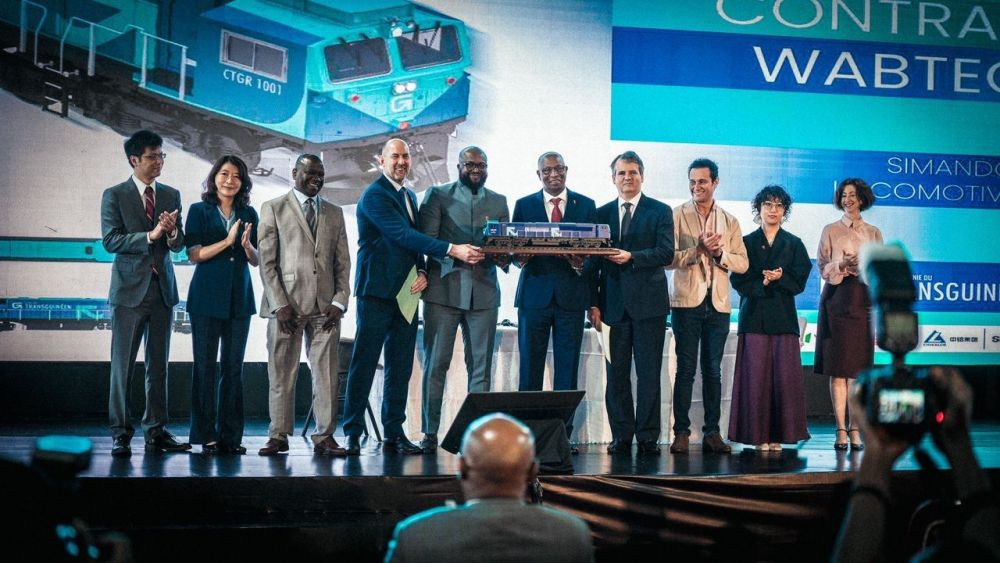
Wabtec Corporation has secured a $277 million contract to supply Evolution Series ES43ACmi locomotives to SimFer, a joint venture involving the Government of the Republic of Guinea, Rio Tinto, and Chalco Iron Ore Holdings (CIOH). This deal aims to enhance rail operations for the Simandou iron ore project in eastern Guinea.
SimFer, overseeing the Simandou project, highlighted the importance of this partnership with Wabtec. The acquisition of these locomotives is seen as a step towards realizing the TransGuinéen railway, a key infrastructure development expected to contribute to Guinea's economic growth. The locomotives are noted for their fuel efficiency and compliance with international emission standards.
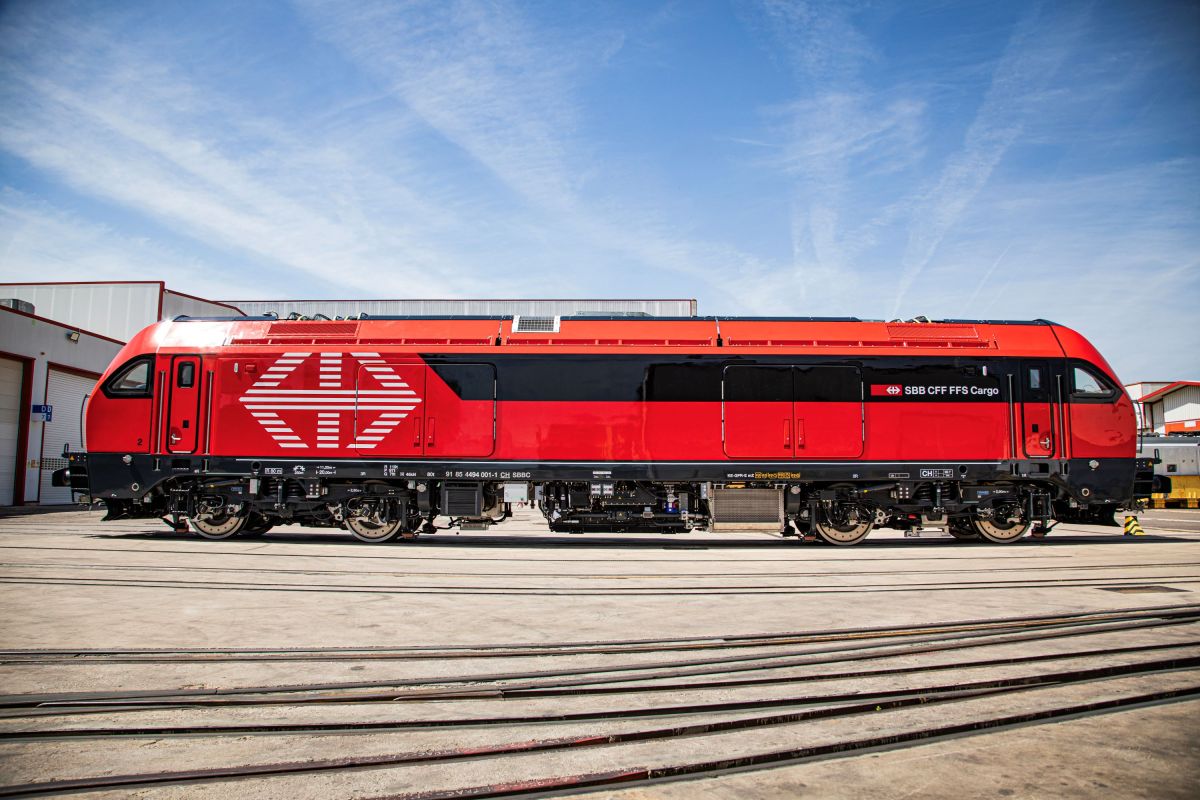
The ES43ACmi locomotives, featuring a 4,500HP Evolution Series engine, are designed for high-temperature environment, making them suitable for the challenging conditions anticipated in the Simandou project. With 700 of these locomotives type under construction for Indian Railways, Wabtec has recently released 500th locomotive made. The two-cab, six-axle locomotives have a 3.4 MW V12, 4-stroke turbocharged engines and have starting tractive effort of 544 kN.
The Simandou mountain range, located in southeastern Guinea, is known for having the largest untapped reserve of high-grade iron ore globally, estimated at over 2 billion tonnes. The development of this resource is viewed as a significant opportunity for Guinea, potentially driving substantial economic progress.
Preceding the locomotive deal, Rio Tinto has received the necessary regulatory approvals to advance the Simandou iron ore deposit. This includes approvals from both Guinean and Chinese authorities, alongside a green light from the Simfer board, paving the way for a $9.2 billion investment in the project's development.
The joint venture, comprising Rio Tinto (45.05%), Chalco Iron Ore Holdings (39.95%), and the Government of Guinea (15%), will cover substantial portions of the infrastructure costs. The project includes the construction of over 600 kilometers of new multi-use railway and port facilities, facilitating the export of up to 120 million tonnes of iron ore annually.
The Simfer initiative also involves contributions towards the development of blocks three and four of the Simandou project, alongside the construction of a spur rail line and a transshipment port. Meanwhile, the Winning Consortium Simandou (WCS), partnering with Baowu and the Republic of Guinea, will handle the main rail line and additional infrastructure components.
The first production from the Simfer mine, known as Simandou South, is expected next year, with a planned ramp-up to an annual capacity of 60 million tonnes over 30 months. The mine will initially produce a single fines product before transitioning to a dual fines product suitable for both blast furnace and direct reduction applications.