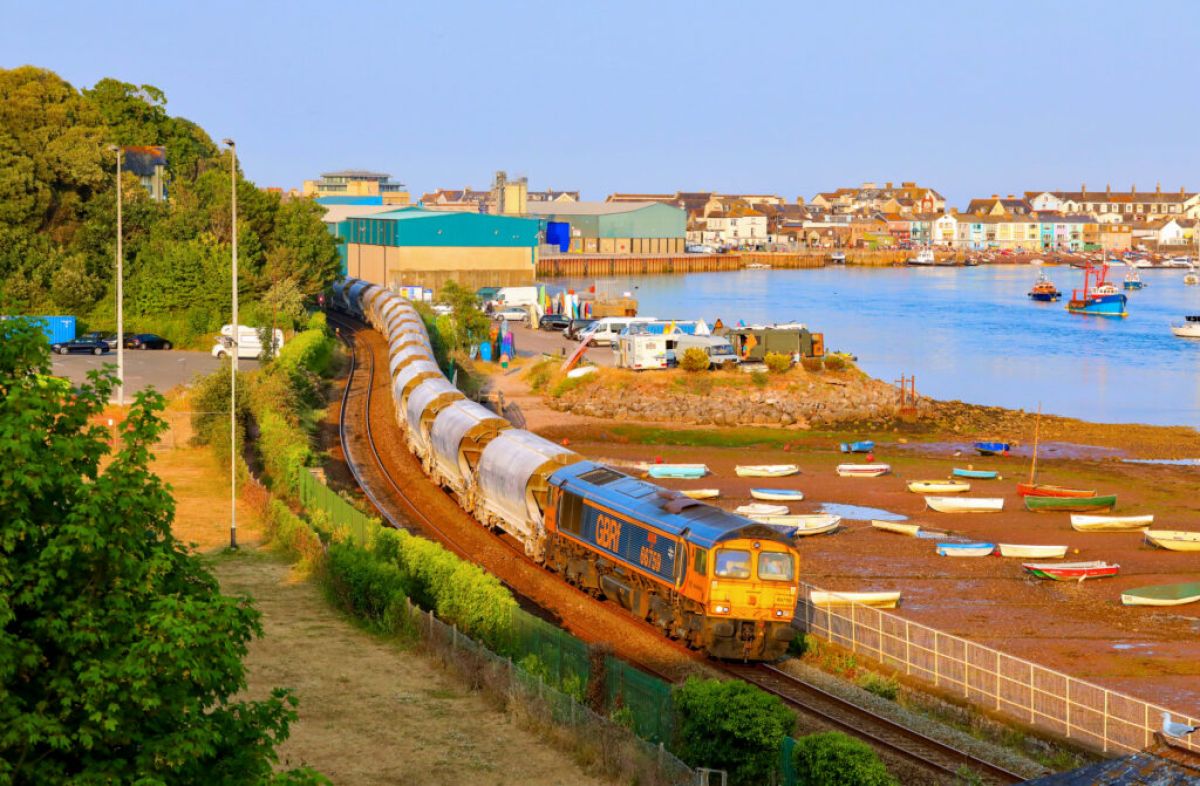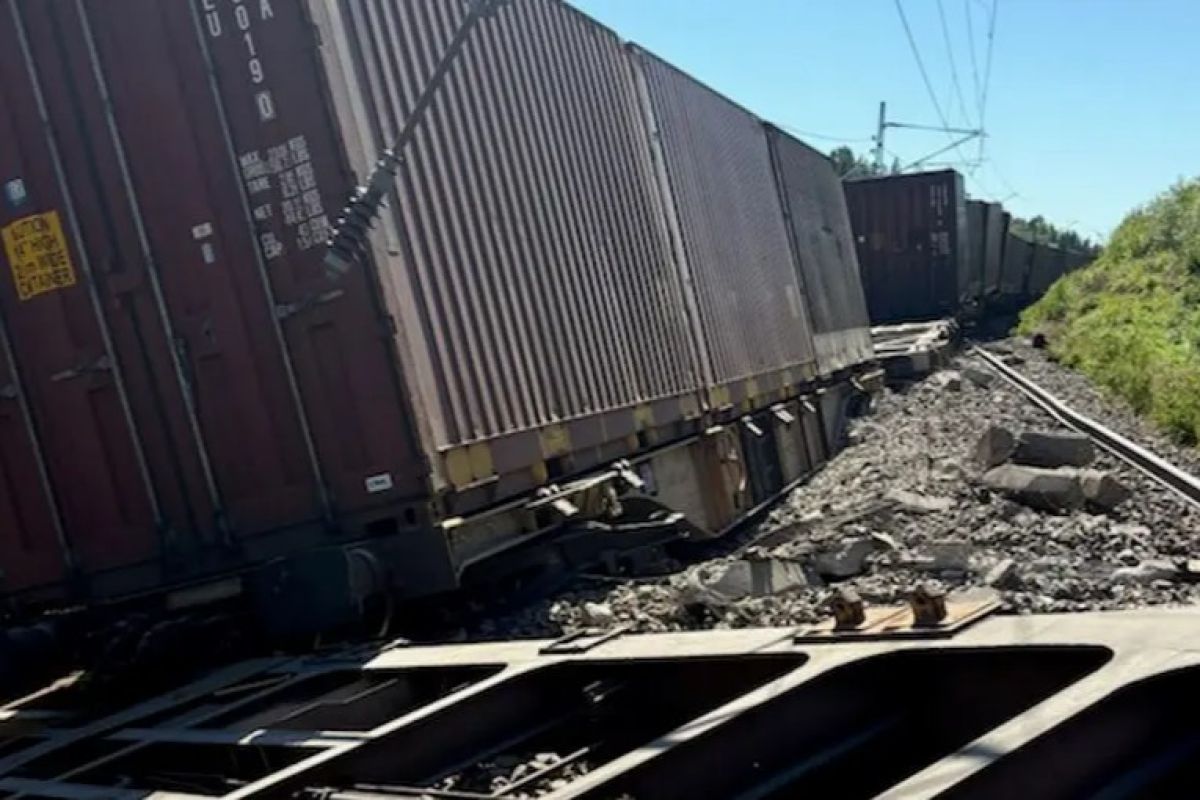
New research published in Risk Analysis has found a link between the length of freight trains and the risk of derailment. The study, which analyzed Federal Railroad Administration (FRA) data on freight train accidents from 2013 to 2022, was conducted by researchers from Brigham Young University, Georgetown University, and Virginia Tech.
The research shows that while longer trains offer operational efficiencies, they are more likely to derail. Specifically, a 100-car train is 11% more likely to derail than a 50-car train, and a 200-car train is 24% more likely to derail. This is even after considering the reduced number of trains needed when longer trains are used.
The study used a novel quasi-induced exposure (QIE) method to address the challenge of lack of exposure data for non-accident train journeys. The researchers were able to infer the derailment risks associated with different train lengths by comparing derailments with control accidents at highway-rail grade crossings, where train length is not a factor.
The findings come as US regulators and policymakers debate how train length affects safety. Legislative efforts, such as the Rail Safety Act of 2023, aimed at regulating the length of freight trains were prompted by the February 2023 derailment of a 151-car train in East Palestine, Ohio.
Despite the efforts of rail carriers to maximize train lengths to maximize profits, technical limitation impose uncalculated risks. "There are other options of increasing profit, such as the right use and rotation of wagonsets, that bring similar benefits without congesting the lines and stations. To achieve this, we have developed a platform that connects the demand with offer on rails and increases utilization of assets," says Dalibor Michálek, Senior Sales Manager in RAILVIS.com.