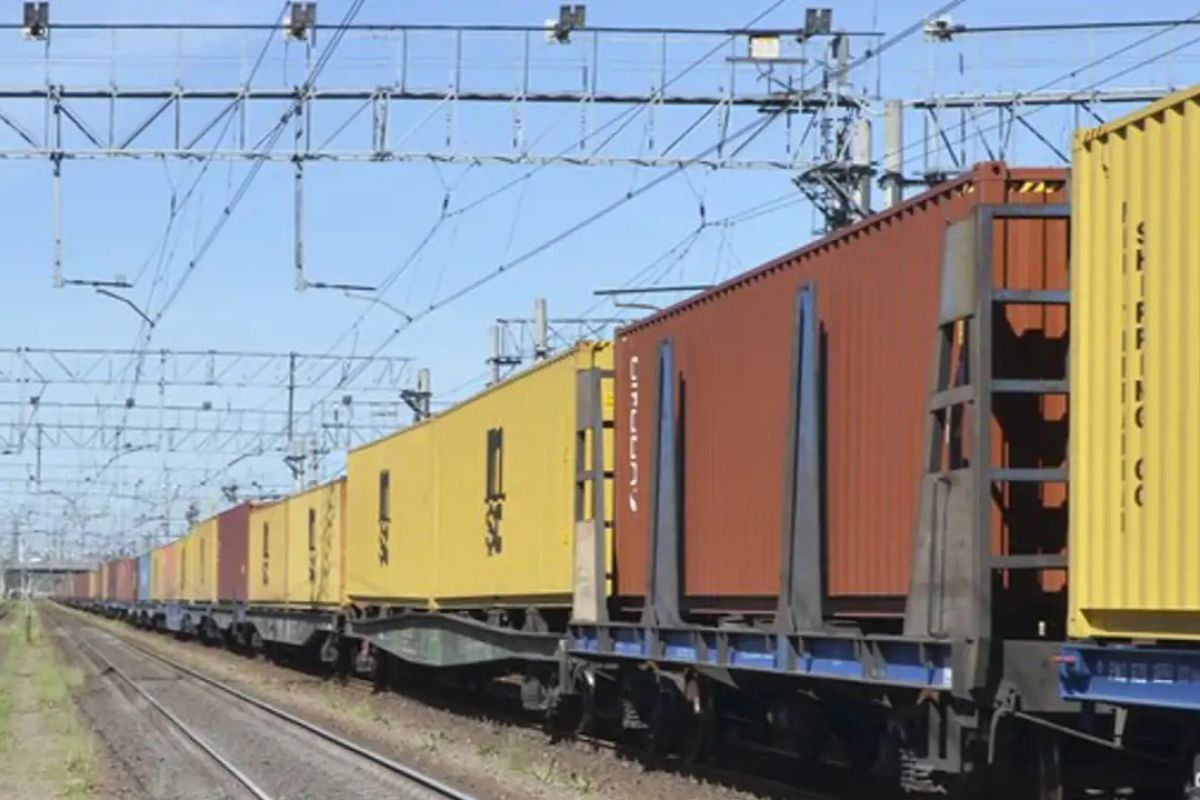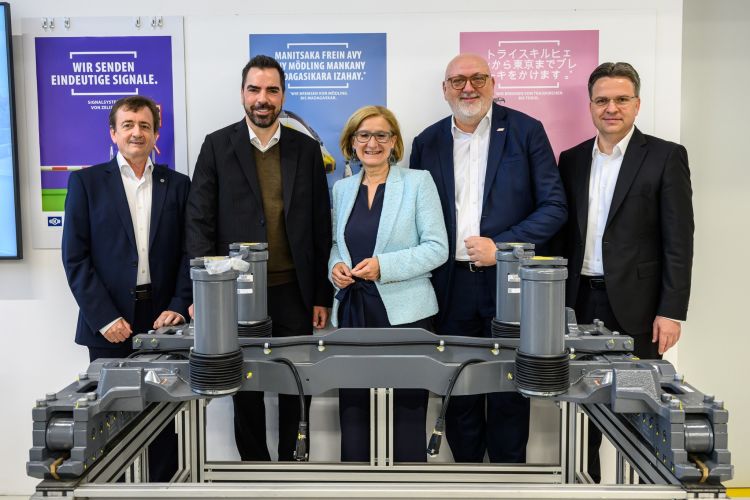
At a recent meeting in Mödling, Lower Austria Industries Federation (IV NÖ )President Kari Ochsner and ÖBB CEO Andreas Matthä called for more freight to be moved by rail. This event, held at Knorr-Bremse, highlighted their commitment to this shift.
Governor Johanna Mikl-Leitner backed the initiative, noting the environmental benefits and the need for EU support to ensure stable rail infrastructure for Lower Austria's export-focused industries.
Economic and Employment Contributions
A study by the Economica Institute found that the rail industry contributed around 269 million euros to Lower Austria's economy in 2022. This sector's impact is roughly a fifth of that of the tourism industry, with total effects reaching 393.2 million euros.
The rail industry also supports 3,438 jobs across Austria, with 81% of these positions based in Lower Austria.
Investments and Challenges
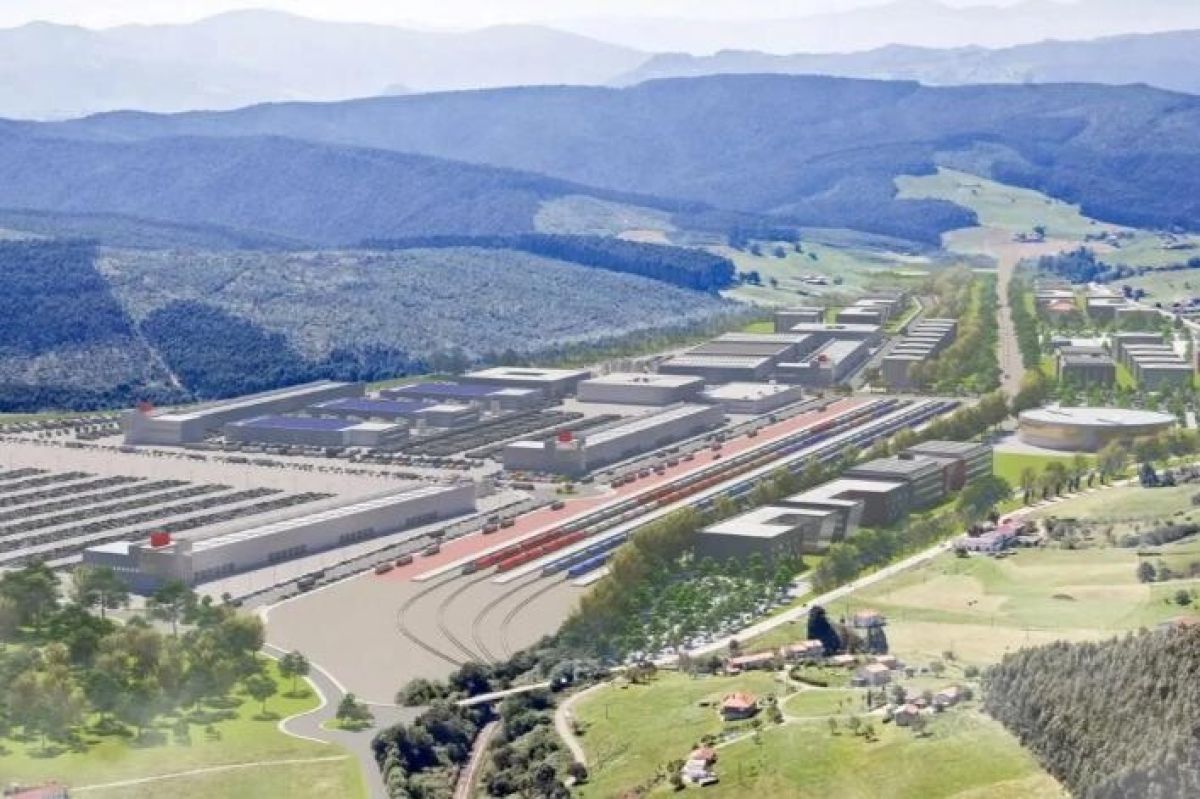
ÖBB plans to invest nearly 5.4 billion euros in Lower Austria's rail system by 2029. Key projects include the Vienna South freight center and upgrades to major rail lines. These investments aim to handle expected growth in rail traffic by 2040.
However, cost disadvantages and competitive conditions need addressing to make rail more appealing compared to road transport. Lower Austria has launched a funding program to encourage businesses to switch to rail, a model now adopted by other regions.
Advancements in Rail Technology
Knorr-Bremse is developing digital technologies to improve rail freight efficiency. Their Digital Automatic Coupling project aims to automate and digitize rail freight operations, enhancing competitiveness and efficiency.
Future Infrastructure Plans
The framework plan for 2024-2029 includes significant investments in Lower Austria's rail infrastructure. Projects like the Northern Railway and the Semmering Base Tunnel will expand and improve the network, with goals to support longer and heavier trains and separate freight from passenger traffic in busy areas.