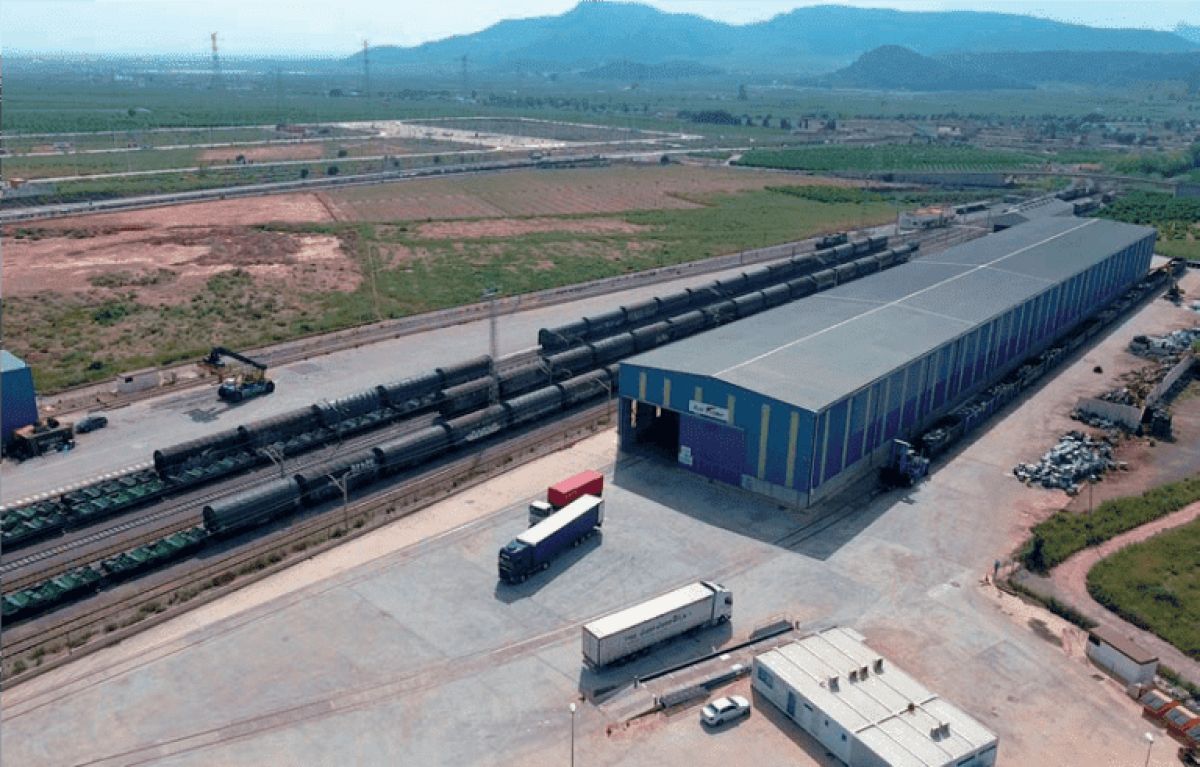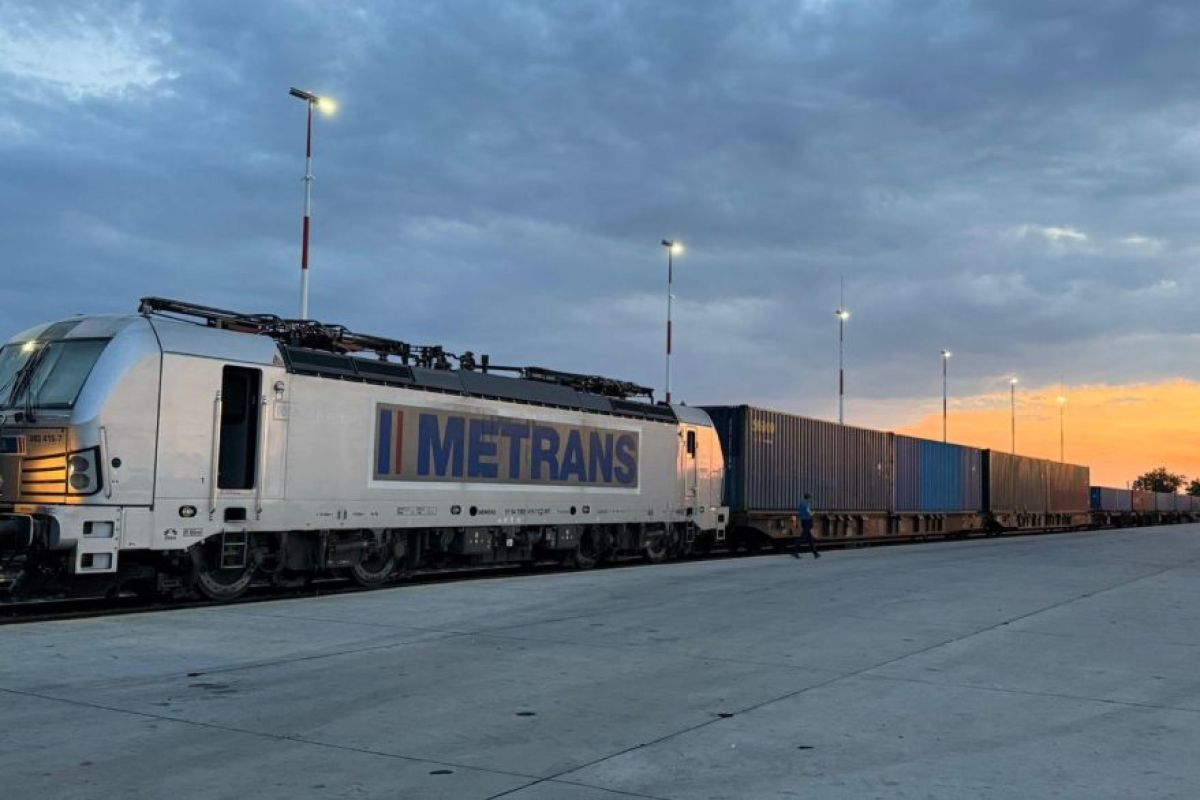

Tågab launches asphalt stone rail flows for Eurosand
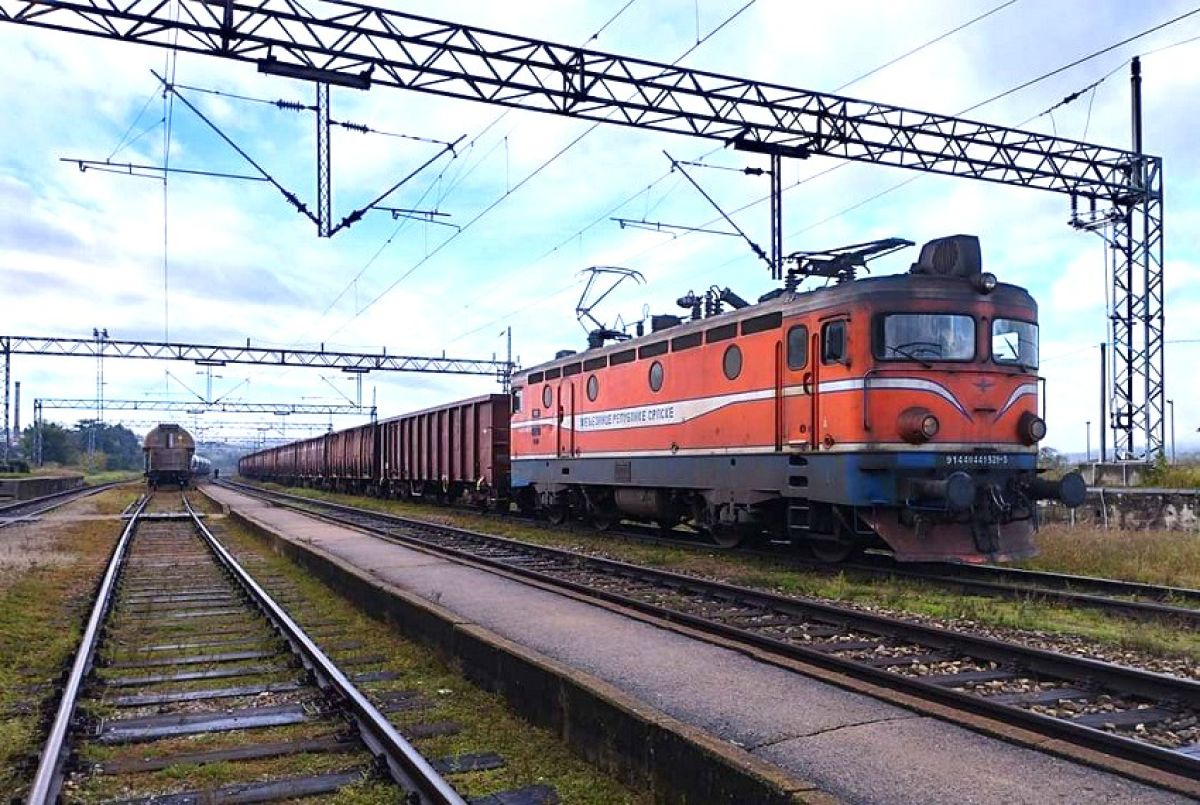
According to Tågab, the services will operate with electric locomotives for the full route.
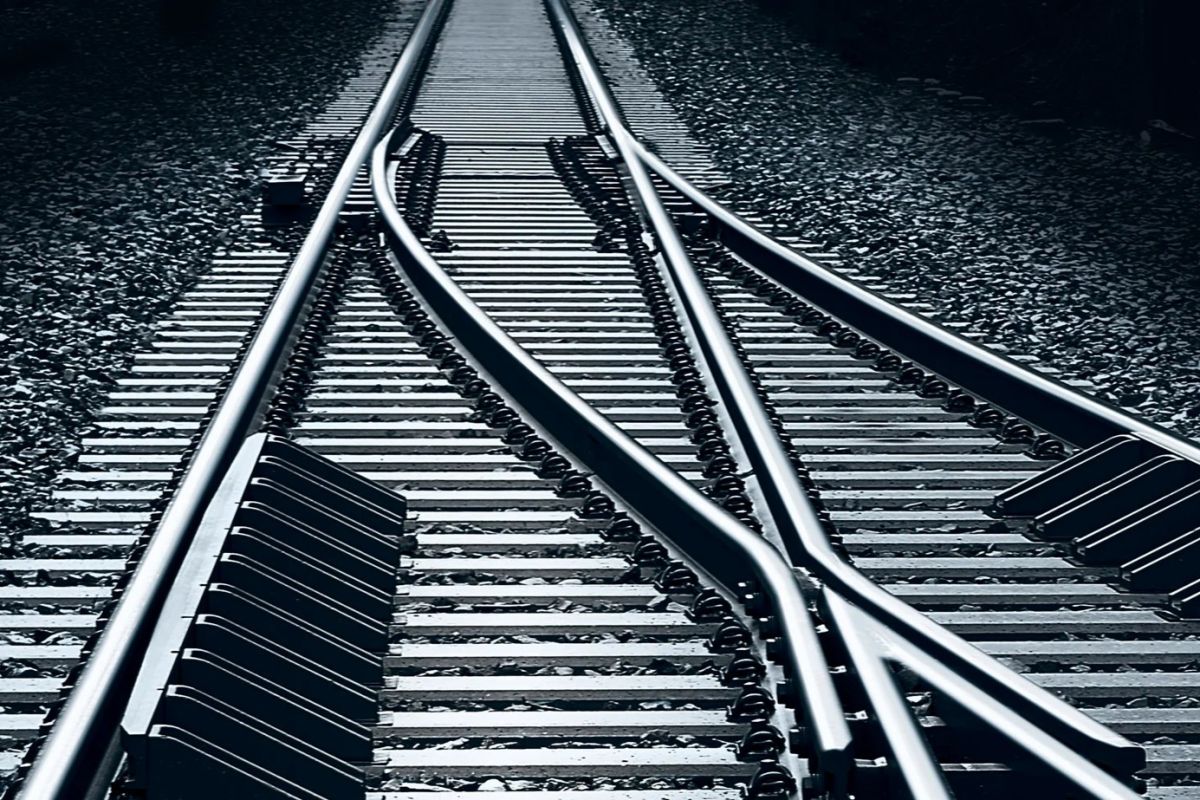
Vossloh stated that demand for large turnout components is expected to increase as DB advances network upgrades across Germany.
The shuttle operates three times per week, with plans to increase to five rotations in the coming months.
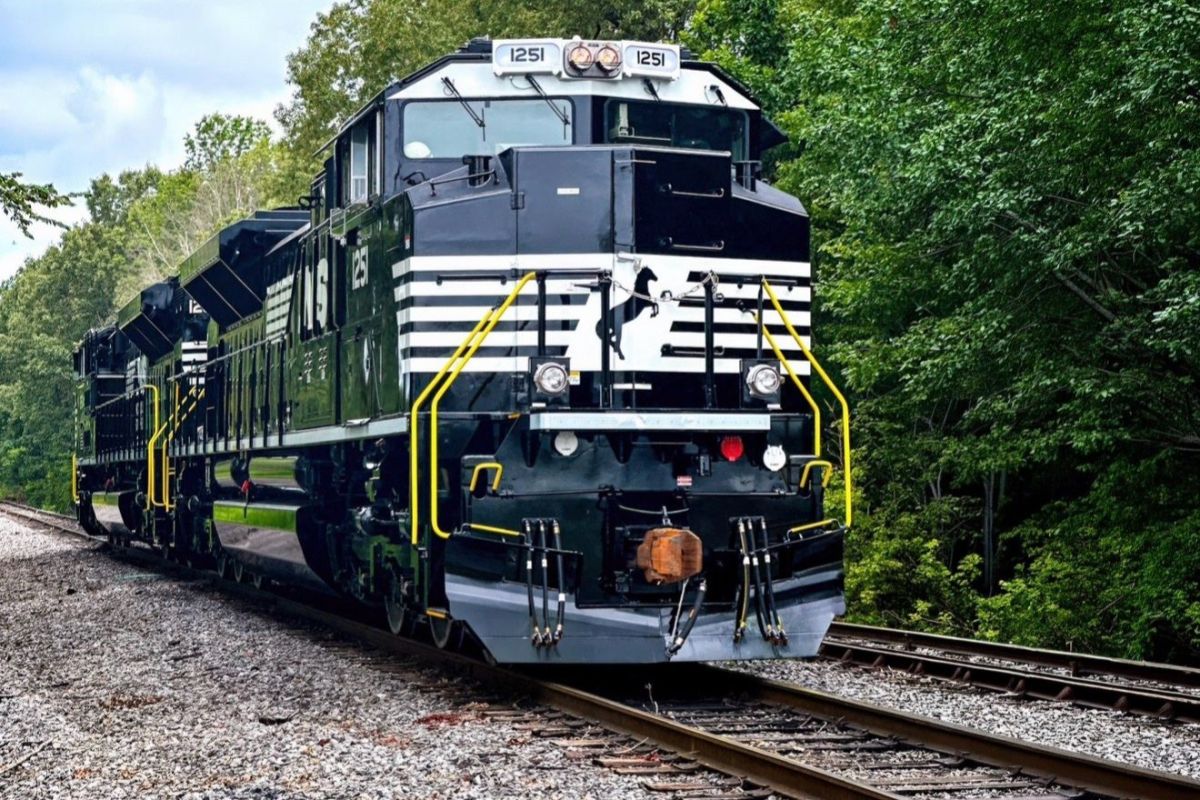
The phased modernization will allow NS to return upgraded locomotives to service progressively between 2027 and 2029.
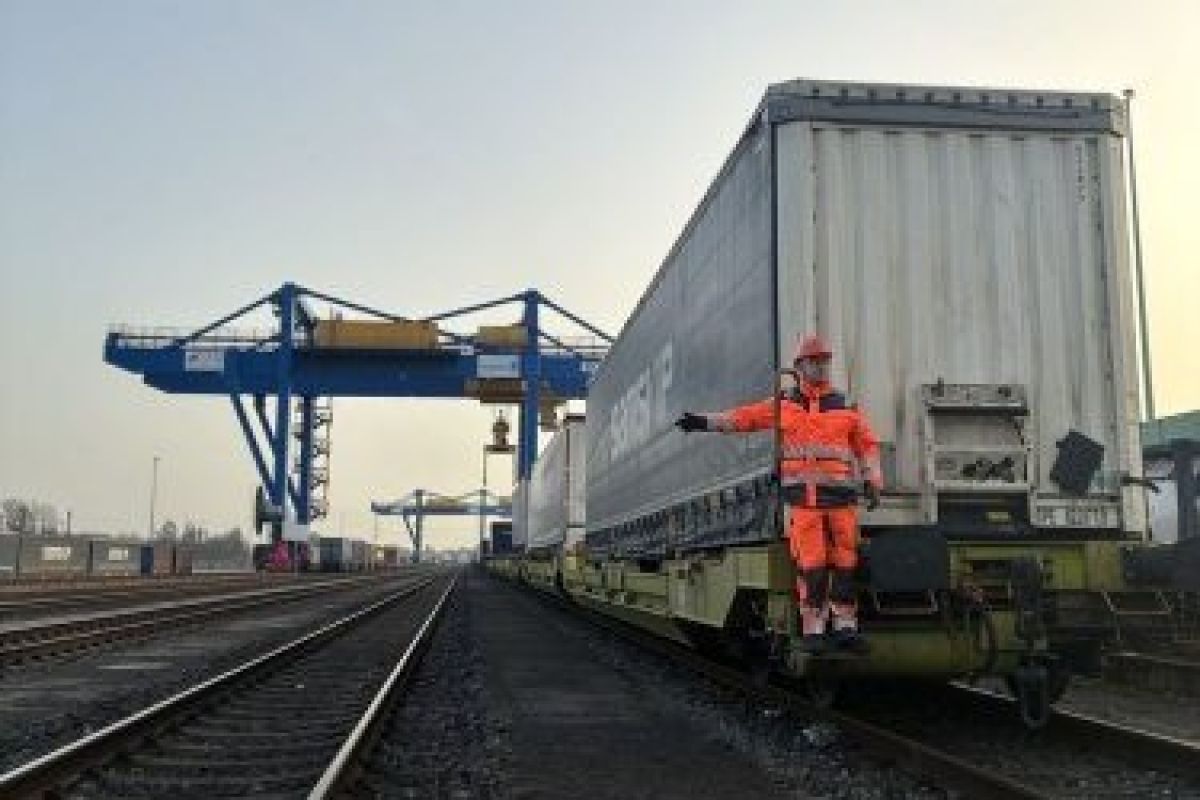
The service is available to all rail operators using the terminal.
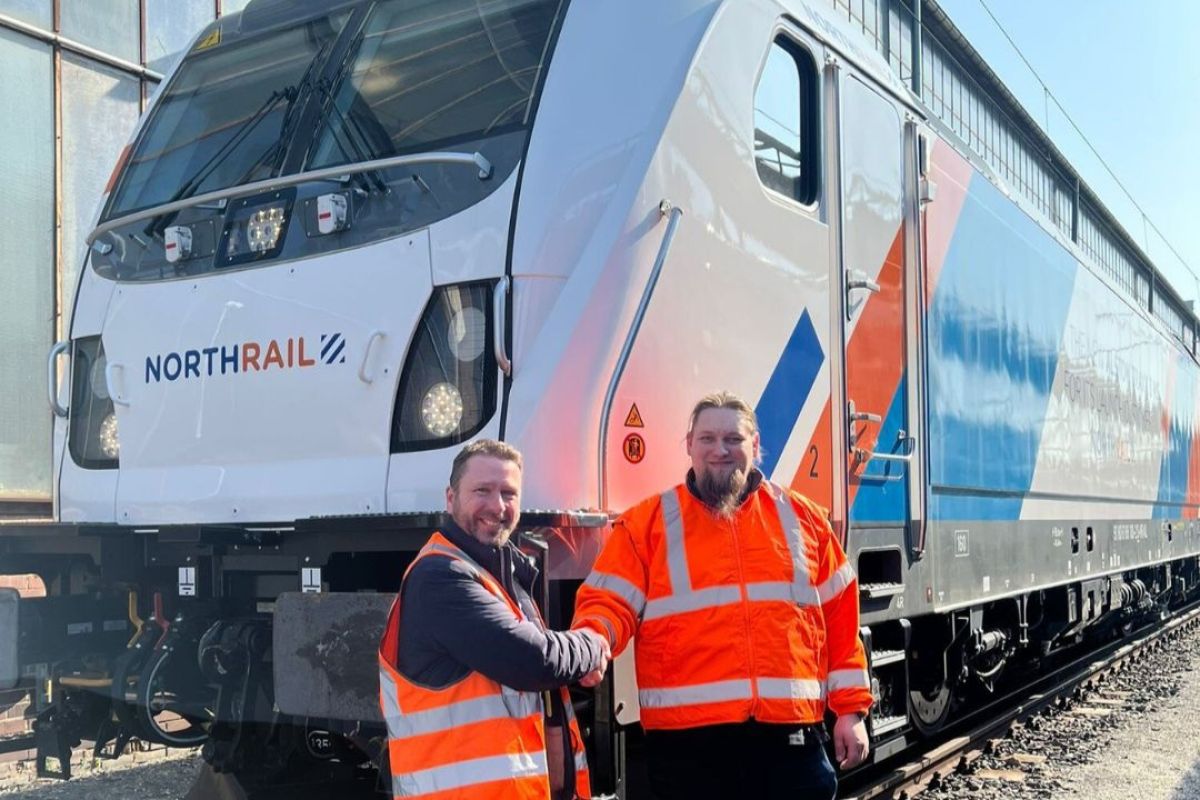
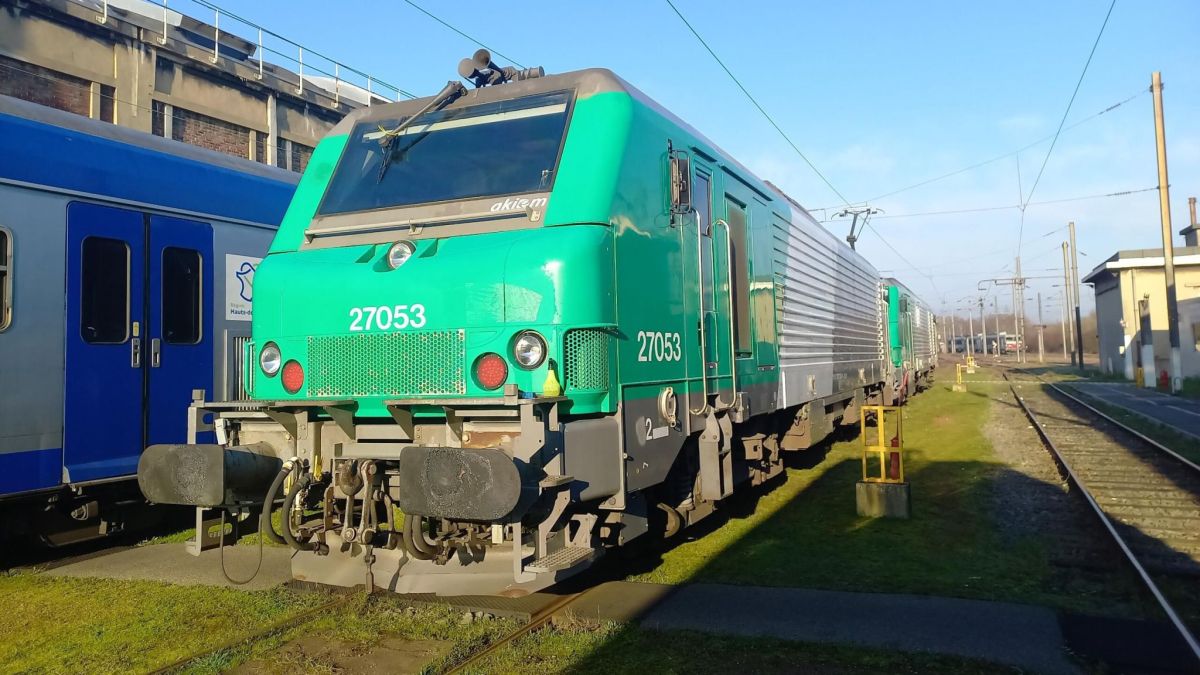
The multi-system locomotives are part of a fleet renewal that will see existing KombiRail locomotives returned as the new units enter service.
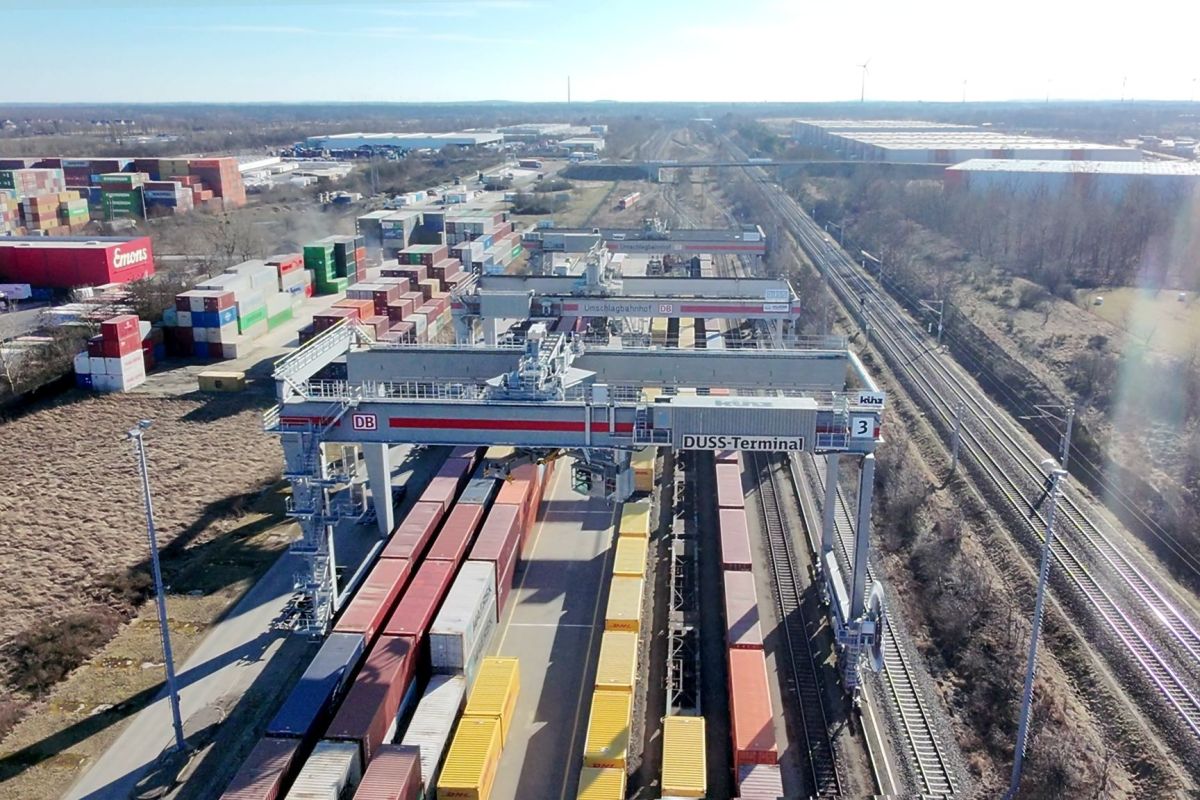
The terminal is located adjacent to several logistics companies and serves combined transport flows in the Berlin region.
The Dutch operator plans three weekly return services on each route at launch, increasing both corridors to daily operation by summer 2026.
The contracts cover the delivery of vehicles and related services for the operation of next-generation maintenance equipment.
The approval by the Office of Rail Transport (UTK) confirms that PLK’s safety management system complies with EU requirements for infrastructure managers.
The service will operate two round trips per week, with one outbound and one return connection, and can increase to three round trips in the short term.
The agreement covers full-service maintenance for the fleet, which is already in circulation.
The movements were carried out on behalf of the Norwegian Armed Forces and civil protection authorities.
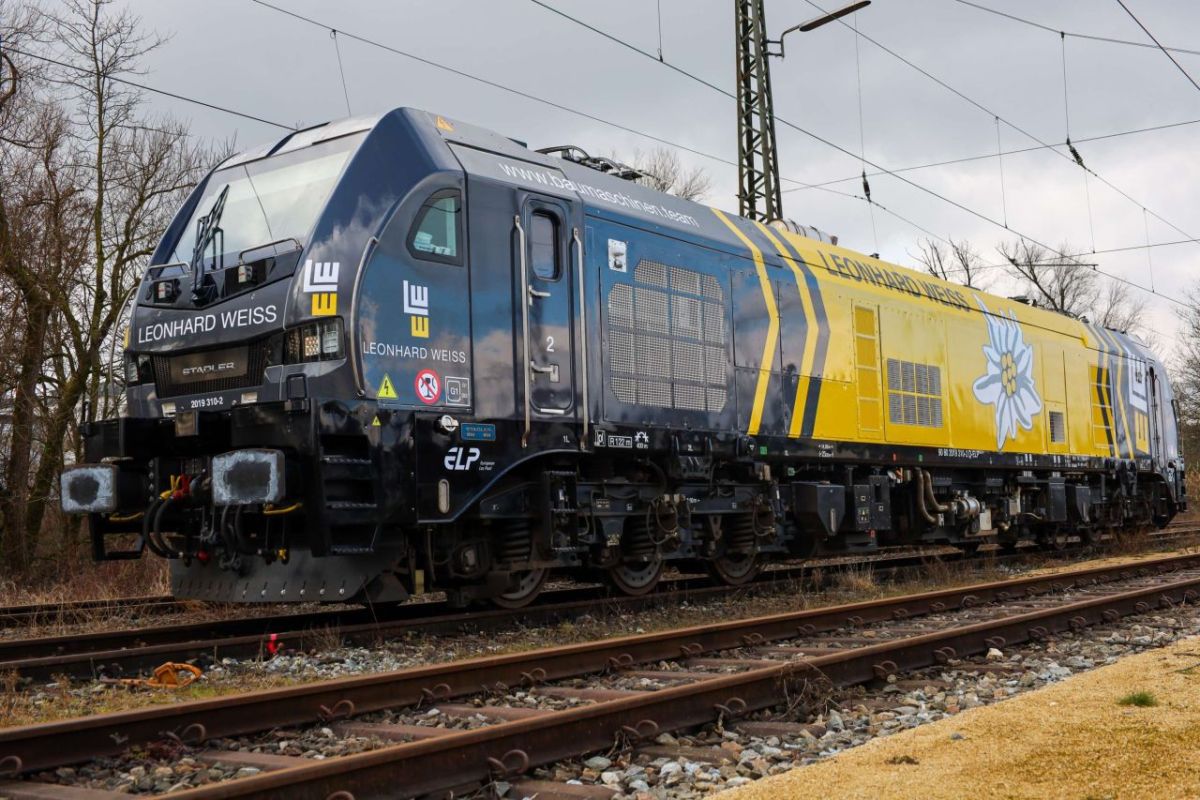
The locomotive has been delivered in the contractor’s yellow and black livery.
The operator is seeking sufficient train paths to run nine daily return services between Turin and Naples and four between Turin and Venice.
The ports of Bremen and Bremerhaven handled 65.3 million tonnes of seaborne cargo in 2025, up 5.4% year on year, with container traffic in Bremerhaven driving the increase. Throughput reached 4.9 million TEU, a rise of more than 10%.
No trains are operating to or from the high-level platforms, and low-level services are running through the station without stopping.
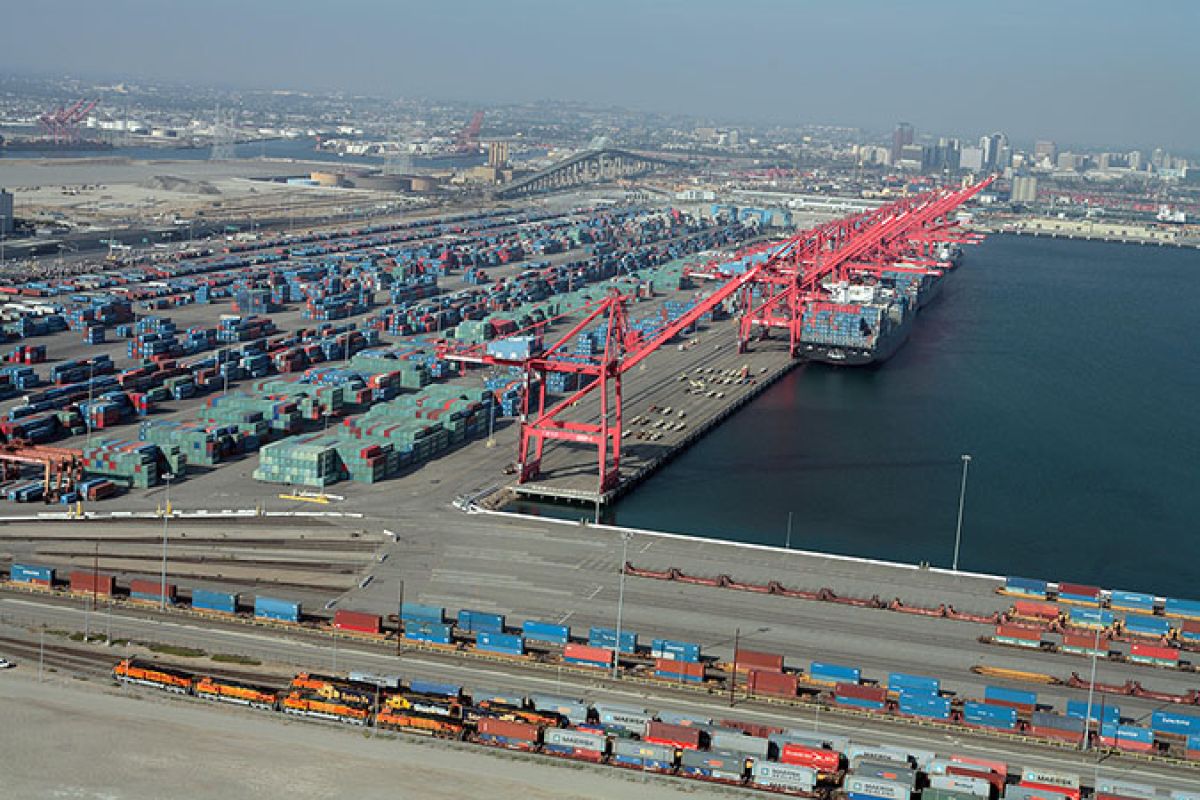
The scheme will cover the majority of the carrier’s international intermodal containers moving inland from Los Angeles at no additional charge to customers.
The acquisition was finalised in Rome on 4 March 2026.
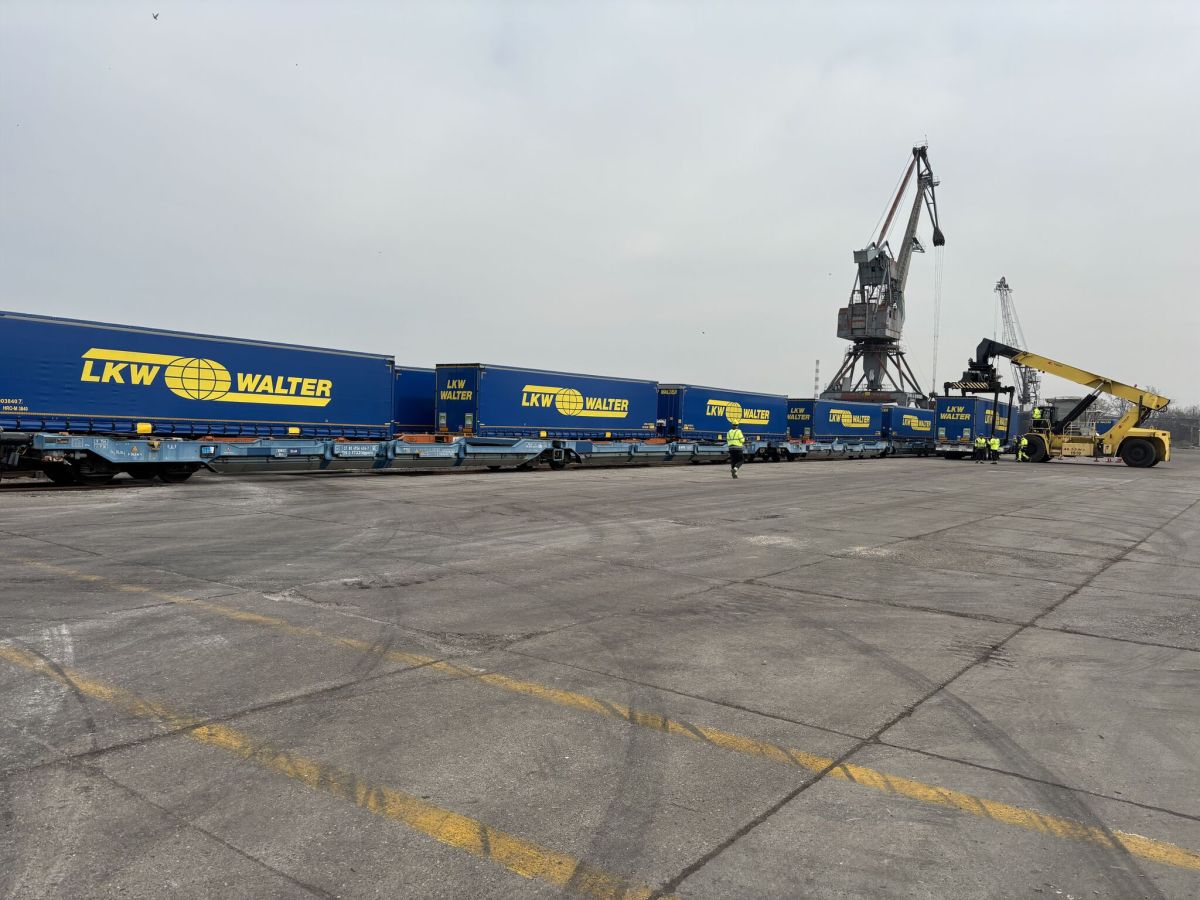
LKW Walter has introduced a new intermodal connection between Novi Sad in Serbia and Herne in Germany, offering three roundtrips per week with a transit time of 46 hours.
The transaction concerns the Arad South intermodal terminal, located in western Romania near the Hungarian border.
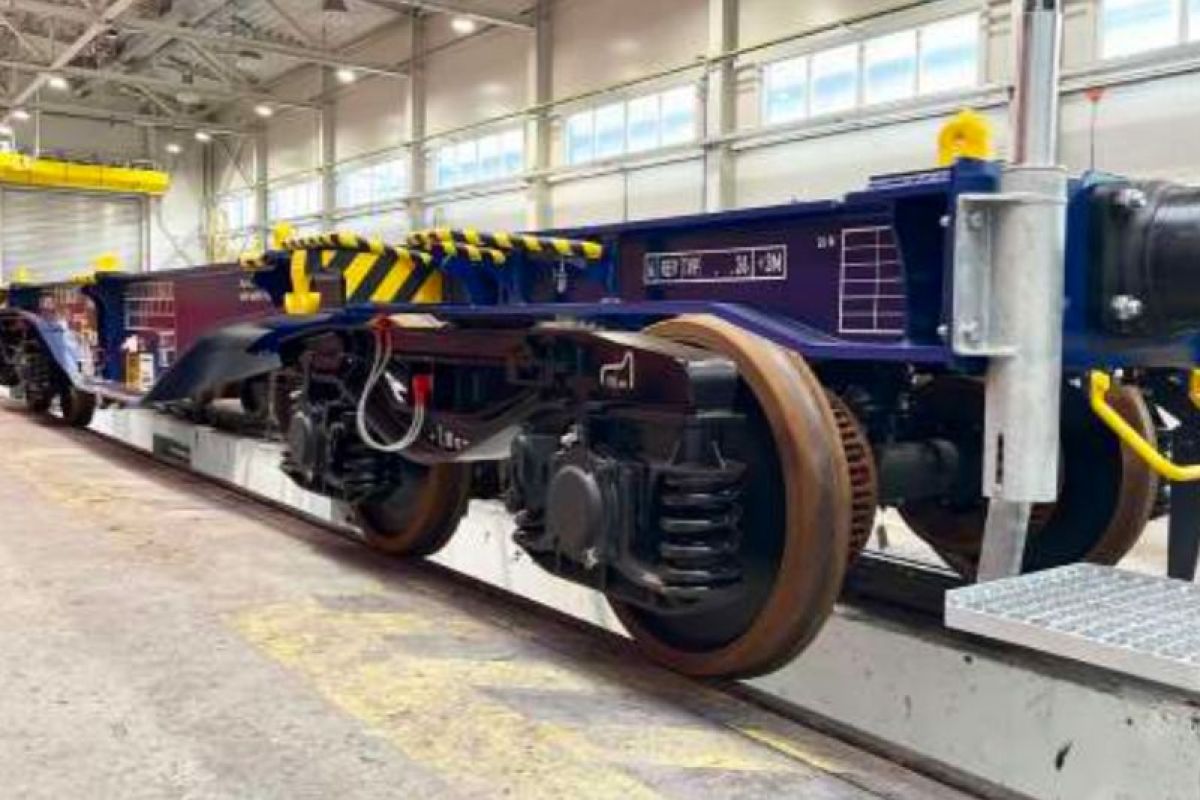
After ramp-up, monthly output is planned at 40 to 60 wagons, with production scheduled to continue through the end of September.
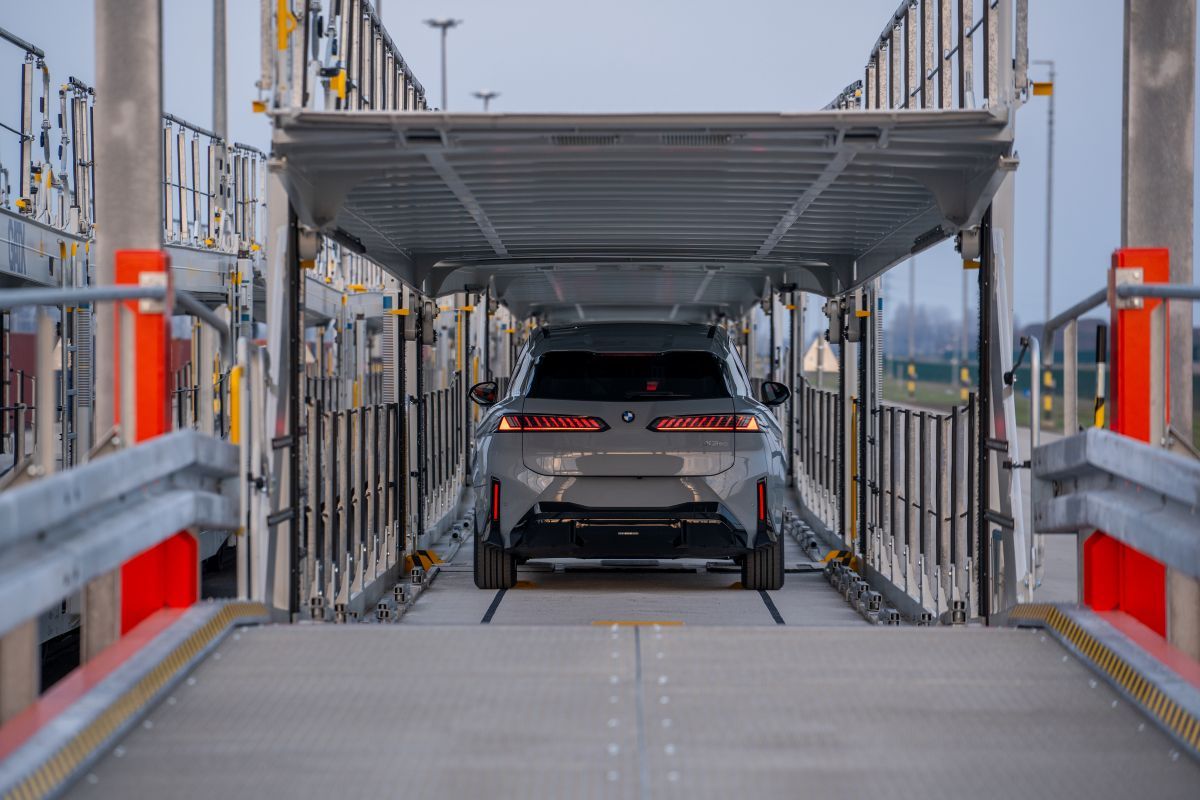
Operations began in March with high-volume rail transport of finished vehicles from the Hungarian plant.
The notice follows restrictions announced by several shipping lines due to heightened security risks in the Middle East.
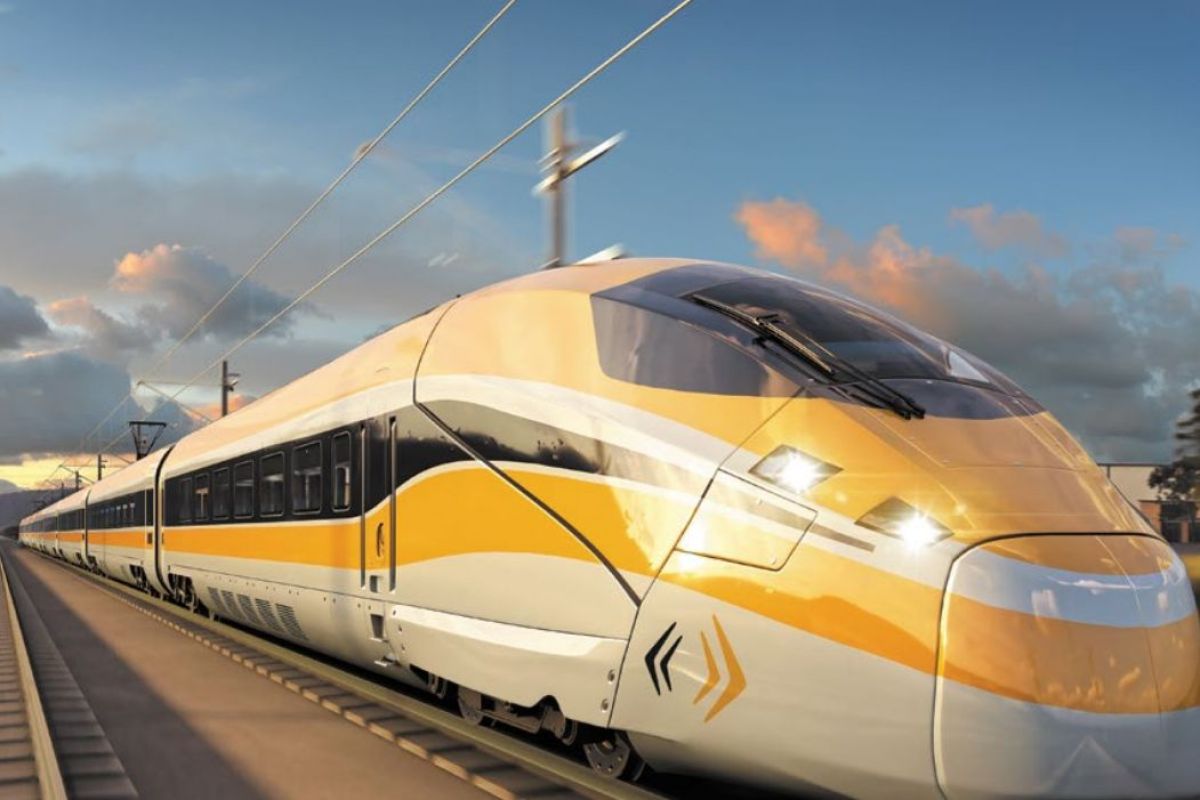
The revised approach follows a joint review with the Federal Railroad Administration (FRA) and feedback received during the earlier request for proposals.
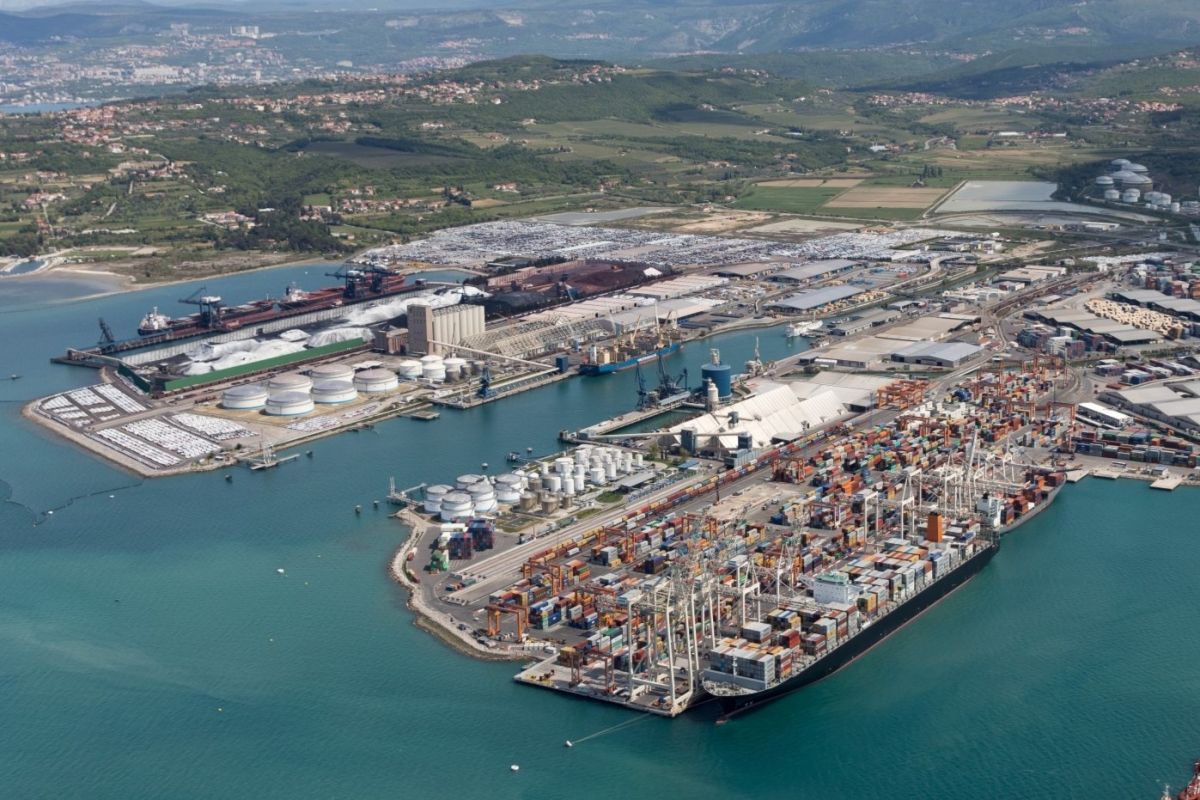
This brings rail into regular use at the Adriatic port and adds an intermodal option for cargo flows.
During negotiations, the delivery schedule for the first vehicles was brought forward, with handover now planned by the end of 2027.
The locomotives have been deployed into regular operations since the end of 2022.
Traffic on the Omarska–Zenica route stopped on 2 March 2026 after Nova Ljubija notified the railway on 27 February that shipments were being suspended due to operational problems at the Zenica steelworks.
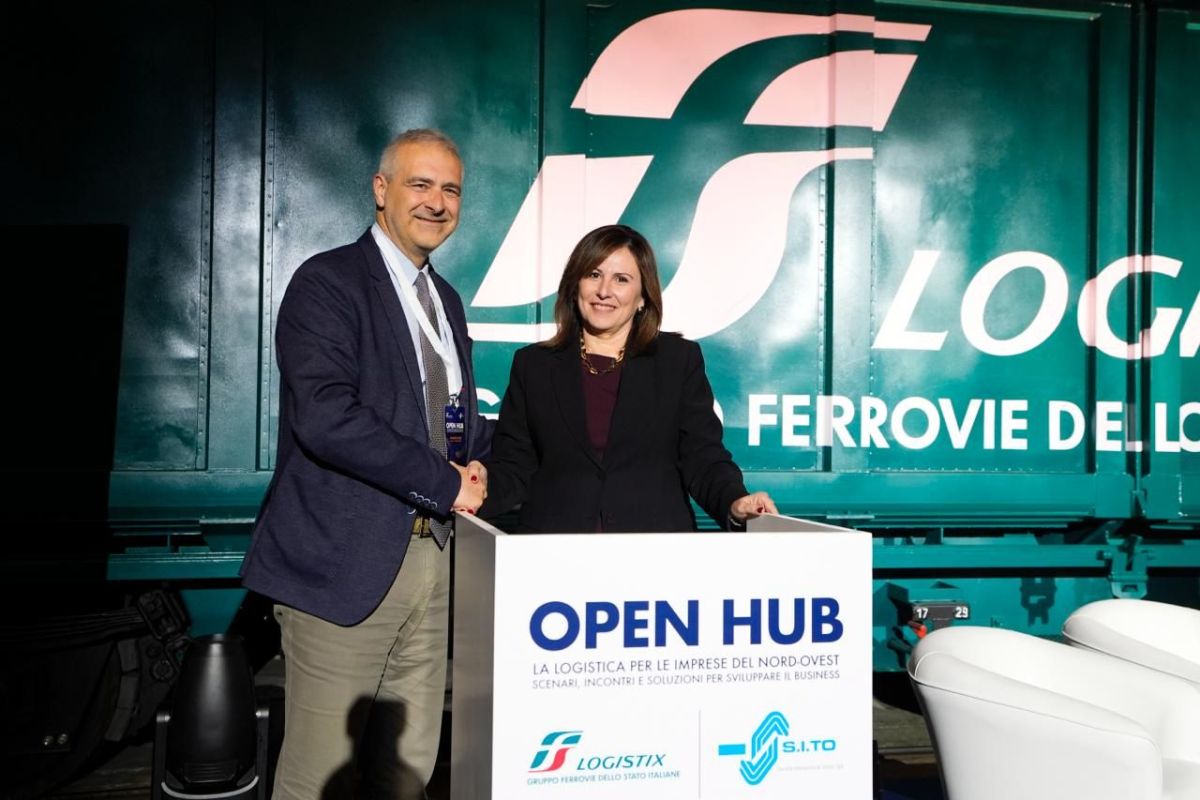
Two signed memoranda of understanding aim at developing intermodal logistics in Northwest Italy, focusing on the Turin–Orbassano terminal.
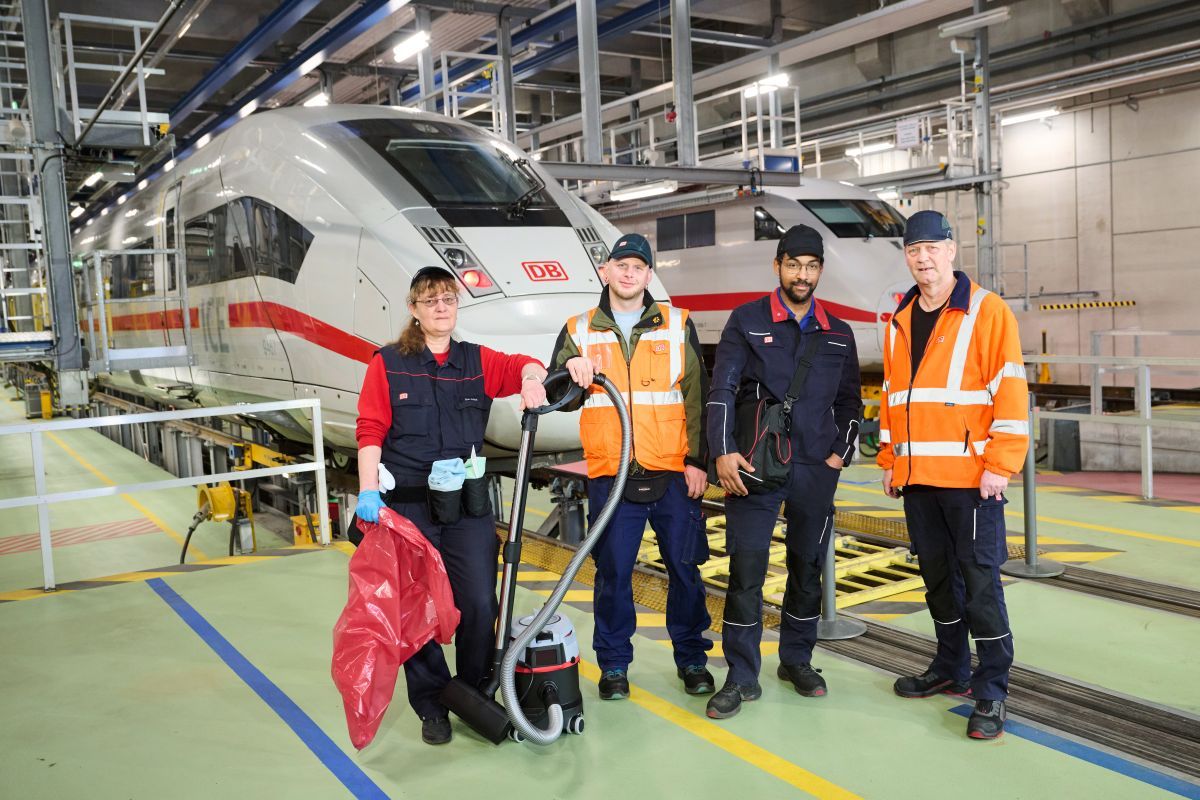
Deutsche Bahn (DB) and the German federal government have launched an immediate action programme titled “More Comfort on Long-Distance Trains”, backed by an additional EUR 20m in 2026.
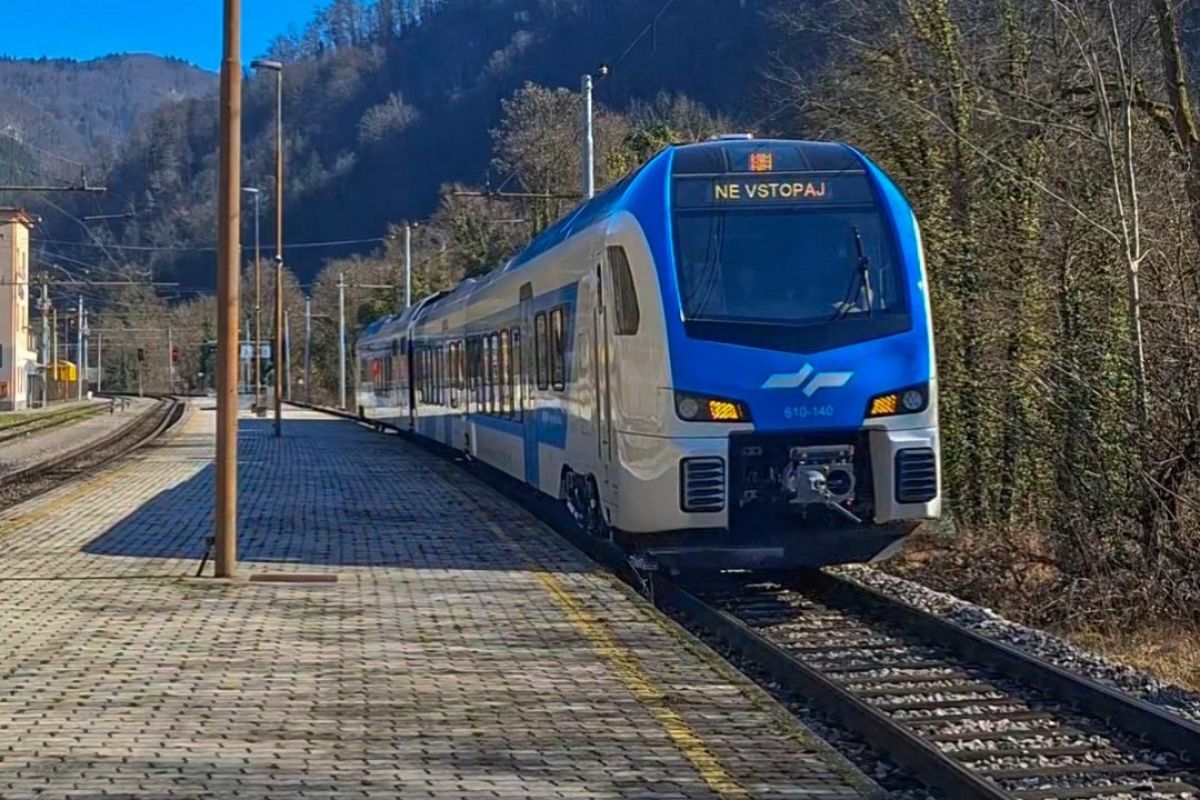
Slovenian Railways (SŽ–Potniški promet) transported 20.9 million passengers in 2025, the highest annual total since Slovenia’s independence and 25% more than in 2024.
From Kraków, the service continues internationally via Ostrava, Olomouc and Pardubice to Prague, establishing a through Warsaw–Kraków–Prague connection.
The 17-acre terminal provides direct northbound and southbound access to the West Coast Main Line via the Northampton loop.
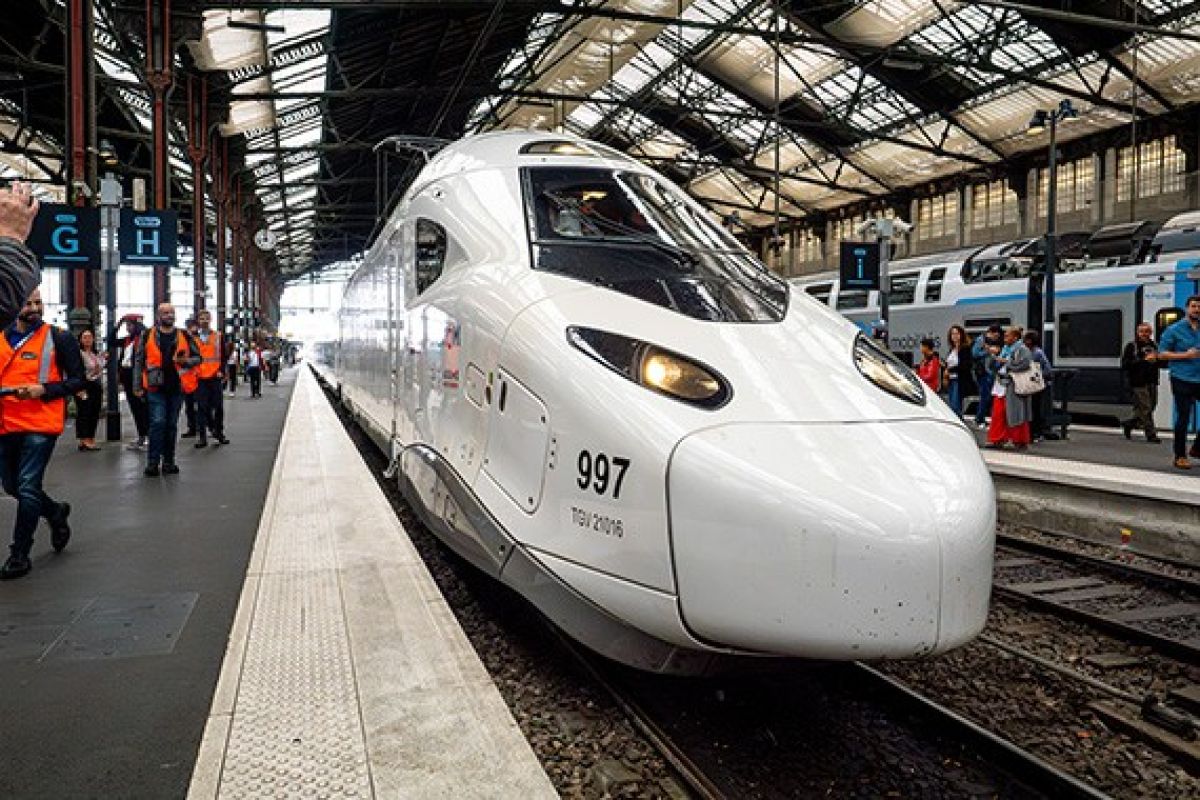
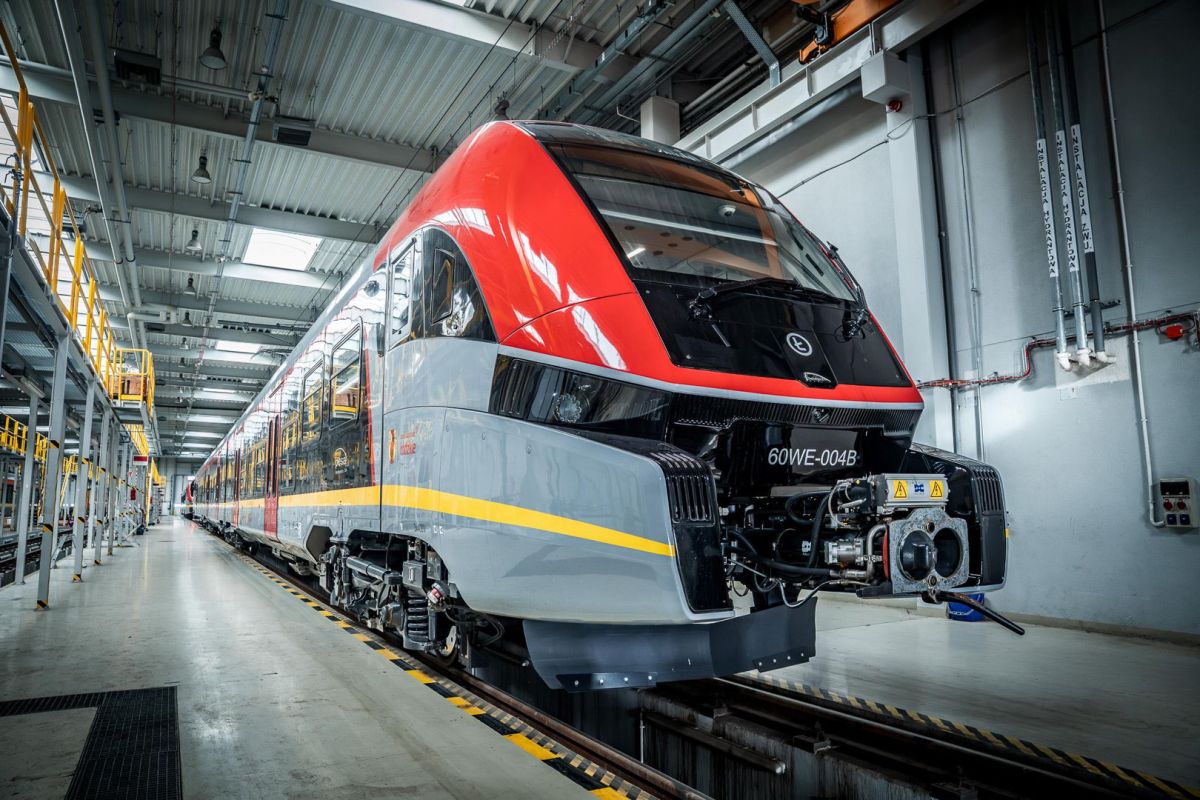
The three-car train has arrived in Łódź, with staff training and entry into service scheduled ahead of the June timetable change.
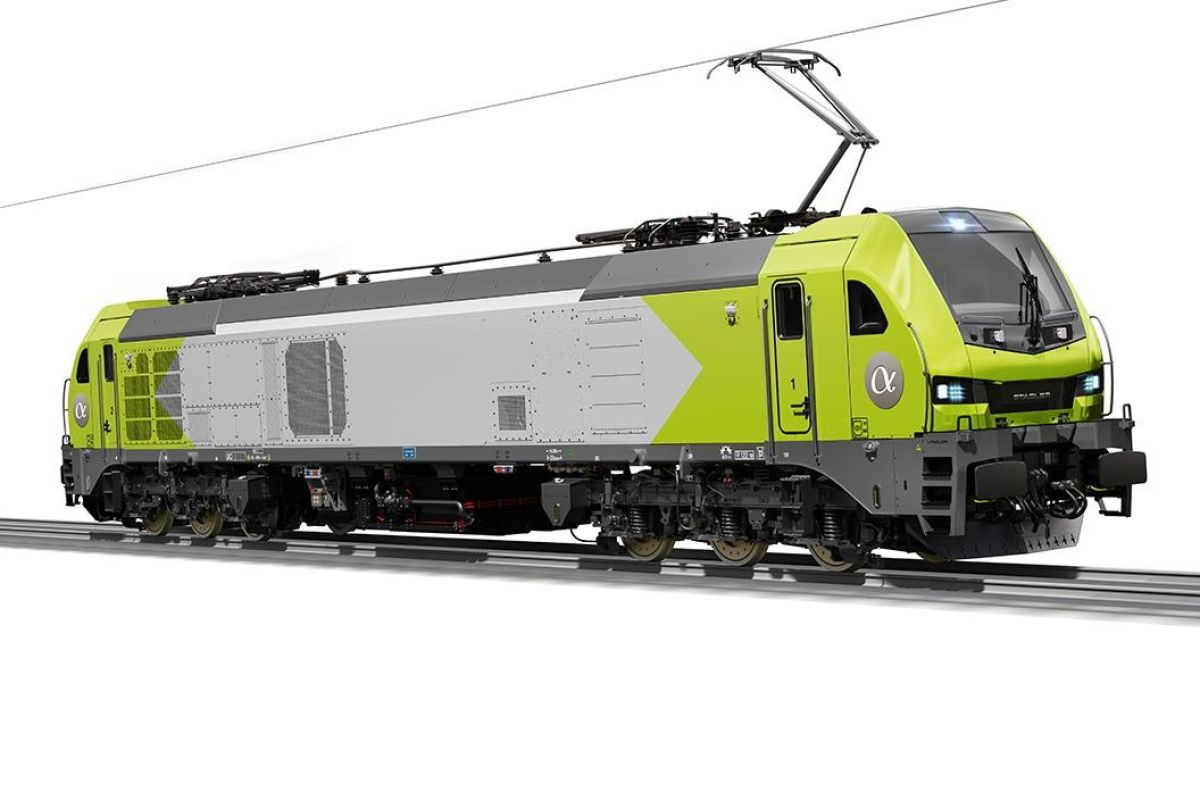
The locomotives will operate primarily in Germany and on the Rhine–Alpine Corridor linking the North Sea ports with Southern Europe.
The growth follows the launch and expansion of several new intermodal services.
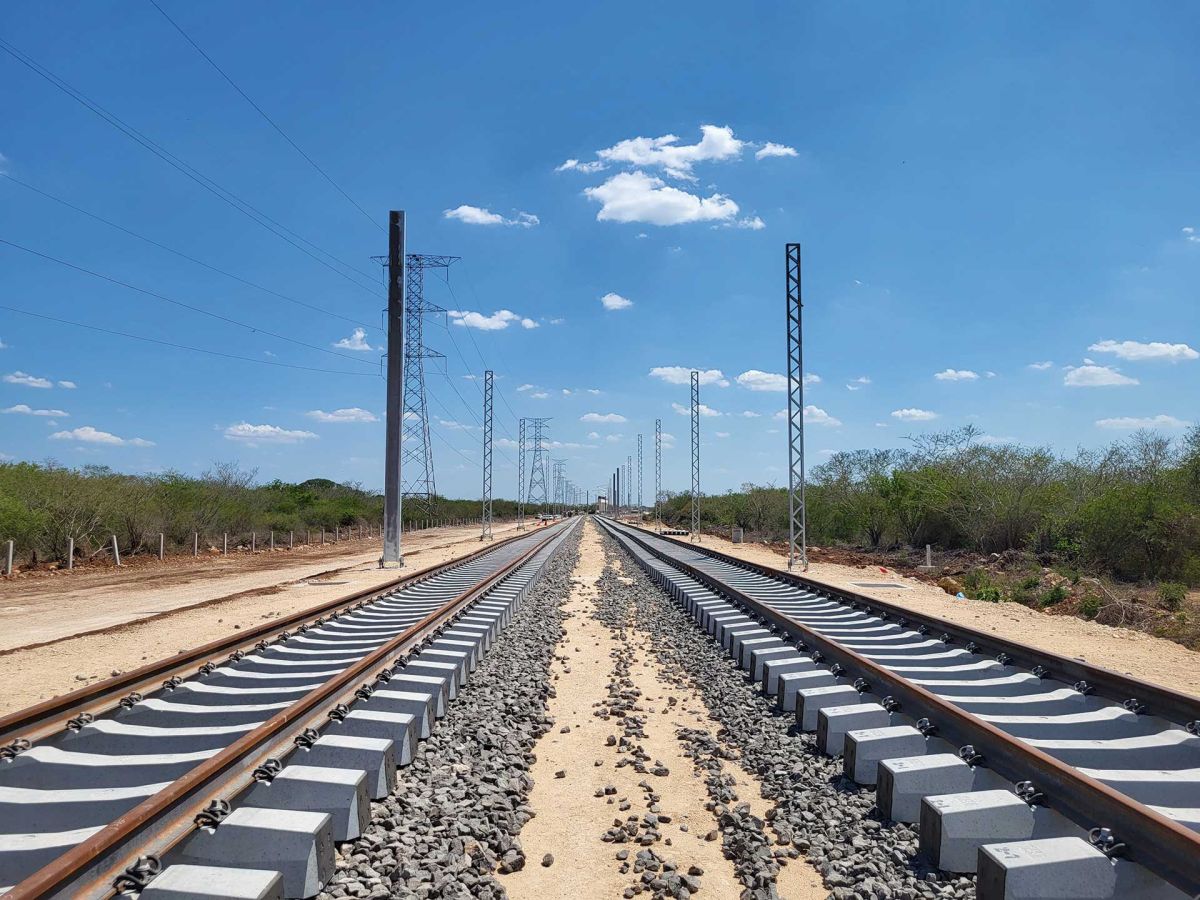
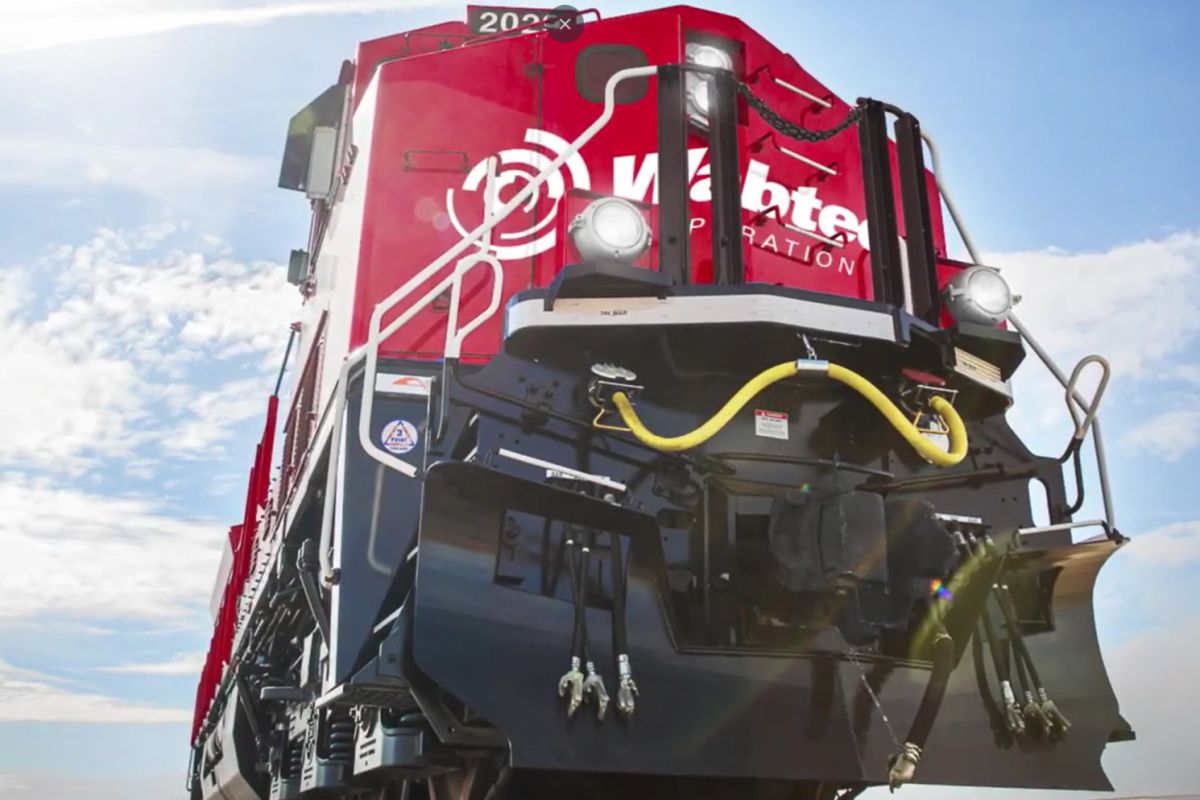
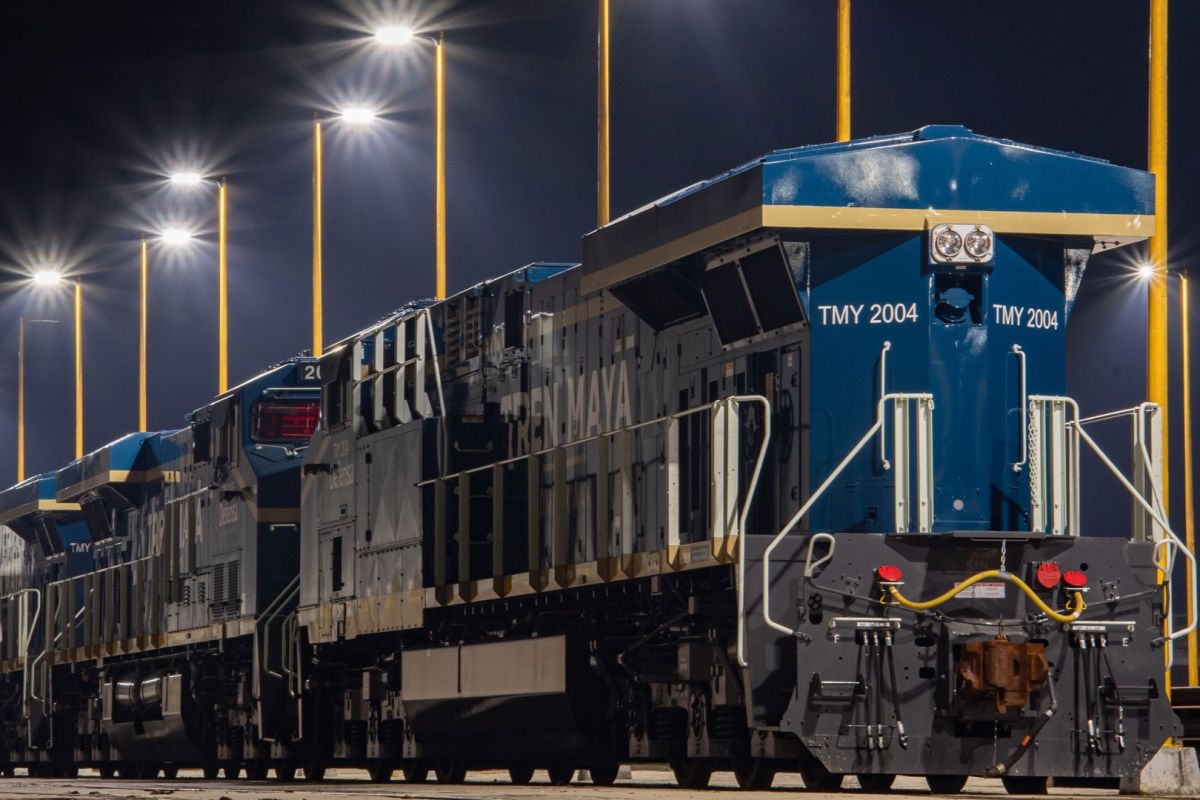
Mexico’s Maya Train has begun dynamic testing of its new freight service using Wabtec ES44AC locomotives on the route toward Tenosique.
The short line expects to handle inbound steel plate and slab traffic as well as outbound finished components.
The 420 km service introduces the dedicated container traffic on the SGR network.
The service handles both conventional wagonload shipments and combined transport (CT) units, covering a range of cargo types and shipment sizes.
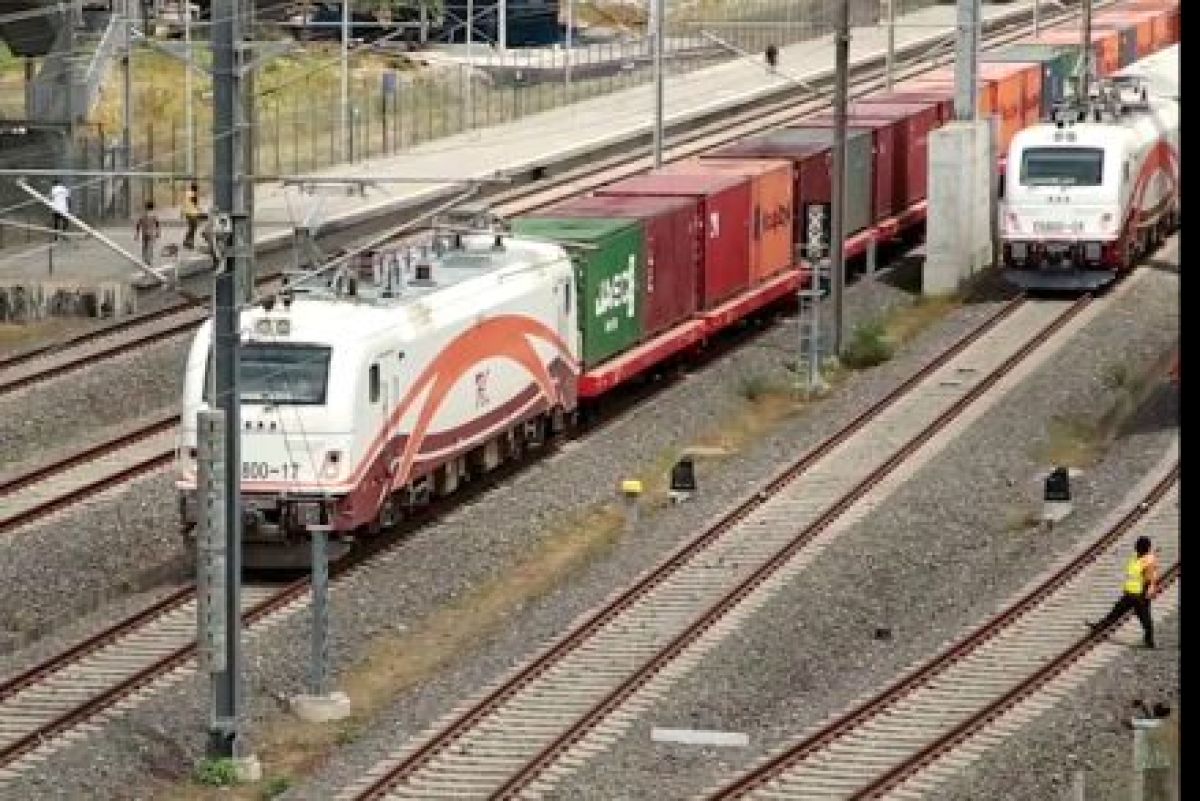
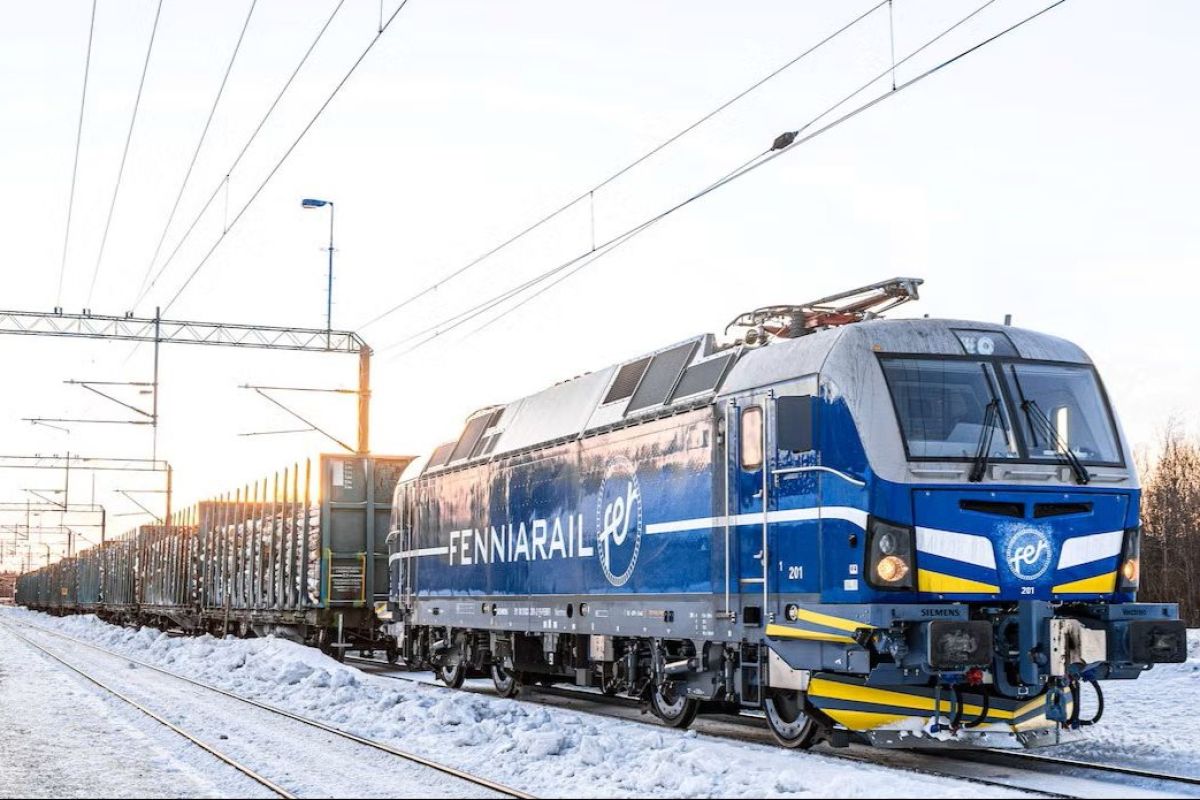
The Finnish private freight operator is expanding its fleet as transport volumes from the forest industry increase and pulp shipments begin this year.
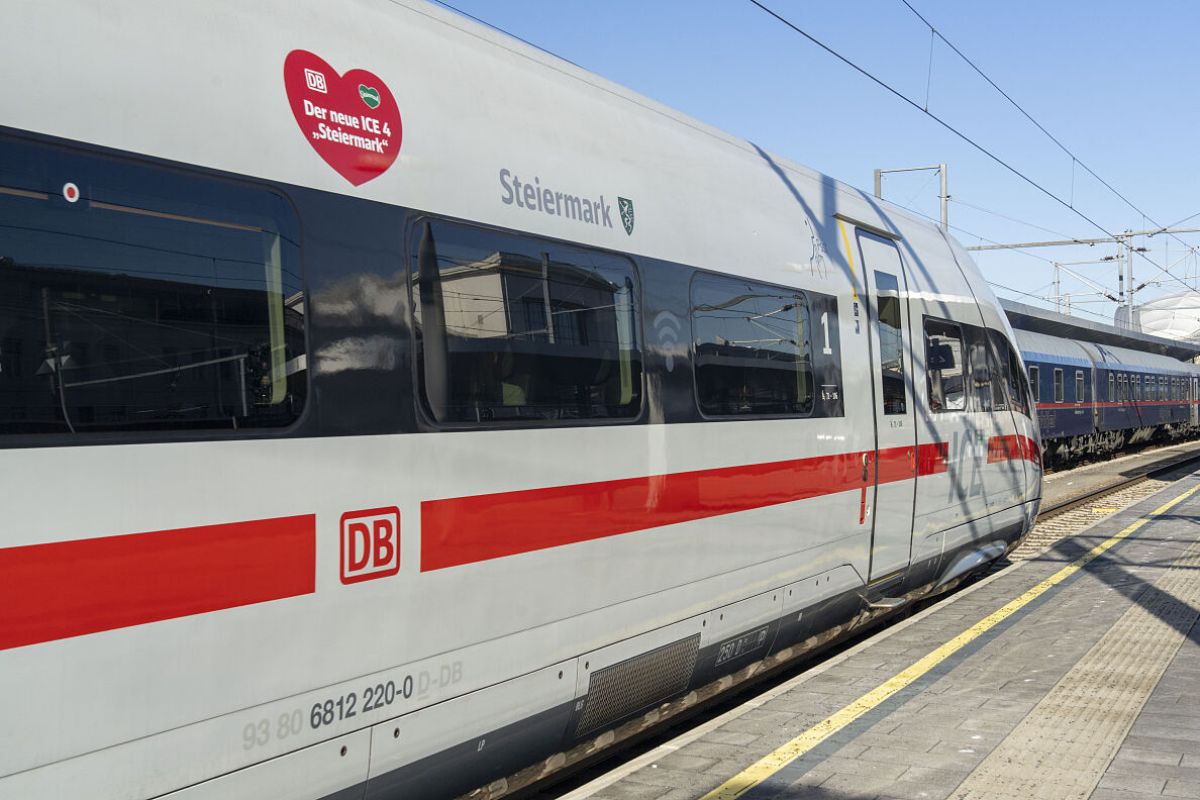
Five direct trains operate daily in each direction between Graz and Munich. The route is complemented by a daily Nightjet service linking Graz with Berlin overnight.
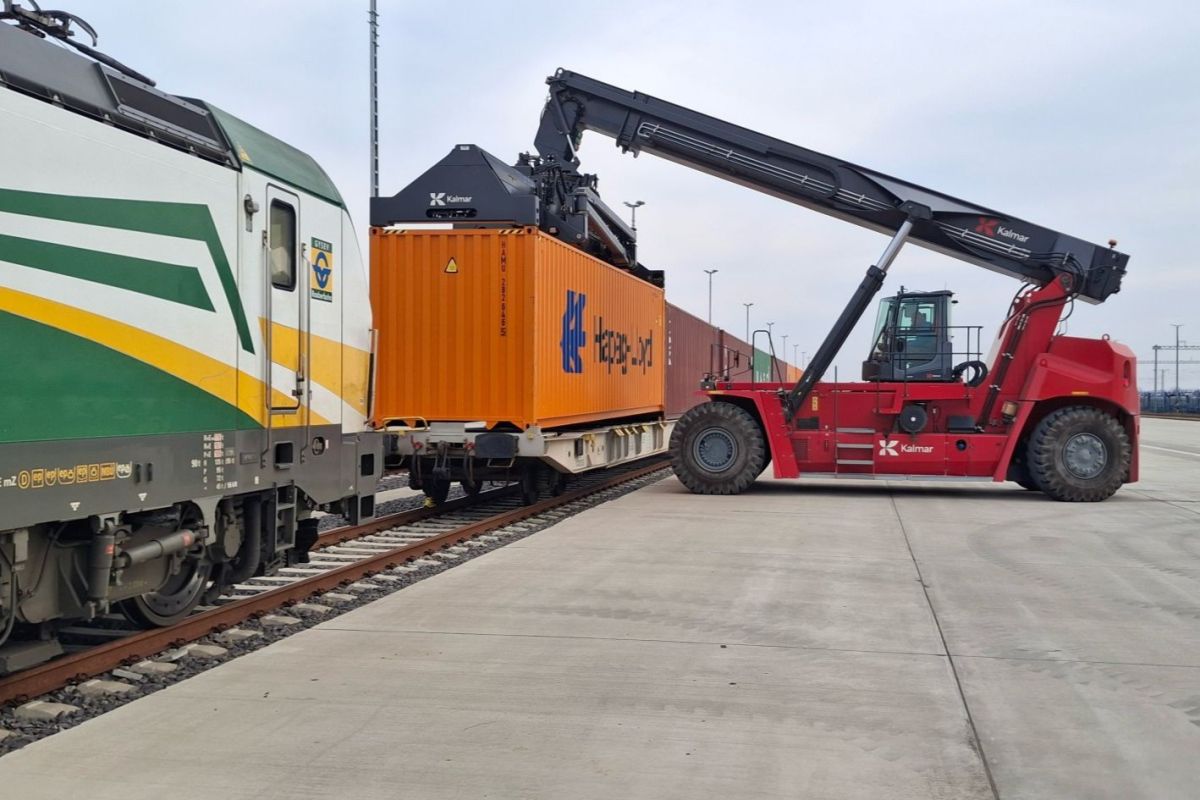
Under the arrangement, maritime containers moving through Wilhelmshaven are transferred to rail for inland distribution to Debrecen.
The analysis highlights Asia and Europe as the main centres of activity, driven by high-speed rail expansion, urban metro construction and corridor upgrades.
The Australian Government has allocated AUD 659.6m (EUR 402m) for a two-year development phase of the Newcastle–Sydney section of Australia’s High Speed Rail (HSR) programme. The funding covers detailed planning and approvals to prepare the 194 km Line 1 corridor for construction between Newcastle and central Sydney.
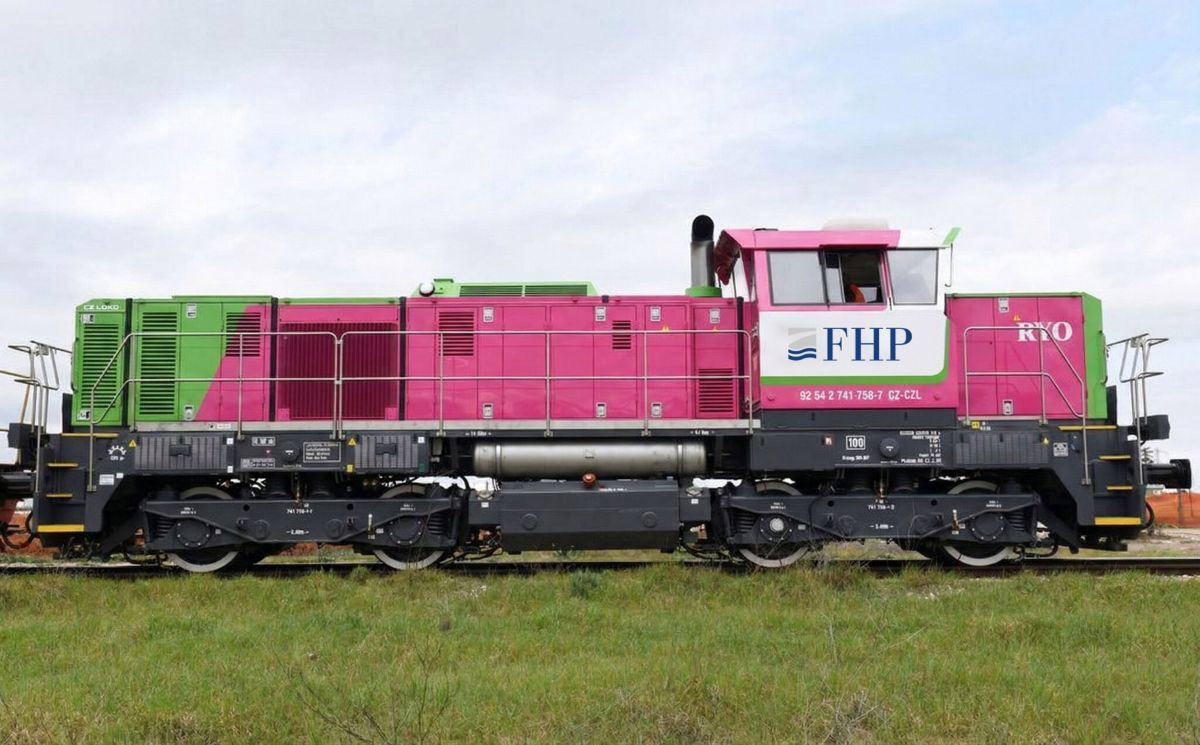
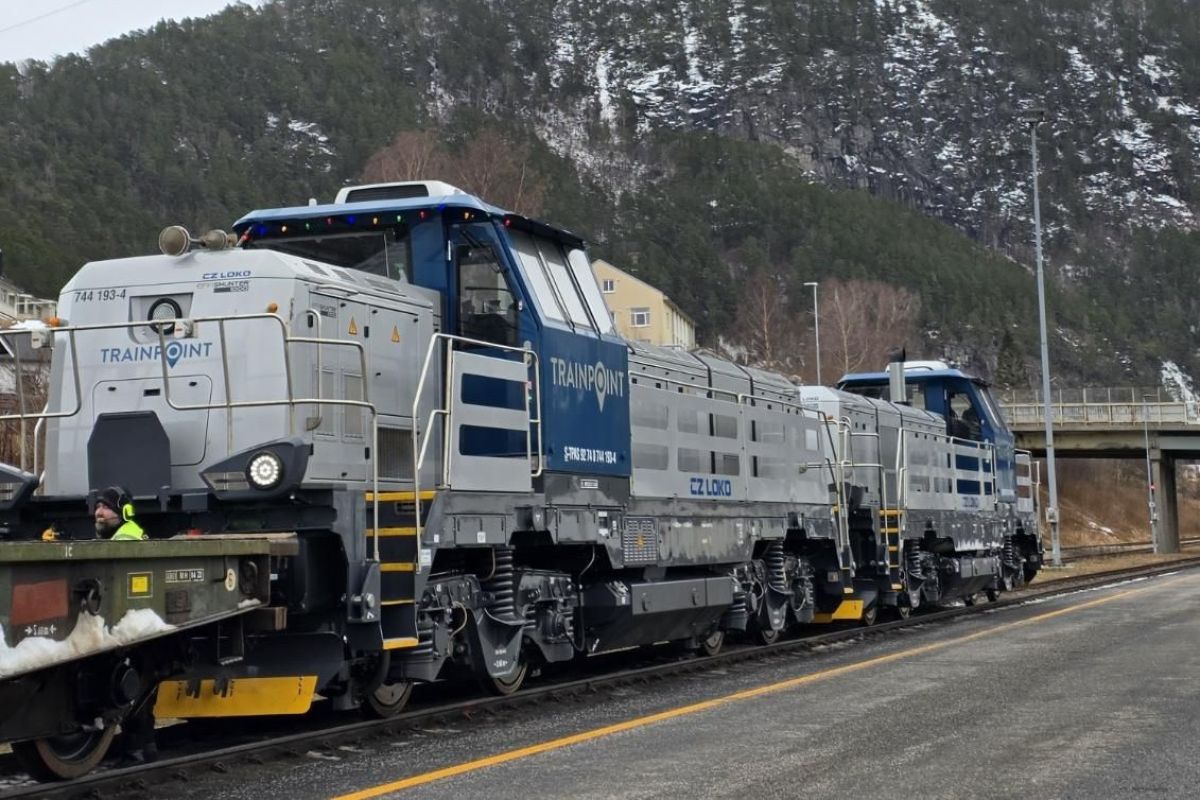
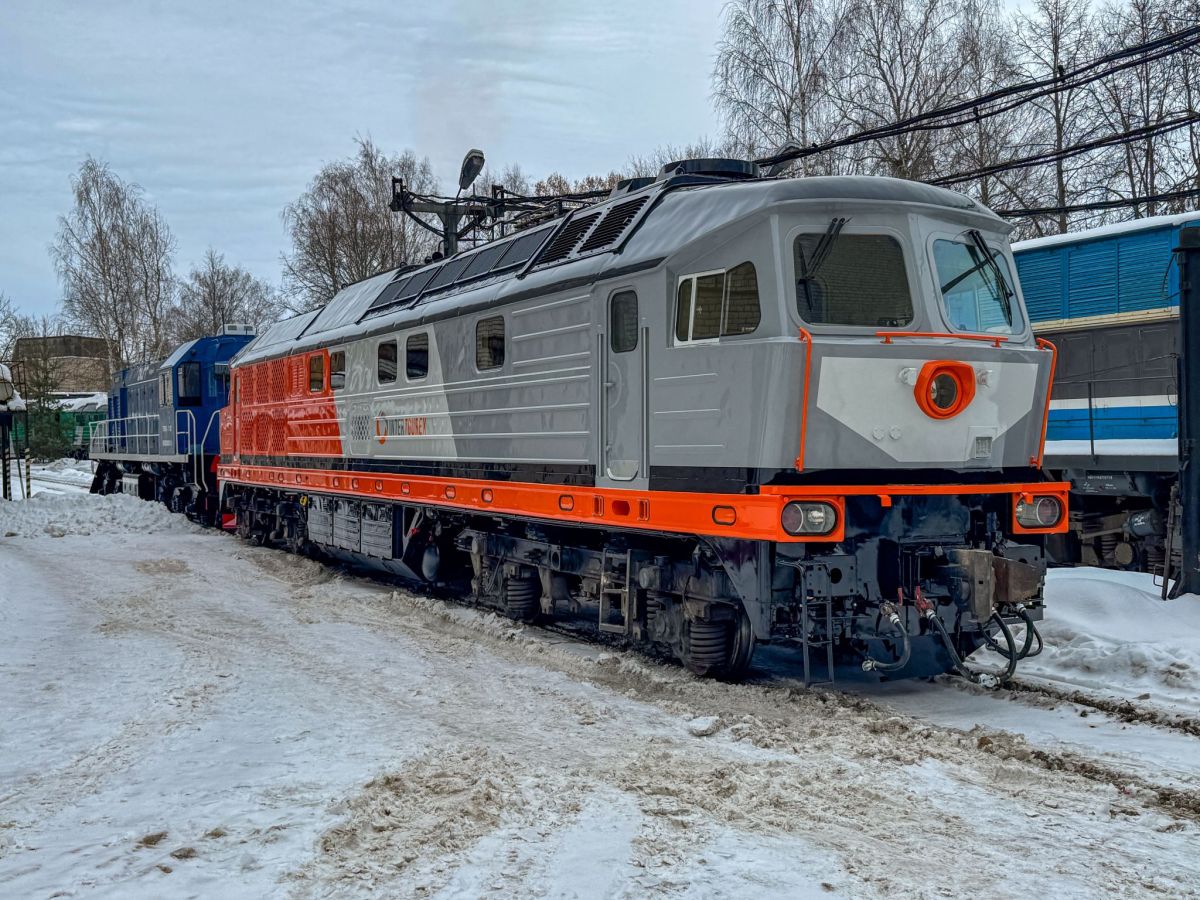
This expands the company’s operational fleet of large diesel locomotives used for non-electrified freight, passenger and special traffic.
The companies stated that they consider the settlement preferable to continued litigation. No financial terms or additional details of the agreement were disclosed.
The demonstrator will replace the locomotive’s existing diesel engine with HyOrc’s modular power unit and test it in main line freight service.
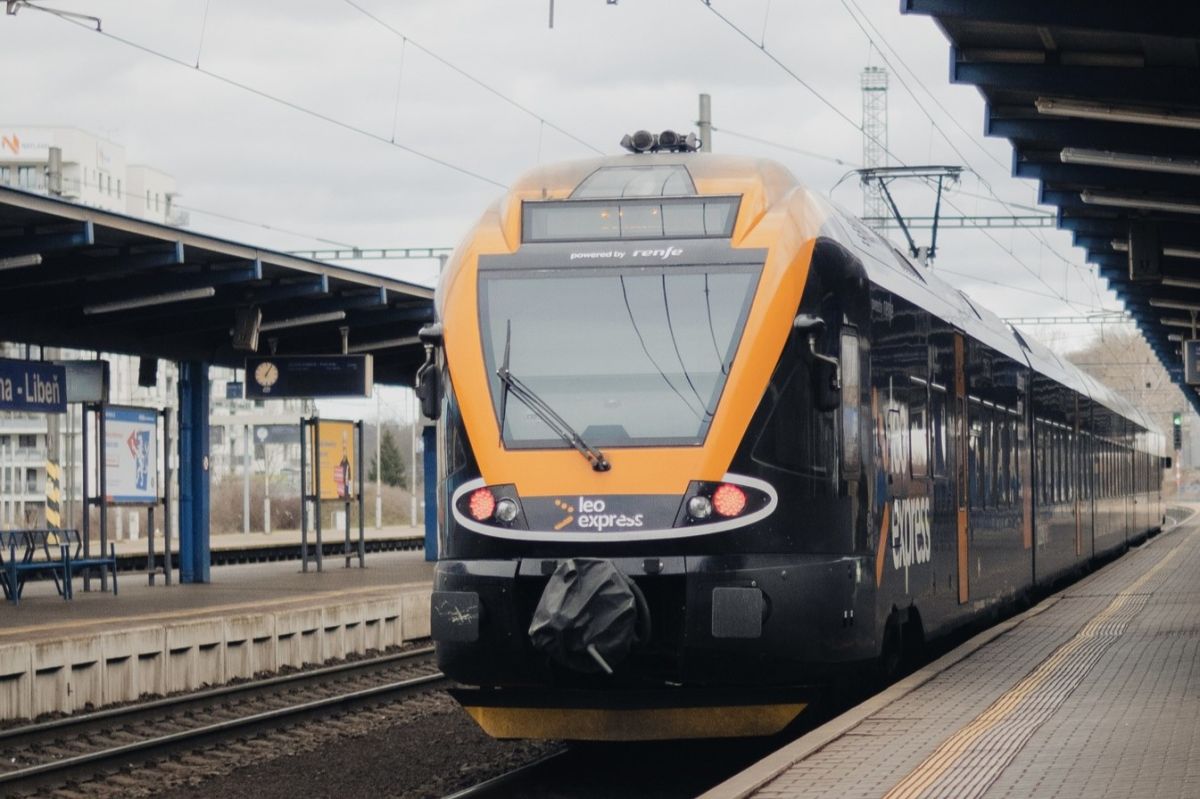
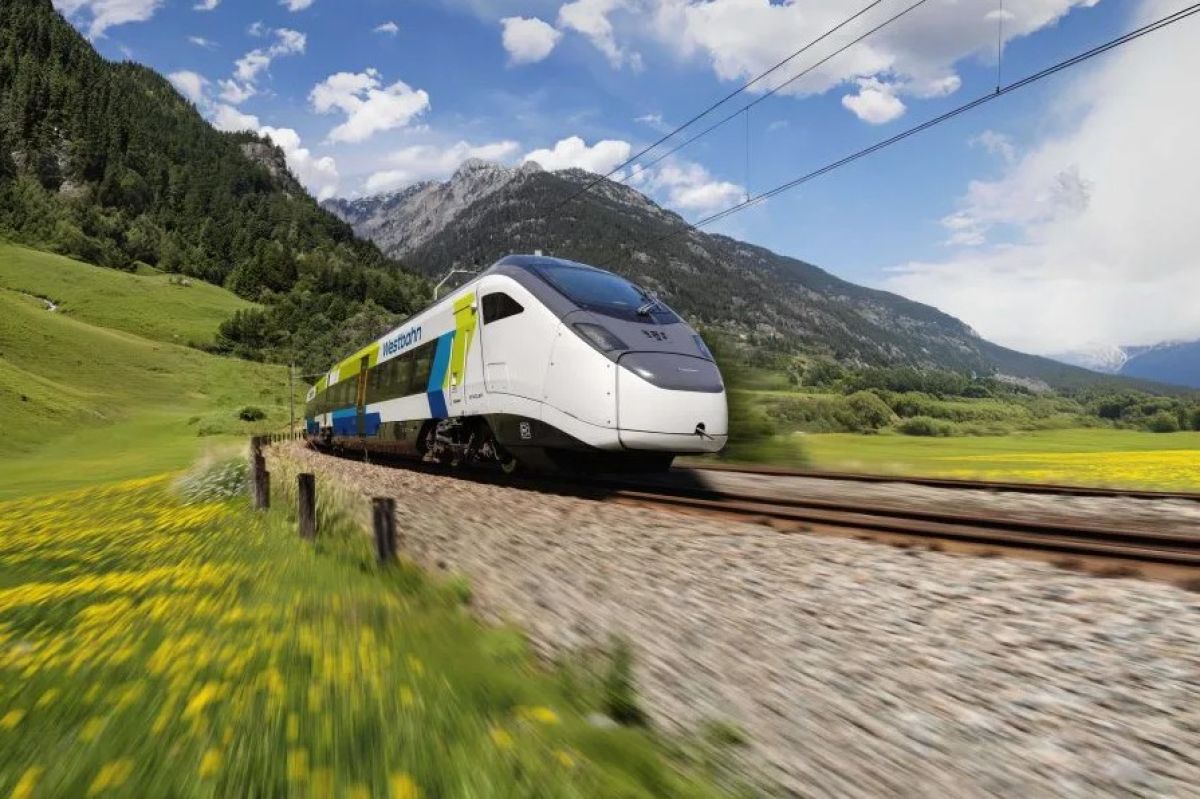
The private operator is deploying Stadler SMILE high-speed multiple units in direct competition with ÖBB services on the same corridor.